
Why Do I Have Few Friends? Understanding Friendship Dynamics & Self-Awareness
Wondering why you have few friends? Discover root causes, friendship signs, group dynamics, and self-insight strategies to build deeper, better connections.

Estimated reading time: 14 min
Key Takeaways
- Having few friends is common and influenced by life changes, personality, and social opportunity gaps.
- Quality of friendships often matters more than quantity—depth over breadth can be fulfilling.
- Behavioral patterns, trust issues, and life transitions can impact friend circles and dynamics.
- Self-awareness tools like Blindspot can reveal hidden dynamics and help you become a better friend.
- Actionable steps—initiating contact, joining groups, and self-reflection—can help you build and maintain meaningful connections.
Table of Contents
- Section 1: Common Structural Reasons Adults Have Few Friends
- Section 2: Personality Factors and Social Comfort Zones
- Section 3: Behavioral Patterns That Affect Friendships
- Section 4: Difficulty Maintaining Friendships Over Time
- Section 5: Trust, Vulnerability, and Friendship Depth
- Section 6: Life Changes and Shifting Social Circles
- Section 7: Social Opportunity Gaps and Expanding Your Circle
- Section 8: Is Having Few Friends Really a Problem?
- Conclusion
- FAQ
Section 1: Common Structural Reasons Adults Have Few Friends
Moving and Life Transitions
One of the most common answers to "why do I have few friends?" is simply life circumstance. Moving to a new city, starting a new job, or transitioning to a different stage of life (like college graduation or retirement) can disrupt social networks. Adults are less likely to have built-in social environments, making it harder to form new connections.
- Relocation: Relocating for work or family often means leaving established friend groups behind.
- Remote Work: The rise of remote and hybrid work has reduced daily casual interactions that can blossom into friendships.
- Time Constraints: Juggling family responsibilities, work, and other obligations leaves less time for socializing.
Lack of Built-In Social Environments
As children and young adults, school and extracurricular activities provide natural opportunities for making friends. In adulthood, these structures fade, and it often falls on individuals to seek out new groups or communities. Without proactive effort, social circles can shrink over time.
- School and college offer frequent, low-barrier opportunities to interact and bond with peers.
- After graduation, such environments are rare, especially in urban or commuter lifestyles.
Family Demands and Priorities
Parents, caregivers, and those with intense work commitments may find their social life sidelined. Even when the desire for friendship is present, practical realities can make it difficult to nurture existing relationships or pursue new ones.
For more on how life stages and social structures shape self-image and relationships, see How Friends Shape Our Self-Image: The Hidden Impact.
Section 2: Personality Factors and Social Comfort Zones
Introversion and High Sensitivity
Personality plays a significant role in the size and quality of our friend circles. Introverts often prefer deep one-on-one conversations over large group settings. High sensitivity can make overstimulating environments draining, leading to fewer but more meaningful relationships.
- Introversion: Valuing solitude and introspection can mean fewer but deeper connections.
- High Sensitivity: Sensitivity to noise, conflict, or emotional intensity may cause some to limit their social exposure.
Shyness and Social Anxiety
Shyness is distinct from introversion—it’s about fear or discomfort in social situations. Social anxiety can create barriers to initiating new connections or maintaining casual acquaintances.
- Worry about being judged or rejected can hinder active participation in group dynamics.
- This can lead to missed opportunities for friendship, even if the desire for connection is strong.
Self-Perception and Blind Spots
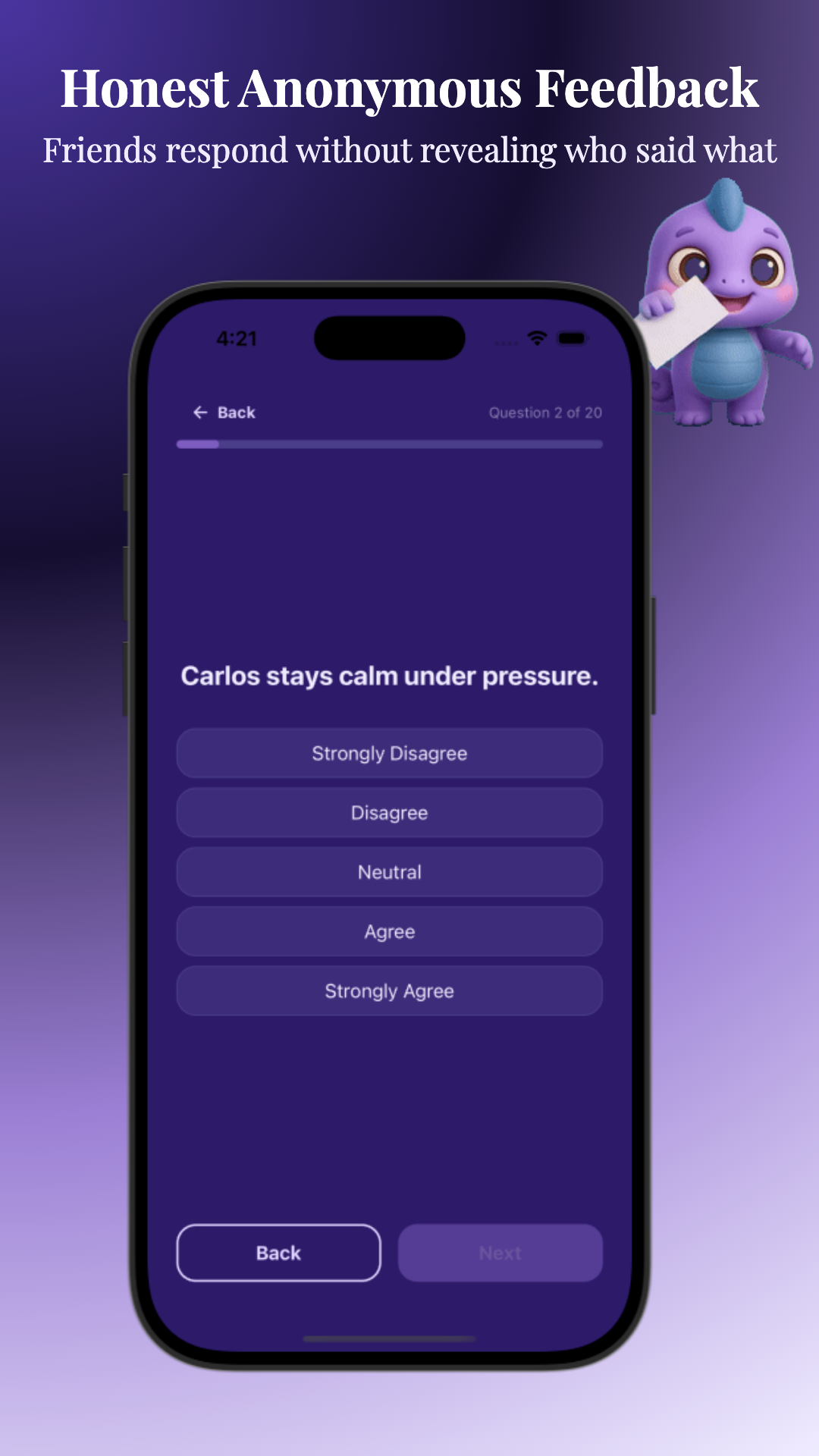
How we see ourselves versus how others see us can affect our approach to friendship. Blind spots—traits or behaviors we’re unaware of—may inadvertently impact our relationships. Using tools like Blindspot can help uncover these hidden dynamics by letting friends anonymously share what they notice about us.
To dive deeper into self-perception and its impact on friendships, check out Johari Window Test: A Powerful Tool for Self-Discovery. If you want to explore how understanding your own personality can shape your social comfort zones and relationships, see Personality Types: The Complete Guide to MBTI, Big Five, and Self-Discovery. If you're interested in a comprehensive approach to understanding yourself, Self-Awareness: The Definitive Guide to Understanding Yourself offers valuable insights.
Section 3: Behavioral Patterns That Affect Friendships
Signs of a Good Friend vs. Signs of a Bad Friend
Our behavior and habits can either attract or repel potential friends. Recognizing the signs of a good friend—such as reliability, empathy, and active listening—is crucial. Conversely, certain traits can push people away and shrink your circle.
- Signs of a Good Friend: Loyalty, encouragement, honesty, and respect for boundaries.
- Signs of a Bad Friend: Gossiping, chronic complaining, creating drama, being self-centered, or displaying jealousy.
Negative Patterns That Push People Away
Even subtle habits can erode friendships over time:
- Keeping score—remembering every favor or slight.
- Lack of reciprocity—rarely reaching out or showing interest in others’ lives.
- Failing to apologize or make amends after conflict.
Group dynamics also play a role. Some individuals inadvertently dominate conversations or withdraw, affecting the group’s overall cohesion and friend group dynamics.
Feedback and Blind Spots
Sometimes we’re unaware of the patterns that affect our friendships. Anonymous feedback—like what you can get through Blindspot—can highlight these blind spots. Knowing what your friends say about you, even if anonymously, is a powerful step toward growth. For step-by-step advice on uncovering your social blind spots, see How to Uncover Your Social Blind Spots: Step-by-Step Guide. For a broader look at what your friends say about you and how it shapes your self-discovery and friendship dynamics, see What Your Friends Say About You: The Ultimate Guide to Self-Discovery and Friendship Dynamics.
Section 4: Difficulty Maintaining Friendships Over Time
Initiative and Maintenance
Friendships require ongoing effort. One of the most common reasons adults have few friends is a passive approach to maintaining contact. Waiting for others to reach out or assuming friendships will last without attention often leads to fading connections.
- Not initiating contact or following up after plans.
- Letting long intervals pass without checking in.
- Waiting for invitations rather than making them.
Letting Relationships Fade
Modern life is busy, and it’s easy for friendships to drift apart unintentionally. Sometimes, both parties assume the other is too busy or uninterested, leading to silent mutual withdrawal. Recognizing this pattern is the first step to reversing it.
Proactive strategies include setting reminders to check in, scheduling recurring meetups, or simply sending a thoughtful text.
Investing in Friend Group Dynamics
Groups have their own energy and roles. Some people act as connectors, others as listeners or organizers. Understanding your role and being intentional about engaging can keep group dynamics healthy and inclusive. For more on reflecting and improving your role in friendships, see What My Friends Think of Me Quiz: Reveal Your Blind Spots.
Section 5: Trust, Vulnerability, and Friendship Depth
Difficulty Trusting Others
Trust issues can limit the depth and number of our friendships. Past betrayals, childhood experiences, or general insecurity can make us wary of opening up to others. This reluctance to be vulnerable can keep relationships superficial.
- Fear of being judged or rejected stops many from sharing honestly.
- Worry about betrayal or gossip can make it hard to let people in.
Vulnerability and Self-Disclosure
Genuine intimacy is built on vulnerability. Sharing feelings, struggles, and hopes fosters deeper connections. If you find it difficult to open up, your friends may not feel invited to do so either, resulting in relationships that remain at surface level.
- Practice small acts of openness—share a challenge or ask for advice.
- Notice how friends respond when you take this step; often, they reciprocate.
Building Deeper Connections
Tools like Blindspot can help you understand how your willingness to be vulnerable is perceived by others. Friends’ anonymous feedback can reveal if you come across as closed-off or distant, providing actionable insight for growth. For more on discovering and bridging these gaps, see What Is a Personality Blind Spot? Understanding the Gaps in Self-Perception. For a deeper look at how others see you and how to bridge the perception gap, see how others see you and bridging the perception gap. If you're interested in how honest friends can be the key to real growth in self-discovery, Why Self-Discovery Needs Honest Friends: The Key to Real Growth is a must-read.
Section 6: Life Changes and Shifting Social Circles
Major Life Events
Significant transitions—such as entering a serious relationship, becoming a parent, experiencing bereavement, or changing careers—often shift priorities and alter social circles. It’s normal for friend groups to evolve as life circumstances change.
- New relationships can lead to spending less time with friends.
- Parenthood or caregiving can limit energy and availability.
- Loss or grief may cause withdrawal from social life.
Outgrowing Friends
Values, interests, and worldviews naturally change over time. You may outgrow certain friendships as you grow and evolve, especially if your priorities diverge significantly. While this can be painful, it’s also an opportunity to seek more aligned and supportive relationships.
- It’s okay to let go of friendships that no longer feel mutual or supportive.
- Focus on nurturing connections that reflect your current self and future aspirations.
Changing Priorities
Sometimes, having few friends is a conscious choice. As you mature, you may prioritize depth over breadth, seeking out a small circle of trusted confidants rather than maintaining a large network of acquaintances.
Section 7: Social Opportunity Gaps and Expanding Your Circle
Barriers to Meeting New People
Many adults wonder why they have few friends simply because they don’t have enough opportunities to meet new people. Busy routines, lack of accessible social groups, or living in areas with low population density can all be factors.
- Not getting out enough due to work or family obligations.
- Lack of community events, clubs, or organizations in your area.
- Feeling overwhelmed by the prospect of starting from scratch.
Action Steps to Build Friendships
Fortunately, expanding your social circle is possible at any age with intention and effort. Consider these steps:
- Join Recurring Groups: Book clubs, sports teams, volunteer organizations, or hobby classes offer regular, low-pressure interactions.
- Say Yes to Invitations: Even if it feels inconvenient, accepting social invitations is key to building momentum.
- Take Initiative: Invite acquaintances to coffee, organize group outings, or simply start conversations at work or in your neighborhood.
- Invest in Existing Friendships: Reconnect with old friends or deepen current relationships by being proactive.
For practical guidance on how to get honest feedback to improve your social skills and make friends, see How to Get Honest Feedback from Friends: A Practical Guide. If you want to better understand the signs and dynamics of your friendships as you expand your circle, see Understanding Your Friendships: Signs, Dynamics, and Deeper Insight. If you are interested in the reasons why friends may see you differently and how this perception gap can affect your social opportunities, check out why friends see us differently and the perception gap. If you're looking for resources to further develop your self-awareness and social skills, explore these top free self awareness courses online for additional support.
Leveraging Technology and Apps
Apps like Blindspot offer creative new ways to understand how others perceive you and where you might improve. They can help you identify social blind spots and provide actionable insights for becoming a better friend and group member.
Section 8: Is Having Few Friends Really a Problem?
Depth Over Breadth
It’s natural to wonder if there’s something "wrong" with having a small circle. In reality, many people thrive with a handful of deep, meaningful relationships rather than a large group of acquaintances. Research shows that the quality of friendships is a stronger predictor of well-being than the sheer number of friends.
- Signs of a Good Friend: Trust, support, and authenticity matter more than group size.
- Strong friendships can buffer against loneliness and offer a sense of belonging.
Valuing Solitude and Self-Sufficiency
Some individuals genuinely prefer solitude or independent pursuits. If you feel content, energized, and supported, there’s no need to chase a larger social circle for its own sake.
Mental Health and Well-Being Signals
However, if feelings of isolation, loneliness, or depression persist, it may be worth exploring whether you need more or better friends. Signs you may benefit from expanding your circle or deepening existing connections include:
- Persistent sadness or feeling disconnected, even in company.
- Difficulty coping with stress due to lack of support.
- Desire for deeper conversations and shared experiences.
If you’re unsure whether you need more friends or just better friends, reflecting on your needs and friendship patterns can help. For a guided approach, try the 25 Insightful Questions to Ask Your Friends About Yourself to spark meaningful conversations and self-discovery.
Conclusion
"Why do I have few friends?" is a question with many layered answers—structural, personal, and behavioral. From life transitions and personality traits to group dynamics and trust issues, a wide range of factors shape our social circles. The truth is, having few friends may be a sign of selective, deep relationships rather than a problem to fix. However, if you crave more connection or want to grow as a friend, tools like Blindspot and honest reflection can help you uncover blind spots, improve group dynamics, and build the friendships you truly want.
FAQ
Q: Is it normal to have only a few friends?
A: Yes, it's completely normal. Many adults have a handful of close friends rather than a large group. Quality and depth often matter more than quantity.
Q: Why do I keep losing friends?
A: Friendships can fade due to life changes, lack of initiative, shifting values, or negative patterns like not following up or being unreliable. Reflecting on your habits can help identify areas for growth.
Q: Does introversion mean I will have fewer friends?
A: Not necessarily, but introverts often prefer deeper, more meaningful relationships with a smaller group. It's about personal preference and comfort, not a flaw.
Q: How do I make friends as an adult?
A: Join recurring groups, say yes to invitations, take initiative in contacting others, and invest effort in maintaining connections. Be open to new experiences and communities.
Q: Why do I feel lonely even when I have a few friends?
A: Loneliness can stem from a lack of depth or authenticity in relationships. It may help to deepen existing bonds, open up more, or seek connections with shared values and interests.
Q: How can I tell whether I need more friends or just better friends?
A: Reflect on your satisfaction and support levels. If you feel unfulfilled, consider whether you crave deeper connections (better friends) or simply more social opportunities (more friends). Tools like Blindspot can offer insight into your friendship dynamics.