Best Self Discovery App Free: Unlock Your True Self with Blindspot
Explore the best self discovery app free options. Discover features, pricing, and privacy to choose your ideal self-knowledge companion today.

Estimated reading time: 15 min
Key Takeaways
- Self discovery apps free differ from generic self-help apps by focusing on personalized insights and social feedback, creating a more interactive and revealing experience.
- Top apps include Blindspot, Moodfit, and Reflectly, each offering journaling, mood tracking, and personality insights with distinct strengths tailored to different self-exploration goals.
- Pricing models vary: free versions with optional premium upsells and some with ads; choose based on features, privacy needs, and how much you plan to engage with the app.
- Effective use involves daily reflection, habit building, and leveraging AI or social feedback for growth, supported by consistency and mindful engagement.
- Privacy and data handling are critical—look for apps with transparent policies, secure practices, and options for anonymous participation to protect sensitive information.
Table of Contents
- Section 1: Understanding Self Discovery Apps vs Self Help Apps
- Section 2: Top Best Free Self Discovery Apps Compared
- Section 3: Core Features of Self-Knowledge and Self Exploration Apps
- Section 4: Pricing Models and What to Expect from Free Versions
- Section 5: Platform Availability and User Experience
- Section 6: Privacy, AI, and Personalized Insights
- Section 7: Choosing the Right Self Discovery Companion App for You
- Conclusion
- FAQ
Section 1: Understanding Self Discovery Apps vs Self Help Apps
Defining Self Discovery Apps
Self discovery apps free are specifically designed to help users gain deeper and more nuanced insights into their personality traits, emotional states, and behavioral patterns. These apps provide tools that enable both honest self-reflection and external feedback, creating a feedback loop that helps bridge the gap between how we see ourselves and how others perceive us. Unlike generic self-help apps, which often provide broad motivational content, habit trackers, or mindfulness exercises, self discovery apps delve into revealing aspects of our subconscious and interpersonal dynamics.
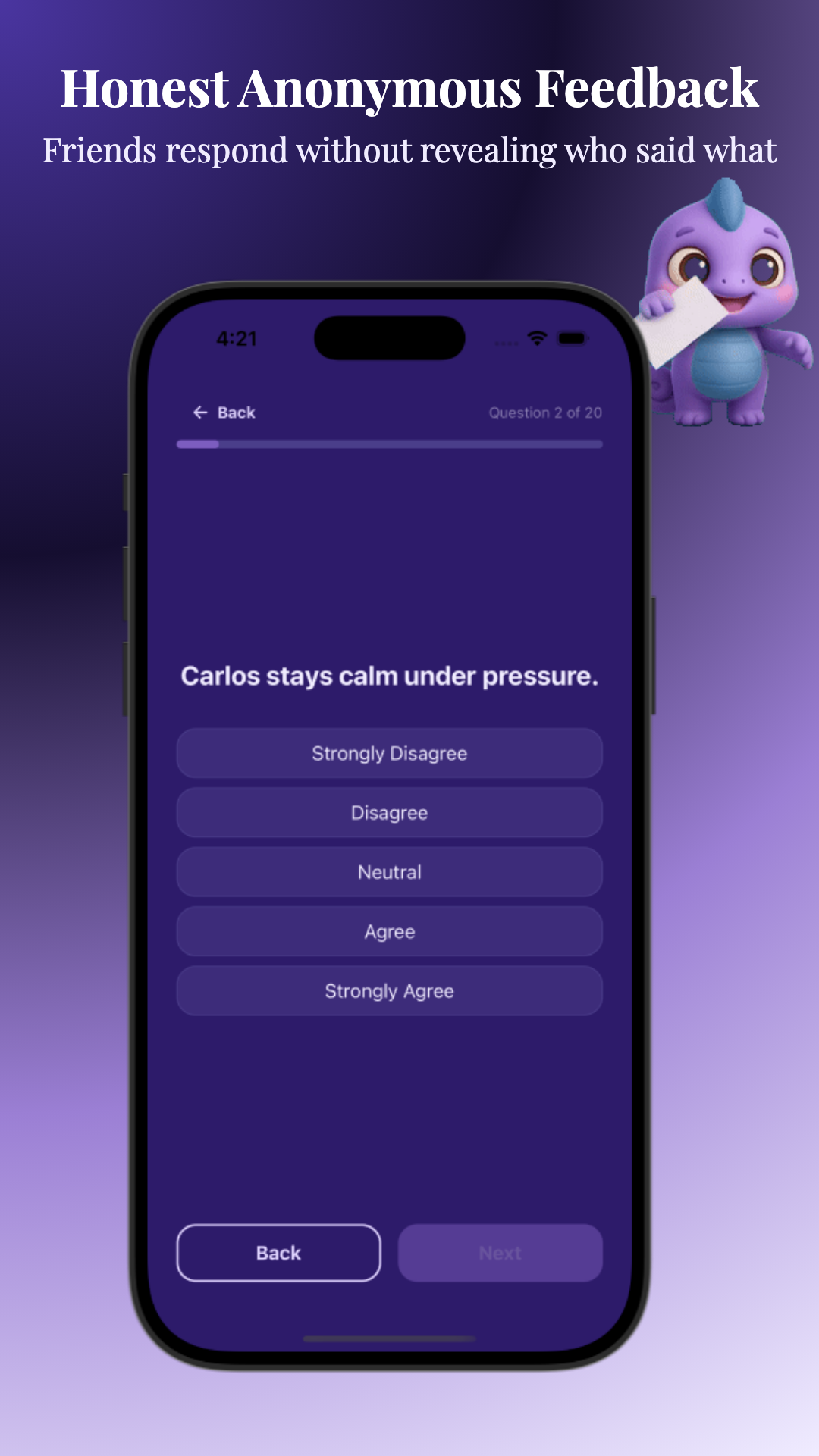
For example, Blindspot uses a unique methodology where friends anonymously answer questions about you, highlighting blind spots—those personality traits or behaviors you're unaware of but which affect how others relate to you. This social feedback mechanism is central to self discovery apps’ ability to present an authentic and often surprising view of the self. For a deeper understanding of these interpersonal dynamics, see our article on Understanding Your Friendships: Signs, Dynamics, and Deeper Insight.
How They Differ From Generic Self-Help Apps
Generic self-help apps typically emphasize habit formation, goal tracking, or guided meditation sessions aimed at promoting positive thinking or stress relief. While these features can enhance wellbeing, they often lack the depth and personalization that self discovery apps offer. Self discovery apps employ scientifically grounded techniques such as mood tracking, personality quizzes, journaling prompts, and increasingly, artificial intelligence to tailor insights specifically to the individual user.
For example, mood tracking goes beyond simple logging; apps analyze your emotional fluctuations over time to identify triggers and patterns. Personality quizzes are often based on validated psychological models, providing insights into your traits and tendencies. The integration of social feedback, especially anonymous friend input, adds a dimension of external validation or challenge to your self-concept, which is rarely addressed in generic self-help tools. To explore these personality frameworks further, check out our Personality Types: The Complete Guide to MBTI, Big Five, and Self-Discovery.
Why This Matters
Understanding the distinction between self discovery apps and generic self-help apps is crucial for selecting the right tools to facilitate meaningful personal growth. Self-knowledge apps emphasize reflection and feedback loops, helping users develop a balanced self-awareness that incorporates both internal perception and external perspective. This dual input is essential for recognizing unconscious biases, blind spots, and areas for improvement.
If your goal is to uncover authentic aspects of your personality, understand emotional patterns, or receive honest social feedback, self discovery apps free offer specialized features that generic apps do not provide. This approach leads to a more profound and actionable understanding of yourself, which can translate into better relationships, improved emotional regulation, and more aligned life choices.
Section 2: Top Best Free Self Discovery Apps Compared
Blindspot: The Social Feedback Leader
Blindspot distinguishes itself as a pioneering self discovery companion app by leveraging anonymous social feedback to uncover personality blind spots. The app’s core strength lies in its ability to combine social psychology principles with AI-driven analysis, providing users with insights that are difficult to achieve through solo reflection alone.
The free tier of Blindspot includes access to personality quizzes, the creation of private groups (such as friends, family, or coworkers), and anonymous surveys where group members answer questions about one another. The anonymity feature encourages honesty and reduces social desirability bias, resulting in more authentic feedback. Users can then compare their self-assessments with how others view them, making visible the discrepancies that constitute their blind spots.
For example, a user may rate themselves as highly empathetic, but anonymous friend feedback might reveal they sometimes come across as distant or unapproachable. Such insights help initiate targeted personal development efforts.
Additionally, Blindspot’s AI synthesizes the data to generate personalized reports and growth recommendations, a feature accessible in the free version with some limitations and expanded in the premium tier.
Moodfit: Best for Mood and Habit Tracking
Moodfit is highly regarded for its comprehensive mood tracking and habit formation capabilities. The app enables users to log their mood multiple times a day, alongside contextual factors such as sleep quality, exercise, medication, and diet, offering a holistic view of mental health.
The free version comes equipped with core tools including mood journaling, customizable reminders, and basic analytics that visualize mood trends over weeks and months. Moodfit also supports goal setting, helping users build habits that improve emotional wellbeing.
Premium features unlock detailed reports, mood correlation analytics (e.g., how your sleep affects mood), and access to additional guided exercises and CBT-based techniques.
For instance, a user might discover that poor sleep quality strongly correlates with increased anxiety, prompting lifestyle changes. Moodfit’s interface is designed to encourage consistent use through daily check-ins and motivational nudges.
Reflectly: AI-Powered Journaling
Reflectly uses artificial intelligence to provide a personalized and engaging journaling experience. The app asks users reflective questions each day based on their mood and previous entries, nudging users to dig deeper into their thoughts and feelings.
The free tier limits the number of daily entries but offers enough prompts to build a journaling habit. It also includes basic mood tracking features and daily motivational quotes. Reflectly’s AI adapts over time, making prompts increasingly relevant to the user’s emotional state and personal growth journey.
For example, if a user frequently reports stress, Reflectly might prompt them to explore stress triggers or coping mechanisms. The premium version unlocks unlimited journaling, mood insights, and enhanced customization options.
Comparison Summary
- Blindspot: Best for social feedback and blind spot discovery, offers a unique anonymous group feedback feature combined with AI analysis.
- Moodfit: Best for comprehensive emotional tracking and habit development, with data-driven insights into mood correlations.
- Reflectly: Best AI-driven journaling and mood reflection, offering adaptive prompts to foster consistent self-reflection.
Section 3: Core Features of Self-Knowledge and Self Exploration Apps
Journaling and Reflection Prompts
Journaling is foundational in self discovery apps free because it provides a structured way to document thoughts, emotions, and experiences over time. This process not only aids memory and awareness but also helps identify patterns that might otherwise go unnoticed.
Reflection prompts—carefully crafted questions or statements—guide users to explore specific areas such as personal values, emotional responses, relationship dynamics, or life goals. For instance, a prompt might ask, "What situations today made you feel most anxious and why?" or "Describe a recent moment you felt truly authentic."
Blindspot enhances journaling by integrating social feedback, allowing users to reflect on how their self-perceptions align or diverge from others’ views. This multidimensional approach deepens insight and promotes balanced self-awareness. For more on developing self-awareness, see our Self-Awareness: The Definitive Guide to Understanding Yourself.
Mood Tracking and Emotional Intelligence
Tracking moods enables users to quantify and visualize emotional fluctuations, which is critical for developing emotional intelligence—the ability to recognize, understand, and manage emotions effectively. Apps like Moodfit and Reflectly offer daily mood logs, sometimes multiple times per day, with options to tag moods with context such as location, activity, or social setting.
Advanced mood trackers provide visualizations like heat maps, line charts, or pie charts that reveal trends over weeks or months. Identifying triggers—such as certain people, environments, or stressors—can empower users to make informed changes. For example, recognizing that work meetings consistently lower mood might prompt setting boundaries or stress management strategies.
Values Discovery and Personality Insights
Understanding core values and personality traits is central to aligning behaviors and decisions with authentic selfhood. Many self discovery apps include standardized personality assessments based on frameworks like the Big Five or MBTI, as well as custom quizzes.
Blindspot’s distinctive method compares self-ratings of traits with anonymous feedback from friends, revealing discrepancies that highlight blind spots. For example, a user might believe they are patient, but friends may view them as impatient, signaling an area for reflection and growth.
- Anonymous feedback is rare but invaluable, enabling honest insights without social pressure.
- AI-generated insights personalize growth recommendations by analyzing patterns in input data.
- Habit tracking supports sustained behavioral change by encouraging incremental progress and accountability.
Section 4: Pricing Models and What to Expect from Free Versions
Free vs. Freemium Models
Most self discovery apps follow a freemium model, where the core functionality is free to use but advanced features require a subscription or one-time purchase. This model allows users to try the app without commitment and decide if premium tools add sufficient value.
Blindspot offers a robust free experience, including anonymous surveys, group creation, and basic AI-generated insights. Premium upgrades enhance report depth, unlock additional growth modules, and provide priority support.
Other apps like Reflectly limit the number of journaling entries or mood logs in the free version, nudging users toward paid plans for unlimited access. Moodfit’s free tier offers substantial tools, but detailed analytics and advanced habit coaching require premium.
Ads in Free Versions
Some free self discovery apps incorporate ads to monetize the free user base. While this supports the app’s sustainability, ads can disrupt the reflective and often intimate user experience. For example, intrusive ads may break concentration during journaling or mood logging, reducing engagement quality.
Blindspot prioritizes privacy and user experience by avoiding aggressive advertising, allowing users to focus without distraction. However, this may influence premium pricing or feature availability.
Free Trials and Premium Upsells
Many apps offer free trials of premium features, typically ranging from 7 to 30 days. These allow users to experience the full feature set, such as unlimited journaling, deeper analytics, or personalized coaching. Evaluating the benefits during the trial helps users make informed decisions about subscription value.
Blindspot’s premium tier, for example, includes AI-driven personalized feedback based on combined self and friend input, a powerful tool for committed users focused on transformative growth.
When considering premium, users should assess how features align with their self-discovery goals and whether the cost fits their budget for ongoing use.
Section 5: Platform Availability and User Experience
Cross-Platform Access
Accessibility across multiple platforms such as iPhone, Android, and web browsers enhances user convenience and engagement. It allows users to interact with the app at home, work, or on the go without losing continuity.
Blindspot, for instance, is accessible via a responsive web interface optimized for mobile devices, enabling seamless participation in surveys and feedback sessions without the need for app downloads. This lowers barriers to entry, especially for users wary of installing new software or with limited device storage.
Some apps additionally provide desktop apps or browser extensions for journaling or mood tracking, catering to diverse user preferences.
User Interface and Ease of Use
A clean, intuitive user interface is vital for maintaining daily engagement, especially since self-discovery requires consistent input. Apps like Blindspot offer straightforward navigation with clear calls to action such as creating groups, answering anonymous questions, and viewing insights.
Features such as progress indicators, reminder notifications, and simple data entry forms reduce user friction. Accessibility options, including adjustable fonts and color schemes, also enhance usability for users with differing needs.
Good UX design encourages authentic participation, especially in social feedback scenarios where users may feel vulnerable.
Community and Social Features
Social interaction features vary widely between apps. Blindspot’s group creation enables safe, private circles of friends or colleagues to engage in anonymous feedback, fostering trust and meaningful exchanges.
Such features can create a support network, encourage accountability, and motivate continuous self-exploration. Other apps may offer community forums or peer support but often lack the structured anonymity that allows candid feedback.
Integrating social features requires thoughtful moderation and security to maintain a positive, respectful environment conducive to growth.
Section 6: Privacy, AI, and Personalized Insights
Data Privacy and Security
Given the sensitive nature of personal reflections and social feedback, data privacy and security are paramount considerations. Users should expect apps to employ robust encryption for data storage and transmission, strict user authentication, and transparent privacy policies detailing data usage.
Blindspot excels by ensuring respondent anonymity and securing user data against unauthorized access. The app does not share personal information with third parties without explicit consent and allows users to control their data, including options to delete accounts and exported reports.
Before engaging deeply with any self discovery app, reviewing its privacy policy and terms of service is recommended to ensure alignment with your comfort level.
Use of AI for Personalized Growth
Artificial intelligence enhances self discovery apps by transforming raw data—such as journal entries, mood logs, and social feedback—into actionable insights. Blindspot’s AI analyzes discrepancies between self-assessments and anonymous friend responses to identify blind spots and generate tailored advice.
Other apps use AI to predict mood trends, suggest journaling prompts based on emotional state, or recommend habit modifications. However, Blindspot’s combination of social feedback and AI is distinctive, offering a multi-perspective approach to self-awareness.
For example, if a user consistently underrates their social assertiveness but friends rate it highly, AI can flag this as a blind spot and suggest exercises to reconcile self-perception with external reality.
Impact on Self Awareness
Personalized insights powered by AI and social feedback deepen self-awareness by revealing unconscious biases, habitual behaviors, and emotional blind spots. This clarity enables users to focus on specific growth areas with precision rather than vague self-improvement goals.
Such insights accelerate the self-discovery process, making it more efficient and meaningful. Users can track progress, adjust strategies, and celebrate milestones informed by data rather than guesswork.
Section 7: Choosing the Right Self Discovery Companion App for You
Identify Your Primary Goal
Clearly defining your self-discovery objective is the first step in selecting the most suitable app. Consider these common goals:
- Social Feedback: If you want honest external perspectives to uncover blind spots, Blindspot offers unparalleled anonymous group feedback and AI analysis.
- Mood and Habit Tracking: For those focused on identifying emotional patterns and building healthier routines, Moodfit provides comprehensive tools and data-driven insights.
- AI-Guided Journaling: If you prefer reflective writing supported by adaptive AI prompts, Reflectly offers an engaging journaling experience to foster emotional insight.
Consider Your Comfort with Sharing Data
Privacy preferences should heavily influence your choice. If sharing personal data or social feedback raises concerns, prioritize apps with transparent policies and robust anonymization features. Blindspot’s design emphasizes confidentiality and user control, making it particularly suitable for users sensitive about data privacy.
Assess whether the app provides options to limit data sharing, export or delete data, and control visibility settings.
Commitment and Daily Use
Self-discovery is most effective when practiced consistently. Choose an app that integrates smoothly into your daily routine, offering reminders, simple input methods, and motivating feedback to sustain engagement.
Combining multiple features—such as journaling plus social feedback—can enrich the process but requires commitment. Evaluate whether the app’s design and notification system support your lifestyle without causing burnout.
For further reading, explore the Understanding Your Friendships: Signs, Dynamics, and Deeper Insight, a psychological tool that Blindspot incorporates to structure its feedback methodology, providing a theoretical foundation for understanding blind spots.
Conclusion
Choosing the best self discovery app free depends on your personal growth goals, preferred features, and privacy comfort. Apps like Blindspot redefine self-knowledge by incorporating anonymous social feedback, AI insights, and user-friendly tools that foster authentic self-awareness. Whether you want to track moods, journal daily, or uncover personality blind spots, there’s a self exploration app tailored for you.
Starting your journey today with Blindspot allows you to unlock hidden truths about how you and your friends perceive each other, providing a foundation for genuine personal growth and improved relationships. Consistent use combined with mindful reflection can transform self-discovery from a one-time exercise into a lifelong practice.
FAQ
Q: What is the best free self-discovery app?
A: The best free self discovery app depends on your needs, but Blindspot is a top choice for social feedback and blind spot discovery, while apps like Moodfit and Reflectly excel in mood tracking and journaling. Consider your goals and privacy preferences to select the best fit.
Q: Are free self-discovery apps actually useful?
A: Yes, many free self discovery apps provide valuable tools for reflection, mood tracking, and personality insights. While premium features enhance the experience, the free versions often suffice for effective daily self-exploration, especially when used consistently.
Q: Which self-discovery apps are completely free with no ads?
A: Blindspot offers a robust free experience without intrusive ads, focusing on privacy and meaningful feedback. Other apps may have ads or limit free features, so it’s important to review each app’s terms before committing.
Q: What features should I look for in a self-discovery app?
A: Key features include journaling, mood tracking, reflection prompts, values discovery, personality insights, and if desired, anonymous social feedback and AI-driven personalized insights. Choose features that align with your self-discovery objectives.
Q: Are self-discovery apps safe and private?
A: Safety and privacy vary by app. Choose apps with clear privacy policies, data encryption, and options for anonymous feedback, like Blindspot, to protect your personal information. Avoid apps that lack transparency or have histories of data breaches.
Q: Do self-discovery apps work better than journaling on paper?
A: Apps offer additional benefits such as mood tracking, AI insights, and social feedback that paper journaling cannot provide. However, paper journaling remains valuable for personal reflection without digital concerns. The choice depends on your preference for technology and desired features.
Free to start
Try the Blindspot app
Everything in this guide, in your pocket.
Get it on iPhoneGet it on Android