How Others See You: Understanding and Bridging the Perception Gap
Discover why how others see you differs from self-image, how to get honest feedback, and practical steps to close the perception gap for real self-growth.

Estimated reading time: 15 min
Key Takeaways
- Understanding how others see you reveals blind spots between self-image and social perception, enabling targeted personal growth.
- Psychological factors such as bias, projection, and social context intricately create perception gaps, influencing interpersonal dynamics.
- Anonymous feedback, especially from trusted friends, is vital for honest insights that might otherwise be withheld due to social discomfort.
- Body language, communication style, tone, and consistency play critical roles in shaping how others perceive you across different settings.
- Using tools like personality tests, journaling, and apps like Blindspot systematically improves self-awareness and helps close the perception gap effectively.
Table of Contents
- Section 1: The Meaning Behind "How Others See You"
- Section 2: The Psychology of Self-Image vs. How Others See You
- Section 3: Signs Your Perception Differs from Others'
- Section 4: How to Get Honest and Anonymous Feedback from Friends
- Section 5: Communication Habits That Shape Social Perception
- Section 6: Tools and Strategies to Improve Your Self-Awareness
- Section 7: Closing the Gap: Enhancing Your Social and Workplace Impressions
- Conclusion
- FAQ
Section 1: The Meaning Behind "How Others See You"
Understanding Social Perception
When you ask yourself, "How do others see me?", you’re tapping into the complex realm of social perception. This refers to the process through which people interpret your behaviors, appearance, and personality in social contexts. It's a multifaceted concept that extends beyond physical looks to include subtle, often unconscious, cues such as your tone, body language, facial expressions, and communication style. For example, a slight smile or a sudden change in posture can convey openness or discomfort, influencing others’ impressions before you even speak.
Social perception is dynamic and context-dependent. For instance, the way you are perceived at a formal work meeting may differ significantly from how friends view you at a casual gathering. This variation is influenced by the observer's expectations, cultural background, and prior experiences with you or others.
Self-Image Versus External Viewpoints
Your self-image is the internal, subjective mental picture you hold of yourself. It encompasses your beliefs about your personality traits, skills, values, and social worth. This self-concept is shaped by your experiences, personal reflections, and feedback over time. For instance, you might see yourself as a compassionate and capable person based on your intentions and internal standards.
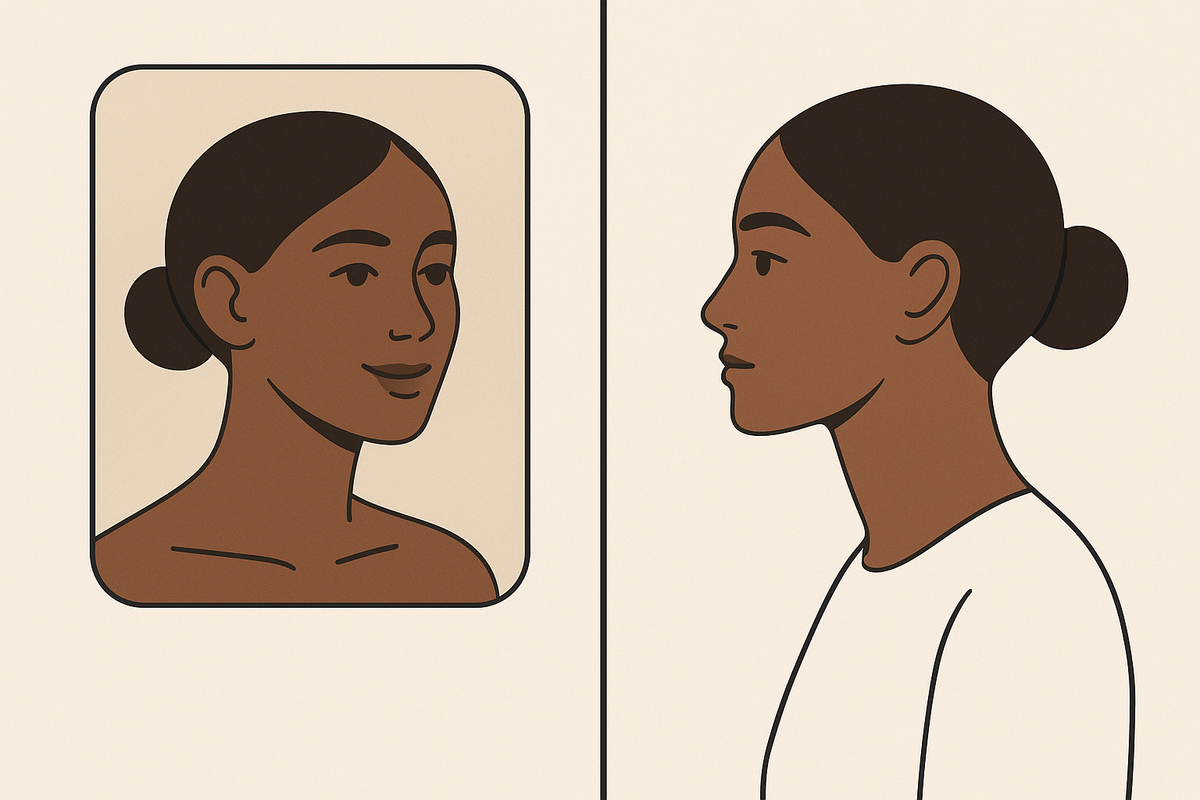
In contrast, how others see you is their subjective evaluation based on their own interactions, observations, and social filters. These external viewpoints can differ markedly from your self-image. For example, others might perceive your quietness in social settings as aloofness, while you view it as thoughtful reserve. Recognizing this distinction helps uncover perception gaps that can affect relationships and social success.
Related Terms and Intent Variants
- Reputation: The collective perception people have about you over time, often influenced by your consistent behaviors and social roles.
- Social perception: The process by which observers form impressions and make inferences about others, incorporating verbal and nonverbal cues.
- Self-perception: How you perceive your own traits and behaviors, which might be biased by your emotions or intentions.
Recognizing these distinctions is the foundational step in uncovering the sometimes surprising differences between your self-view and others’ perception, setting the stage for meaningful self-improvement.
Section 2: The Psychology of Self-Image vs. How Others See You
Why Perception Gaps Exist
Understanding why people see you differently than you see yourself involves exploring several psychological mechanisms:
- Bias: Everyone has cognitive biases that shape perception. For instance, the self-enhancement bias causes many people to view themselves more positively than others do, emphasizing strengths and downplaying weaknesses. Conversely, the impostor syndrome can lead to underestimating one’s abilities. Observers also carry biases; for example, a coworker might view you through the lens of their own expectations or stereotypes.
- Projection: Sometimes, individuals project their own feelings or insecurities onto others, skewing their perceptions. For example, a person who feels insecure about their social skills might interpret your reserved behavior as judgmental, even if that’s not your intent.
- Social Context: Your behavior is interpreted differently depending on the social situation and the observer’s background. An action perceived as assertive in one culture might be seen as aggressive in another. Similarly, what comes across as confident in a peer group might feel intimidating in a professional setting.
Self-Awareness and Blind Spots
Blind spots are aspects of your personality or behavior that you are unaware of but others notice. These can be strengths or weaknesses. For example, you might consider yourself a confident speaker, but friends may perceive you as awkward due to subtle body language cues such as avoiding eye contact or fidgeting. Conversely, a habit you consider annoying might go completely unnoticed by others, or a quality you undervalue may be seen as a strength.
Blind spots persist because self-awareness has natural limits. Psychological models like the Johari Window illustrate this: the area of your behavior known to others but unknown to you represents your blind spots. Expanding self-awareness involves intentionally seeking external perspectives and reflecting on discrepancies.
Impact of First Impressions Psychology
First impressions are formed rapidly—often within milliseconds—and can disproportionately influence how others see you long-term, a phenomenon known as the primacy effect. People tend to rely on initial information and adjust their judgments less as new data emerges. This underlines the importance of managing your first impressions effectively.
For example, studies show that eye contact and facial expressions within the first few seconds of meeting someone contribute significantly to whether they perceive you as trustworthy or competent. Appearance, posture, and handshake firmness also play critical roles.
Understanding the psychology behind these initial judgments can help you align your self-image with how others perceive you. For a deeper dive, check out our detailed post on First Impressions Psychology: Bridging the Gap Between Self-Image and How Others See You.
Section 3: Signs Your Perception Differs from Others'
Recognizing Discrepancies in Feedback
If you often find that people’s reactions surprise you or conflict with how you see yourself, it’s a key indicator of a perception gap. Some signs include:
- Receiving unexpected criticism or praise, such as being told you come across as impatient when you consider yourself patient.
- Noticing others’ body language doesn’t match their words, for example, a friend saying "I'm fine" while avoiding eye contact or crossing arms defensively.
- Friends hesitating to give feedback or appearing uncomfortable, which might indicate they want to protect your feelings rather than be fully candid.
Common Areas of Misalignment
People often misjudge traits like:
- Confidence vs. awkwardness: Nervous habits such as fidgeting, speaking quickly, or avoiding eye contact might be perceived as lack of confidence, even if you feel self-assured internally.
- Friendliness vs. aloofness: Introverted behavior such as quietness or limited small talk may be misread as unfriendliness or disinterest.
- Competence vs. uncertainty: Nonverbal cues like hesitation, lack of assertiveness, or over-apologizing may signal doubts about abilities, sometimes inaccurately.
How Friends’ Opinions Differ from Self-Perception
Friends provide a unique viewpoint because they know you well but also observe your behavior from an external perspective. Their feedback often blends knowledge of your intentions with observable actions. Sometimes, what your friends think of you contrasts sharply with your own self-image. For instance, you might view yourself as humorous and outgoing, but friends might perceive you as sarcastic or distant.
Blindspot helps uncover these differences through anonymous friend quizzes, revealing surprising blind spots by aggregating multiple perspectives. This approach reduces social desirability bias, where people alter feedback to be more socially acceptable. Learn more in How Friends See You vs. Self-Perception: The Surprising Truth.
Section 4: How to Get Honest and Anonymous Feedback from Friends
The Importance of Honest Feedback
Honest feedback is crucial to understanding how others see you and closing the gap between self-image and external perception. However, asking friends directly can be challenging because people often want to avoid hurting your feelings, leading to sugar-coated or evasive responses.
Without honest feedback, blind spots remain hidden, and misconceptions persist. This can stunt personal growth and damage relationships over time. Therefore, creating a safe environment for candid feedback is essential.
Strategies for Eliciting Honest Feedback
- Choose the right time and place: Private, relaxed settings encourage openness. Avoid moments when friends are stressed or distracted.
- Ask specific questions: Instead of broad inquiries like "What do you think of me?", ask focused questions such as "How do I come across when I’m upset?" or "What’s one thing I could improve in our conversations?" This directs attention and yields actionable insights.
- Express appreciation and openness: Show that you value their honesty and won’t react negatively. Phrases like "I appreciate your candor and want to grow" can set a positive tone.
- Follow up: After receiving feedback, ask clarifying questions to fully understand their perspective.
Leveraging Anonymous Feedback Tools
Anonymous feedback removes social pressure and allows friends to share their true thoughts without fear of awkwardness or judgment. The Blindspot app specializes in this by letting friends answer questions anonymously about you, providing clearer insights that might otherwise remain unspoken.
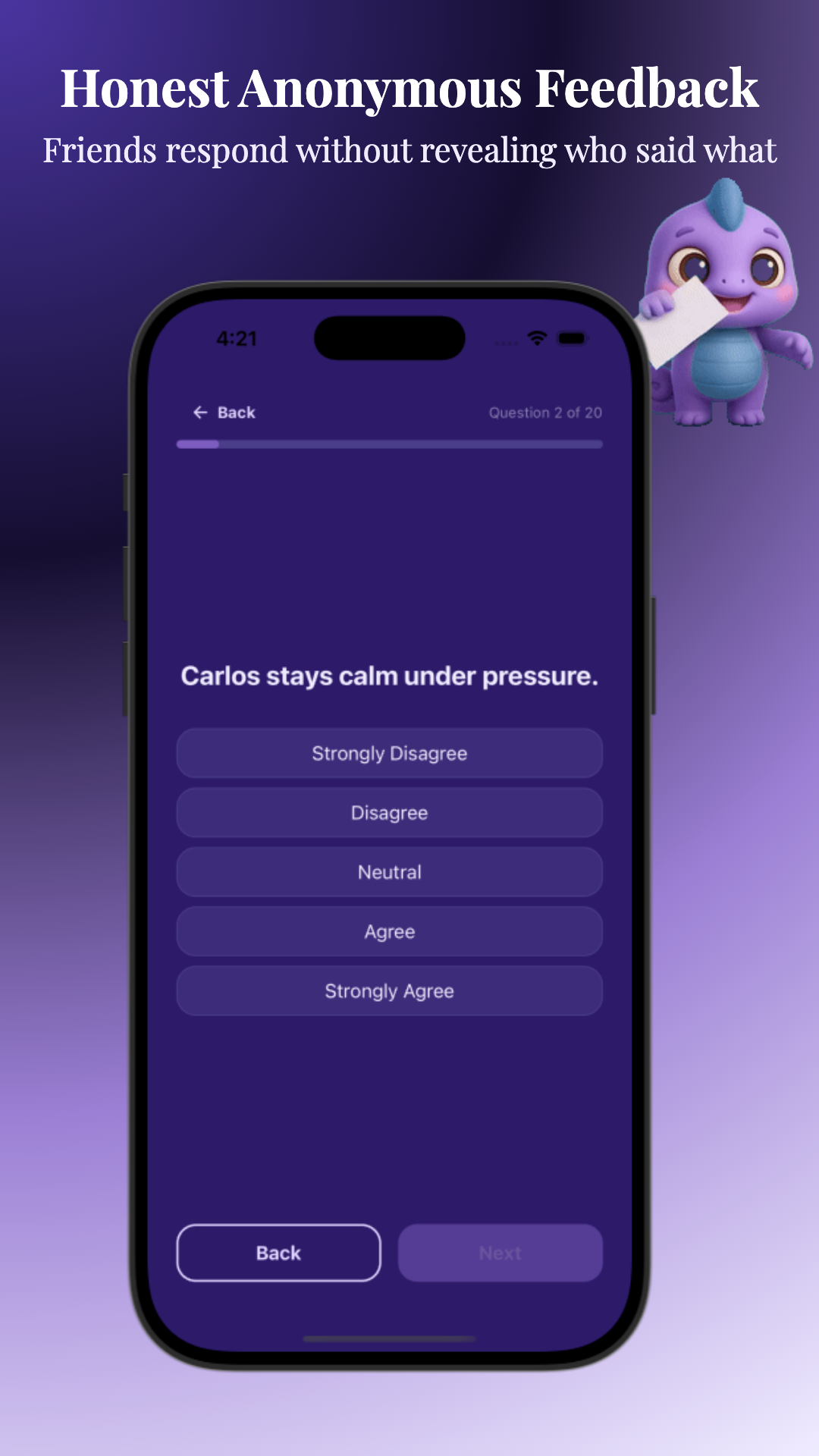
Using tools like Blindspot, you can gather honest anonymous feedback effectively at scale, collecting diverse opinions from different social groups. This approach helps identify consistent themes and outliers, giving a richer understanding of your social image.
For practical tips, see our guide on How to Get Honest Feedback from Friends: A Practical Guide.
Section 5: Communication Habits That Shape Social Perception
Nonverbal Communication and Body Language
Your body language plays a powerful role in how others perceive you, often conveying messages more strongly than words. Key nonverbal cues include:
- Eye contact: Maintaining steady eye contact generally indicates confidence, sincerity, and engagement. However, too intense or prolonged eye contact can feel aggressive, so balance is key.
- Posture: An open, relaxed posture (uncrossed arms, feet planted) suggests approachability and openness. Slouching or closed postures may communicate disinterest or insecurity.
- Facial expressions: Smiling fosters warmth and trust, but forced or insincere smiles might be detected subconsciously and reduce credibility.
- Gestures: Controlled hand movements can emphasize points and demonstrate enthusiasm. Excessive fidgeting or repetitive gestures may signal nervousness.
- Proximity and personal space: Respecting others' personal space affects comfort levels; standing too close or too far away can influence perception.
Tone of Voice and Speaking Habits
How you say something often matters more than what you say. Factors influencing perception include:
- Pitch and volume: A steady, moderate pitch and volume convey confidence and clarity. Speaking too softly may be perceived as uncertainty, while excessive loudness can seem domineering.
- Speech pace: Speaking at a moderate pace allows others to follow and absorb your message. Rapid speech might indicate nervousness; very slow speech can reduce engagement.
- Pauses and filler words: Thoughtful pauses enhance emphasis and give listeners time to process. Overusing filler words like "um" or "like" can undermine credibility.
- Expressiveness and enthusiasm: Varied intonation and genuine enthusiasm make communication engaging and memorable.
Consistency Between Words and Actions
People quickly notice when your verbal messages don’t align with your nonverbal behavior, which can damage trust and alter perception. For example, saying you’re open to feedback but dismissing suggestions or showing impatience sends mixed signals.
Consistency builds credibility. If you express enthusiasm about a project but your body language is closed off or distracted, others may doubt your commitment. Aligning words, tone, and body language creates a coherent and authentic impression.
Improving these communication habits can significantly enhance how others see you in social, dating, and workplace scenarios, contributing to better relationships and outcomes.
Section 6: Tools and Strategies to Improve Your Self-Awareness
Personality Tests and Self-Reflection
Personality assessments provide structured frameworks to understand yourself and highlight areas where your self-perception may differ from others’ views. Two widely used tools include:
- Johari Window: A model that categorizes traits into four quadrants: open (known to self and others), blind spots (unknown to self, known to others), hidden (known to self, unknown to others), and unknown (unknown to both). Completing Johari Window exercises with friends helps reveal blind spots.
- Big Five Personality Traits: Measures five broad dimensions—Openness, Conscientiousness, Extraversion, Agreeableness, and Neuroticism. Comparing your self-assessment to how others rate you can uncover discrepancies. For a comprehensive understanding of these frameworks, explore our Personality Types: The Complete Guide to MBTI, Big Five, and Self-Discovery.
These tools encourage reflection and provide language to discuss personality and behavior, facilitating growth.
Journaling and Self-Monitoring
Regular journaling helps you track your thoughts, feelings, and behaviors over time, promoting deeper self-awareness. Effective journaling strategies include:
- Documenting daily social interactions and your perceptions of them.
- Noting times when feedback from others surprised you or aligned with your expectations.
- Reflecting on emotional responses and possible triggers in social settings.
- Identifying recurring patterns in communication, behavior, or reactions.
Over weeks and months, this practice reveals trends and blind spots, allowing you to set targeted goals.
360-Degree Feedback
This method involves gathering feedback from multiple sources—friends, family, coworkers, supervisors—to form a comprehensive and balanced view of your social image. It is especially valuable in workplace environments where diverse perspectives highlight different facets of your behavior.
The Blindspot app facilitates this by collecting anonymous input from your trusted circle. It then integrates AI-driven analysis to identify patterns, strengths, and blind spots, providing personalized insights that help interpret the often complex feedback.
Explore how Blindspot’s personalized growth plans can guide you through this process: Blindspot.
Section 7: Closing the Gap: Enhancing Your Social and Workplace Impressions
Understanding Why Perception Gaps Happen
Perception gaps often arise due to multiple interrelated factors:
- Contextual differences: Behavior may be perceived differently in work versus social settings. For example, a direct communication style appreciated at work might seem blunt or rude in personal contexts.
- Personal biases: Both yours and others’ biases influence interpretation. For instance, confirmation bias leads people to notice behaviors that confirm their existing beliefs about you, while ignoring contradictory evidence.
- Communication mismatches: Nonverbal cues or tone that contradict your intended message can confuse observers. An enthusiastic statement delivered with a flat tone may be interpreted as sarcasm or disinterest.
Recognizing these causes helps you approach social interactions with more empathy and adaptability, tailoring your behaviors for different audiences and situations.
Practical Steps to Improve Your Impression
- Solicit and reflect on honest feedback regularly, using both direct conversations and anonymous tools.
- Practice active listening and empathy in conversations—show genuine interest and validate others’ perspectives.
- Enhance nonverbal signals—maintain appropriate eye contact, smile authentically, and use open gestures to convey approachability.
- Align verbal and nonverbal communication for consistency, ensuring your words match your tone and body language.
- Use self-awareness tools like journaling and personality assessments to track growth and adjust behaviors over time.
- Role-play or rehearse challenging social or workplace interactions to build confidence and refine your style.
Leveraging Blindspot for Ongoing Growth
Blindspot helps you identify discrepancies between how you see yourself and how others see you through its anonymous friend feedback quizzes and AI-powered insights. It offers personalized plans to help you close perception gaps, improve first impressions, and build stronger relationships.
By regularly engaging with Blindspot’s feedback loops, you create a habit of continuous self-improvement and social attunement. This process not only enhances how others perceive you but also deepens your self-understanding, resilience, and interpersonal effectiveness.
Check out our detailed guide on How to Ask for Feedback: Closing the Gap Between Self-Image and How Others See You to take your self-awareness journey further.
Conclusion
Understanding how others see you is a vital part of personal growth and social success. The gap between your self-image and others’ perceptions is shaped by psychological biases, communication styles, and social contexts. By seeking honest and, when possible, anonymous feedback from friends and colleagues, you can uncover your blind spots and develop a more accurate, balanced self-view.
Tools like personality tests, journaling, and especially the Blindspot app empower you to gather meaningful insights and make lasting improvements in how you present yourself in every setting. Embracing this process with openness and curiosity leads to stronger relationships, better first impressions, and greater self-confidence.
Ready to discover your blind spots? Visit Blindspot to begin your journey today.
FAQ
Q: How do I know how others see me?
A: You can gain insight by asking for honest feedback from friends, family, or coworkers. Using anonymous feedback tools like Blindspot helps others share candid opinions, revealing how your behavior and traits are perceived. Additionally, paying attention to nonverbal cues and social reactions around you can provide clues.
Q: Why do people see me differently than I see myself?
A: Perception gaps occur due to cognitive biases, social context differences, and communication mismatches. Your self-image may emphasize intentions and internal experiences, while others focus on observable behaviors and nonverbal cues. Awareness of these differences helps bridge the gap.
Q: How can I find out what people think of me?
A: The best approach is to ask directly in a way that encourages honesty, or use anonymous feedback methods. Apps like Blindspot provide structured anonymous surveys to friends that uncover genuine perceptions, minimizing social discomfort and bias.
Q: What makes people perceive someone as confident or awkward?
A: Confidence is often signaled through steady eye contact, relaxed posture, clear tone, and controlled gestures. Awkwardness may be perceived through fidgeting, lack of eye contact, inconsistent verbal and nonverbal signals, or incongruence between words and body language.
Q: Can personality tests tell me how others see me?
A: Personality tests offer a framework for self-understanding but only fully reveal how others see you when combined with external feedback. Integrating personality assessments with feedback tools like Blindspot provides a fuller, more actionable picture.
Q: How do I improve how others perceive me?
A: Improve by seeking honest feedback, refining your communication habits, aligning your verbal and nonverbal signals, and using self-awareness tools to track growth. Consistent effort and openness to change lead to more positive and authentic social impressions.