Understanding Your Friendships: Signs, Dynamics, and Deeper Insight
Master understanding your friendships: spot signs of good and bad friends, decode group dynamics, and discover what your friends reveal about you.

Estimated reading time: 12 min
Key Takeaways
- Recognize the signs of good and bad friends to cultivate healthy relationships.
- Understand friend group dynamics and your role within social circles.
- Learn communication skills to deepen friendships and foster trust.
- Discover how friendships evolve and how to navigate changes positively.
- Use insights from friends to enhance self-awareness and personal growth.
Table of Contents
- Section 1: What Healthy and Unhealthy Friendships Look Like
- Section 2: Recognizing Signs of Good and Bad Friends
- Section 3: Navigating Friend Group Dynamics and Your Role
- Section 4: Communication Skills for Stronger Friendships
- Section 5: Deepening Friendships Through Meaningful Connection
- Section 6: How Friendships Change Over Time and Why
- Conclusion
- FAQ
Section 1: What Healthy and Unhealthy Friendships Look Like
Defining a Healthy Friendship
Understanding your friendships starts with recognizing what makes a relationship supportive and nourishing. Healthy friendships are built on mutual respect, trust, and empathy. Both friends feel comfortable being themselves without fear of judgment or rejection.
Key characteristics include:
- Supportiveness: Friends encourage each other’s growth and stand by one another during challenges. For example, a friend who checks in during stressful times or celebrates your achievements exemplifies this quality.
- Balanced give-and-take: Both parties invest effort in maintaining the connection. This means that if you’re always initiating plans or emotional conversations, the balance may be off.
- Open communication: Honest conversations are welcomed and conflicts addressed constructively. Healthy friends use respectful dialogue to resolve misunderstandings rather than avoiding difficult topics.
Identifying Unhealthy or Toxic Friendships
Conversely, unhealthy friendships often involve imbalance, disrespect, or emotional drain. Signs include:
- One-sidedness: One friend consistently gives more while the other takes without reciprocation. For example, if you’re the only one offering support, plans, or emotional labor, this is a red flag.
- Lack of trust: Secrets are shared without consent or important conversations are avoided. You might feel wary about confiding in this friend or notice they gossip about you.
- Manipulation or criticism: Friends belittle or control one another, damaging self-esteem. This might look like passive-aggressive comments, undermining your decisions, or pressuring you to act against your values.
Being able to distinguish these traits empowers you to invest your energy in relationships that truly benefit your well-being.
Feeling Like Yourself Around Friends
A critical indicator of a healthy friendship is whether you can be authentic. If you feel pressured to act differently, hide parts of yourself, or constantly monitor your behavior, the friendship may be limiting your self-expression.
Trusting that your friends accept you as you are creates a safe space for vulnerability and genuine connection. For instance, a true friend will appreciate your quirks and flaws rather than expect you to conform to an ideal.
Consider journaling or reflecting on your feelings after interactions to gauge how the friendship affects your sense of self. Consistently feeling exhausted, anxious, or less confident may indicate toxicity.
Section 2: Recognizing Signs of Good and Bad Friends
Top Signs of a Good Friend
Recognizing a good friend goes beyond surface-level traits. Here are essential signs:
- Reliability: They keep promises and show up when needed. For example, if they say they’ll be there for an important event, they follow through consistently.
- Active listening: They listen attentively and remember what you share, recalling details about your life without needing reminders.
- Empathy and understanding: They try to see things from your perspective, validating your feelings even if they don’t fully agree.
- Encouragement: They celebrate your successes without jealousy and motivate you during setbacks.
- Respect for boundaries: They honor your limits and personal space, such as not pressuring you to talk about topics you’re uncomfortable with.
For a detailed exploration, see 10 Signs of a Good Friend.
Warning Signs of a Bad Friend
Friends who consistently hurt or disappoint can impact your emotional health. Beware of these signs:
- Self-centeredness: They dominate conversations and rarely ask about you, making interactions feel one-sided.
- Unreliability: They cancel plans frequently, fail to check in on you, or aren’t present during difficult times.
- Dishonesty or gossip: They spread rumors or withhold important truths, which can erode trust.
- Lack of support: They dismiss your feelings or achievements, perhaps by minimizing your struggles or ignoring milestones.
- Jealousy and competition: They undermine your confidence instead of uplifting you, such as making backhanded compliments or competing for attention.
Learn to spot these patterns in 10 Telling Signs of a Bad Friend.
Signs of Balanced vs. One-Sided Friendships
Balanced friendships feel reciprocal and energizing. You both initiate contact, share experiences equally, and check in regularly. One-sided friendships leave you feeling drained or taken for granted.
- Ask yourself: Do I feel valued? Am I the only one reaching out? Do my concerns get acknowledged?
- Healthy friendships adapt to life changes; one-sided ones often stagnate or deteriorate. For instance, a balanced friendship may adjust meeting frequency after a friend moves cities, but still maintain emotional closeness.
- Notice emotional energy after interactions — if you often feel exhausted or anxious after engaging, this may point to imbalance.
Section 3: Navigating Friend Group Dynamics and Your Role
Understanding Friend Group Dynamics
Friend groups have their own social patterns and roles that affect how individuals relate. Dynamics can include:
- Leadership roles: Some friends naturally take charge or mediate conflicts. This can be an important stabilizing force but may also cause tension if leadership is contested.
- Cliques and subgroups: Smaller circles may form within larger groups based on interests or history, such as a sports team within a college friend group.
- Trust networks: Certain friends share deeper confidences and influence group cohesion, often acting as emotional hubs or gatekeepers.
Being aware of these dynamics helps you understand your place and how to contribute positively. For example, noticing if you’re more a mediator or a social connector allows you to support group harmony effectively.
Group dynamics also shift over time, influenced by life transitions like graduating, changing jobs, or moving, which can reshape these roles.
Finding Your Role in the Group
Your role might be the listener, the planner, the humorist, or the peacemaker. Recognizing this allows you to leverage your strengths and build stronger bonds.
- Reflect on how you interact with the group and what others expect from you. For example, if you’re often organizing events or smoothing tensions, you’re likely the planner or peacemaker.
- Adapt your approach to support others and foster inclusivity, such as inviting quieter members to participate or bridging gaps between subgroups.
- Balance group involvement with individual friendships to maintain depth. Sometimes group friendships can feel surface-level; investing time in one-on-one connections nurtures authenticity.
Managing Complex Group Emotions and Conflicts
Friend groups can face tension from misunderstandings or competing loyalties. Effective strategies include:
- Encouraging open dialogue rather than gossip. For example, if a conflict arises, suggest a calm group conversation to clear the air.
- Setting boundaries around divisive topics, such as politics or past grievances, to maintain peace.
- Being mindful of your words and actions’ impact on group harmony, avoiding taking sides impulsively or fueling drama.
For a more comprehensive look, visit Friend Group Dynamics: Understanding Roles, Trust, and Growth.
Section 4: Communication Skills for Stronger Friendships
Active Listening and Empathy
Good communication is foundational for understanding your friendships. Active listening means fully focusing on your friend’s words without interrupting or planning your response prematurely.
- Show empathy by validating their feelings and asking clarifying questions like, “That sounds really tough; how did that make you feel?”
- Use body language like eye contact and nodding to demonstrate attention, and mirror their tone and expressions to build rapport.
- Practice reflecting back what you hear to confirm understanding, e.g., “So you’re saying that you felt left out when that happened?”
Opening Up and Vulnerability
Sharing your own experiences and emotions fosters intimacy. Vulnerability builds trust when done gradually and reciprocally.
- Start with smaller disclosures, such as mentioning a stressful workday, before sharing deeper fears or insecurities.
- Express feelings using “I” statements to avoid blame, for example, “I felt hurt when plans changed last minute,” rather than “You always cancel.”
- Observe your friend’s reactions to gauge comfort and safety, and respect their boundaries if they’re not ready to reciprocate.
Checking In Regularly
Maintaining friendships requires consistent effort. Checking in can be as simple as:
- Sending a message to ask how they’re doing, especially during important life events or after noticing changes in mood.
- Planning meetups or phone calls to share time and experiences, even if brief.
- Following up after important events in their life, such as exams, job interviews, or family matters, to show you remember and care.
Regular check-ins show you care and help catch issues before they escalate. Learn more in How to Be a Better Friend.
Section 5: Deepening Friendships Through Meaningful Connection
Using Thoughtful Questions
Meaningful conversations deepen bonds. Asking open-ended questions invites your friend to share their thoughts and feelings.
- Examples include: “What’s something you’re proud of lately?” or “How do you handle stress?” These invite reflection and sharing beyond small talk.
- Questions about memories, such as “What’s your favorite childhood memory?” or future goals like “Where do you see yourself in five years?” create shared understanding and excitement.
- Tailor questions to your friend’s interests and experiences to show genuine curiosity.
Explore a curated list at 25 Insightful Questions to Ask Your Friends About Yourself.
Building Shared Memories
Experiences forge bonds stronger than words alone. Engage in activities you both enjoy, such as:
- Hobbies, sports, or creative projects like cooking together, hiking, or collaborating on art.
- Travel or exploring new places together, which can create moments of excitement and growth.
- Celebrating milestones or traditions, such as birthdays, holidays, or annual events, that build a sense of continuity.
These shared moments create a history that enhances trust and belonging, often providing stories and inside jokes that deepen connection.
Leveraging Feedback for Self-Awareness
Friends’ perceptions reveal blind spots in how you see yourself. Using tools like Blindspot allows you to gather anonymous insights to understand discrepancies and grow.
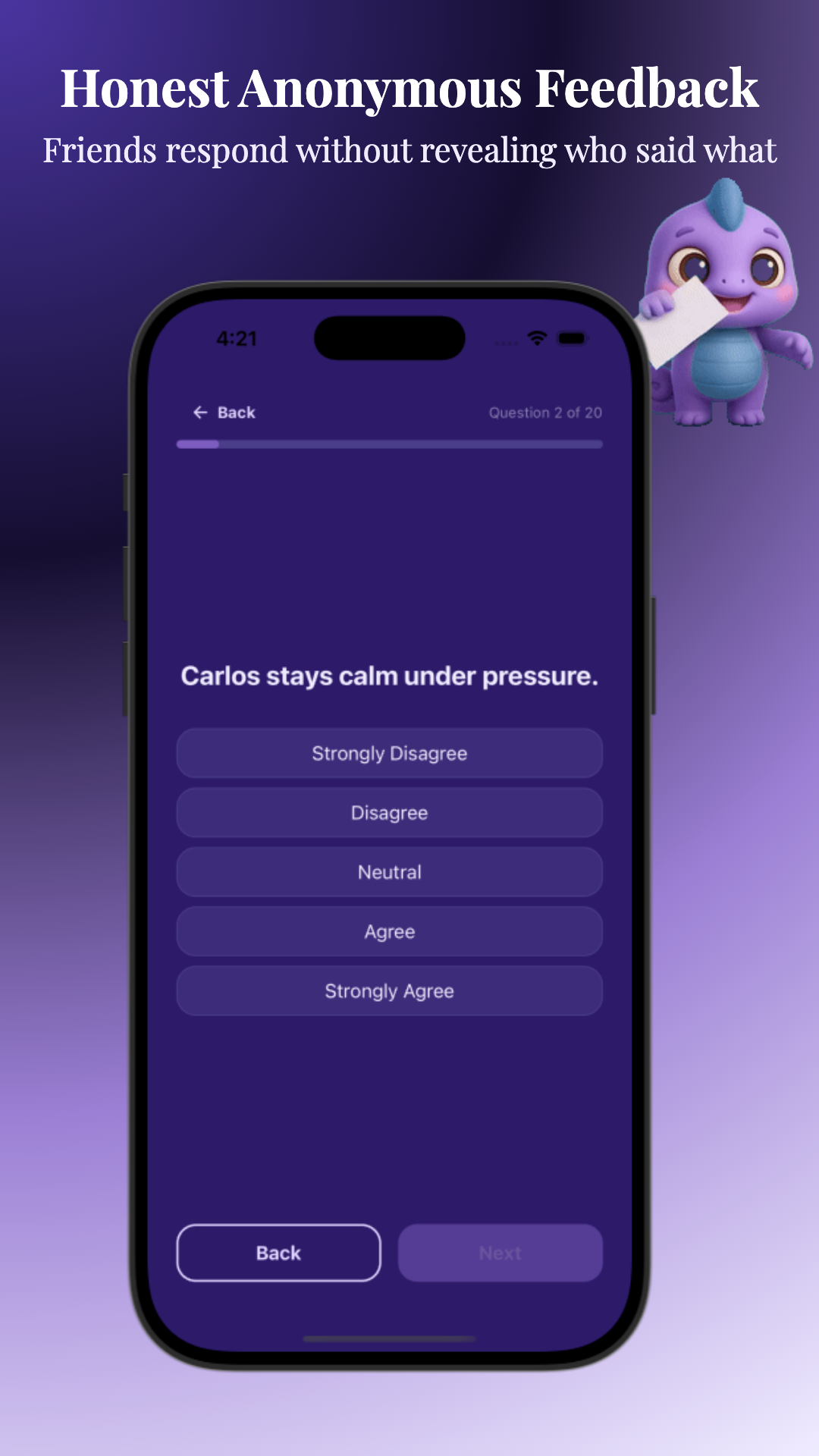
Reflecting on what your friends say can help you improve communication, empathy, and authenticity. For example, if multiple friends mention you come across as distant, it might prompt you to open up more.
It’s important to approach feedback with openness and without defensiveness. Consider journaling reactions and identifying specific behaviors you can adapt.
For more on this, visit What Your Friends Say About You: The Ultimate Guide.
Section 6: How Friendships Change Over Time and Why
The Natural Evolution of Friendships
Friendships often shift as people grow, change priorities, or move to different life stages. This evolution is normal and can be positive if navigated mindfully.
- Changes in interests or values may lead to drifting apart from some friends. For instance, a friend who pursues a new career or lifestyle might naturally connect less over old hobbies.
- New friendships can form that better fit your current self, such as meeting colleagues or neighbors who share your evolving interests.
- Longstanding friends may adjust how often you connect but still provide deep support; quality often matters more than quantity.
Understanding that friendships are fluid helps reduce anxiety about changes and encourages embracing growth.
Handling Conflict, Distance, and Changing Expectations
Disagreements or life circumstances like relocation can strain friendships. Strategies to manage these challenges include:
- Openly discussing feelings and expectations to clear misunderstandings. For example, expressing that you miss regular chats but understand busy schedules fosters empathy.
- Setting realistic boundaries around time and availability, such as agreeing to monthly calls rather than weekly meetups when schedules are tight.
- Using technology or planned visits to maintain connection despite distance, like video calls, shared playlists, or sending care packages.
Understanding these dynamics prevents misunderstandings and fosters resilience. Flexibility and patience are key to sustaining long-term friendships through change.
Choosing Friends Intentionally
Not all friendships deserve equal investment. Being intentional means prioritizing relationships that align with your values and support your growth.
- Reflect on why you have few or many friends and what qualities matter most to you, such as kindness, reliability, or shared interests.
- Seek friendships that challenge you positively and offer mutual respect, encouraging you to be your best self.
- Consider quality over quantity to build a supportive social circle. It’s better to have a few close friends than many superficial ones.
- Regularly evaluate your friendships by asking if they lift you up, provide comfort, and inspire growth.
For insight on this topic, check out Why Do I Have Few Friends? Understanding Friendship Dynamics & Self-Awareness.
Conclusion
Understanding your friendships is a powerful step toward richer, more fulfilling relationships and greater self-awareness. By recognizing the signs of good and bad friends, appreciating group dynamics, honing communication skills, and embracing how friendships evolve, you can cultivate connections that truly nourish your life.
Leveraging insights from friends, including anonymous feedback through apps like Blindspot, helps illuminate blind spots in self-perception and guides meaningful personal growth. Embrace intentionality in choosing and nurturing friendships, and watch your social world thrive.
FAQ
Q: How do I know if a friendship is healthy?
A: Healthy friendships are characterized by mutual respect, trust, balanced effort, and open communication. You feel comfortable being yourself and both friends support each other's growth.
Q: What are the signs of a one-sided friendship?
A: One-sided friendships often involve imbalance where one person consistently gives more time, energy, or support without reciprocation. You may feel drained or undervalued.
Q: How do you deepen a friendship emotionally?
A: Deepening friendships involves active listening, sharing vulnerabilities, asking meaningful questions, and creating shared experiences that build trust and connection.
Q: How do friendships change over time?
A: Friendships naturally evolve due to life changes, shifting priorities, and personal growth. Some friendships may become less frequent but still meaningful, while others may fade or transform.
Q: What makes a good friend?
A: A good friend is reliable, empathetic, supportive, respectful of boundaries, and encourages your personal growth with genuine care.
Q: How do you check in on a friendship?
A: Checking in involves regularly reaching out through messages, calls, or meetups to show care, ask about your friend's well-being, and maintain connection.