
Friend Group Dynamics: Understanding Roles, Trust, and Growth
Discover friend group dynamics, common roles, communication patterns, signs of good and bad friends, and how to build healthier, more self-aware friendships.

Estimated reading time: 14 min
Key Takeaways
- Friend group dynamics shape your self-image, belonging, and happiness.
- Common roles include leader, mediator, joker, caretaker, and more.
- Healthy groups foster trust, open communication, and adaptive boundaries.
- Conflict, exclusion, and shifting power can cause breakdowns or growth.
- Self-awareness tools like Blindspot and honest feedback help you navigate and improve group dynamics.
Table of Contents
- Section 1: What Are Friend Group Dynamics?
- Section 2: Common Roles in Friend Groups
- Section 3: Power, Status, and Communication Patterns
- Section 4: Conflict, Gossip, and Breakdowns in Trust
- Section 5: Group Changes—From Duos to Trios and Beyond
- Section 6: Building Healthy Group Dynamics and Self-Awareness
- Conclusion
- FAQ
Section 1: What Are Friend Group Dynamics?
Understanding Group Dynamics
Friend group dynamics refer to the invisible patterns, roles, and behaviors that emerge when three or more people form a social unit. Unlike one-on-one friendships, groups develop their own set of rules, pecking orders, and expectations. These dynamics influence who feels included, who gets heard, and how trust (or mistrust) spreads.
In practice, group dynamics are shaped by both explicit agreements (like a recurring group chat or weekly meetups) and implicit rules, such as who is "allowed" to invite new members, or which topics are off-limits. These patterns may be so ingrained you don't notice them until they're disrupted. For example, if a normally quiet member suddenly leads a conversation, group reactions can reveal hidden expectations about "how things are done."
Research in social psychology shows that even loose friend groups develop norms within weeks. For instance, if someone is consistently late or misses group plans, the group may start to exclude them from future invitations—sometimes without ever discussing it directly.
Why Group Dynamics Matter
Your friend group shapes your sense of belonging, self-esteem, and even your identity. What your friends say about you—directly or indirectly—can boost your confidence or trigger self-doubt. Strong, healthy group dynamics are tied to signs of a good friend: honesty, loyalty, empathy, and support. Toxic dynamics, on the other hand, often breed isolation and anxiety, leading you to wonder, "Why do I have few friends?"
For example, if you’re in a group that routinely celebrates each member’s achievements, you’re more likely to feel valued and confident. Conversely, if your group makes fun of your interests or ignores your input, it can erode your self-worth over time. This ripple effect can extend beyond the group itself, influencing how you relate to others and approach new relationships.
Group dynamics also impact your willingness to be vulnerable. If you sense judgment or cliques forming, you may hold back, preventing authentic connection. Over time, this can lead to a lack of trust and a feeling of "walking on eggshells" even with people you call friends.
How Dynamics Emerge
- Shared history: Inside jokes, memories, and rituals bond the group. For instance, a group that always celebrates birthdays in a unique way creates traditions that strengthen ties and set expectations for inclusion.
- Roles and status: Who organizes, who mediates, who jokes. Over time, these roles can become default—even if someone wants to change how they're seen.
- Communication: Text chains, group chats, and who is most active. Sometimes, a single active member can dominate the narrative, while quieter voices go unheard.
- Boundaries: How open the group is to new members or ideas. Some groups welcome newcomers and fresh perspectives; others are more closed, resisting change or new dynamics.
Understanding these patterns is the first step to being a better friend—and spotting signs of bad friends or unhealthy dynamics before they cause harm. For example, noticing that your group always cancels plans when a certain member suggests them is a clue to underlying issues, even if no one addresses it directly.
Section 2: Common Roles in Friend Groups
Leader, Mediator, Joker, and More
Every group, from tight-knit trios to sprawling circles, develops unspoken roles that guide interactions. These aren't always formal, but you probably recognize them:
- The Leader: Organizes plans, sets the tone, often the group spokesperson. Leaders may coordinate logistics (like booking restaurants or group trips) and are usually the first to reach out if the group hasn't connected in a while.
- The Mediator: Resolves conflicts, keeps the peace, listens to all sides. Mediators are often approached confidentially when tensions arise and may help diffuse arguments before they escalate.
- The Joker: Lightens the mood, uses humor to bond or deflect tension. While this role can be a source of joy, it sometimes masks deeper feelings or becomes a defense mechanism.
- The Listener: Offers empathy, is a confidante but may struggle to assert needs. Listeners often know everyone’s secrets but might feel overlooked during group decisions.
- The Caretaker: Checks in, remembers birthdays, ensures everyone's okay. Caretakers are the emotional glue, frequently reaching out after hard times or organizing get-well cards and support.
Some groups also have the adventurer (who pushes the group to try new things), critic (who challenges groupthink or voices unpopular opinions), or outsider—those who push boundaries, question norms, or sit on the social fringe. Roles can be subtle; for example, the "memory keeper" who documents every outing, or the "planner" who researches venues but doesn't want to lead.
You might fill different roles in different groups, or shift roles as the group changes. For instance, you may be the leader in one friend circle but the joker in another, depending on group needs, personalities, and your own comfort.
Why Roles Matter
- They provide predictability and comfort, allowing members to rely on each other’s strengths. Knowing who will always organize, who will mediate, or who will keep things light helps the group function smoothly.
- But rigid roles can stifle growth and cause resentment. For example, the caretaker may feel taken for granted, or the joker may feel trapped in a role that prevents vulnerability.
- Feedback from friends often reveals if your role matches your self-perception. If you think of yourself as supportive but friends see you as distant, it can be eye-opening.
Ever wondered how friends shape your self-image? The roles you’re cast in can reinforce strengths—or highlight your blind spots, especially if you’re the group’s perpetual punchline or problem-solver. For example, someone always labeled "the smart one" may feel pressure to give advice, even when they just want to have fun.
Role Shifts and Group Health
Healthy groups let members grow out of old roles and try new ones. This flexibility is crucial for long-term satisfaction. For example, if the leader wants to step back, someone else can try organizing. Or the joker might open up about serious struggles and be met with support, not just laughter.
Unhealthy dynamics trap people, making it hard to express needs or set boundaries. If feedback isn’t welcomed, or if attempts to change roles are met with resistance, resentment can build. Over time, rigid roles may cause members to drift away or feel invisible.
Knowing your group's roles helps you understand both the signs of a good friend (supportive, flexible, encouraging) and signs of a bad friend (controlling, dismissive, undermining). For example, a "gatekeeper" who decides who belongs can make others feel excluded, while a flexible leader encourages participation and growth.
Section 3: Power, Status, and Communication Patterns
Power and Dominance in Groups
Every friend group has a power balance, whether overt (who makes decisions) or subtle (who gets ignored). Status can shift over time, especially as people gain confidence, resources, or new outside friends.
- Dominant voices: Often set group norms, but can silence others. For instance, if one or two people always choose what the group does, others may stop offering suggestions.
- Silent members: May feel excluded, left out of plans, or hesitant to speak up. Sometimes, silence is misinterpreted as agreement, when in reality, it could signal discomfort or disengagement.
- Status: Sometimes based on charisma, humor, or external popularity. A member who is admired outside the group may hold more sway, influencing opinions and group identity.
Who holds the "center" of your group? Are decisions made together, or does one person always get their way? These questions reveal much about your group's health. If the same person’s preferences always win out, others may feel their voices don’t matter. Power can also manifest in subtle ways—like who gets the most attention when speaking, or whose jokes are laughed at the loudest.
Status can shift, too. For example, if a group member lands a prestigious job or forms a romantic relationship, their standing in the group may change. Sometimes, this creates admiration; other times, jealousy or distance.
Communication Patterns
Pay attention to who talks to whom and how:
- Are there subgroups or cliques within the main group? For example, do two members always hang out separately, making others feel like outsiders?
- Do some friends always talk outside the main chat? Side conversations can strengthen bonds but also breed suspicion if they're secretive or exclusive.
- Is everyone informed about plans, or do some get left out? Exclusion—even if unintentional—can be deeply hurtful.
How your group communicates—frequency, transparency, inclusivity—often mirrors trust levels. Frequent exclusion or "inside jokes" not shared with everyone are warning signs. Over time, these patterns can lead to fractures, misunderstandings, or members feeling undervalued.
For example, in a group chat, if only two members dominate the conversation, others may disengage. Or, if plans are made in person and not shared online, someone might feel deliberately left out, even if it was accidental.
What Your Friends Say About You
The pattern of feedback you receive (or don't receive) in a group reveals your perceived status and role. For instance, if you’re routinely praised for being supportive, you might be the group’s "listener." If you’re teased about being unreliable, this may reflect a larger perception you’re not aware of.
Anonymous feedback tools like Blindspot let you see what your friends say about you without social pressure, helping you spot blind spots and group perceptions you might otherwise miss. For example, you might discover that your humor is appreciated, but sometimes comes across as dismissive—or that your "helpful" advice is sometimes seen as overwhelming.
In larger groups, such feedback can clarify whether a dynamic is isolated or shared. If several members mention the same strength or concern, it’s likely a significant part of your group identity.
Section 4: Conflict, Gossip, and Breakdowns in Trust
Common Sources of Conflict
Even in strong friend groups, conflicts are inevitable. How you handle them determines whether the group grows stronger or falls apart. Common triggers include:
- Miscommunication: Texts or jokes misinterpreted, especially in group chats. Tone is easily lost in digital communication, leading to unintended offense or confusion.
- Unequal effort: One person always planning, another never reciprocating. Over time, the "giver" may feel taken for granted, while the "taker" may not even realize there's an imbalance.
- Changing alliances: Subgroups form, leaving others isolated. This often happens when members have more in common outside the group, or when disagreements create lasting rifts.
Other common sources include jealousy (over new friendships, partners, or achievements), competition (for attention or approval), and differences in values or priorities. Sometimes, conflicts emerge from outside pressures, such as stress at work or school, which members unknowingly bring into the group dynamic.
Gossip and Silent Treatment
When direct communication breaks down, gossip and silent treatment often take over. These are classic signs of bad friends—undermining trust and creating a toxic environment. If issues are discussed outside the group (but not addressed head-on), resentment builds.
- Gossip: Spreads misinformation, erodes trust, and creates anxiety. For example, if two members speculate about a third's absence instead of asking directly, rumors can take root and damage relationships.
- Silent treatment: Punishes without explanation, making repair harder. The person being frozen out may not even know what they did wrong, leading to confusion and deeper hurt.
These behaviors often escalate: gossip can turn minor misunderstandings into major rifts, while the silent treatment can prolong conflicts that might otherwise be resolved quickly.
Repairing and Rebuilding Trust
Healthy groups address conflict openly, apologize when wrong, and allow space for growth. Strategies include:
- One-on-one check-ins before group confrontations. This can prevent defensiveness and clarify misunderstandings before they spread.
- Using "I feel" statements instead of accusations. For example, "I felt left out when I wasn't invited" is less likely to provoke defensiveness than "You always exclude me."
- Agreeing on group norms for communication and inclusion. Setting expectations—like "let’s keep everyone in the loop"—can prevent future misunderstandings.
Want practical steps? See our guide on getting honest feedback from friends for strategies that build trust and diffuse drama. For example, scheduling periodic "state of the group" check-ins can help surface issues before they become unmanageable.
Sometimes, outside help may be needed. In deeply fractured groups, neutral third parties or structured feedback tools can provide a safer space for honest dialogue. The key is to focus on understanding, not blame, and to remember that healthy conflict is a sign of growth—not failure.
Section 5: Group Changes—From Duos to Trios and Beyond
Expanding the Group: The Newcomer Effect
Adding a new member to an established duo or group often triggers "storming"—a stage of awkwardness, shifting alliances, and sometimes jealousy. The classic question, "Why do friend groups fall apart when a new person joins?" is rooted in these disruptions:
- Old roles challenged: The joker may feel replaced, the leader’s authority tested. For example, if the new member is more outgoing or influential, established members may struggle to adjust.
- Inclusion struggles: One person may feel left out—especially in trios, where two may bond more closely. Trios are especially prone to "third wheel" dynamics, with alliances shifting depending on context or shared interests.
- Communication strains: More voices can mean more misunderstandings. Scheduling, decision-making, and in-jokes may need to be renegotiated to accommodate everyone.
This is why, in trios, it's common for someone to feel like a "third wheel." When groups expand, old dynamics are tested, and new boundaries must be negotiated. Sometimes, long-standing members fear losing their place or relevance within the group.
It’s important to note that not all group expansions fail—some become richer, more diverse, and resilient. The key is conscious inclusion and flexibility. For example, making a point to invite the newcomer to smaller hangouts, or rotating who organizes events, can ease transitions.
Tuckman's Stages of Group Development
- Forming: Group comes together, everyone is polite. Members are eager to be accepted and avoid conflict, often hiding their true preferences.
- Storming: Conflict emerges, roles are contested. Members test boundaries, challenge leadership, and negotiate status. This is often the most uncomfortable phase—but also the most crucial for long-term cohesion.
- Norming: Group establishes norms, roles settle. Members appreciate each other's strengths and develop trust. Group rituals and inside jokes often emerge here.
- Performing: The group operates smoothly. Members communicate openly, share responsibilities, and support one another’s growth.
Whenever someone joins or leaves, the group may cycle through these stages again. Recognizing this helps set realistic expectations and encourages patience. If you feel tension after a new member joins, it’s likely a normal part of the adjustment process—not necessarily a sign the group is doomed.
For more complex friend networks, such as overlapping circles or shifting alliances, these cycles may be ongoing. It’s helpful to periodically check in about how everyone is feeling, especially after big changes or major events (like graduations, moves, or job changes).
When to Step Back
Persistent exclusion, belittling, or emotional exhaustion are signs of a bad friend or toxic group. If your needs aren't met, it's healthy to seek new connections or focus on one-on-one bonds. For example, if you repeatedly feel drained after group interactions or find yourself dreading meetups, it may be time to reevaluate your involvement.
Explore the concept of blind spots to understand why you might overlook group red flags. Sometimes, loyalty or fear of being alone keeps us in unhealthy groups longer than we should stay. Tools like Blindspot can help you clarify whether issues are isolated or systemic, and whether change is possible.
Ultimately, it’s okay for group memberships to change over time. People grow, priorities shift, and sometimes the healthiest choice is to wish the group well and move forward.
Section 6: Building Healthy Group Dynamics and Self-Awareness
Signs of a Good Friend and Healthy Group
- Mutual respect: Members value each other’s opinions and boundaries. For example, plans are made with everyone’s input, and differing preferences are acknowledged (not mocked or dismissed).
- Open communication: Concerns are raised directly, not via gossip. Members feel safe to express hurt feelings or confusion without fear of backlash.
- Support in tough times: Members check in and show empathy. If someone is struggling, others reach out and offer help—whether it’s a listening ear or practical support.
- Flexibility: Roles can change, and everyone gets a chance to lead or support. For instance, if the usual organizer is busy, someone else steps up.
If you notice these signs, you're likely in a healthy group. If not, it may be time to reflect on how to be a better friend—and how to encourage others to do the same.
Other indicators of healthy dynamics include celebrating each member’s successes, checking in after disagreements, and making space for new ideas or perspectives. Members are able to disagree without fear of exclusion, and apologies are given and accepted as needed.
Strategies for Stronger Friend Groups
- Regular one-on-one check-ins: Prevents issues from festering. Personal conversations can reveal concerns or feelings that might be lost in group settings.
- Group reflection sessions: Review what’s working, what’s not. For example, set aside time every few months to discuss how the group is feeling and address any recurring issues.
- Anonymous feedback tools: Use apps like Blindspot to safely surface blind spots and growth areas. Members can answer questions about each other’s strengths and areas for improvement, without fear of judgment.
- Celebrating milestones: Recognize group achievements, not just individual ones. This could mean commemorating anniversaries, shared goals (like completing a group project), or overcoming challenges together.
Using tools like the Johari Window Test or blind spot quizzes can help you uncover how you’re perceived versus how you see yourself. These exercises often reveal surprising strengths (like being a calming presence) or areas where you might not realize you’re coming across as distant or intense.
For example, after a Blindspot session, a group might realize that several members feel unheard during large gatherings, prompting a shift to smaller, more inclusive meetups. Or, the group might discover shared values that can guide future decisions.
Growing with Feedback and Self-Discovery
Apps like Blindspot let your friends answer questions about you—anonymously—revealing the gap between your self-image and your group’s perspective. This can be eye-opening, especially if you struggle with the question, "Why do I have few friends?" Self-discovery tools, combined with honest conversations, help you:
- Spot areas for growth. For example, you might learn that friends wish you’d share more about yourself, or that your feedback is valued but sometimes too blunt.
- Break out of unhelpful roles. If you’re always the caretaker, feedback might encourage you to ask for support, not just give it.
- Strengthen weak bonds. If you notice patterns of exclusion, you can take steps to reach out directly or address misunderstandings.
These insights don’t just benefit you—they can transform the entire group dynamic. When members are open to feedback, the group becomes more resilient, adaptable, and satisfying for everyone involved.
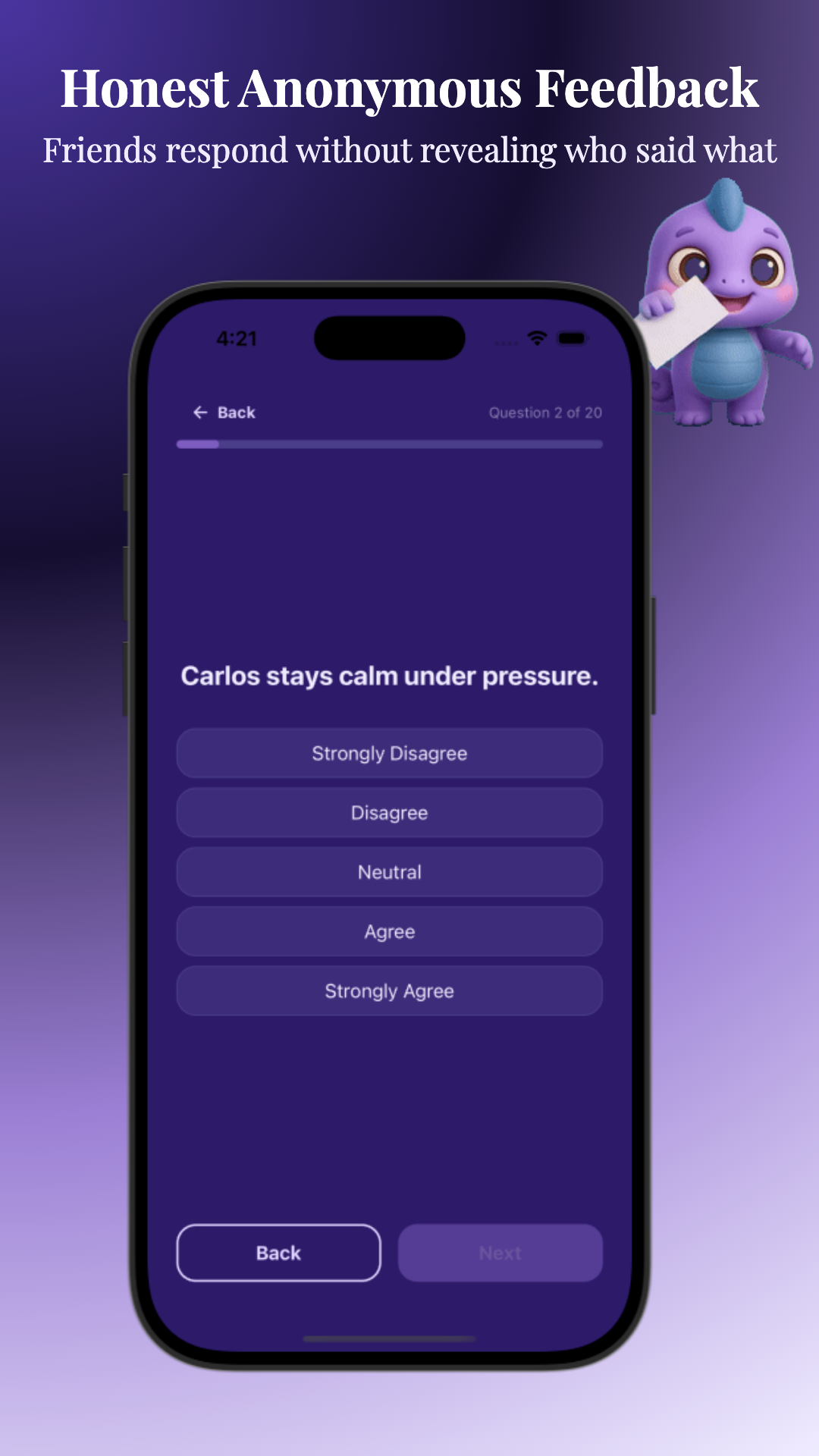
To start your own journey, try the Blindspot app and see what your friends really think. You might be surprised by their insights—and inspired to become a better friend yourself.
Conclusion
Friend group dynamics are the heartbeat of your social life. They determine who you trust, how you grow, and what you learn about yourself—sometimes showing you strengths and flaws you never noticed. By understanding roles, power, communication, and the natural cycles of group change, you can build stronger, more supportive friendships. Tools like Blindspot and regular honest feedback are invaluable for navigating blind spots, repairing rifts, and staying resilient as your group evolves. Remember: healthy dynamics don’t just happen—they’re built, nurtured, and renewed as you and your friends change together.
FAQ
Q: What are friend group dynamics?
A: Friend group dynamics are the patterns of interaction, roles, and unspoken rules that develop when friends interact as a group. They influence inclusion, communication, decision-making, and how trust is built or broken.
Q: Why do friend groups fall apart when a new person joins?
A: Adding a new member disrupts established roles and comfort zones. Old alliances may shift, jealousy can arise, and the group may need to renegotiate boundaries. Adaptability and open communication help groups integrate newcomers successfully.
Q: What roles do people usually play in a friend group?
A: Common roles include leader, mediator, joker, caretaker, listener, and sometimes outsider or critic. People may shift roles over time, depending on group needs and individual growth.
Q: How do you deal with drama or conflict in a friend group?
A: Address issues directly, use "I feel" statements, and encourage open dialogue. Avoid gossip and silent treatment. Check in one-on-one and use feedback tools to surface hidden concerns.
Q: Why does one person get left out in a trio friend group?
A: In trios, two members may form a closer bond, unintentionally excluding the third. This dynamic is common and requires conscious effort to ensure everyone feels included in conversations and plans.
Q: How can you keep a friend group strong as people change over time?
A: Prioritize open communication, flexibility in roles, and regular check-ins. Use self-awareness tools and deeper insight into your friendships like Blindspot to understand changing needs and perceptions, and celebrate group milestones together.