How Friends Shape Our Self-Image: The Hidden Impact
Discover how friends shape our self-image, the psychology behind it, and how apps like Blindspot help reveal your blind spots for true self-awareness.

Estimated reading time: 6 min
Key Takeaways
- Friends profoundly influence how we see ourselves, often more than we realize.
- Feedback from peers highlights blind spots and hidden strengths.
- Understanding these dynamics can boost self-awareness and personal growth.
- Tools like Blindspot and the Johari Window enhance your self-discovery journey.
Table of Contents
- Section 1: The Psychology of Self-Image
- Section 2: The Power of Peer Perception
- Section 3: Blind Spots—What We Miss About Ourselves
- Section 4: Tools for Self-Discovery—Bridging the Gap
- Conclusion
- FAQ
Section 1: The Psychology of Self-Image
How Friends Influence Our Self-Perception
Our self-image is not formed in isolation. From childhood, the way friends and peers treat us—through encouragement, criticism, or even indifference—shapes our beliefs about who we are. This influence continues into adulthood, often affecting our confidence, choices, and mental health.
- Positive feedback from friends can boost self-esteem and motivation.
- Critical or negative input may reveal areas for growth or, at times, undermine self-worth.
- Consistent patterns of feedback tend to reinforce our self-concept over time.
Social Mirrors and Self-Reflection
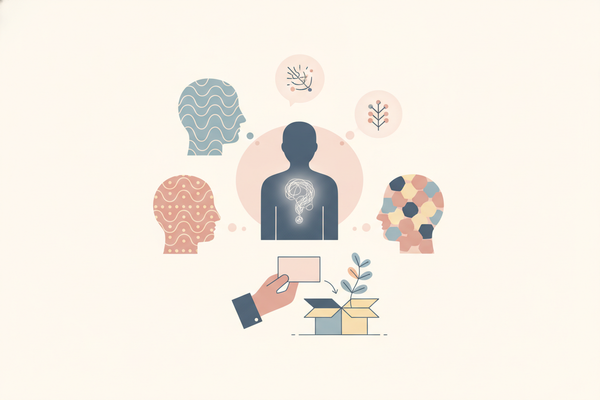
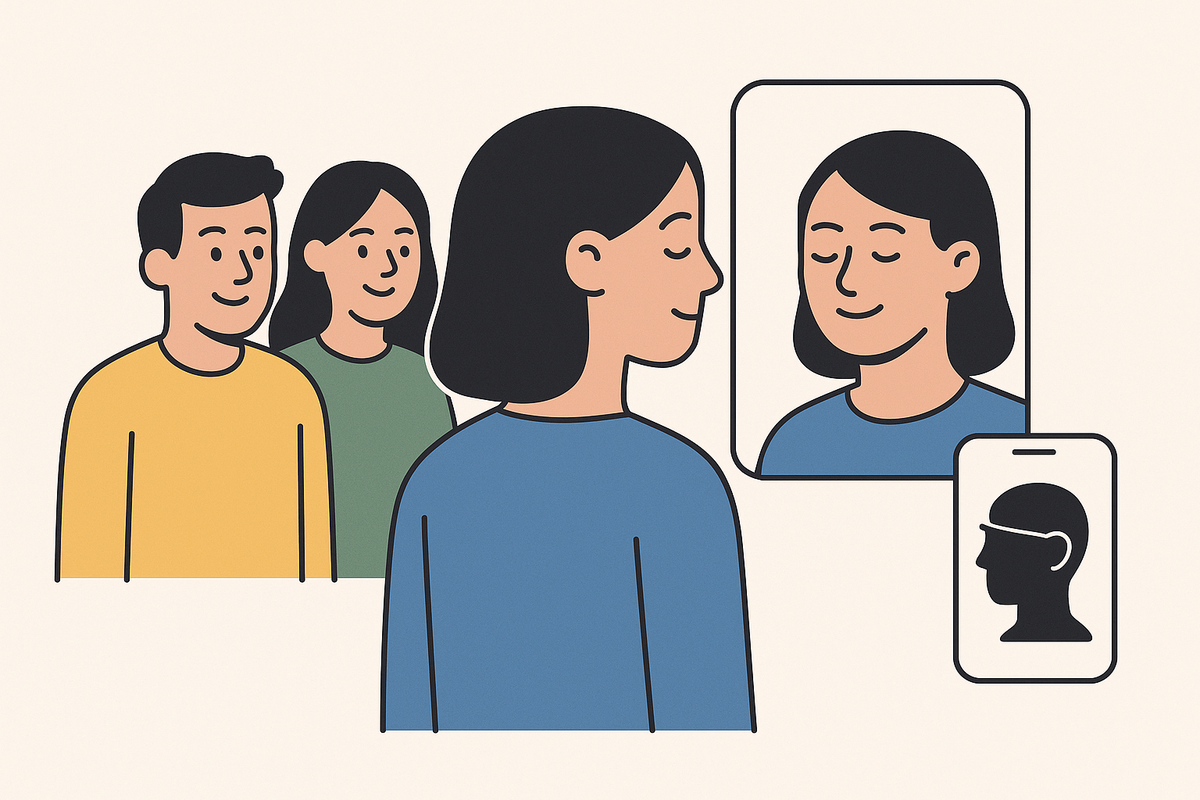
Friends act as social mirrors, reflecting traits and behaviors we might overlook. The more diverse your circle, the richer and more nuanced the feedback you receive. This dynamic is central to the concept of how friends shape our self-image.
Section 2: The Power of Peer Perception
Why Peer Feedback Matters
Peer perception isn’t just anecdotal—it’s supported by psychology research. Studies show that our identity is partly constructed by how others see us. This process, called "reflected appraisal," means that the opinions of friends can become an integral part of our self-identity.
- Feedback loops—regular input from friends can reinforce or challenge self-beliefs.
- Social comparison—we naturally compare ourselves to those around us, influencing our self-evaluation.
Case in Point: Honest Conversations
Think about a time a friend pointed out a quality in you—positive or negative—that surprised you. These moments often stick with us, prompting self-reflection and, sometimes, change. Structured tools can make these insights more accessible and actionable. For a deeper dive, check out the Johari Window Test: A Powerful Tool for Self-Discovery, which explores how feedback reveals aspects of ourselves we might miss.
Section 3: Blind Spots—What We Miss About Ourselves
The Gap Between Self-View and Social View
We all have blind spots—traits or behaviors evident to others but hidden from ourselves. This gap can limit self-awareness and growth. Understanding how friends shape our self-image means recognizing these blind spots and being open to change.
- Unknown strengths—friends may see potential we overlook.
- Hidden weaknesses—peers can gently point out areas for improvement.
Bringing Blind Spots to Light
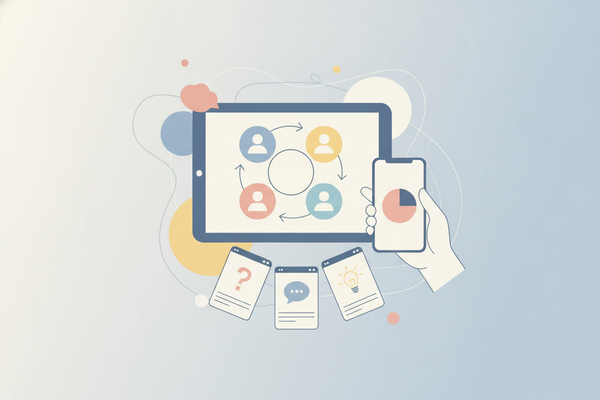
Bridging the gap requires honest feedback in a safe, supportive environment. Apps like Blindspot make this process easier, allowing friends to answer questions about you anonymously. This anonymity encourages candor and reveals genuine insights you might otherwise never hear.
For another practical approach, the What My Friends Think of Me Quiz offers a fun, interactive way to uncover the blind spots in your self-image.
Section 4: Tools for Self-Discovery—Bridging the Gap
Using Technology for Honest Feedback
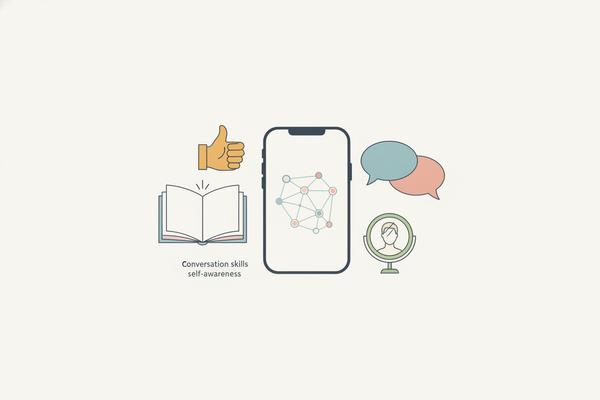
Modern self-discovery tools are designed to make the process of gathering feedback simple and insightful. Blindspot leverages AI to analyze discrepancies between how you see yourself and how your friends see you, offering actionable tips for growth.
- Anonymity encourages honesty among friends, leading to more meaningful feedback.
- AI-driven insights help you understand recurring themes and actionable steps.
- Gamified questions make self-exploration engaging and low-pressure.
Complementary Approaches
In addition to apps, reflection exercises and structured frameworks like the Johari Window Questionnaire can further deepen your understanding. Explore the Johari Window Questionnaire to enhance your journey toward self-awareness.
Building Self-Awareness Through Community
Ultimately, self-image is a social construct. By proactively seeking and embracing feedback, you can uncover blind spots, amplify your strengths, and unlock new opportunities for personal development. Let your friends help you see the full picture.
Conclusion
How friends shape our self-image isn’t just a matter of opinion—it’s a powerful force backed by psychology and lived experience. Peer feedback, when sought and embraced, uncovers blind spots and hidden strengths that drive true self-awareness. Harness tools like Blindspot to reveal your full potential and grow alongside the people who know you best.
FAQ
Q: Why is feedback from friends so impactful on self-image?
A: Friends provide external perspectives that can validate, challenge, or expand your self-view, helping you spot blind spots and untapped strengths.
Q: How can I get honest feedback without awkwardness?
A: Anonymous tools like Blindspot enable friends to share genuine feedback comfortably, increasing honesty and insight.
Q: Are there structured ways to explore self-image with friends?
A: Yes. Frameworks like the Johari Window and quizzes designed for peer input help organize and interpret feedback for personal growth.
Q: What’s the first step to using peer feedback for self-development?
A: Start by inviting a few trusted friends to share their observations, either in person or through an app designed for anonymous feedback.