Personality Blindspots: Closing the Perception Gap for True Self-Awareness
Discover personality blindspots and perception gaps. Learn to identify hidden traits, improve relationships, and grow with actionable insights.

Estimated reading time: 15 min
Key Takeaways
- Personality blindspots are hidden aspects of ourselves that create perception gaps between self-view and how others see us, often leading to misunderstandings and missed growth opportunities.
- Common blindspots include overused strengths, emotional reactions, and communication pitfalls that affect personal relationships, workplace dynamics, and leadership efficacy.
- Feedback from friends, colleagues, and tools like personality blindspot quizzes help reveal these blindspots by providing candid, often anonymous perspectives.
- Self-reflection prompts combined with behavioral awareness are essential to uncover and gradually reduce blindspots, enabling more authentic interactions.
- Using practical steps and apps like Blindspot enables continuous growth, offering structured insights and AI-driven recommendations to close perception gaps effectively.
Table of Contents
- Section 1: Understanding Personality Blindspots and Perception Gaps
- Section 2: Common Personality Blindspots You Might Not See
- Section 3: How Blindspots Impact Relationships and Communication
- Section 4: Identifying Your Blindspots Through Feedback
- Section 5: Self-Reflection Prompts to Uncover Core Blindspots
- Section 6: Blindspots in the Workplace and Leadership Challenges
- Section 7: Turning Strengths Into Blindspots: Pros and Cons
- Section 8: Practical Steps to Reduce Personality Blindspots
- Conclusion
- FAQ
Section 1: Understanding Personality Blindspots and Perception Gaps
Defining Personality Blindspots
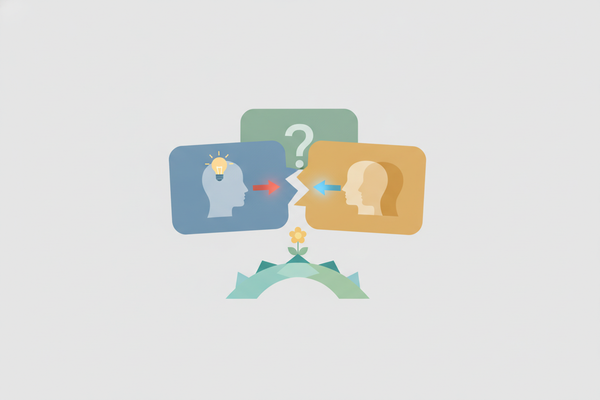
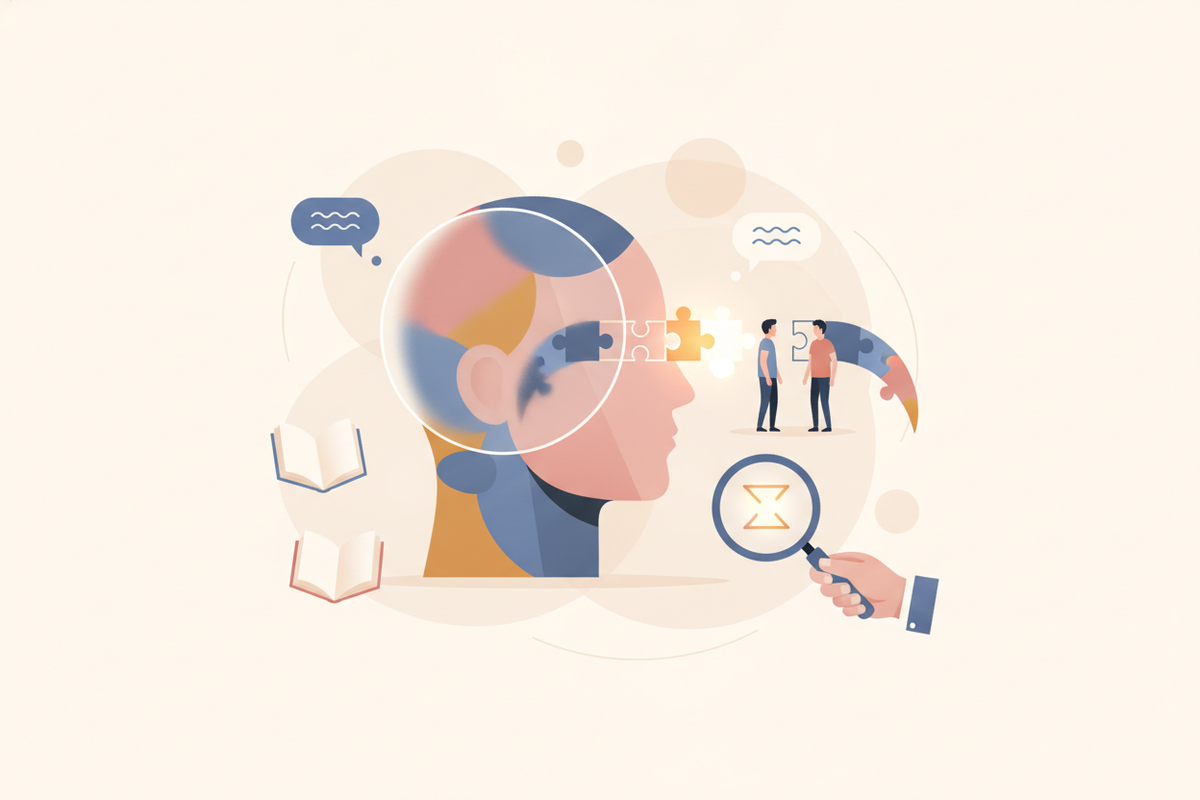
Personality blindspots refer to aspects of our character, behavior, or emotional responses that we fail to recognize ourselves but are evident to others. These blindspots create a perceived gap — the difference between how we see ourselves and how our friends, family, or colleagues perceive us. Unlike general self-awareness blindspots, which may relate to habits or cognitive biases, personality blindspots focus specifically on traits and behavioral patterns that influence our interpersonal interactions. For a deeper understanding, see Understanding Your Friendships: Signs, Dynamics, and Deeper Insight.
For example, you might consider yourself a calm and patient person, but others may observe moments of impatience or frustration that you do not consciously register. These discrepancies are not just minor misunderstandings; they can accumulate and affect how effectively you communicate, collaborate, and build trust. This is why understanding how others see you is essential for closing these gaps.
Distinguishing Personality Blindspots from General Blindspots
While all blindspots involve some lack of awareness, personality blindspots are more nuanced because they reveal hidden facets of our identity. General blindspots might include simple oversights such as forgetting deadlines or making unconscious cognitive errors like confirmation bias. In contrast, personality blindspots involve persistent patterns in behavior or attitude that shape how you interact with others.
To illustrate, you may believe you are very approachable and easy-going, but your colleagues might sense an emotional distance or reluctance to share personal opinions. This gap can cause misalignment in teamwork or social situations, as others may hesitate to engage fully with you.
Why Perception Gaps Matter
Perception gaps are crucial for self-development. Recognizing these gaps helps dismantle inaccurate self-perceptions, enabling more authentic connections and better decision-making. Without awareness of these blindspots, we risk reinforcing unproductive patterns or misinterpreting others’ reactions.
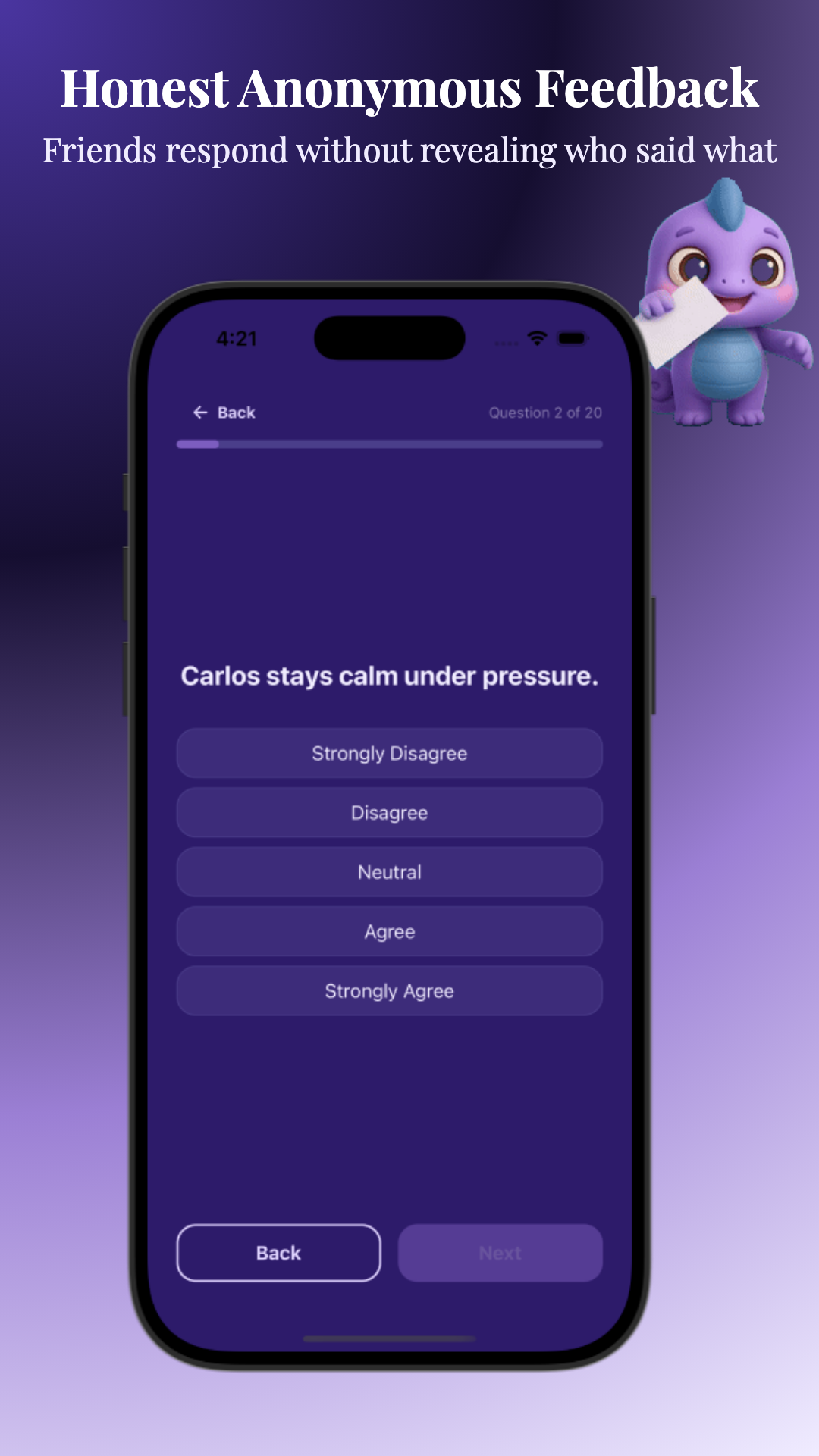
Tools like the Blindspot app help reveal these discrepancies by gathering anonymous feedback from your social circle, making hidden personality blindspots visible. This approach allows for a clearer understanding of how your behavior affects others, creating opportunities to adjust and improve those interactions.
Moreover, understanding perception gaps can reduce interpersonal conflicts and enhance empathy by illuminating why others respond to us in certain ways. This insight is foundational for personal growth, emotional intelligence, and relationship building.
Section 2: Common Personality Blindspots You Might Not See
Overconfidence and Its Hidden Costs
Confidence is a valuable trait, but when overused, it can blind you to your limitations or alienate others. People who overestimate their abilities may miss critical feedback or dismiss others’ ideas, resulting in strained relationships or poor decisions. For instance, an overconfident manager might push forward a project without adequately considering team concerns, leading to avoidable errors or burnout.
Research in organizational psychology indicates that overconfidence can lead to a phenomenon called the "planning fallacy," where individuals underestimate the time or resources required for tasks. This blindspot can cause frustration among team members and damage credibility.
Emotional Reactivity and Stress Responses
Many individuals do not realize how their emotional reactions—like defensiveness, impatience, or withdrawal—impact others. Under stress or criticism, these reactions become blindspots that hinder effective communication and damage trust. For example, if you respond to feedback with defensiveness rather than curiosity, colleagues may hesitate to offer constructive input in the future.
Emotional reactivity can also manifest as abrupt tone changes or nonverbal signals such as crossed arms or avoidance of eye contact, which others interpret as hostility or disinterest, even if you feel calm internally. Being unaware of these signals creates a perception gap that undermines collaboration.
Communication Style Blindspots
- Dominating conversations: Thinking you are assertive, but others perceive you as overbearing. For example, frequently interrupting or steering discussions without inviting others’ input can alienate team members or friends.
- Passive communication: Believing you are agreeable while suppressing true feelings, causing misunderstandings. This may lead others to misread your silence as indifference or lack of commitment.
- Nonverbal cues: Unaware of negative body language or tone that contradicts your intended message. Examples include avoiding eye contact, fidgeting, or a flat vocal tone that signals disinterest.
Understanding these communication blindspots requires careful observation and feedback, as they can significantly influence how your messages are received and interpreted.
Responsibility and Micromanagement
People with a strong sense of responsibility may unintentionally micromanage or fail to delegate, perceiving themselves as reliable but viewed by peers as controlling or distrustful. This blindspot can stifle team autonomy and creativity, and lead to burnout both for the individual and their colleagues.
For instance, a team leader who insists on reviewing every minor detail may frustrate members who desire autonomy, decreasing motivation and engagement. Recognizing this blindspot involves balancing diligence with trust and empowerment.
Section 3: How Blindspots Impact Relationships and Communication
Creating Conflict Through Misperceptions
Personality blindspots often cause friction because the way you express yourself doesn’t match how others interpret your intentions. For example, a direct communication style might be seen as rude or insensitive, even if you intend to be clear and efficient. On the other hand, a reserved person’s quietness might be misinterpreted as disinterest or aloofness.
Such misperceptions can escalate quickly if not addressed, leading to unnecessary conflicts or breakdowns in communication. This phenomenon is especially common in cross-cultural settings, where norms around expression and assertiveness vary widely.
Undermining Trust and Connection
When blindspots persist, they erode trust. If you are unaware that your actions are perceived as unreliable or dismissive, others may withdraw or become less open, widening the perception gap. For example, consistently missing deadlines but believing you are dependable damages credibility and relationships.
Trust is built through consistent, transparent behavior that aligns with others’ expectations. Blindspots that cause unintentional breaches of this trust can be difficult to repair without intentional effort and awareness.
Lost Opportunities for Collaboration
Blindspots limit your ability to understand others’ perspectives, which is essential for teamwork and leadership. Misaligned views can lead to missed insights and innovation. For example, a leader unaware of their passive-aggressive tendencies might create an environment where team members hesitate to share candid ideas.
Moreover, blindspots can perpetuate echo chambers where only certain viewpoints are heard, limiting creativity and problem-solving. Awareness and active management of these blindspots open channels for diverse collaboration.
Examples in Daily Interactions
- Interrupting others, thinking you’re engaged, but others feel unheard. This can cause resentment and reduce the quality of conversations.
- Appearing disinterested due to distracted body language, despite genuine intent. For example, frequently checking your phone during meetings signals disengagement.
- Responding defensively to feedback, closing off open dialogue and stalling personal development.
Recognizing these subtle behaviors is the first step in improving relational dynamics and fostering mutual respect.
Section 4: Identifying Your Blindspots Through Feedback
The Role of Honest Feedback in Revealing Blindspots
Feedback from others is indispensable for uncovering personality blindspots. Since these are traits we cannot fully observe ourselves, trusted friends, coworkers, or mentors provide perspectives that can highlight discrepancies. However, receiving feedback requires openness and a willingness to listen without immediate defensiveness.
Research shows that people tend to filter or reject feedback that conflicts with their self-image, which can maintain blindspots. Actively cultivating a mindset that values growth over ego is key to benefiting from feedback.
Using Anonymous Perception Gap Quizzes
Anonymous feedback tools such as the personality blindspot perception gap quiz allow others to share candid insights without fear of conflict. This method reduces bias and elicits honest, constructive observations, which are often more accurate than face-to-face feedback.
For example, a study on 360-degree feedback programs found that anonymity encourages more truthful sharing, particularly about sensitive topics like emotional reactivity or communication style.
Choosing the Right People for Feedback
- Diverse perspectives: Include friends, family, colleagues, and mentors for a holistic view. Different contexts reveal different blindspots.
- Trustworthiness: Select individuals who will provide honest and thoughtful feedback, not just affirmations.
- Regular feedback: Make it an ongoing practice to track changes over time, rather than a one-off event.
For example, checking in quarterly with a mix of professional and personal contacts provides a dynamic, evolving picture of your blindspots and progress. For more on how to ask for feedback effectively, see How to Ask for Feedback: Closing the Gap Between Self-Image and How Others See You.
Section 5: Self-Reflection Prompts to Uncover Core Blindspots
Why Self-Reflection Is Crucial
While feedback is essential, internal reflection helps process insights and identify blindspots rooted in our core personality traits. Combining external feedback with introspection leads to deeper awareness. Reflection allows you to connect feedback with specific events, emotions, and behavioral patterns. For more on personality traits and self-discovery, see Cognitive Biases About Yourself: The Ultimate Guide to Self-Perception & Personality.
Moreover, self-reflection fosters metacognition—the ability to think about your own thinking—which supports intentional behavioral change. For a comprehensive overview of personality frameworks that aid self-discovery, check out Personality Types: The Complete Guide to MBTI, Big Five, and Self-Discovery.
Effective Self-Reflection Prompts
- How do I typically react to criticism or conflict? Do I notice patterns like defensiveness, withdrawal, or aggression?
- What traits do I believe define me, and how might others see them differently? For example, do I view myself as patient when others perceive impatience?
- Have I noticed recurring themes in feedback about my behavior? What do these patterns suggest about my blindspots?
- When do I feel misunderstood or disconnected in relationships? What behaviors or words preceded those moments?
- What are my strongest traits, and could any be overused to a fault? How might I balance them better?
Journaling and Tracking Progress
Writing down your reflections regularly helps identify patterns and track growth over time. Apps like Blindspot also assist by visualizing perception gaps and offering AI-driven insights to guide your development. For example, the app might highlight that multiple people perceive you as less approachable than you believe yourself to be—prompting targeted reflection and action.
Consider setting aside 10-15 minutes daily or weekly to journal about interactions, feedback received, and emotional responses. Over months, this practice builds a comprehensive self-awareness map that supports sustainable change.
Section 6: Blindspots in the Workplace and Leadership Challenges
Behavioral Blindspots That Affect Team Dynamics
At work, personality blindspots can manifest as unintentional behaviors that disrupt collaboration, such as poor listening, impatience, or reluctance to delegate. These blindspots damage morale and productivity. For example, a manager who fails to listen actively may miss critical feedback, leading to repeated mistakes.
According to Gallup research, disengaged employees often cite poor leadership communication and lack of recognition—both of which can stem from leaders' blindspots.
Leadership and Overused Strengths as Blindspots
Leaders often face blindspots linked to strengths like decisiveness or high achievement drive. For example, strong leaders might inadvertently intimidate team members or overlook emotional cues, creating gaps that hinder team engagement. A decisive leader who pushes hard for results might be seen as insensitive or unapproachable.
Such blindspots can result in high turnover, reduced innovation, and low team morale. Addressing them requires deliberate effort to balance task focus with relationship building.
Examples of Leadership Blindspots
- Assuming your intentions are obvious without clarifying. For instance, giving brief directives without explaining context can confuse teams.
- Ignoring feedback from junior team members, which can alienate emerging talent and limit diverse perspectives.
- Focusing solely on results at the expense of relationships, leading to burnout and disengagement.
Improving Workplace Awareness
Encouraging a culture of open feedback and using tools like the Blindspot app fosters continuous learning and helps leaders and teams bridge perception gaps effectively. For example, regular anonymous surveys combined with reflection sessions can normalize feedback and reduce defensiveness.
Additionally, leadership development programs that incorporate blindspot awareness have been shown to improve emotional intelligence and team outcomes. Investing in such resources pays dividends in organizational health.
Section 7: Turning Strengths Into Blindspots: Pros and Cons
The Double-Edged Sword of Strengths
Many personality blindspots arise when strengths are overused or misapplied. For instance, a highly responsible person can become rigid or controlling, while a confident individual may seem arrogant. This phenomenon is sometimes called "strengths overuse" or "shadow side" of strengths.
Understanding this dynamic is critical because it reframes blindspots not as weaknesses but as strengths taken too far, which is a more empowering mindset for change. For more on managing confidence and likeability, see How to Be More Likeable: The Complete Guide to Charisma & Confidence.
Common Strengths That Become Blindspots
- Confidence: From inspiring to dismissive or overbearing. For example, a confident speaker might dominate conversations, overshadowing quieter voices.
- Responsibility: From dependable to micromanaging. The desire to ensure quality can morph into reluctance to delegate tasks.
- Achievement drive: From motivated to workaholic or impatient. A strong focus on goals may cause neglect of relationships or self-care.
- Empathy: From caring to emotionally overwhelmed or overinvolved. Excessive empathy can lead to burnout or blurred boundaries.
Balancing Strengths to Reduce Blindspots
Awareness of this dynamic allows you to maintain your positive traits while moderating behaviors that could alienate others or limit effectiveness. Regular reflection and feedback help detect when strengths tip into blindspot territory.
For example, a responsible person might consciously practice delegation by setting clear expectations and trusting others, reducing the micromanagement blindspot. Similarly, a confident individual can check in with peers to ensure their assertiveness is received positively.
Techniques such as mindfulness, coaching, and peer accountability partners can support this balancing process by providing ongoing feedback and perspective.
Section 8: Practical Steps to Reduce Personality Blindspots
Step 1: Seek Honest Feedback Regularly
Use anonymous perception gap quizzes or direct conversations with trusted peers. The Blindspot app offers a structured way to collect and analyze this feedback to reveal hidden traits. Setting a schedule for feedback—such as quarterly or after key projects—helps maintain momentum. For guidance on how to ask effectively, see Internal vs External Self Awareness: The Key to True Personal Growth.
Step 2: Practice Deep Self-Reflection
Incorporate journaling, mindfulness, and the self-reflection prompts mentioned earlier. Reflect on how your behaviors align with feedback and what changes you can implement. For instance, after receiving feedback on communication style, monitor your conversations and note moments you may dominate or withdraw.
Step 3: Develop Emotional Awareness
Notice your emotional reactions to stress or criticism. Learn techniques to regulate emotions, such as breathing exercises, grounding techniques, or pausing before responding, to prevent reactive blindspots. Emotional intelligence training can provide frameworks for this development.
Step 4: Adjust Communication Styles
Experiment with softer or clearer communication depending on feedback. Observe body language and tone to ensure your message matches your intent. For example, practice active listening by summarizing what others say and asking clarifying questions to demonstrate engagement.
Step 5: Leverage Strengths Wisely
Be mindful of overusing your strongest traits. Balance confidence with humility, responsibility with delegation, and achievement drive with patience. Setting personal boundaries and goals for behavior can help maintain this balance. For example, a goal to delegate at least 20% of your tasks each week can counter micromanagement tendencies.
Step 6: Use Technology to Track Progress
Apps like Blindspot provide ongoing insights and track your growth over time, making it easier to close perception gaps and become more self-aware. Regularly reviewing this data alongside journaling helps identify trends and celebrate progress, reinforcing motivation.
Conclusion
Personality blindspots create perception gaps that affect how we relate to others and understand ourselves. By actively seeking feedback, engaging in honest self-reflection, and managing our emotional and behavioral responses, we can uncover these hidden traits. Tools like the Blindspot app empower you to bridge perception gaps through anonymous insights and AI-driven guidance, fostering authentic self-awareness and personal growth. Embracing this process not only improves relationships and leadership effectiveness but also leads to a more fulfilling, aligned life.
Ultimately, addressing personality blindspots is a lifelong journey. Each insight gained is a step toward greater empathy, resilience, and connectedness. With intentional practice and the right resources, you can transform blindspots from barriers into catalysts for meaningful personal and professional development.
FAQ
Q: What are personality blindspots?
A: Personality blindspots are traits or behaviors we are unaware of but others notice. They create perception gaps between how we see ourselves and how others perceive us. Recognizing these blindspots can improve self-awareness and interpersonal relationships.
Q: What are some examples of personality blindspots?
A: Examples include overconfidence, emotional reactivity, communication mismatches, micromanagement tendencies, and overused strengths like responsibility or achievement drive. These blindspots may negatively impact relationships and work performance if unaddressed.
Q: How do I know what my blind spots are?
A: You can identify blindspots by seeking honest feedback from trusted people, using anonymous perception gap quizzes, and engaging in deep self-reflection with targeted prompts. Combining these approaches provides a comprehensive understanding.
Q: How can I uncover blind spots other people see in me?
A: Tools like the Blindspot app enable friends to anonymously share their views, revealing discrepancies between your self-perception and their perceptions. This approach encourages candid feedback without social pressure.
Q: Can strengths become personality blind spots?
A: Yes. Strengths like confidence or responsibility can become blindspots when overused, leading to behaviors that others may perceive negatively. Awareness and balance are key to managing this dynamic.
Q: What are the most common blind spots in relationships or at work?
A: Common blindspots include poor communication styles, emotional defensiveness, micromanagement, and misreading social cues, which can damage trust and collaboration. Addressing these improves interpersonal effectiveness.
For a deeper dive into uncovering your personality blindspots through honest feedback, explore the What My Friends Think of Me Quiz. To learn more about self-awareness and closing perception gaps, check out the Self-Awareness: The Definitive Guide to Understanding Yourself. Using these resources alongside Blindspot can accelerate your journey toward a more authentic, clear self-view.
Free to start
Try the Blindspot app
Everything in this guide, in your pocket.
Get it on iPhoneGet it on Android