Internal vs External Self Awareness: The Key to True Personal Growth
Explore internal vs external self awareness, Tasha Eurich's research, and how to balance both for growth. Practical habits, CEO insights, and more.


Estimated reading time: 13 min
Key Takeaways
- Internal vs external self awareness are distinct types with unique benefits and challenges.
- Tasha Eurich's research reveals a surprising lack of correlation between the two types.
- Balancing both forms of self-awareness leads to better leadership, empathy, and relationships.
- Practical exercises and feedback loops help develop each type of self-awareness.
- Apps like Blindspot and frameworks like the Johari Window can reveal your blind spots.
Table of Contents
- Section 1: Defining Internal vs External Self Awareness
- Section 2: Research Insights from Tasha Eurich
- Section 3: The Four Self-Awareness Archetypes
- Section 4: Developing Internal Self Awareness
- Section 5: Building External Self Awareness
- Section 6: Self Awareness in Leadership and Relationships
- Section 7: Exercises, Micro-Habits, and Tools
- Section 8: Common Blind Spots and How to Address Them
- Conclusion
- FAQ
Section 1: Defining Internal vs External Self Awareness
Understanding the Two Types of Self Awareness
Self-awareness is often discussed as a single trait, but in reality, it’s multidimensional. The two primary types—internal self awareness and external self awareness—each offer unique perspectives on how we understand ourselves and how others see us.
- Internal self awareness is the clarity with which you see your own values, passions, aspirations, emotions, and impact on others. It’s a deep, honest look at your own mind and motivations. For example, someone high in internal self-awareness can articulate what truly matters to them, recognize when they're acting out of alignment with their values, and understand the root causes of their behaviors.
- External self awareness is understanding how others perceive you—your behavior, communication style, and reputation in their eyes. This awareness helps you recognize gaps between your intentions and others' interpretations, which is vital in both personal and professional settings.
Why Both Types Matter
People often assume self-awareness means simply "knowing yourself." However, being highly self-reflective doesn’t guarantee you understand how others view you. Conversely, those who are great at reading a room may not be in touch with their true motivations or values. The two types complement each other: internal self-awareness fuels authenticity, while external self-awareness ensures your actions land as intended.
- Internal self awareness guides your decisions, emotional regulation, and sense of purpose. It is integral to self-acceptance and personal fulfillment. For example, someone with clear internal self-awareness can choose a career path or relationship that genuinely fits their aspirations and strengths.
- External self awareness shapes your social interactions, reputation, and ability to collaborate. It enables you to identify misunderstandings early and adapt your approach to create positive connections. For instance, understanding how your humor, tone, or body language is received can help you communicate more effectively.
Real-World Examples
Consider a manager who’s certain they’re approachable (internal), but whose team finds them intimidating (external). This mismatch can lead to communication breakdowns and disengagement. Or think about a friend who’s sensitive to social cues (external), but struggles to articulate their own needs (internal), which can cause them to feel unfulfilled in relationships. Understanding internal vs external self awareness helps bridge these gaps by encouraging individuals to check both how they see themselves and how they are seen by others.
If you’re curious about where you stand, interactive tools like the What My Friends Think of Me Quiz or an app like Blindspot can give you real feedback from others, making these abstract concepts tangible. These tools translate feedback into actionable insights, helping you identify areas for growth you may not have considered.
Section 2: Research Insights from Tasha Eurich
Tasha Eurich’s Groundbreaking Work
Dr. Tasha Eurich, an organizational psychologist, has conducted some of the most comprehensive research on self-awareness to date. Her work, including the bestselling book Insight, identifies and measures the two types of self-awareness, and reveals counterintuitive findings that challenge popular assumptions. In her multi-year research project involving thousands of participants from a variety of backgrounds, Eurich developed practical frameworks for measuring and cultivating both internal and external self-awareness. Her findings have influenced leadership development programs at top global companies and informed the design of feedback and coaching tools used worldwide.
No Correlation Between Internal and External Self Awareness
One of Eurich’s most surprising discoveries: internal and external self awareness are not correlated. In a study of thousands of participants, she found that people who scored high in one type were just as likely to score low in the other. This means:
- You can be deeply introspective but still misjudge how others see you. For instance, someone might spend hours in self-reflection but rarely seek or receive genuine feedback on their impact in group settings.
- You might read social cues well but lack deep personal insight. A person may be highly attuned to others’ moods and reactions, yet feel uncertain about their own core motivations or values.
This finding is crucial for anyone taking an am I self aware quiz or trying to improve how self aware they are. It’s not enough to focus on only one side. Focusing solely on introspection without external checks can reinforce existing blind spots. Conversely, seeking only external validation can lead to people-pleasing and a loss of personal direction.
Implications for Personal Growth
- Self-awareness is a spectrum, not a single skill. Growth requires attention to both internal and external aspects. You can actively cultivate both by engaging in structured self-reflection and seeking feedback from diverse sources.
- Feedback from others (external) and honest self-reflection (internal) must work together for real change. For example, after a significant event—like a work presentation or a disagreement with a friend—using both types of self-awareness can help you process not only your intentions and emotions but also how your actions were perceived and their impact.
Tasha Eurich’s research underpins many modern self-discovery tools and has inspired new approaches to feedback and self-reflection in business, therapy, and apps like Blindspot. Organizations are increasingly incorporating these insights into employee development, emphasizing the need for balanced self-awareness in performance reviews and leadership coaching.
Section 3: The Four Self-Awareness Archetypes
Mapping the Self-Awareness Landscape
Based on her research, Eurich identified four archetypes that describe where people fall on the axes of internal vs external self awareness. Understanding these can help you tailor your growth strategies and set realistic goals for improvement. Each archetype brings a different set of strengths and challenges to personal development, leadership, and relationships.
- Self-Aware (High Internal, High External): Know themselves well and understand how others see them. These individuals are often rated as the most effective leaders and collaborators—they adapt their behavior authentically and respond well to feedback.
- Seekers (Low Internal, Low External): Lacking in both self-insight and awareness of others’ perceptions. Seekers may feel lost or stuck, unsure of their goals and disconnected from how their actions affect others. They benefit most from structured self-reflection and external feedback.
- Pleasers (Low Internal, High External): Focused on how they’re viewed, but disconnected from their own values or motivations. Pleasers excel at meeting external expectations but often struggle with setting boundaries or asserting their own needs.
- Unaware (High Internal, Low External): Deeply introspective, but oblivious to how they’re perceived. They may be confident in their self-image but miss crucial social cues, leading to unintentional misunderstandings or conflicts.
Which Archetype Are You?
If you’re wondering, "How self aware am I?" or "Which type am I?" consider these questions:
- Do you regularly reflect on your core values and emotional triggers? (High internal self-awareness)
- Do you actively seek and accept feedback from others? (High external self-awareness)
- Which do you find easier: self-reflection or reading how others react to you? Your preference can point to your dominant self-awareness type.
Tools like the Johari Window Test and the Blindspot app can help you identify your archetype by revealing blind spots and discrepancies. For instance, if your self-descriptions frequently mismatch with how others describe you, you may fit the "Unaware" or "Pleaser" archetype.
Why the Archetypes Matter
Each archetype has unique strengths and growth areas. For example, "Pleasers" are socially attuned but risk losing touch with their authentic self, while "Unaware" types may have strong values but miss crucial social feedback. Recognizing your archetype offers a roadmap to balance both forms of self-awareness. For example, Pleasers can benefit from value clarification exercises, while Unaware individuals should prioritize seeking feedback to close perception gaps. Self-Aware individuals, though well-balanced, should continue both introspection and feedback loops to avoid complacency.
Section 4: Developing Internal Self Awareness
What Is Internal Self Awareness?
Internal self awareness is an honest, clear understanding of your own thoughts, feelings, motivations, and values. It’s the foundation of emotional intelligence and authentic decision-making. People with high internal self-awareness can accurately identify their emotional states, recognize their strengths and weaknesses, and understand what drives their major life choices. This self-knowledge supports personal growth and resilience in the face of challenges.
Effective Strategies for Growth
- Ask "What?" Instead of "Why?" Research shows "why" questions often lead to rumination and self-criticism, while "what" questions encourage constructive insight. For example, instead of "Why did I fail that project?" try "What factors led to this outcome?" This subtle shift keeps your focus on actionable behaviors rather than unproductive self-blame.
- Reflect Regularly: Journaling, meditation, or even short daily check-ins can build a habit of honest introspection. Set aside 5-10 minutes each day to write about your experiences and how they align with your values. Over time, this creates a record of your evolving self-understanding.
- Identify Core Values: Make a list of your top five values and reflect on how your recent actions align with them. For instance, if you value "integrity" and notice you cut corners to meet a deadline, use it as an opportunity to course-correct and set new intentions.
Benefits of Internal Self Awareness
- Better emotional regulation and resilience. When you know your emotional triggers, you can pause before reacting impulsively, which improves decision-making and relationships.
- Clearer goal-setting and motivation. Understanding your genuine desires helps you set meaningful, attainable goals, rather than chasing external approval.
- Greater authenticity in relationships and leadership. People who act in alignment with their values project confidence and earn trust more easily.
To go deeper, try the Johari Window Questionnaire, which reveals hidden facets of your personality through self-reflection. Combining this with regular journaling or mindfulness practices accelerates the development of internal self-awareness.
For a comprehensive exploration, see Self-Awareness: The Definitive Guide to Understanding Yourself for more strategies and frameworks.
Section 5: Building External Self Awareness
What Is External Self Awareness?
External self awareness is your ability to accurately understand how others perceive you. This includes your communication style, impact, and reputation within groups. It is crucial for building trust, resolving conflict, and enhancing teamwork. People who develop external self-awareness are typically more adaptable, receptive to feedback, and able to adjust their approach to different audiences and situations.
Practical Ways to Improve External Self Awareness
- Solicit Honest Feedback: Ask specific questions like "How do you experience me in meetings?" or "What’s one thing I could do better as a friend?" The more targeted your questions, the more actionable the feedback will be. For example, after a team project, you might ask, "Was there anything I did that made collaboration easier or more difficult for you?"
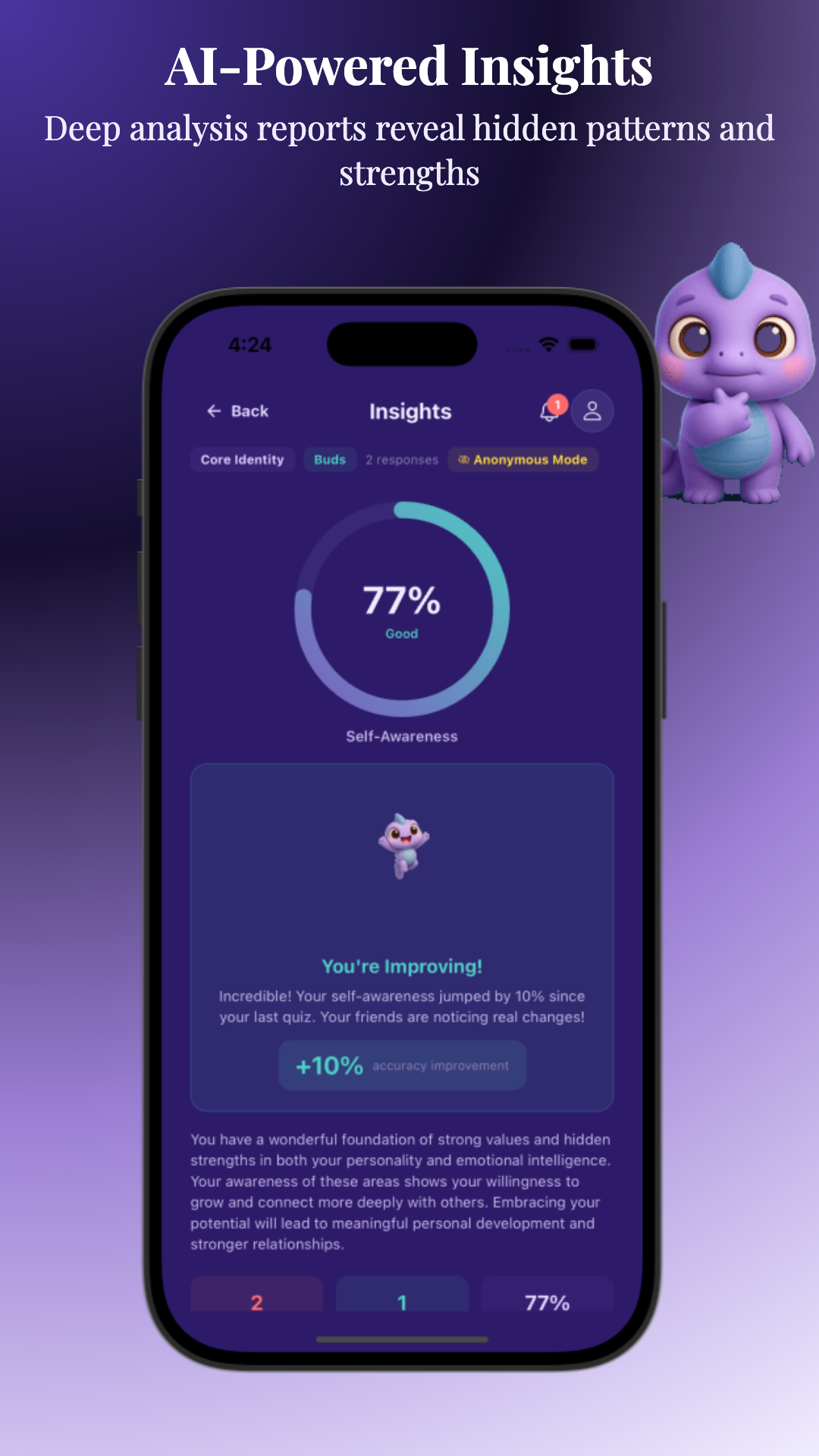
- Use Anonymous Tools: People are more honest when their feedback is anonymous. Apps like Blindspot provide a safe space for friends to share their true thoughts. You can also use digital surveys or feedback boxes to collect input without putting others on the spot.
- Perspective-Taking: Practice imagining how others might interpret your actions or words. What assumptions might they make? If you notice your colleague's body language shift during a meeting, consider what you said or did immediately beforehand and reflect on possible interpretations.
Why External Self Awareness Matters
- Improves relationships and collaboration. When you know how you’re perceived, you can adapt your communication style to diverse individuals and teams, reducing misunderstandings and fostering inclusion.
- Builds trust and credibility. Leaders and peers who demonstrate a willingness to listen and adjust are viewed as more authentic and trustworthy.
- Helps you spot social blind spots before they cause problems. For instance, if you learn that others frequently interpret your directness as harshness, you can clarify your intent and soften your delivery.
To learn more about effective feedback seeking, check out How to Get Honest Feedback from Friends. This guide offers sample questions, scripts, and troubleshooting tips for overcoming resistance or discomfort in feedback conversations.
For more on how others see you and bridging the perception gap, read How Others See You: Understanding and Bridging the Perception Gap.
Section 6: Self Awareness in Leadership and Relationships
Why Self Awareness Is a Superpower for Leaders
Leadership studies consistently show that self-awareness is a top predictor of effectiveness. But the best leaders balance both internal and external self awareness:
- Internal: Guides ethical decisions, fosters authenticity, and helps leaders model self-regulation. Leaders with strong internal self-awareness are less likely to be derailed by stress or ego, and more likely to make decisions aligned with their long-term vision and organizational values.
- External: Enables empathy, adapts communication, and improves team morale by understanding group dynamics. Externally self-aware leaders anticipate how messages will be received, tailor feedback constructively, and recognize when morale is slipping even if it’s not openly discussed.
According to Eurich, only 10-15% of people are truly self-aware, yet 95% think they are—an "awareness gap" especially risky for CEOs and executives who may be insulated from honest feedback. For leaders, this gap can result in poor decision-making, lack of trust, and high turnover when employees feel unheard or misunderstood.
Examples and Case Studies
- A CEO who overestimates their approachability may miss critical signals from employees, leading to disengagement. For instance, an executive may believe their "open door policy" is effective, but if employees fear reprisal for speaking up, valuable information is lost.
- Leaders who regularly seek 360-degree feedback outperform those who rely solely on self-reflection. In companies that implement regular upward feedback, studies have found increased engagement, stronger team cohesion, and higher overall performance.
- Managers who act on both self-reflection and team feedback are more likely to be rated as effective and inspiring by their reports. For example, a manager who receives feedback about being overly critical can then reflect internally, adjust their communication style, and check in with the team to ensure improvements are noticed.
Self Awareness in Personal Relationships
The same principles apply to friendships and family. Understanding the gap between how you see yourself and how others see you can prevent misunderstandings and strengthen bonds. For example, someone who believes they are being supportive (internal view) but is actually coming off as dismissive (external view) can adjust their approach once the discrepancy is highlighted. For a deep dive, see How Friends Shape Our Self-Image.
In romantic relationships, misalignment between internal and external self-awareness can lead to recurring arguments or unmet needs. Regularly checking in with your partner about how your actions are perceived—paired with honest self-reflection—can deepen intimacy and trust. In families, generational differences in communication and expectations make self-awareness even more critical for maintaining harmony.
Section 7: Exercises, Micro-Habits, and Tools
Exercises for Internal Self Awareness
- Daily Reflection: Spend 5 minutes each night asking, "What did I do today that aligned with my values?" Over time, this simple habit reveals patterns and helps you course-correct when you stray from your priorities.
- Journaling: Write about emotional triggers and patterns you notice in your reactions. For example, if you repeatedly feel frustrated in certain meetings, explore what’s behind your reaction and whether it reflects unmet needs or unspoken concerns.
- Values Clarification: Revisit your list of core values monthly and check for alignment with your goals. Try ranking your values in order of importance and noting where your actions diverged from your stated priorities.
- Mindfulness Meditation: Practice mindfulness by focusing on your breath and observing thoughts without judgment. This builds awareness of automatic reactions and increases emotional regulation over time.
Micro-Habits for External Self Awareness
- Weekly Feedback Request: Ask one trusted friend or colleague for feedback on a specific behavior. For instance, "Did I interrupt anyone during our last meeting?" keeps the feedback focused and manageable.
- Perspective Shift: In moments of tension, pause and ask yourself, "How might the other person interpret my actions right now?" This habit trains you to consider multiple viewpoints before reacting.
- Social Check-Ins: After group interactions, jot down how you think you were perceived and compare with later feedback. This helps you test and calibrate your assumptions, refining your external self-awareness over time.
- Feedback Journaling: Keep a log of the feedback you receive, noting patterns or recurring themes. This allows you to track progress and identify persistent blind spots.
Digital Tools to Accelerate Growth
- Blindspot app: Get anonymous, honest feedback from friends to uncover blind spots and track your progress over time. The app's analytics can reveal trends in how your self-perception aligns (or misaligns) with others’ views and suggest targeted next steps.
- Free Question Generator: Find the right prompts for feedback conversations. The tool provides tailored questions for different contexts—work, friendship, family—making it easier to start honest discussions.
- Step-by-Step Guide to Social Blind Spots: Practical framework for identifying hidden perceptions. This guide walks you through the process of gathering feedback, analyzing discrepancies, and creating actionable plans for growth.
- Johari Window tools: Use online Johari Window tests to map your known and unknown traits, both to yourself and others. Comparing your self-assessment to others’ feedback visually highlights areas for improvement.
Section 8: Common Blind Spots and How to Address Them
Typical Blind Spots When Lacking Internal Awareness
- Ignoring gut feelings or emotional triggers. For example, consistently feeling uneasy in certain situations but not investigating why can lead to poor decisions or chronic dissatisfaction.
- Pursuing goals that don’t align with your values. This often results in burnout or a sense of emptiness, even when achieving outward success.
- Repeating unhelpful patterns without recognizing the cause. If you notice recurring conflicts at work or in relationships, lack of internal awareness may prevent you from identifying your role in the pattern.
- Overestimating your strengths or underestimating your weaknesses due to lack of self-reflection or defensiveness.
Typical Blind Spots When Lacking External Awareness
- Not noticing when you’ve hurt or annoyed others. For instance, you may believe your jokes are harmless, but others see them as disrespectful.
- Misjudging your impact or reputation in groups. You may assume you’re seen as a good listener, but feedback reveals you frequently interrupt.
- Assuming others see you as you see yourself, which can result in misunderstandings or damaged relationships. For example, believing you project confidence when others perceive arrogance.
- Missing nonverbal cues or subtle feedback because you’re focused on your own perspective.
How to Uncover and Fix Blind Spots
- Combine self-reflection with regular, structured feedback from others. Schedule periodic check-ins with trusted peers or use digital feedback tools for continuous improvement.
- Use tools like the Blindspot app or Johari Window exercises to reveal discrepancies. These tools provide visual or quantitative representations of your blind spots, making them easier to address.
- Be open to discomfort—growth often starts where your self-perception is challenged. When feedback surprises or stings, view it as an opportunity to expand your self-awareness and grow.
- Act on feedback by setting specific, measurable goals. For example, if you learn you’re perceived as impatient, practice pausing before responding or asking more open-ended questions during conversations.
For a practical approach, visit How to Uncover Your Social Blind Spots: Step-by-Step Guide. This resource outlines the process of gathering, interpreting, and acting on feedback for meaningful change.
Conclusion
Mastering internal vs external self awareness is the foundation of meaningful personal growth, effective leadership, and healthier relationships. Most people overestimate their self-awareness, but with the right frameworks, habits, and feedback tools, anyone can improve. Start by identifying which type you need to develop, then use a blend of structured reflection and honest feedback to close the gap. Apps like Blindspot make this journey easier—and more insightful—by showing you the real differences between how you see yourself and how others see you. Embrace both perspectives as you grow. Remember, self-awareness is not a destination but an ongoing practice—one that rewards your effort with greater clarity, resilience, empathy, and success in every area of life.
FAQ
Q: What are the two types of self-awareness and how do they differ?
A: Internal self awareness is understanding your own values, emotions, and motivations. External self awareness is knowing how others perceive you. Both offer unique benefits and are essential for balanced personal growth.
Q: Is there a correlation between internal and external self-awareness?
A: Research by Tasha Eurich shows there is little to no correlation between them. Being high in one does not guarantee you’ll be high in the other.
Q: How can I improve my internal self-awareness?
A: Focus on reflection—ask yourself "what" questions, journal regularly, and clarify your core values. Tools like the Johari Window questionnaire can help.
Q: What is the best way to develop external self-awareness?
A: Seek honest feedback from others, use anonymous tools like Blindspot, and practice perspective-taking to understand how you come across.
Q: Why do smart people still lack self-awareness according to research?
A: Intelligence doesn’t guarantee self-awareness. Many smart people rationalize their actions or avoid feedback, leading to blind spots in how they see themselves or how others see them.
Q: Which type of self-awareness is more important for leadership?
A: Both are crucial. Internal self awareness guides authentic decision-making, while external self awareness helps leaders adapt and connect with their teams.