Self-Awareness: The Definitive Guide to Understanding Yourself
Discover what self-awareness is, why it matters, types, signs, blind spots, and actionable steps to become more self-aware for personal growth.


Estimated reading time: 18 min
Key Takeaways
- Self-awareness is the foundation of understanding how we see ourselves versus how others see us, enabling meaningful personal insight.
- There are two main types: internal (awareness of our own feelings, thoughts, and motivations) and external (how others perceive us, including our impact on them).
- Blind spots in psychology represent the gaps between our self-perception and others’ views, often unnoticed without intentional feedback.
- Practical exercises, including feedback tools like the Johari Window, journaling, and mindfulness, can dramatically improve self-awareness when practiced consistently.
- Higher self-awareness enhances emotional intelligence, relationships, decision-making, and personal growth, contributing to overall well-being.
Table of Contents
- Section 1: What Is Self-Awareness?
- Section 2: Internal vs External Self-Awareness
- Section 3: Understanding Blind Spots in Psychology
- Section 4: Signs of Low Self-Awareness
- Section 5: Benefits of Higher Self-Awareness
- Section 6: How to Become More Self-Aware
- Section 7: Self-Awareness in Relationships and Social Settings
Conclusion
FAQ
Section 1: What Is Self-Awareness?
Definition and Psychological Perspective
Self-awareness is the conscious knowledge of one’s own character, feelings, motives, and desires. In psychology, it refers to the capacity to monitor and reflect on one’s inner states and the understanding of how one is viewed by others. This dual perspective makes self-awareness a complex and dynamic skill that develops over time.
At its core, self-awareness answers the question: “Who am I?” It involves both recognizing internal experiences—such as emotions, thoughts, and values—and observing how those experiences influence outward behavior and social interactions.
Psychologists often describe self-awareness as a meta-cognitive process, where one thinks about their own thoughts and feelings. This reflective capacity is linked to higher-order brain functions, involving areas like the prefrontal cortex, which enable introspection and social cognition.
The Role of Feedback and Reflection
Self-awareness is not a static or innate trait; rather, it develops through ongoing feedback and introspection. Feedback can come from others’ observations, social cues, or structured tools such as the Johari Window model. This model illustrates how awareness grows by revealing the areas we know about ourselves versus what others perceive.
Reflection allows individuals to reconcile differences between their self-image and outside perceptions, fostering emotional intelligence and adaptive behavior. This process can involve deliberate practices like journaling, meditation, or therapy, helping create a feedback loop that sharpens self-knowledge.
Self-Awareness vs. Related Concepts
- Self-esteem: How much value or worth we place on ourselves, often influenced by self-awareness but distinct in its evaluative nature.
- Self-confidence: Belief in one’s abilities to perform tasks or face challenges; it may fluctuate independently of self-awareness.
- Self-consciousness: Heightened awareness of being observed, often linked with social anxiety and concern about judgment.
Unlike these, self-awareness is the broad, objective understanding of one’s internal and external self. It serves as the foundation upon which self-esteem and confidence can be accurately built.
Section 2: Internal vs External Self-Awareness
Internal Self-Awareness Explained
Internal self-awareness refers to how clearly we see our own values, emotions, thoughts, and behaviors. It includes recognizing our motivations, triggers, strengths, and weaknesses. For example, knowing when you feel stressed, what causes that stress, or why you react defensively in certain situations is a sign of internal self-awareness.
Developing internal self-awareness involves ongoing self-reflection and honest introspection. It can be cultivated through techniques such as mindfulness meditation, where one observes thoughts and emotions nonjudgmentally, or journaling, which externalizes inner experiences for analysis.
- Benefits: Improved emotional regulation, clearer decision-making, and greater alignment between actions and true values.
- Challenges: Requires vulnerability and willingness to confront uncomfortable truths, which can be difficult without support or safe environments.
External Self-Awareness Explained
External self-awareness is understanding how others perceive us, including awareness of our impact on their feelings and interpretations. For instance, realizing that your direct communication style might come off as abrasive to some colleagues or that your humor sometimes unintentionally offends others is a measure of external self-awareness.
This awareness requires openness to feedback, empathy, and the ability to manage one’s ego defensiveness. It also involves social perceptiveness—reading non-verbal cues, tone, and context to gauge others’ responses.
- Benefits: Enhanced social interactions, conflict resolution, and ability to adapt communication for better relationships.
- Challenges: Requires courage to seek and accept honest feedback and the humility to adjust behavior accordingly.
Why Both Matter for Growth
True self-awareness blends internal and external elements. Focusing solely on internal awareness risks blind spots—unseen by ourselves but obvious to others. For example, a person might be unaware of how their nervous habits distract others. Conversely, paying attention only to external views can cause overcorrection or loss of authenticity, reducing confidence and clarity.
This balance is the foundation for personal growth and effective communication. Integrating both perspectives helps build a realistic and nuanced self-concept, facilitating better decision-making and interpersonal skills.
Learn more about these concepts in our detailed post on Internal vs External Self Awareness, which includes practical examples and exercises to harmonize these two dimensions.
Section 3: Understanding Blind Spots in Psychology
What Is a Blind Spot in Psychology?
A blind spot is an aspect of ourselves that we fail to see but is visible to others. These gaps in self-awareness can hinder relationships, career progress, and personal happiness. For example, someone may see themselves as patient and calm, but friends might notice impatience or frustration during stressful moments.
Blind spots are natural and universal. They arise because our self-perception is filtered through cognitive biases, defense mechanisms, limited perspectives, and emotional blinders. Confirmation bias, for example, may lead us to overlook behaviors that contradict our self-image.
Overcoming blind spots requires deliberate effort, humility, and external input. Without addressing them, blind spots can create repeated misunderstandings or conflicts, stalling personal and professional development.
The Johari Window Model
The Johari Window is a psychological tool that maps areas of known and unknown self-knowledge, helping visualize blind spots:
- Open Area: Known by self and others. This area grows with honest disclosure and feedback.
- Blind Spot: Known by others, unknown by self. These are the traits or behaviors we fail to recognize.
- Hidden Area: Known by self, unknown by others. These include private thoughts or feelings we choose not to share.
- Unknown Area: Unknown by both self and others. This area holds latent potential or undiscovered traits.
By expanding the Open Area through feedback and disclosure, individuals reduce blind spots and hidden areas, fostering greater authenticity, trust, and insight. This process can be gradual and requires cultivating safe interpersonal environments.
How Blindspot App Helps Reveal Blind Spots
The Blindspot app uses anonymous feedback from friends, family, or colleagues to highlight discrepancies between self-view and others’ perceptions. This process uncovers blind spots in a supportive way, encouraging growth with AI-generated insights tailored to your unique feedback profile.
For example, if several friends comment on a specific behavior you were unaware of, the app surfaces this as a blind spot, providing context and suggestions for improvement. It also tracks changes over time, helping you measure self-awareness growth.
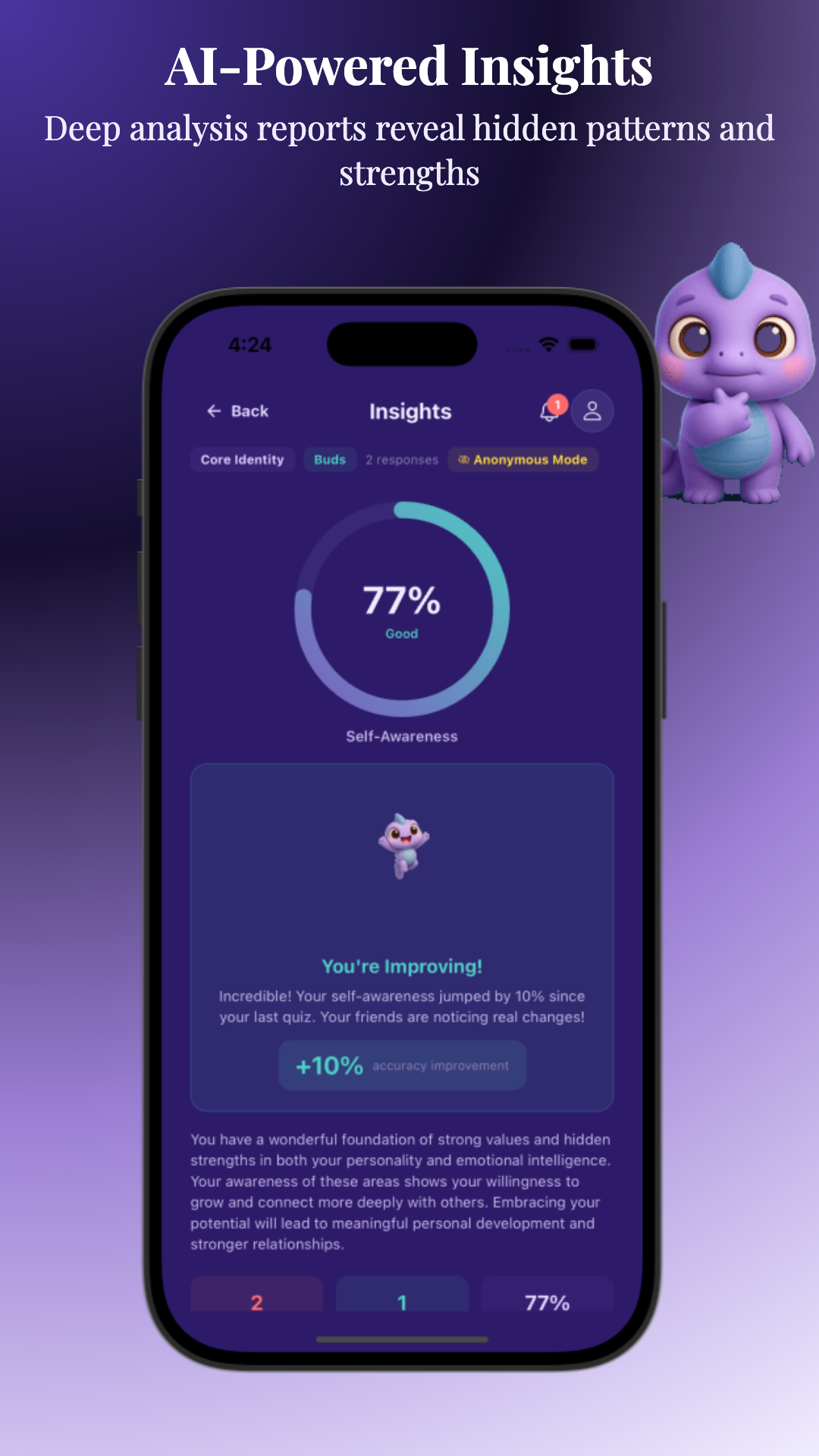
Using technology to facilitate anonymous, structured feedback can overcome common barriers such as embarrassment or defensiveness, making blind spot discovery less threatening and more actionable.
Section 4: Signs of Low Self-Awareness
Common Indicators
- Difficulty accepting feedback: Responding with defensiveness, denial, or rationalization instead of openness.
- Misunderstanding others’ reactions: Confusion or surprise when people respond negatively or unexpectedly.
- Frequent interpersonal conflicts: Repeated relationship struggles without clear cause or pattern recognition.
- Unclear personal values or emotions: Difficulty identifying what truly drives decisions or recognizing emotional states.
- Overconfidence or underconfidence: Inaccurate self-assessment of skills, leading to risks or missed opportunities.
- Lack of emotional regulation: Outbursts or withdrawal without awareness of triggers or consequences.
Psychological and Social Consequences
Low self-awareness can lead to poor emotional regulation, reduced empathy, and hindered personal growth. People may find themselves stuck in cycles of misunderstanding, frustration, and damaged relationships—both personally and professionally.
For instance, a manager unaware of their harsh tone may alienate team members, reducing productivity and morale. Similarly, individuals who cannot recognize stress signs may experience burnout or mental health struggles.
Why Awareness of These Signs Matters
Recognizing these signs is the first step toward improvement. Many people don’t realize their blind spots until others point them out, which can be uncomfortable or even painful. Using tools like the Blindspot in Psychology guide helps identify these gaps early and normalizes the growth process.
Early detection and willingness to engage in self-awareness practices can break negative patterns, improve relationships, and enhance quality of life.
Section 5: Benefits of Higher Self-Awareness
Enhanced Emotional Intelligence
Self-awareness is the cornerstone of emotional intelligence (EI), which comprises the ability to understand and manage one’s own emotions, as well as recognize and influence the emotions of others. High EI correlates with better stress management, conflict resolution, and leadership effectiveness.
Research shows that individuals with higher self-awareness experience lower levels of anxiety and depression because they can identify and regulate negative thought patterns early.
Improved Relationships
Knowing how you come across and understanding others’ perspectives fosters deeper trust and connection. It reduces conflicts caused by misunderstandings and builds stronger social bonds.
For example, a partner who understands their own emotional triggers can communicate more effectively during disagreements, leading to healthier, more resilient relationships. For more on this, see our comprehensive guide on Understanding Your Friendships: Signs, Dynamics, and Deeper Insight.
Personal and Professional Growth
Self-aware individuals make more informed decisions, pursue goals aligned with their values, and adapt better to feedback. This adaptability leads to greater success and satisfaction in both personal and professional arenas.
In the workplace, self-awareness improves leadership skills, teamwork, and the ability to navigate change. Studies indicate that leaders with high self-awareness have teams with 21% higher profitability and 29% higher engagement.
Mental Health Benefits
Higher self-awareness can reduce anxiety and depression by helping individuals recognize and manage negative thought patterns before they escalate. It also supports resilience by fostering acceptance and proactive coping strategies.
Mindfulness-based therapies, which cultivate self-awareness, are widely used to treat various psychological disorders, highlighting the clinical importance of this skill.
Section 6: How to Become More Self-Aware
Practical Exercises and Techniques
- Journaling: Write daily or weekly reflections on emotions, reactions, and thoughts. Use prompts such as "What triggered me today?" or "How did I handle a challenging situation?" This habit promotes clarity and tracks emotional patterns over time.
- Mindfulness Meditation: Practice observing your mental state without judgment. Even 10 minutes daily can increase awareness of fleeting thoughts and emotions, helping to reduce automatic reactions.
- Soliciting Honest Feedback: Use tools like the Johari Window Questionnaire or the Blindspot app to gather anonymous perspectives from trusted people. This structured feedback helps uncover blind spots safely.
- Active Listening: Pay close attention in conversations to understand others’ reactions and feelings. Reflect back what you hear to confirm understanding and reduce assumptions.
- Therapy or Coaching: Professional guidance can facilitate deeper insight, address emotional blocks, and support behavior change.
Using the Blindspot App for Growth
Blindspot’s unique approach invites friends to anonymously answer questions about you, revealing the blind spots between your self-perception and their views. The app provides AI-driven insights, highlighting patterns and offering personalized growth plans tailored to your specific needs.
For example, if feedback indicates a tendency toward impatience, the app might suggest techniques for practicing patience or reframing stressful situations. It also tracks progress over time, allowing you to measure improvements and stay motivated.
Blindspot integrates seamlessly into daily life, encouraging regular check-ins and reflection, which are essential for sustained self-awareness development.
Consistency and Patience
Developing self-awareness is a lifelong process. Regular practice and openness to learning are essential. Avoid rushing or expecting overnight changes; instead, cultivate curiosity about yourself.
Set realistic goals, celebrate small wins, and remember that setbacks are part of growth. Over time, these incremental improvements compound, leading to profound self-understanding and emotional mastery.
Section 7: Self-Awareness in Relationships and Social Settings
Why Self-Awareness Is Important in Relationships
Understanding your own emotions and how others perceive you helps navigate social dynamics with empathy and clarity. It prevents miscommunication and builds emotional intimacy.
For example, recognizing when you are projecting personal stress onto your partner allows you to pause and communicate more constructively. Self-awareness fosters mutual respect and reduces reactive behaviors, which are common sources of conflict.
Managing Conflict Through Self-Awareness
By recognizing triggers and blind spots, you can respond thoughtfully instead of reacting impulsively. This reduces escalations and fosters constructive dialogue.
In practice, this might look like noticing rising frustration during an argument and choosing to take a brief break rather than escalating tensions. It also involves acknowledging your role in conflicts rather than attributing blame solely to others.
Building Authentic Connections
Self-awareness encourages honest self-expression and attentive listening, key ingredients for authentic, lasting relationships. It also helps balance your needs with others’ perspectives.
Authentic connections foster trust and vulnerability, which deepen bonds beyond superficial interactions. By understanding your communication style and how it is received, you cultivate relationships rooted in genuine understanding.
For a deeper dive into the role of self-awareness in social contexts, explore How Others See You: Understanding and Bridging the Perception Gap, which discusses the psychological mechanisms behind perception gaps.
Conclusion
Self-awareness is a vital skill that bridges the gap between how we see ourselves and how others perceive us. Understanding its internal and external dimensions, uncovering blind spots through tools like the Johari Window, and recognizing signs of low awareness empower us to grow emotionally and relationally.
By practicing reflection, seeking honest feedback, and embracing growth opportunities, you can enhance your self-awareness and unlock greater personal fulfillment. Apps like Blindspot provide innovative ways to gain insights and chart your progress in this lifelong journey, making the abstract process of self-discovery more accessible and actionable.
FAQ
Q: What is self-awareness in psychology?
A: In psychology, self-awareness is the capacity to recognize and understand one’s own thoughts, feelings, and behaviors, as well as how one is perceived by others. It involves both internal reflection and external feedback, allowing individuals to form an accurate and holistic self-image.
Q: What are examples of self-awareness?
A: Examples include realizing you feel anxious before public speaking, noticing how your tone affects others during conversations, or understanding personal values that guide your decisions. It also includes recognizing blind spots like habitual interruptions or defensive reactions.
Q: How do you improve self-awareness?
A: Improvement comes through practices like journaling, mindfulness meditation, seeking feedback via tools like the Johari Window or Blindspot app, active reflection on your experiences, and engaging in honest conversations with trusted individuals.
Q: What are the signs that you lack self-awareness?
A: Signs include difficulty accepting feedback, frequent conflicts, misunderstanding others’ reactions, unclear emotions or values, inaccurate self-assessments, and challenges with regulating emotions.
Q: What is the difference between self-awareness and self-consciousness?
A: Self-awareness is an objective, broad understanding of your inner and outer self, encompassing thoughts, feelings, and social impact. Self-consciousness often refers to being overly aware and anxious about how others judge you, which can limit authentic expression.
Q: Why is self-awareness important in relationships?
A: It fosters empathy, reduces misunderstandings, improves communication, and builds stronger emotional connections by helping you understand your impact on others and manage your own emotional responses effectively.