What is a Blind Spot in Psychology? Definition, Self-Awareness & Examples
Learn what a blind spot in psychology is, how it relates to self-awareness, and practical ways to identify your own blind spots using tools like Blindspot and the Johari Window.

Estimated reading time: 7 min
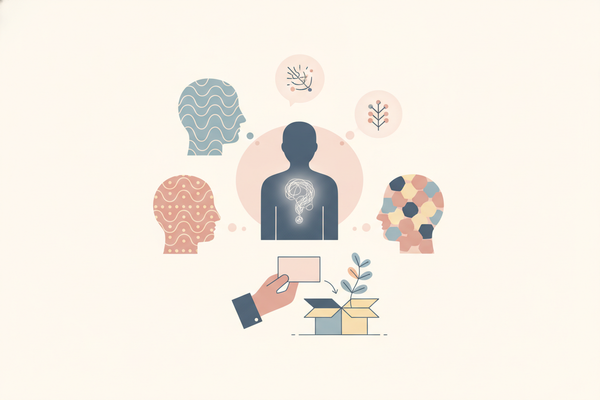
A blind spot in psychology is a gap in your self-awareness—a part of your personality, behaviors, or attitudes that you cannot see clearly, even though others can. These psychological blind spots often stem from unconscious biases, defense mechanisms, or limited feedback, leading you to misjudge how you come across or make repeated mistakes without realizing their root cause.
Key Takeaways
- Psychological blind spots are areas of self-perception you can't see, even though they affect your behavior and others notice them.
- They can hinder growth, decision-making, and relationships if unaddressed.
- Feedback, self-reflection, and tools like the Johari Window help reveal blind spots.
- Developing self-awareness—both internal and external is key to overcoming blind spots.
What is a Blind Spot in Psychology?
In psychology, a blind spot is any aspect of yourself—such as personality traits, habits, or biases—that you fail to recognize but others can see. While the term originally described the literal area in each eye where vision is missing, in its metaphorical sense, it refers to self-knowledge gaps that can lead to distorted self-image and recurring issues.
The most well-known concept is the bias blind spot: noticing biases in others but not in yourself. But blind spots can also include emotional triggers, communication quirks, or unacknowledged strengths and weaknesses.
Blind Spots, Self-Awareness, and the Johari Window
Self-awareness is the ability to recognize your thoughts, feelings, and behaviors accurately. It comes in two forms:
- Internal self-awareness: How well you understand your own values, motivations, and impact.
- External self-awareness: How well you perceive how others see you.
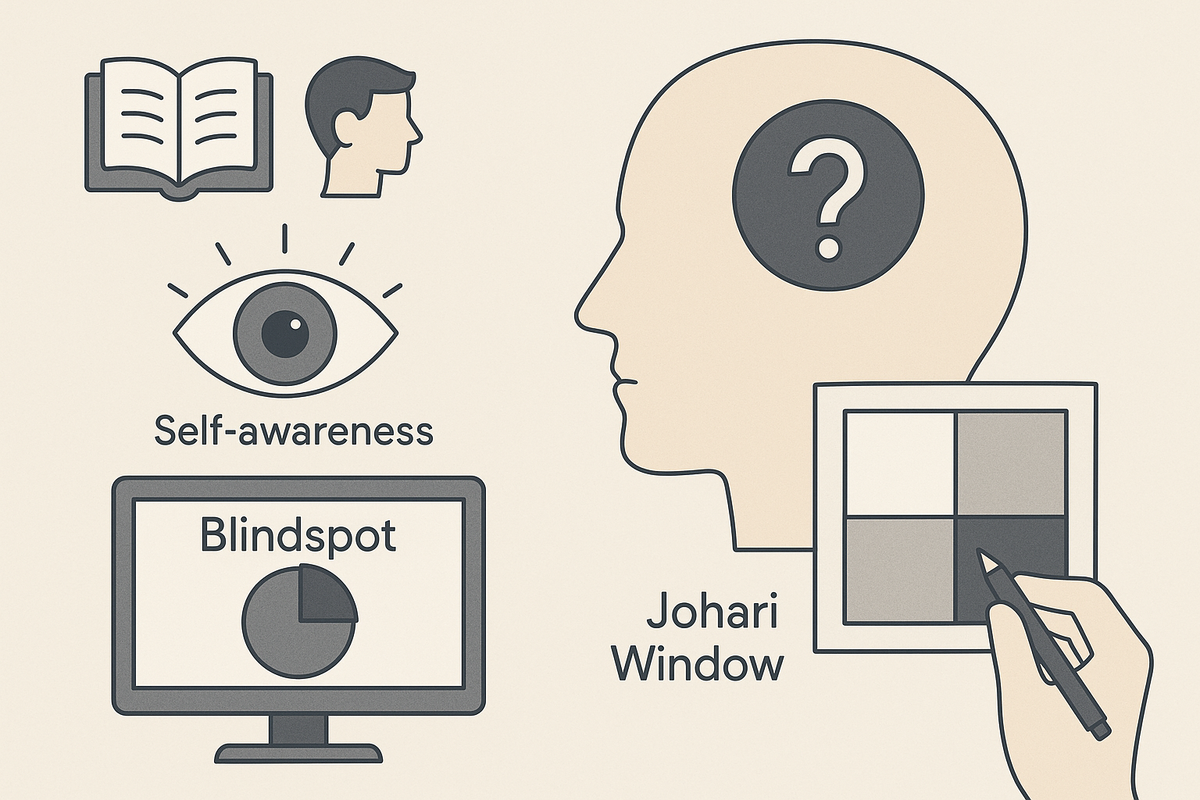
Blind spots are gaps in either form—often in external self-awareness. The Johari Window model explains this with four quadrants: the open area (known to self and others), hidden area (known to self but not others), blind spot (unknown to self but known to others), and unknown area (unknown to both). Johari Window questionnaires and feedback tools can help you discover what you’re missing.
Why Blind Spots Matter: Impact on Life and Relationships
Unaddressed blind spots can lead to repeated mistakes, misunderstandings, and strained relationships. You might believe you’re a good listener, for example, while others find you interrupt or dominate conversations. Or you may perceive yourself as open to feedback but react defensively when challenged.
Blind spots are a major reason people struggle with accurate self-image, workplace conflicts, or personal growth. Increasing self-awareness—especially external self-awareness—can help you become more effective, empathetic, and resilient.
Common Causes and Signs of Psychological Blind Spots
- Unconscious bias: Judging others more harshly than yourself or overlooking your own prejudices (the bias blind spot).
- Defense mechanisms: Denying, rationalizing, or projecting feelings you don’t want to face.
- Ego protection: Avoiding uncomfortable truths to preserve self-esteem.
- Limited feedback: Not seeking or receiving honest input from others.
Signs you may have a blind spot:
- Others give you similar feedback you ignore or reject.
- You make the same mistakes or encounter recurring conflicts.
- Your self-image doesn’t match how others describe you.
For more, see What Is a Personality Blind Spot? Understanding the Gaps in Self-Perception.
How to Identify and Overcome Your Blind Spots
Discovering blind spots is crucial for growth. Here’s how:
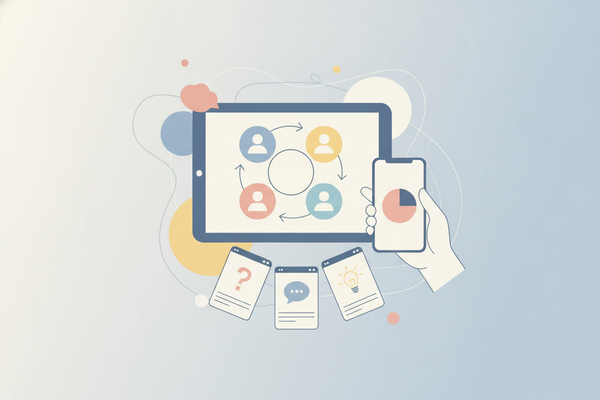
- Seek feedback: Ask friends, colleagues, or mentors for honest input. Blindspot makes this easy by letting friends answer questions about you anonymously—learn more at Blindspot.
- Reflect and journal: Track patterns, emotional triggers, and outcomes of your actions.
- Use self-awareness tools: The Johari Window test and quizzes like What My Friends Think of Me Quiz can reveal discrepancies between your self-view and others’ perceptions.
- Challenge assumptions: Be open to the possibility you don’t see yourself fully. Read How to Uncover Your Social Blind Spots: Step-by-Step Guide for actionable tips.
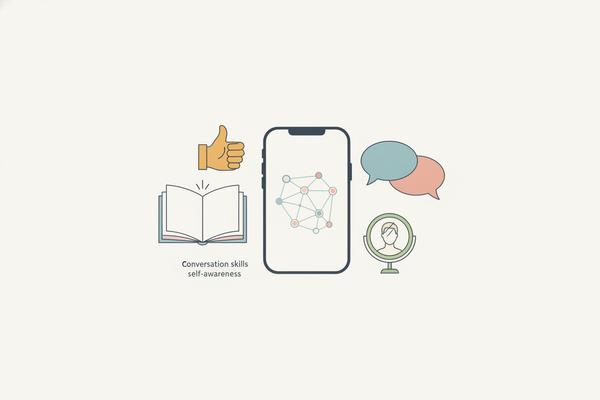
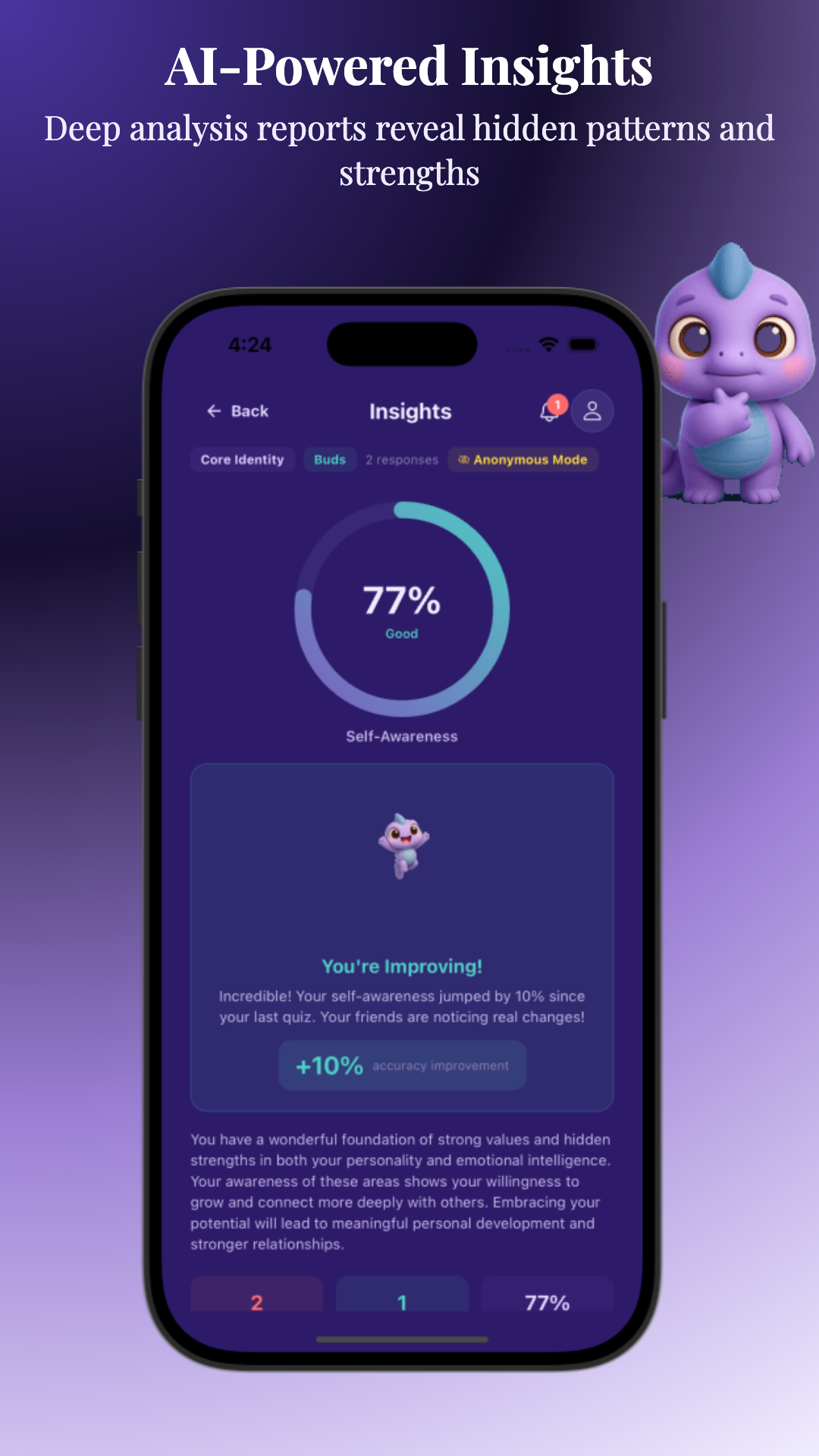
When you expose your blind spots, you can address weaknesses, leverage strengths, and build authentic relationships. Apps like Blindspot guide you to greater self-awareness with AI-powered insights and group feedback.
FAQ
Q: What is a blind spot in psychology?
A: It’s a part of your personality, habits, or attitudes you can’t see in yourself but others can, often leading to misperceptions or repeated mistakes.
Q: What is the bias blind spot in psychology?
A: The bias blind spot is the tendency to see biases in others more easily than in yourself, causing you to underestimate your own blind spots or errors in judgment.
Q: What causes psychological blind spots?
A: They’re often caused by unconscious biases, defense mechanisms, a desire to protect your ego, or a lack of honest feedback from others.
Q: How do you know if you have a blind spot?
A: Common signs include receiving repeated feedback you dismiss, making the same mistakes, or noticing discrepancies between your self-image and how others describe you.
Q: How can you identify your blind spots?
A: By seeking honest feedback, using tools like the Johari Window, reflecting on recurring issues, and leveraging apps like Blindspot for anonymous insights from friends.
Q: What is an example of a psychological blind spot?
A: Believing you’re a great communicator while others find you interrupt or misunderstand them—this gap in perception is a classic blind spot.