How to Be More Likeable: The Complete Guide to Charisma & Confidence
Discover expert strategies on how to be more likeable, build confidence, master conversation skills, and boost your social charisma.

Estimated reading time: 18 min
Key Takeaways
- Likeability stems from authentic confidence, genuine curiosity, and positive nonverbal cues that reinforce your verbal messages.
- Mastering conversation skills means active listening, asking thoughtful follow-ups, avoiding conversational pitfalls, and remembering details that build rapport.
- Using names, recalling personal details, and following up consistently show care and build lasting connections.
- Managing negativity and expressing disagreement tactfully enhances social harmony and earns respect even in difficult conversations.
- Becoming more socially aware and self-aware improves how others perceive you and significantly boosts charisma and influence.
Table of Contents
- Section 1: Building Genuine Confidence and Authenticity
- Section 2: Mastering Conversation Skills for Likeability
- Section 3: Positive Nonverbal Communication and Body Language
- Section 4: Avoiding Likability Killers that Push People Away
- Section 5: Giving Compliments, Showing Warmth, and Vulnerability
- Section 6: Finding Common Ground and Building Social Awareness
- FAQ
Conclusion
Section 1: Building Genuine Confidence and Authenticity
Understanding What True Confidence Means
Many wonder, "why am I not confident?" This question often stems from comparing oneself to others or focusing on perceived shortcomings. However, true confidence is fundamentally different from arrogance or surface-level bravado. It originates from a deep, grounded understanding and acceptance of who you are — your strengths, weaknesses, values, and quirks. This self-acceptance allows you to express your authentic self without the fear of judgment or the need to impress others artificially.
True confidence is resilient because it’s rooted in reality and self-awareness, not in inflated self-images or denial. It grows gradually through experiences, reflection, and embracing vulnerability. For example, if you’ve struggled with public speaking, each successful small talk or presentation builds a foundation of confidence. Over time, these small wins accumulate, enabling you to tackle bigger social challenges with greater ease.
Moreover, confidence is not static; it fluctuates depending on context, mood, and preparation. Recognizing this helps prevent harsh self-criticism during low-confidence moments and encourages a growth mindset that views setbacks as learning opportunities.
Steps to Build Lasting Confidence
- Set achievable social goals: Begin with manageable interactions, such as greeting a colleague or making brief small talk with a neighbor. Gradually increase the complexity—joining group conversations, attending networking events, or speaking in meetings. Use the SMART goal framework (Specific, Measurable, Achievable, Relevant, Time-bound) to create clear targets like "Introduce myself to two new people at this week's event."
- Celebrate progress: Keep a journal or use apps like Blindspot to track your social wins. Recording successes—even minor ones like maintaining eye contact or asking a good question—reinforces positive feedback cycles and motivates continued effort.
- Use self-reflection tools: Tools like Blindspot offer anonymous feedback from friends and colleagues, revealing how others perceive you. This can highlight unexpected strengths and identify blind spots, such as appearing disinterested or overly self-focused. Acting on this feedback empowers you to adjust behaviors and build genuine confidence.
- Practice self-compassion: Confidence-building includes being kind to yourself when things don’t go perfectly. Techniques like mindfulness, positive affirmations, and reframing negative thoughts reduce anxiety and build resilience.
Being Authentic Without Arrogance
Authenticity means being honest and transparent about your opinions, feelings, and experiences. People are naturally drawn to those who are genuine because it fosters trust and relatability. However, authenticity must be balanced with humility to avoid coming across as arrogant or self-centered.
One way to maintain this balance is to openly acknowledge what you don't know or areas where you’re still learning. For example, instead of pretending to have all the answers, say, "That's an interesting point—I haven't thought about it that way before." This invites dialogue and shows intellectual humility.
Additionally, genuine curiosity about others demonstrates that you value their perspectives, which deepens connections. Asking thoughtful questions and actively engaging with their responses signals respect and openness.
Remember, authenticity isn’t about airing every thought or opinion at once, but about selectively sharing what’s true to you in a way that respects social context and others’ feelings.
Section 2: Mastering Conversation Skills for Likeability
The Art of Genuine Listening
Listening is often underrated but is arguably the most crucial conversation skill for building likeability. Genuine listening means fully focusing on the speaker, not just waiting for your turn to talk. It requires mental presence and empathy.
- Use verbal nods like "I see," "That’s interesting," or "Tell me more" to encourage the speaker and show engagement.
- Maintain consistent but comfortable eye contact, which conveys attentiveness without making the other person uncomfortable.
- Reflect back key points to confirm understanding, such as "So you're saying that..." or "It sounds like you felt..." This validates the speaker and deepens rapport.
- Minimize distractions: put away your phone, avoid looking around the room, and focus on the person talking.
Research shows that people value listeners highly and often remember interactions where they felt truly heard. This can transform casual acquaintances into deeper relationships.
Asking Thoughtful Follow-Up Questions
Questions demonstrate curiosity and investment in the conversation. To be effective, avoid closed yes/no questions and instead frame open-ended prompts that invite elaboration:
- "What was that experience like for you?" encourages storytelling and emotional sharing.
- "How did you get interested in that?" probes motivations and personal history.
- "What would you do differently next time?" invites reflection and insight.
- "Can you tell me more about that?" signals active engagement and helps clarify details.
Be mindful not to interrogate; space out questions naturally and respond to answers with empathy or shared experiences.
Additionally, tailoring follow-ups to the person’s background or interests shows attentiveness and respect.
Remembering Names and Details
Using someone's name throughout a conversation personalizes the interaction and makes people feel recognized and valued. Studies show people are more likely to respond warmly when their name is used appropriately.
Moreover, recalling and referencing details from previous conversations—like a family member’s name, a recent trip, or a project—demonstrates genuine care and strengthens bonds over time.
Some practical techniques include:
- Repeating their name during introductions and in conversation to reinforce memory.
- Using mnemonic devices or mental associations, such as linking a person's name with a distinctive feature or rhyme.
- Jotting down notes discreetly after meetings or social events to help remember key facts.
- Following up later via message or in person about topics they shared (e.g., "How did your presentation go last week?").
These practices build trust and show respect for the other person's individuality.
For deeper guidance on conversation skills, check out Mastering Conversation Skills: Confidence, Charisma & Likeability.
Section 3: Positive Nonverbal Communication and Body Language
Why Nonverbal Cues Matter
Research estimates that over 70% of communication impact comes from nonverbal cues. These include facial expressions, eye contact, gestures, posture, and tone of voice. Positive nonverbal communication reinforces your verbal messages and conveys warmth, confidence, and openness—key traits of a likable person.
Conversely, negative cues like closed postures or lack of eye contact can undermine your message, making you seem uninterested or untrustworthy.
Eye Contact and Smiling
- Eye contact is a powerful social signal. Maintaining eye contact for about 60-70% of the conversation shows confidence and interest without making the other person uneasy. For example, when someone is speaking, you can hold eye contact steadily but occasionally glance away naturally to avoid staring.
- Smiling activates positive emotional contagion. A genuine smile involves not only the mouth but also the muscles around the eyes (known as a Duchenne smile). Such smiles can instantly improve first impressions and make interactions more pleasant. Smiling also releases endorphins, reducing your own stress and boosting mood.
Open Body Language and Posture
Your physical stance communicates openness or defensiveness often before you say a word. To project approachability:
- Face the person fully rather than angling away, which signals interest.
- Keep your arms uncrossed and hands visible—crossed arms can seem defensive or closed off.
- Lean in slightly (about 10-20°) to show engagement, but respect personal space (generally 1.5 to 4 feet depending on context).
- Maintain an upright but relaxed posture; slouching may signal disinterest or low confidence.
- Use mirroring subtly—matching the other person’s gestures or posture can build rapport subconsciously.
Combining positive body language with verbal warmth dramatically increases your charisma and the comfort others feel around you.
Section 4: Avoiding Likability Killers That Push People Away
Common Behaviors That Undermine Likeability
Even subtle behaviors can erode your likability. Recognizing and managing these is essential for maintaining positive relationships.
- Bragging: Excessive self-promotion signals insecurity and can alienate others. Instead, share achievements humbly and focus on collaborative or team successes.
- Complaining: Chronic negativity drains social energy and causes people to avoid you. When you need to vent, limit it to trusted confidants or balance it with positive observations.
- Dominating conversations: Interrupting or monopolizing talks discourages participation. Practice turn-taking and invite others to share.
- Judging or criticizing: Harsh judgments shut down open dialogue and create defensiveness. Aim for curiosity and understanding rather than condemnation.
- Inconsistency: Saying one thing and doing another erodes trust rapidly.
How to Manage Negativity and Disagreements
Disagreements and negative feelings are natural but can be expressed constructively to maintain respect and harmony.
- Focus on the issue, not the person: Address behaviors or ideas rather than attacking character.
- Use "I" statements: Phrases like "I feel concerned when..." reduce blame and open dialogue.
- Balance criticism with appreciation: Sandwich negative feedback between positive comments to soften impact.
- Listen actively during disagreements: Paraphrase the other person’s perspective before responding to ensure understanding.
- Choose timing carefully: Avoid heated moments; instead, discuss sensitive topics when both parties are calm.
Maintaining Authenticity When Avoiding Likability Killers
Being likable doesn’t require suppressing your feelings or opinions. Instead, it means expressing yourself respectfully and thoughtfully. For example, if you disagree with a colleague, you might say, "I see your point, and here’s another angle..." rather than dismissing their idea outright.
This respectful honesty fosters trust and signals maturity, making others more likely to value your input and enjoy your company.
Section 5: Giving Compliments, Showing Warmth, and Vulnerability
The Power of Sincere Compliments
Compliments are potent social tools when delivered sincerely and specifically. Generic praise like "You’re great" can seem insincere, but targeted compliments highlight genuine observation and appreciation.
- "I really admire how you handled that challenging client today; your calmness was impressive."
- "Your presentation was clear and engaging; I learned a lot from your examples."
- "You have a unique perspective on this topic that adds value to our discussion."
Effective compliments not only boost others’ self-esteem but also create positive associations with you, deepening likeability.
Showing Warmth and Support
Warmth is conveyed through empathy, encouragement, and celebration of others’ successes. Simple actions like asking "How are you doing?" with genuine interest, offering help during stressful times, or congratulating achievements build emotional bonds.
For example, remembering when a colleague mentioned a personal milestone and checking in later demonstrates attentiveness and care.
Appropriate Vulnerability Builds Trust
Sharing your own challenges or feelings in moderation humanizes you and invites reciprocity. For instance, admitting you felt nervous before a big presentation normalizes vulnerability and encourages others to open up.
However, balance is key—oversharing or dumping negative emotions can overwhelm others. Aim to share in ways that foster connection and mutual understanding, such as discussing lessons learned from setbacks.
This balance of warmth and vulnerability creates a safe space for authentic relationships to flourish.
Section 6: Finding Common Ground and Building Social Awareness
Why Social Awareness Is Crucial
Social awareness is the ability to read social cues, understand group dynamics, and adapt behavior accordingly. It involves perceiving others’ emotions, recognizing social norms, and anticipating reactions. High social awareness enables you to navigate diverse social contexts effectively and increases your charisma.
For example, noticing when a conversation topic makes others uncomfortable allows you to steer the discussion elsewhere, preserving rapport.
Developing social awareness can involve:
- Observing interactions in different settings to learn unwritten rules.
- Asking trusted friends for honest feedback on your social behavior.
- Practicing mindfulness to stay present and attentive to subtle cues.
Learn more about this in How to Be More Socially Aware: The Essential How-To Guide.
Finding and Building on Common Interests
Shared interests and values are powerful connectors. To discover common ground:
- Ask open questions like "What do you enjoy doing outside of work?" or "Have you read any good books lately?" to uncover hobbies or passions.
- Share your own relevant experiences or stories that relate to their interests.
- Suggest joint activities, such as attending a concert, trying a new restaurant, or joining a sports league, to deepen bonds through shared experiences.
- Follow up on previous conversations by referencing shared interests, e.g., "Did you end up seeing that movie we talked about?"
Building on commonalities fosters trust and makes social interactions more enjoyable and meaningful.
Using Tools to Enhance Self-Perception and Social Skills
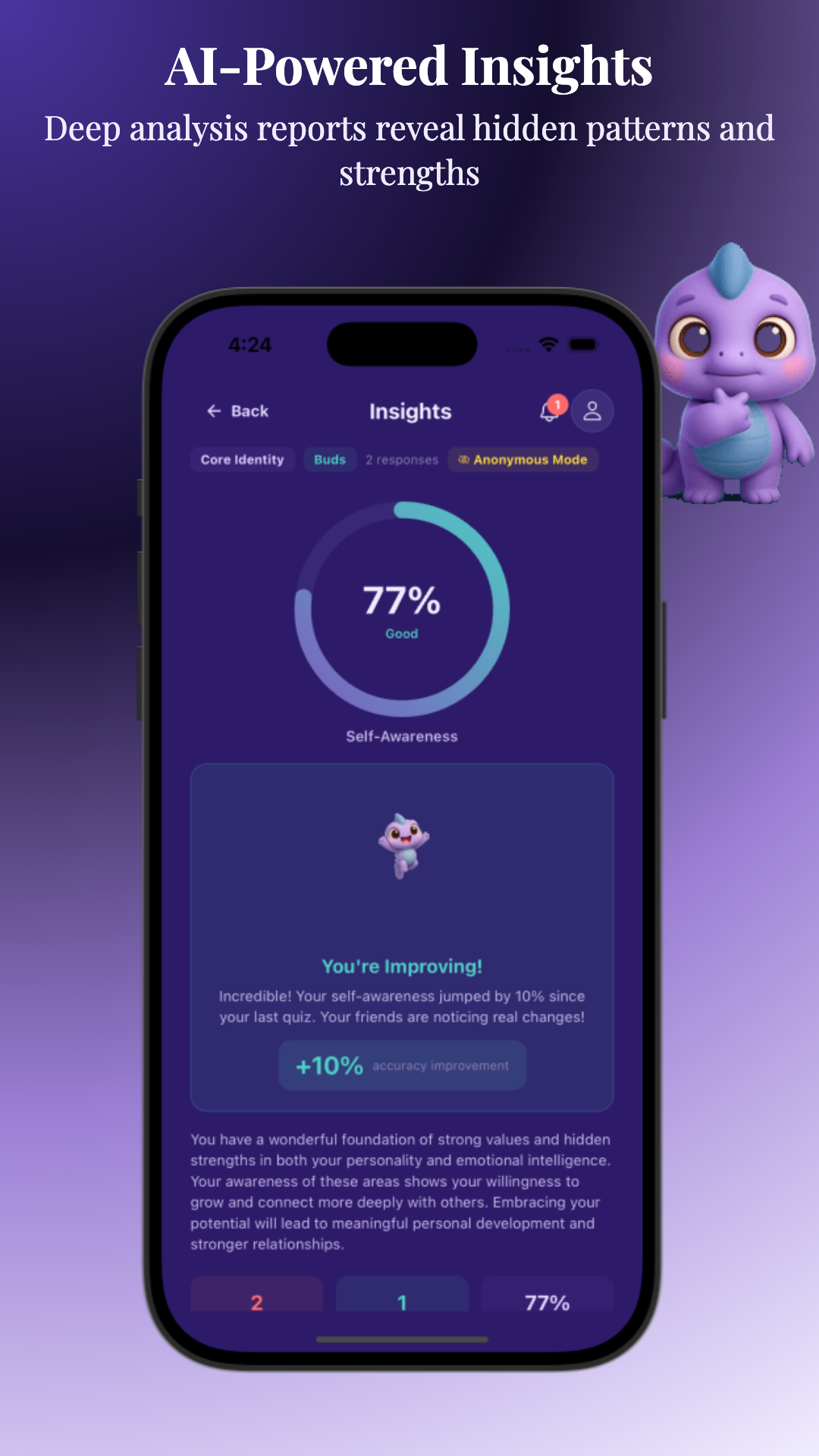
Apps like Blindspot provide valuable insights into how you perceive yourself versus how friends perceive you. This comparison can reveal blind spots—areas where your self-image and others’ perceptions diverge significantly.
For example, you might believe you come across as confident, but multiple feedback points reveal you seem reserved or anxious. Identifying these discrepancies allows you to target specific behaviors for improvement, such as practicing more open body language or speaking up more in meetings.
Blindspot also offers tailored improvement suggestions and tracks your progress over time, making it a practical tool for ongoing social skill development.
Conclusion
Learning how to be more likeable is a multifaceted journey that integrates authentic confidence, masterful conversation skills, positive body language, emotional warmth, and social awareness. These elements work synergistically to create genuine connections and enhance your charisma.
Avoiding common likability pitfalls like bragging, complaining, or dominating conversations while embracing vulnerability and empathy deepens relationships and fosters mutual respect.
Self-awareness is the foundation of lasting change. Using tools like Blindspot helps illuminate how others truly see you, providing actionable insights to grow your confidence and social skills effectively.
For further reading, explore these comprehensive guides:
- How to Build Confidence: The Complete How-To Guide
- How to Be More Charismatic: The Complete How-To Guide
- How to Make a Good Impression: The Complete How-To Guide
FAQ
Q: How do I become more likable in conversations?
A: Focus on genuine listening by giving your full attention and minimizing distractions. Ask thoughtful follow-up questions that invite elaboration instead of yes/no answers. Use the person’s name naturally during conversation and remember personal details to reference later. Maintain positive body language such as consistent eye contact and genuine smiling. Avoid dominating the conversation or complaining excessively, and express sincere interest and warmth through empathy and encouragement.
Q: What makes someone instantly likable?
A: Authenticity is key—people sense when you are genuine. Positive nonverbal cues like smiling and steady eye contact communicate warmth and trustworthiness. Showing curiosity about others by asking questions and listening attentively, combined with humble confidence (acknowledging what you don’t know), makes people feel comfortable and drawn to you quickly.
Q: How can I be more likable without being fake?
A: Be yourself while focusing on active listening, kindness, and humility. Share your genuine thoughts and feelings appropriately, and avoid trying to impress by bragging or pretending. Authenticity paired with respect for others naturally enhances likability.
Q: What are the biggest things that make people dislike you?
A: Common likability killers include bragging, complaining excessively, dominating conversations without letting others speak, judging others harshly, and showing insincerity or inconsistency in words and actions.
Q: Does smiling and eye contact make you more likable?
A: Absolutely. Smiling signals warmth and approachability, engaging not just the mouth but also the eyes for genuine effect. Eye contact shows engagement, confidence, and trustworthiness. Together, these nonverbal cues are some of the most powerful ways to increase your likeability instantly.
Q: How do you get people to like you more at work or in social situations?
A: Build rapport by remembering and using names, recalling personal details, and showing genuine interest in colleagues’ lives and opinions. Maintain positive body language and manage negativity tactfully by expressing disagreement respectfully. Finding common ground through shared interests or values strengthens connections. Enhancing your self-awareness helps you tailor your approach to different social contexts effectively.