
How to Be More Charismatic: The Complete How-To Guide
Learn how to be more charismatic, make a good impression, and build confidence with proven steps, body language, and conversation skills.


Estimated reading time: 11 min
Key Takeaways
- Charisma is a blend of confidence, warmth, and strong conversation skills.
- Body language, active listening, and presence are key to being more likeable.
- Self-awareness and feedback help reveal social blind spots and improve charisma.
- Anyone can learn to be more charismatic with practice and a growth mindset.
- Blindspot and other tools can help you uncover how others perceive you and guide your growth.
Learning how to be more charismatic is one of the most powerful ways to boost your confidence, improve conversation skills, and make a great impression in any social setting. Charisma isn’t just an innate trait—it’s a blend of presence, warmth, confidence, and social awareness that anyone can develop. In this comprehensive how-to guide, you’ll discover actionable steps to become more charismatic and likeable, while building deeper self-awareness and social confidence. Whether you want to shine in one-on-one conversations, stand out in groups, or simply feel more at ease socially, these steps will help you master charisma from the inside out.
Step 1: Understand What Makes Someone Charismatic
To become more charismatic, start by understanding the core traits that define charismatic people. Charisma isn’t just about being outgoing—it’s about making others feel genuinely valued, comfortable, and inspired in your presence.
- Presence: Being fully engaged and attentive in the moment.
- Warmth: Showing genuine care, kindness, and empathy.
- Confidence: Projecting self-assurance without arrogance.
- Social Awareness: Reading the room and adapting appropriately.
Charismatic individuals are skilled at making others feel seen and important. If you’ve ever wondered, “Why am I not confident?” or “How can I be more likeable?”, start by focusing on these pillars.
Step 2: Master Charismatic Body Language
Your body language speaks before you say a word—and it’s crucial for charisma and making a good impression. Here’s how to use nonverbal cues to appear more confident and approachable:
- Posture: Stand tall, shoulders back, and avoid slouching. Good posture signals confidence and openness.
- Eye Contact: Maintain natural eye contact (not staring), showing attentiveness and respect.
- Smile: A genuine smile is universally disarming and makes you more likeable.
- Hand Gestures: Use open, expressive gestures to emphasize points and show enthusiasm.
Practice these basics in low-stakes situations. Notice how people respond when you adjust your body language—it’s often immediate and positive.
Step 3: Build Confidence from the Inside Out
Confidence is a key ingredient of charisma. But how do you build it if you don’t feel it yet? Start by working on your self-perception and self-talk:
- Preparation: Before social situations, visualize success and remind yourself of your strengths.
- Positive Self-Talk: Replace negative thoughts with affirmations like, “I belong here,” or, “I have something valuable to share.”
- Small Wins: Set achievable social goals (e.g., start one conversation, smile at three people) and celebrate progress.
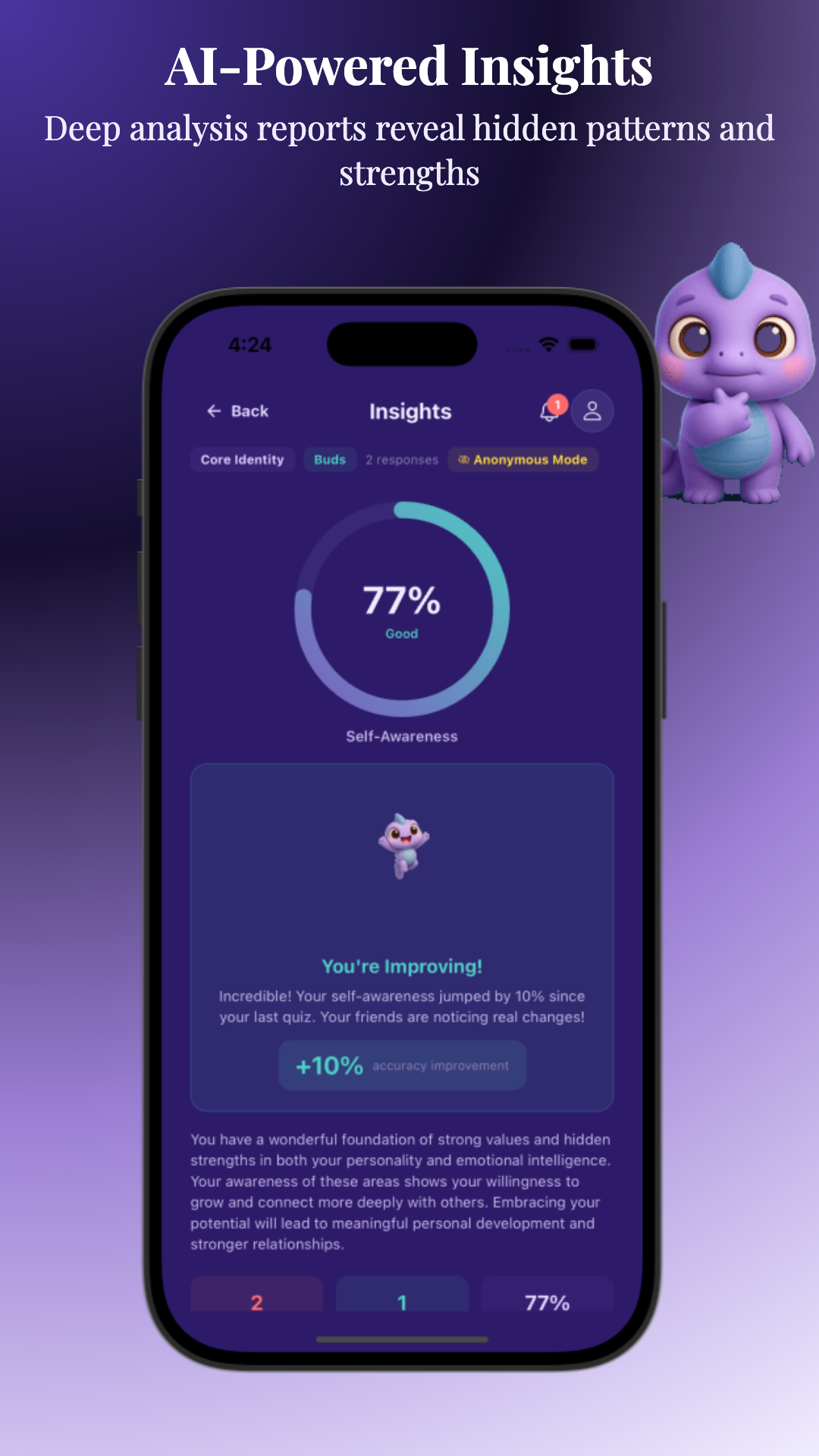
For deeper self-insight, try taking the What My Friends Think of Me Quiz or use Blindspot to get honest, anonymous feedback from friends and see where your confidence gaps might be.
Step 4: Hone Your Conversation and Listening Skills
Charismatic people are masters of conversation—not because they talk the most, but because they listen actively and make others feel heard. Here’s how to improve your conversation skills:
- Ask Thoughtful Questions: Go beyond small talk. “What’s the highlight of your week?” or “What are you passionate about?”
- Show Genuine Interest: Nod, keep eye contact, and reflect back what you hear (“That sounds exciting!”).
- Share, Don’t Hijack: Add your own stories briefly, but bring the focus back to the other person.
Practice makes perfect—try these techniques with friends or in everyday interactions. For more ways to uncover your social blind spots in conversations, check out this step-by-step guide.
Step 5: Use Storytelling, Humor, and Positive Energy
Storytelling and humor are powerful tools for creating memorable, engaging conversations. You don’t have to be a comedian—just share relatable stories and look for light moments.
- Keep Stories Relevant and Brief: A good story has a point and invites the listener in.
- Use Humor Appropriately: Self-deprecating humor or observational jokes are safe bets. Avoid sarcasm that could be misinterpreted.
- Radiate Optimism: People are drawn to positive vibes. Try to find the bright side and encourage others.
Remember, positive energy is contagious and can make you instantly more likeable and memorable.
Step 6: Show Empathy and Make Others Feel Valued
Empathy is at the heart of charisma. When people feel understood and appreciated, they naturally warm up to you.
- Practice Active Listening: Don’t just wait for your turn to speak—really tune in.
- Validate Emotions: Acknowledge others’ feelings (“That must have been tough”).
- Remember Details: Use people’s names and recall what matters to them in future conversations.
For more tips, explore how friends shape your self-image and the power of empathy in social dynamics here.
Step 7: Practice Vulnerability and Authenticity
True charisma isn’t about putting on a show—it’s about being real and approachable. People are drawn to authenticity and vulnerability.
- Admit Mistakes: Don’t be afraid to laugh at yourself or share times you’ve struggled.
- Be Open: Share your honest thoughts and feelings when appropriate.
- Be Consistent: Align your words and actions; don’t try to be someone you’re not.
This approachability breaks down barriers and builds trust, making you naturally more likeable and charismatic.
Step 8: Prepare Before Social Situations
Preparation boosts confidence and helps you make a great first impression. Before a social event or presentation:
- Research Attendees: Know a little about who you’ll meet or topics to discuss.
- Set Intentions: Decide how you want to show up (e.g., curious, supportive, enthusiastic).
- Practice Your Introduction: A confident, friendly hello sets the tone.
Preparation also means reflecting on how you come across. Tools like the Johari Window Test or a Blindspot feedback session can give you an edge.
Step 9: Practice Charisma in Different Settings
Finally, practice makes progress. Try out your new skills in various social contexts:
- One-on-One: Focus on connection and presence.
- Groups: Engage everyone, don’t dominate, and encourage quieter voices.
- Networking: Use open body language and ask thoughtful questions.
- Online: Be warm and positive in messages and video calls, using names and emojis to convey tone.
Track your progress and get feedback regularly. Blindspot is a great way to see how your efforts are received and to identify new growth areas.
Tips & Common Mistakes
- Don’t Fake It: Forced charm or insincere compliments can backfire. Be genuine.
- Avoid Monopolizing Conversations: Balance talking and listening.
- Don’t Fear Silence: Pauses are natural; use them to reflect or ask follow-up questions.
- Watch for Feedback: Pay attention to others’ body language and adjust as needed.
- Keep Practicing: Charisma is a skill—every interaction is a chance to improve.
Conclusion
Becoming more charismatic is within everyone’s reach. By focusing on presence, confidence, warmth, and social awareness, and by practicing the steps outlined above, you can build real charisma and likeability in any setting. Remember, self-awareness is key—use tools like Blindspot to uncover your blind spots and accelerate your growth. For more in-depth guides, explore how to be more socially aware or how to build confidence on our blog. Your most charismatic self is just a few steps away!
FAQ
- How can I be more charismatic naturally?
Start by being genuinely interested in others, practicing good body language, and building self-awareness. With regular practice and honest feedback, charisma becomes second nature. - What body language makes you look more charismatic?
Confident posture, warm eye contact, a genuine smile, and expressive hand gestures all make you appear more charismatic and approachable. - How do charismatic people talk to others?
They listen actively, ask thoughtful questions, share stories, use humor, and make others feel valued in every conversation. - Can charisma be learned or is it innate?
Charisma is a learnable skill. Anyone can become more charismatic by developing their confidence, warmth, and social skills. - How do I become more charismatic in conversations?
Focus on active listening, share relevant stories, keep a positive attitude, and make the other person feel important. Practice regularly to improve. - What are the main traits of a charismatic person?
Presence, warmth, confidence, social awareness, empathy, and authenticity are the hallmarks of highly charismatic people.