Why Am I Not Confident? The Pillar Guide to Confidence, Likeability & Social Skills
Struggling with confidence? Learn why you feel this way and discover proven strategies to be more likeable, charismatic, and socially aware.

Estimated reading time: 15 min
Key Takeaways
- Low confidence stems from a mix of life experiences, self-perception, and social feedback.
- You can build confidence and charisma with actionable steps and honest self-reflection.
- Understanding the difference between self-esteem, self-worth, and confidence is crucial.
- Improving conversation skills and social awareness boosts likeability and connection.
- Professional help can be vital if low confidence is linked to anxiety or depression.
Table of Contents
- Section 1: Why Am I Not Confident? Understanding the Roots
- Section 2: How Low Confidence Shows Up in Daily Life
- Section 3: Causes of Low Confidence—From Childhood to Comparison
- Section 4: Confidence, Self-Esteem, and Self-Worth—What’s the Difference?
- Section 5: Social Likeability, Charisma, and Making Good Impressions
- Section 6: Practical Steps to Build Confidence and Social Skills
- Section 7: When Low Confidence Signals a Deeper Issue
- Section 8: Tools, Feedback, and the Role of Self-Awareness Apps
- Conclusion
- FAQ
Section 1: Why Am I Not Confident? Understanding the Roots
The Core Question
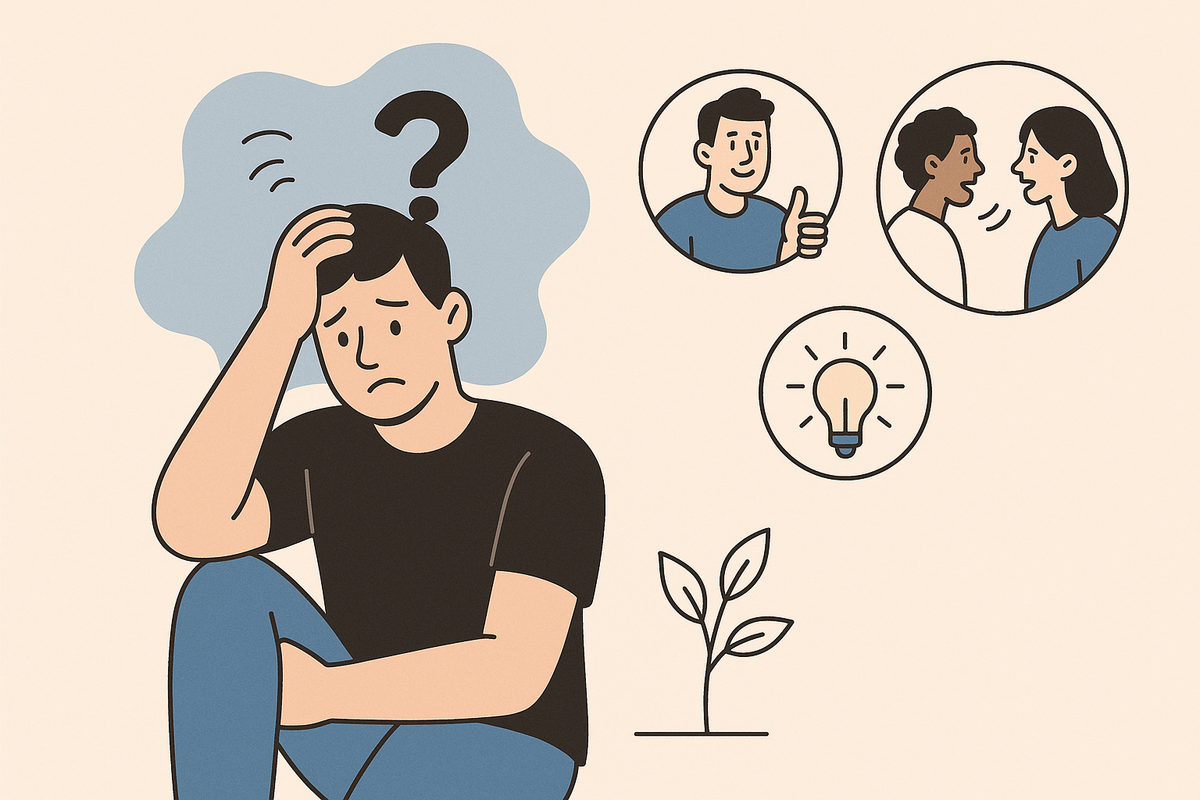
"Why am I not confident?" is a question that echoes through classrooms, boardrooms, and social events. It's not just about feeling shy; it's about a persistent sense that you’re not measuring up, that others are more charismatic, more likeable, or better at making first impressions. Understanding this feeling is the first step toward change.
Defining Confidence
Confidence is your belief in your abilities, decisions, and worth. It's not arrogance or perfection; it’s a calm, steady assurance that you can handle life’s challenges. But when you lack confidence, you may:
- Doubt your decisions, even on small matters
- Hesitate to speak up or share your ideas
- Feel like an imposter in social or professional settings
- Worry excessively about what others think
Why Confidence Matters
Confidence shapes your relationships, career, and happiness. It affects how you approach opportunities, navigate setbacks, and connect with others. Low confidence can lead to missed chances, unfulfilling relationships, and chronic stress.
Blind Spots in Self-Perception
Often, a gap exists between how you see yourself and how others see you—a concept known as a "personality blind spot." Tools like the Blindspot app help you uncover these discrepancies by letting friends answer questions about you anonymously. This process can reveal strengths you didn’t know you had, or areas for growth you’ve been missing.
Section 2: How Low Confidence Shows Up in Daily Life
Social Interactions and Conversation Skills
Low confidence often manifests as discomfort in conversations, fear of being judged, or feeling invisible in groups. You might struggle to know how to be more socially aware or sense when you’re not making a good impression.
- Avoiding eye contact and slouching
- Speaking too softly or hesitantly
- Overthinking every word you say
- Rarely initiating conversations or plans
Relationships and Trust
Low confidence can cause insecurity, jealousy, or the need for constant reassurance. You might withdraw from friends or partners, fearing rejection or criticism. This creates a cycle where social skills stagnate and isolation grows.
Work and Decision-Making
In professional settings, low confidence appears as:
- Difficulty negotiating or advocating for yourself
- Reluctance to take on new responsibilities
- Imposter syndrome: feeling unqualified despite evidence to the contrary
Perfectionism and Self-Criticism
Many people with low confidence hold themselves to impossibly high standards and mentally replay mistakes. This perfectionism feeds negative self-talk and erodes self-worth over time.
Section 3: Causes of Low Confidence—From Childhood to Comparison
Childhood Experiences
Early life shapes your confidence. Critical parents, bullying, or growing up without encouragement can leave lasting marks. Even small comments or failures can add up, making you doubt your worth as an adult.
- Lack of praise or support
- Emphasis on mistakes over effort
- Comparisons to siblings or peers
Social Comparison and Social Media
Constantly comparing yourself to others—whether classmates, coworkers, or Instagram influencers—fuels insecurity. Social media often shows only the highlights, making you feel less successful, attractive, or charismatic by comparison. This can distort your self-image and undermine your confidence.
Criticism and Trauma
Past criticism, failures, or traumatic experiences can create mental scripts that play on repeat (“I’m not good enough,” “People don’t like me”). These beliefs become self-fulfilling, influencing your choices and interactions.
Body Image and Skills
Feeling self-conscious about your appearance or skills—whether it’s public speaking, conversation skills, or physical traits—can make you less likely to put yourself out there. This avoidance then reinforces low confidence.
Feedback Loops
Without honest feedback, it’s easy to get stuck in these patterns. Apps like Blindspot let you gather anonymous insights from friends, breaking the cycle of negative self-talk and giving you a reality check.
Section 4: Confidence, Self-Esteem, and Self-Worth—What’s the Difference?
Self-Confidence
Self-confidence is about your belief in your ability to perform specific tasks or handle situations. It’s situational—someone might be confident in sports but nervous in social settings.
Self-Esteem
Self-esteem refers to your overall sense of personal value or self-respect. It’s a broader, more stable feeling about who you are, regardless of successes or failures.
Self-Worth
Self-worth is the deep-seated belief that you are worthy of love, respect, and happiness, simply because you exist. It’s not tied to achievements or approval from others.
How They Interact
- You can have high self-esteem but low confidence in specific situations (e.g., public speaking).
- Low self-worth often underlies chronic low confidence and self-esteem.
- Building confidence often requires working on self-esteem and self-worth together.
Imposter Syndrome and Perfectionism
Imposter syndrome is the feeling that you’re a fraud, despite evidence of competence. Perfectionism is the drive to avoid mistakes at all costs. Both erode confidence by making you focus on shortcomings, not strengths.
Section 5: Social Likeability, Charisma, and Making Good Impressions
How to Be More Likeable
Likeability isn’t about being perfect; it’s about being authentic, warm, and attentive. People are drawn to those who listen well, show genuine interest, and make others feel valued. Tips:
- Smile and make eye contact
- Ask open-ended questions
- Remember names and details
- Show appreciation and give compliments
How to Be More Charismatic
Charisma is often seen as a mysterious quality, but it’s learnable. It involves:
- Confident body language
- Expressive speech and gestures
- Active listening
- Authenticity
Improving charisma boosts your ability to make a good impression and helps in both social and professional settings. For a comprehensive approach, see how to be more likeable and build charisma and confidence.
Conversation Skills and Social Awareness
Great conversation skills are at the heart of likeability. Practice:
- Listening more than you speak
- Noticing social cues (body language, tone)
- Staying present and not rehearsing responses while others talk
Being socially aware means tuning into how others are feeling and adjusting your approach accordingly. If you want a deep dive on this, check out how to uncover your social blind spots.
Making a Good First Impression
First impressions are formed in seconds. Dress appropriately, stand tall, and show openness. Being prepared with a few conversation starters can calm nerves and set the right tone. If you want to further improve your ability to connect, explore mastering conversation skills for confidence, charisma, and likeability.
Section 6: Practical Steps to Build Confidence and Social Skills
Start Small: The Power of Tiny Wins
Building confidence doesn’t require grand gestures. Small, consistent actions work best:
- Practice speaking up once per meeting or class
- Set a goal to greet someone new each week
- Track your progress in a journal or app
Expose Yourself Gradually
Face fears in manageable increments. If social situations make you anxious, start by attending small gatherings before moving to larger events. Challenge negative beliefs with evidence: What went well? What did you learn?
Set Boundaries and Practice Self-Compassion
Confident people set boundaries and protect their energy. Learn to say no without guilt. When you make mistakes, talk to yourself as you would a friend—gently and with understanding.
Gather Honest Feedback
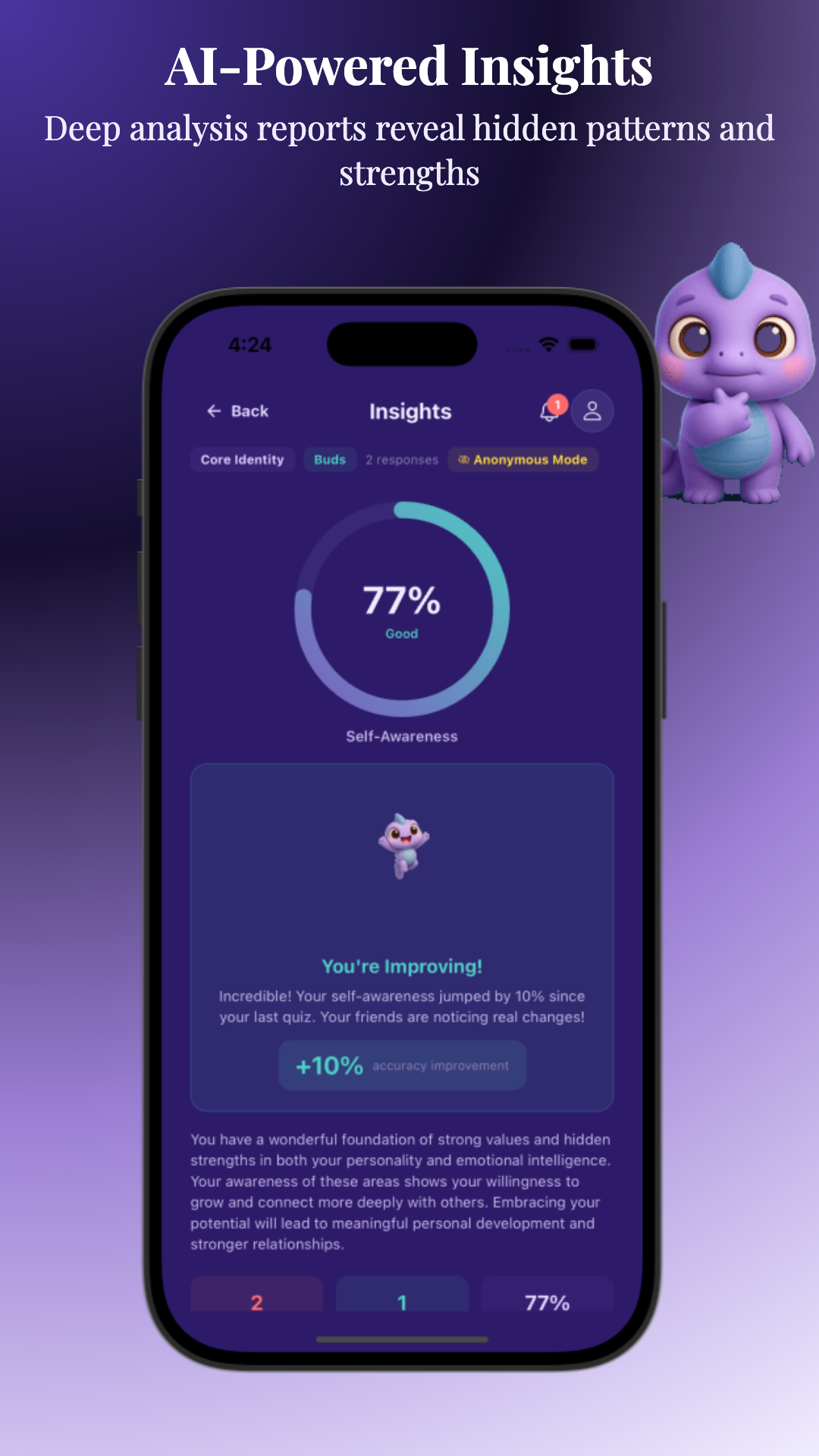
Ask trusted friends what they see as your strengths and areas for growth. Tools like the Blindspot app or the What My Friends Think of Me Quiz help you get anonymous, actionable feedback so you can target your efforts where they matter most.
Practice Social Skills Daily
- Join groups or clubs that interest you
- Volunteer for team projects at work
- Role-play conversations with a supportive friend or coach
Celebrate Progress
Notice and reward small improvements. Confidence grows by recognizing and reinforcing your efforts, not just outcomes.
Section 7: When Low Confidence Signals a Deeper Issue
Social Anxiety and Fear of Judgment
Sometimes, low confidence crosses over into social anxiety—an intense fear of being judged, embarrassed, or rejected. You may avoid social situations, experience physical symptoms (sweating, racing heart), or obsess over interactions after they end.
Signs of Anxiety or Depression
- Persistent sadness or hopelessness
- Withdrawal from friends and activities
- Changes in sleep or appetite
- Difficulty concentrating or making decisions
If you relate to these symptoms, low confidence may be part of a larger mental health issue.
Perfectionism, Negative Self-Talk, and Imposter Syndrome
Chronic perfectionism and imposter syndrome can lead to anxiety and depression, especially if you set unrealistically high standards or dismiss your achievements. Negative self-talk—repeating critical or self-doubting thoughts—reinforces these patterns.
When to Seek Professional Help
If low confidence is keeping you from living the life you want, or causing significant distress, therapy can help. Cognitive-behavioral therapy (CBT), for example, is highly effective for building confidence and addressing anxiety or depression. There’s no shame in reaching out for support.
Section 8: Tools, Feedback, and the Role of Self-Awareness Apps
Why Honest Feedback Matters
One of the biggest barriers to confidence is a distorted self-image—either overestimating your flaws or underestimating your strengths. Honest feedback from friends gives you a reality check and highlights blind spots you can’t see alone.
How Blindspot and Similar Tools Help
Apps like Blindspot bridge the gap between self-perception and others’ views. Friends answer questions about you anonymously, revealing patterns and discrepancies. You get:
- Personalized insights into your strengths and growth areas
- Actionable tips to improve social awareness and conversation skills
- Progress tracking and goal-setting tools
Additional Self-Discovery Resources
If you want to go deeper, try structured exercises like the Johari Window Test or Johari Test. These tools help you understand your public, private, and hidden traits, improving both confidence and social skills.
Building Likeability and Charisma with Feedback
Feedback isn’t just for fixing weaknesses. It shows you what others already like and appreciate about you—your sense of humor, kindness, or ability to make people feel heard. Lean into these strengths as you practice how to be more likeable and charismatic.
Conclusion
Low confidence is common, but it’s not permanent. Whether your struggles began in childhood, stem from social comparison, or are reinforced by negative self-talk, you have the power to change. By understanding the roots of your self-doubt, practicing small wins, building social skills, and seeking honest feedback, you can become more confident, likeable, and charismatic.
Remember, the gap between how you see yourself and how others see you is often larger than you think. Tools like Blindspot, along with proven self-discovery strategies, help you bridge that gap for greater self-awareness and growth. If you’re ready to take the next step, explore more with the Blindspot app.
FAQ
Q: Why am I not confident in myself?
A: Low confidence usually develops from a mix of early experiences (like criticism or lack of support), negative self-talk, social comparison, or traumatic events. Sometimes, it’s reinforced by perfectionism or imposter syndrome. Understanding these roots can help you start building confidence.
Q: What causes a lack of confidence?
A: Common causes include childhood criticism, bullying, comparison to others, social anxiety, and repeated failures. Body image concerns and negative feedback can also undermine confidence. Identifying your unique patterns is the first step to changing them.
Q: How do I become more confident?
A: Start with small, manageable steps—practice speaking up, seek honest feedback, and celebrate small wins. Work on conversation skills and social awareness, and challenge negative beliefs with evidence. Consider using feedback tools and self-discovery apps for targeted growth.
Q: Is low confidence a sign of anxiety or depression?
A: It can be. Persistent low confidence, especially if it’s accompanied by sadness, withdrawal, or excessive worry, may signal anxiety or depression. Professional support, such as therapy, is highly effective in these cases.
Q: Why do I feel insecure around other people?
A: Insecurity often comes from fear of judgment, past criticism, or not knowing how others perceive you. Building social skills, seeking feedback, and practicing self-compassion can help reduce this insecurity.
Q: How can I build confidence fast?
A: While lasting confidence takes time, quick wins include preparing for social events, focusing on your strengths, practicing power poses, and gathering positive feedback from friends. Apps like Blindspot can accelerate your self-awareness and growth.