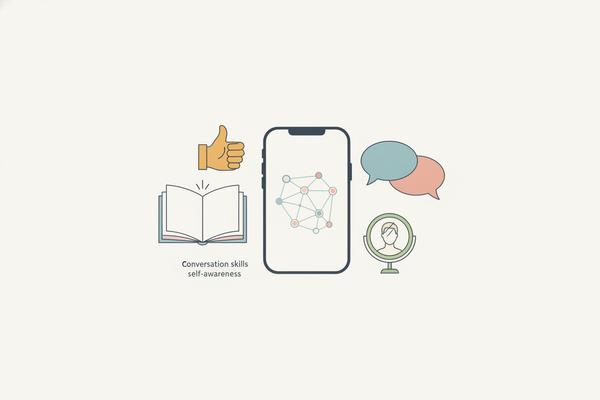
How to Build Confidence: The Complete How-To Guide
Learn how to build confidence, become more charismatic and likeable, and improve your social skills with practical, actionable steps and real feedback.


Estimated reading time: 11 min
Key Takeaways
- Building confidence is a skill that combines self-awareness, practice, and feedback.
- Understanding your blind spots helps improve your charisma and likeability.
- Setting achievable goals and celebrating small wins is key to long-term confidence.
- Improving body language and conversation skills boosts first impressions.
- Curating your environment and seeking support accelerates growth.
Want to know how to build confidence and become more likeable, charismatic, and socially aware? You're not alone—confidence is one of the most sought-after traits for personal and professional success. Whether you’re wondering "why am I not confident," how to make a good impression, or how to be more charismatic, this step-by-step guide will help you unlock your true potential. Let’s dive into practical strategies, science-backed insights, and the power of honest feedback from friends and tools like Blindspot to accelerate your growth.
Step 1: Understand What Confidence Really Means
Before you can build confidence, it's crucial to distinguish between confidence and self-esteem. Confidence is your belief in your ability to perform specific tasks, while self-esteem is your overall sense of self-worth. Both play a role in how you present yourself, but confidence is more about action and skill.
Why does confidence matter?
- It helps you make a good impression and boosts your likeability.
- Confident people are perceived as more charismatic and trustworthy.
- Confidence enables you to take risks, learn new things, and bounce back from setbacks.
Understanding these concepts also relates to social skills: if you want to know how to be more charismatic or likeable, confidence is often the foundation. For more on self-awareness, explore the Johari Window Test—a proven tool for discovering how others perceive you.
Step 2: Identify the Root Causes of Low Confidence
If you're asking "why am I not confident?", the answer is often hidden in your thoughts, past experiences, or social comparisons. Common causes of low confidence include:
- Negative self-talk or harsh inner critic
- Fear of failure or rejection
- Past setbacks or embarrassing moments
- Comparing yourself to others, especially on social media
- Lack of honest feedback about your strengths and blind spots
Start by becoming more socially aware: notice your thoughts, triggers, and the situations where your confidence drops. Consider using an app like Blindspot to get anonymous, honest feedback from friends—often, our self-perception does not match how others see us. You can also try the What My Friends Think of Me Quiz for practical insights on your social strengths and weaknesses.
Step 3: Set Small, Achievable Goals for Evidence of Success
Confidence grows from action, not just positive thinking. To build real confidence, set small, realistic goals that you can achieve daily or weekly. Each success becomes “evidence” that you are capable.
- Break big challenges into tiny steps (e.g., start a short conversation instead of giving a speech).
- Track your progress in a journal or app.
- Celebrate every win, no matter how small.
These successes reinforce your belief in yourself, making it easier to take on bigger challenges. For more self-discovery exercises, check out the Johari Window Questionnaire.
Step 4: Practice, Prepare, and Build Social Skills
Preparation is a confidence booster. Whether it’s a job interview, social event, or new project, the more you practice, the more confident you become. Focus on building key social skills:
- Conversation skills: Practice active listening, ask open-ended questions, and show genuine interest.
- How to make a good impression: Smile, maintain eye contact, and offer a firm handshake or friendly greeting.
- How to be more charismatic: Use expressive gestures, vary your vocal tone, and tell engaging stories.
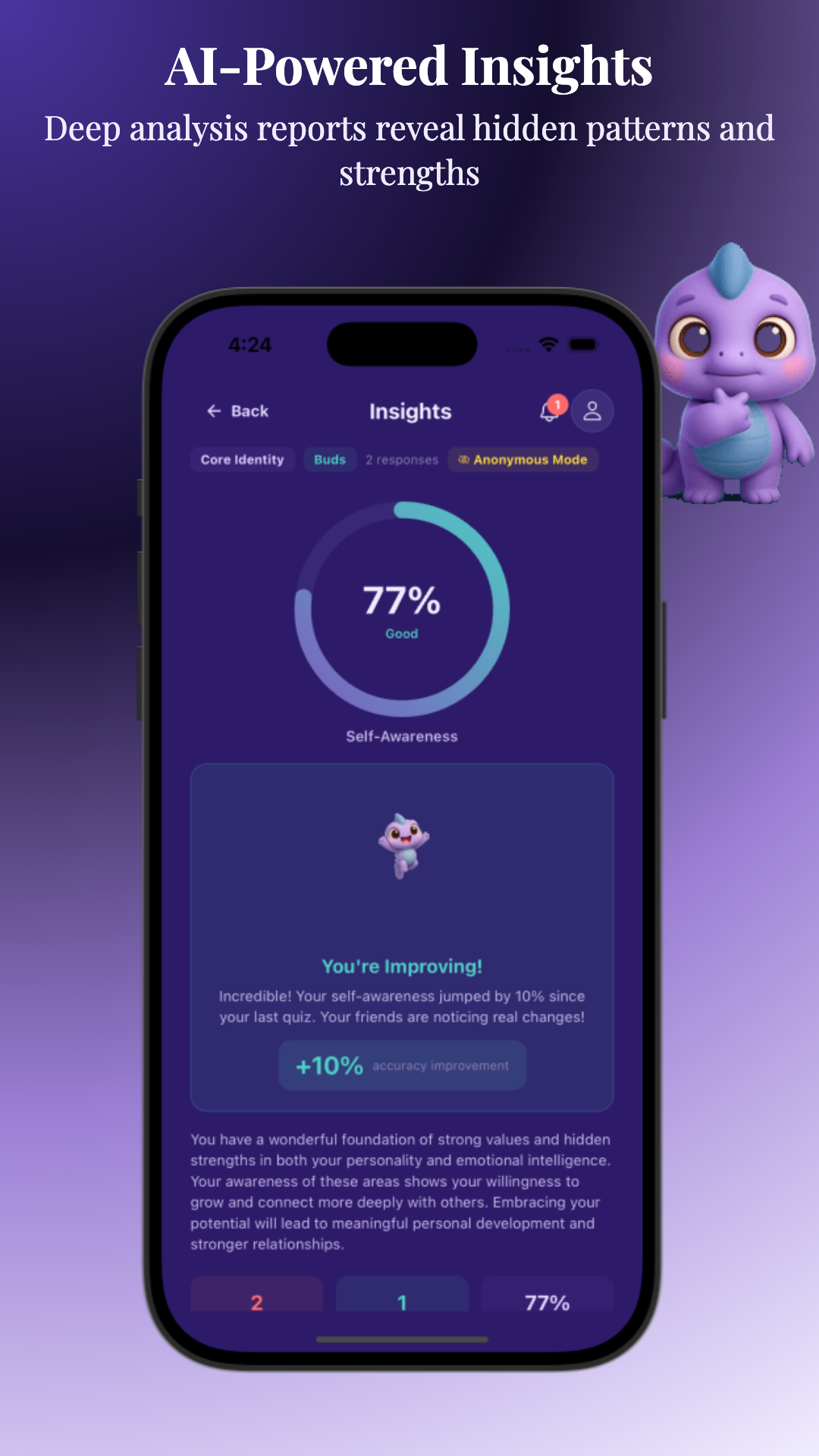
Apps like Blindspot can help you pinpoint areas for growth; their feedback features and self-awareness insights show you exactly where to focus your practice for the biggest impact.
Step 5: Challenge Negative Self-Talk and Limiting Beliefs
The conversation you have with yourself shapes your confidence. If you’re constantly telling yourself you’re not good enough, it becomes a self-fulfilling prophecy. To break this cycle:
- Notice negative thoughts and write them down.
- Challenge them: Is this really true? What evidence do I have?
- Replace them with realistic, positive statements (e.g., "I can improve with practice").
This builds self-trust and helps you face new challenges without being held back by old stories. Honest feedback from others can also help you see strengths you overlook—try gathering feedback using the Free Question Generator for targeted self-improvement.
Step 6: Improve Body Language, Posture, and Communication
Nonverbal cues are often more powerful than words when it comes to confidence, likeability, and charisma. To boost your presence:
- Stand tall with shoulders back and head up.
- Use open gestures and avoid crossing your arms.
- Maintain comfortable eye contact and smile genuinely.
- Speak clearly; vary your pace and tone for emphasis.
Improving these habits not only helps you feel more confident, but also makes you more appealing and approachable to others—key ingredients for making a strong first impression.
Step 7: Face Fears Gradually Through Exposure
The fastest way to build confidence is by doing what scares you—in small, manageable steps. This is called “exposure therapy.” Start with situations that cause only mild discomfort and work your way up.
- Initiate a conversation with a stranger at a coffee shop.
- Speak up in a meeting or ask a question in class.
- Say yes to new social events, even if they make you nervous.
With each exposure, anxiety decreases and confidence grows. Don’t forget to track your progress—Blindspot’s growth tracking features can help you see your journey over time.
Step 8: Reduce Comparison & Curate Your Environment
Constantly comparing yourself to others—especially on social media—can erode your confidence. To counteract this:
- Unfollow or mute accounts that make you feel inferior.
- Spend more time with supportive, positive people.
- Surround yourself with resources that build you up, not tear you down.
For more on how your environment and friends shape your self-image, read How Friends Shape Our Self-Image: The Hidden Impact.
Step 9: Track Progress, Celebrate Wins, and Seek Support
Building confidence is a lifelong journey—track your wins and setbacks to stay motivated. Use tools and apps to visualize your growth (for example, Blindspot’s progress features and achievement badges). Celebrate every step forward.
- Keep a "confidence log" to record daily or weekly wins.
- Share your goals with trusted friends or mentors for accountability.
- If confidence struggles persist, consider seeking help from a coach or therapist.
Remember, growth is easier when you have support. For more on uncovering blind spots and getting honest feedback, see How to Get Honest Feedback from Friends: A Practical Guide.
Tips & Common Mistakes
- Don’t wait for confidence to magically appear—take small actions first.
- Avoid perfectionism; it’s okay to be "good enough" at something new.
- Don’t ignore feedback, but also don’t let one negative comment define you.
- Don’t compare your entire journey to someone else’s highlight reel.
- Practice gratitude and self-compassion.
Conclusion
Learning how to build confidence is about more than just "faking it till you make it." It’s a process of self-discovery, skill-building, and honest feedback. By following these steps—understanding your blind spots, practicing social skills, improving your mindset, and tracking your progress—you’ll not only become more confident, but also more likeable and charismatic. Want to uncover how others really see you? Try Blindspot for anonymous, actionable insights that will accelerate your growth.
Ready for more? Explore our detailed guides on uncovering your social blind spots and mastering self-awareness to supercharge your confidence journey.
FAQ
- How do you build confidence from scratch?
Start by identifying areas where you feel least confident. Set small, achievable goals to build a record of success. Seek honest feedback, track your progress, and practice positive self-talk. Remember, confidence grows from taking action and learning from the results. - What causes low confidence?
Low confidence often stems from negative self-talk, fear of failure, past setbacks, or comparing yourself to others. Lack of honest feedback about your strengths and blind spots can also play a role. - How can I become more confident fast?
While true confidence takes time, you can boost it quickly by preparing thoroughly, improving your body language, and taking small social risks. Practice positive self-talk and focus on recent achievements to build momentum. - Can confidence be learned or is it natural?
Confidence is absolutely a skill that can be learned and developed. While some people may start with more natural confidence, anyone can build it through practice, feedback, and mindset shifts. - How do you build confidence at work or in social situations?
Prepare and practice for key situations, build strong conversation skills, and seek constructive feedback from colleagues or friends. Small wins in these environments quickly add up to greater self-assurance. - What are the best daily habits to improve self-confidence?
Keep a daily success log, practice gratitude, challenge negative thoughts, and spend time with supportive people. Regularly set and achieve small goals, and use tools like Blindspot to track your growth and receive honest feedback.