How to Be More Socially Aware: The Essential How-To Guide
Discover how to be more socially aware, boost your confidence, likeability, and charisma. Learn practical steps to improve social skills and self-awareness.

Estimated reading time: 10 min
Key Takeaways
- Social awareness is key to building confidence, charisma, and likeability.
- Active listening and reading social cues are essential conversation skills.
- Empathy, self-awareness, and feedback help you avoid common social mistakes.
- Adapting your communication style improves your impression in any setting.
- Practice and real-world observation make social awareness a learnable skill.
Learning how to be more socially aware is a game-changer for anyone looking to boost confidence, become more likeable, and make a good impression. Whether you want to be more charismatic, improve your conversation skills, or simply feel less awkward in groups, social awareness is at the heart of effective human connection. This guide breaks down exactly what social awareness is, why it matters, and provides actionable steps to become the kind of person others naturally gravitate toward.
Step 1: Understand Social Awareness and Why It Matters
Social awareness means noticing and understanding the feelings, needs, and dynamics of people around you. It's a cornerstone of emotional intelligence and directly linked to how to be more likeable and charismatic. People with high social awareness tend to build confidence in social settings because they can read the room, respond to social cues, and adapt their behavior effectively.
Why does this matter?
- It helps you avoid social missteps, awkwardness, and misunderstandings.
- You make a better first impression and are seen as more approachable.
- It builds trust and rapport, making you more charismatic.
If you’ve ever wondered, "Why am I not confident in groups?" or "How do I become more likeable?"—improving social awareness is the answer.
Step 2: Practice Active Listening and Give Full Attention
Active listening is a superpower for anyone learning how to be more socially aware. It means focusing fully on the speaker, not just waiting for your turn to talk. People feel valued and understood when you truly listen.
- Put away your phone and make eye contact.
- Nod or give small verbal cues to show you’re engaged.
- Reflect back what you hear to clarify understanding ("So what you’re saying is...").
- Ask relevant follow-up questions.
Active listening boosts your conversation skills, helps you make a good impression, and is often the foundation for building confidence in social settings.
Step 3: Read Body Language, Facial Expressions, and Tone of Voice
Words are only a small part of communication. Body language, facial expressions, and tone of voice provide critical context and reveal what people are truly feeling. To be more charismatic and likeable, tune into these nonverbal cues:
- Notice crossed arms, fidgeting, or lack of eye contact—these may signal discomfort.
- Watch for smiles, open posture, and mirroring—signs of rapport and comfort.
- Listen for changes in tone or pacing that could indicate excitement, boredom, or anxiety.
Observing these signals helps you adapt your approach and avoid social mistakes. For more on uncovering hidden social cues, see How to Uncover Your Social Blind Spots: Step-by-Step Guide.
Step 4: Notice Social Cues, Discomfort, and Group Dynamics
Being socially aware means picking up on subtle signals, not just from individuals but from the whole group. Group dynamics reveal who’s leading, who’s uncomfortable, and where the energy is flowing.
- Who is talking the most? Who seems left out?
- Are people leaning in or away from each other?
- Is the mood tense, playful, or awkward?
If you notice someone is quiet or seems uneasy, try including them or shifting the topic. Recognizing and responding to these cues makes you more likeable and respected in any group.
Step 5: Practice Empathy and Perspective-Taking
Empathy is the ability to step into someone else’s shoes and see things from their perspective. It’s a core trait for anyone learning how to be more charismatic, likeable, and confident.
- Imagine how the other person might be feeling—are they nervous, excited, bored?
- Validate their experience ("That sounds tough," or "I can see why you’d feel that way").
- Be open-minded about different cultural, personal, or emotional backgrounds.
This helps you connect authentically, make better impressions, and avoid accidental insensitivity.
Step 6: Improve Self-Awareness to Avoid Social Mistakes
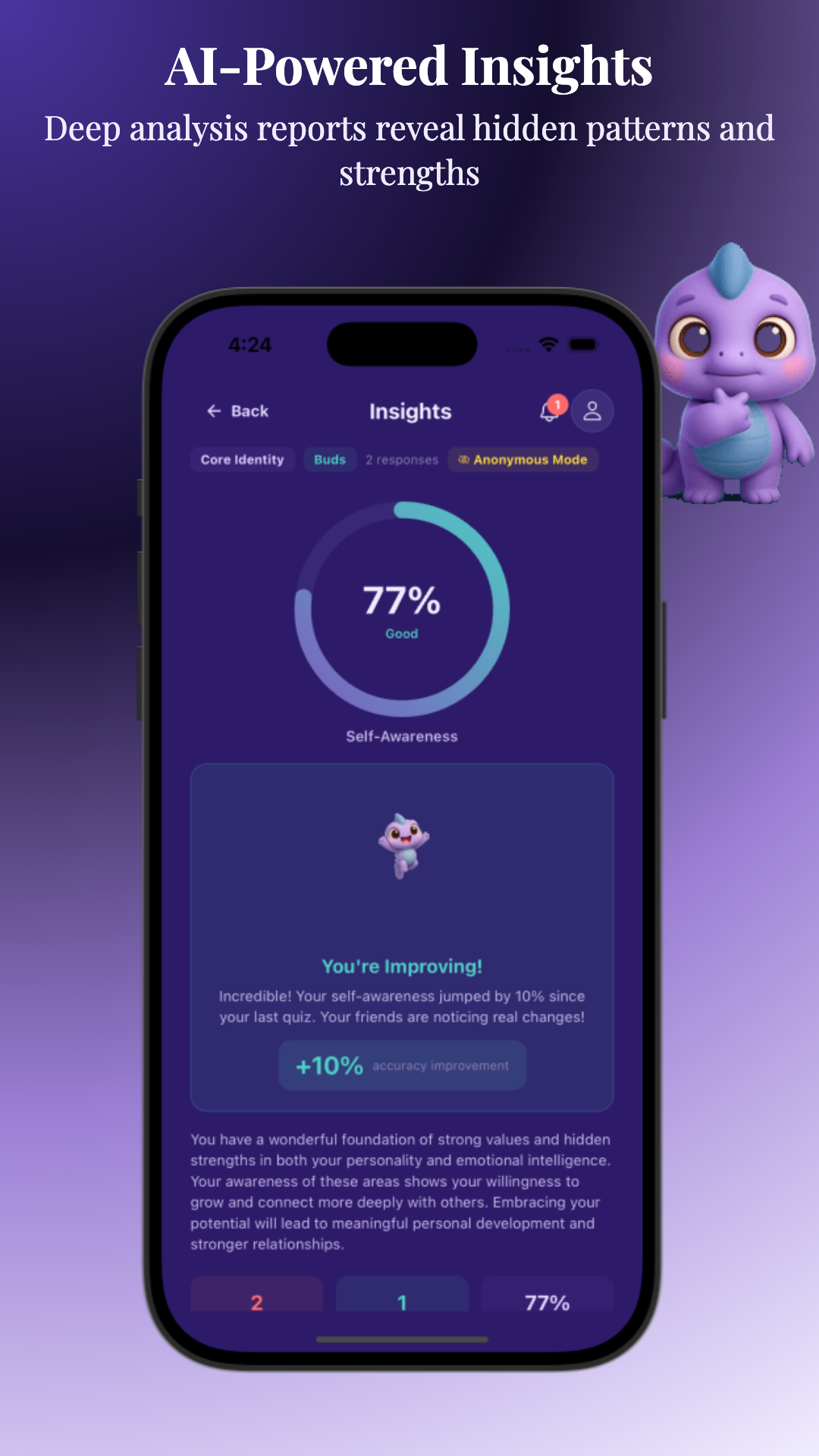
Self-awareness is knowing your own strengths, blind spots, and how others perceive you. Without it, you risk repeating social mistakes or giving off the wrong vibe. Tools like the Johari Window Test or apps like Blindspot let you compare your self-view with honest feedback from friends, revealing growth areas you can’t see on your own.
- Reflect on past social interactions—what went well, what felt off?
- Ask, "How do others perceive me?" and seek specific feedback.
- Be open to learning about your blind spots and adjusting your approach.
If you’re wondering, "How do I get honest feedback from friends?", try tools like the What My Friends Think of Me Quiz or the Free Question Generator.
Step 7: Adapt Communication to Different People, Cultures, and Settings
No two people—or social situations—are exactly alike. Socially aware people read the room and adapt their communication style accordingly. This flexibility is crucial for anyone learning how to build confidence in unfamiliar settings.
- Notice others' comfort levels with eye contact, physical space, or humor.
- Be mindful of cultural differences in greetings, gestures, or conversational norms.
- Adjust your tone and language to suit the context, whether it’s a job interview, party, or new country.
This adaptability is often what separates the merely polite from the truly charismatic.
Step 8: Take Responsibility, Apologize, and Correct Social Missteps
Even socially savvy people make mistakes. What matters is how you handle them. Taking responsibility—without excuses—shows maturity and humility.
- If you interrupt, offend, or overlook someone, acknowledge it and apologize.
- Ask what you could do differently next time.
- Use feedback as a chance to grow, not as a personal attack.
This willingness to learn earns respect and helps you avoid repeating the same social mistakes.
Step 9: Build Social Awareness Through Observation and Practice
Social awareness isn’t something you either have or don’t—it’s a skill you can develop. The more you practice, the more natural it becomes.
- Watch confident, likeable people in social settings—what do they do differently?
- Set small goals (e.g., "I’ll ask two people about their day at this event").
- Try exercises like the Johari Window Questionnaire to deepen self-insight.
- Use apps like Blindspot to track progress and get actionable tips.
Over time, these habits will help you build confidence, become more charismatic, and make stronger connections everywhere you go.
Tips & Common Mistakes
- Don’t fake interest: People can sense insincerity. Genuine curiosity is key.
- Avoid dominating conversations: Be mindful of how much you talk versus listen.
- Resist the urge to "fix" emotions: Sometimes people just want to be heard.
- Don’t assume everyone thinks or feels like you: Perspective-taking prevents misunderstandings.
- Don’t ignore feedback: Honest input is your best tool for growth.
Conclusion
Learning how to be more socially aware is the fastest way to boost your confidence, become more likeable, and make a good impression in any situation. By actively listening, tuning into social cues, practicing empathy, and seeking honest feedback, you’ll unlock charisma and conversation skills that set you apart. Remember: Everyone can improve with practice and the right tools. Start building your awareness today with self-discovery resources like Blindspot and see how your self-perception and social confidence evolve.
For more on how friends shape your self-image, check out How Friends Shape Our Self-Image: The Hidden Impact.
FAQ
- What does it mean to be socially aware?
Social awareness means noticing and understanding the feelings, needs, and behaviors of others in social situations. It’s about reading both verbal and nonverbal cues to connect, communicate effectively, and act appropriately. - How do you become more socially aware in conversations?
Practice active listening, pay attention to tone and body language, ask open-ended questions, and reflect on interactions afterward. Seek honest feedback, such as through apps like Blindspot, to discover blind spots and improve. - What are examples of social cues I should look for?
Common social cues include eye contact, posture, facial expressions, tone of voice, how closely people stand, and whether they’re engaged or distracted. These signals help you gauge comfort and interest. - How can I tell if someone is uncomfortable or upset?
Look for crossed arms, lack of eye contact, forced smiles, short responses, or fidgeting. If you notice these, gently check in or give them space, depending on the context. - How does social awareness relate to emotional intelligence?
Social awareness is a core part of emotional intelligence. It enables you to understand and respond appropriately to others’ emotions, building stronger, more positive relationships. - Can social awareness be learned or improved over time?
Absolutely. Through practice, observation, and tools like feedback from friends or the Blindspot app, anyone can become more socially aware and skilled in social situations.