Cognitive Biases About Yourself: The Ultimate Guide to Self-Perception & Personality
Explore cognitive biases about yourself, the Big Five, MBTI, and how self-perception shapes personality. Learn tools for self-awareness and accuracy.
Estimated reading time: 14 min
Key Takeaways
- Cognitive biases about yourself distort self-perception and influence how you interpret personality test results.
- Frameworks like the Big Five and MBTI explained can help clarify your traits, but their accuracy is affected by your own biases.
- Common biases include self-serving bias, bias blind spot, illusory superiority, and confirmation bias.
- Recognizing and reducing self-bias involves honest feedback, reflection, and using structured tools like Blindspot.
- Understanding nature vs nurture personality debates enriches your self-awareness journey.
Table of Contents
- Section 1: What Are Cognitive Biases About Yourself?
- Section 2: Personality Frameworks – Big Five, MBTI, and Self-Perception
- Section 3: The Most Common Self-Related Cognitive Biases
- Section 4: How Biases Distort Your Self-View and Personality Test Accuracy
- Section 5: Recognizing Cognitive Biases in Daily Life
- Section 6: Practical Ways to Reduce Self-Bias and Improve Self-Awareness
- Conclusion
- FAQ
Section 1: What Are Cognitive Biases About Yourself?
Defining Cognitive Biases in Self-Perception
Cognitive biases about yourself are systematic errors in thinking that affect how you interpret your own personality, abilities, and behavior. Unlike general cognitive biases that can influence any judgment, these are specifically self-focused: they shape how you see your strengths, weaknesses, and the gap between self-image and reality.
Why Self-Related Biases Matter
Self-perception is central to personal growth, relationships, and even career success. If you consistently overestimate or underestimate your abilities due to bias, you might miss opportunities for improvement—or set yourself up for disappointment. Biases can impact how you handle feedback, judge your social skills, or interpret results from personality tests like the Big Five or MBTI.
- Example: You may believe you’re more open-minded than most people, overlooking your own blind spots.
- Impact: These biases affect self-esteem, decision making, and how accurately you see your fit within personality frameworks.
Roots of Self-Related Biases
Several factors drive these biases:
- Desire for self-esteem: We want to see ourselves positively.
- Social comparison: Judging ourselves in relation to others distorts objectivity.
- Memory and attention: We remember information that flatters or confirms our beliefs about ourselves.
Understanding these biases is the first step toward greater self-awareness. Apps like Blindspot are designed to reveal these hidden distortions by comparing your self-view to how others see you.
Section 2: Personality Frameworks – Big Five, MBTI, and Self-Perception
The Big Five Personality Traits
The Big Five is a science-backed model describing five core dimensions of personality: Openness, Conscientiousness, Extraversion, Agreeableness, and Neuroticism (OCEAN). Each trait exists on a spectrum, and together they offer a nuanced map of your personality.
- Openness: Creativity, curiosity, willingness to try new things
- Conscientiousness: Organization, dependability, goal orientation
- Extraversion: Sociability, energy, assertiveness
- Agreeableness: Compassion, cooperation, trust
- Neuroticism: Emotional stability, tendency toward anxiety or moodiness
Studies show the Big Five offers strong validity across cultures and is widely used in research and workplace assessments. But, your self-ratings can still be skewed by biases—especially if you want to see yourself a certain way.
MBTI Explained
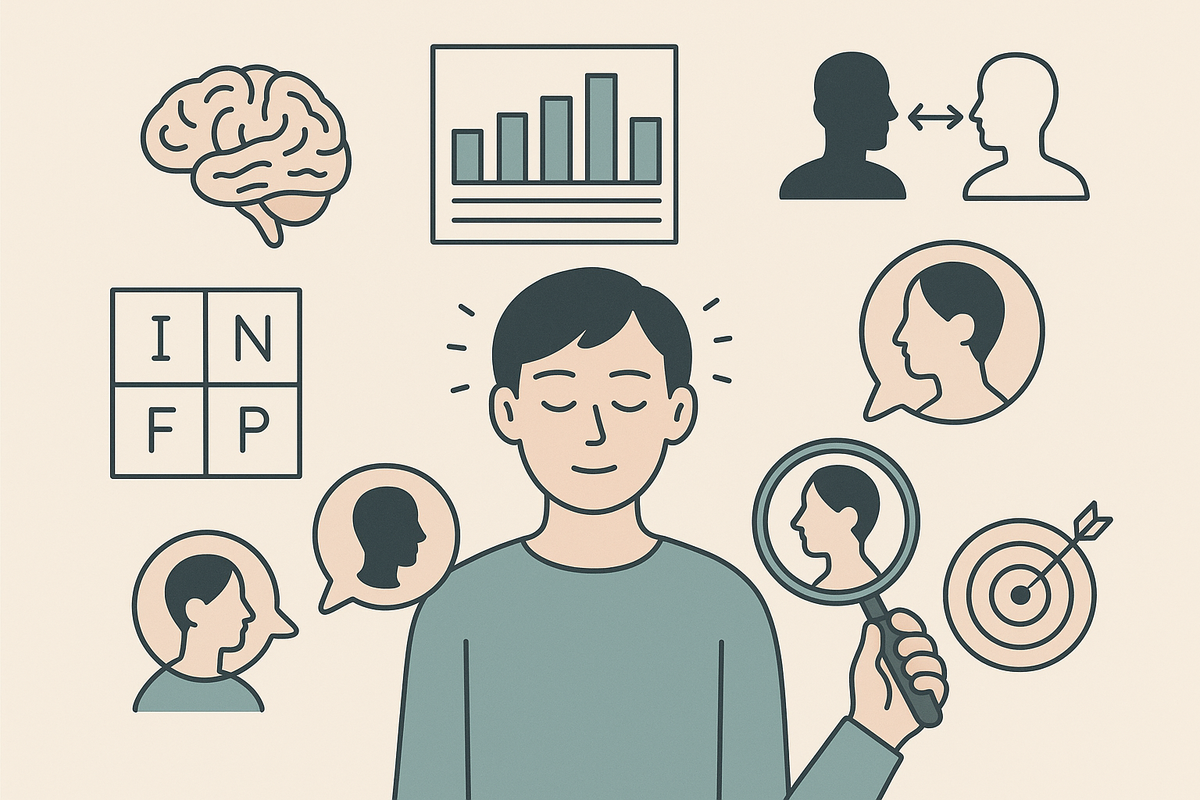
The Myers-Briggs Type Indicator (MBTI) sorts people into 16 types based on preferences across four dichotomies (Introversion/Extraversion, Sensing/Intuition, Thinking/Feeling, Judging/Perceiving). MBTI is popular for personal insight and team-building, though its scientific reliability is debated.
- Many ask, "What personality type am I?" and take MBTI quizzes to find out.
- MBTI can help you reflect, but your answers may be colored by how you want to see yourself, not how you actually behave.
Nature vs Nurture in Personality
Is your personality innate, or shaped by environment? The nature vs nurture personality debate suggests both genes and experiences play a role. Genetic studies indicate about 40-60% of personality is heritable, with the rest influenced by upbringing, culture, and life events. Understanding this balance helps you recognize that self-perception can evolve—and why feedback from others is essential.
For a deeper dive into how friends’ feedback can change your self-image, see How Friends Shape Our Self-Image: The Hidden Impact.
Section 3: The Most Common Self-Related Cognitive Biases
Self-Serving Bias
This is the tendency to credit yourself for successes ("I got the promotion because I’m talented") and blame external factors for failures ("I didn’t get the job because the interview was unfair"). Self-serving bias protects self-esteem, but it can prevent honest self-assessment and learning from mistakes.
Bias Blind Spot
Ironically, most people believe they are less biased than others—a phenomenon called the bias blind spot. This makes it especially hard to recognize and correct your own distortions, even when you can spot them in others’ thinking.
Illusory Superiority / Better-Than-Average Effect
A widespread cognitive bias about yourself is the belief that you are better than average on desirable traits—smarter, kinder, more ethical, or more attractive. Statistically, not everyone can be above average. This bias can cause overconfidence and hinder growth.
False Consensus Effect
This bias is assuming others think and behave like you do. If you’re outgoing, you might assume everyone enjoys parties; if you’re risk-averse, you might think caution is universal. This warps your understanding of social dynamics and can create misunderstandings.
Self-Relevance and Memory Biases
People remember information related to themselves more strongly—a phenomenon called the self-relevance effect. Combined with memory bias, this means you may recall events in a way that flatters or excuses yourself, reinforcing existing beliefs.
Confirmation Bias (as Applied to Self)
Confirmation bias leads you to seek, interpret, and remember information that supports your existing beliefs about yourself. If you think you’re a great leader, you’ll notice compliments and downplay criticism. This keeps self-views rigid and resistant to change.
Fundamental Attribution Error / Actor-Observer Bias
When judging others, you’re more likely to attribute their behavior to their character rather than circumstances. For yourself, you do the opposite: your failures are due to the situation, your successes to your abilities. This double standard distorts social self-awareness.
These biases can be subtle but powerful. They shape everything from your response to feedback to how you interpret results from personality tests. To see how these effects play out in group perception, try the What My Friends Think of Me Quiz.
Section 4: How Biases Distort Your Self-View and Personality Test Accuracy
Distortion in Self-Assessment
Most personality tests rely on self-reporting. If your answers are filtered through cognitive biases about yourself, the results may reflect who you want to be, not who you really are. Research shows that people often rate themselves higher on desirable traits and underreport flaws, especially when anonymity isn’t guaranteed.
- Big Five: You might score yourself as highly agreeable or conscientious because those traits are valued, even if your behavior doesn’t always match.
- MBTI: If you see yourself as creative, you may answer in ways that result in an "N" (Intuitive) type, even if you also show "S" (Sensing) traits.
Influence of Social Desirability
Social desirability bias—the tendency to respond in ways that will be viewed favorably by others—further warps personality test accuracy. This can be especially strong when you know your results might be seen by employers, friends, or even yourself.
Feedback Loops and Blind Spots
Biases create feedback loops: your distorted self-view leads to biased answers, which reinforce your original beliefs. Over time, this creates personality blind spots—areas where your self-perception and others’ perception don’t match. Without external feedback, these gaps rarely close.
Case Example: Group Feedback
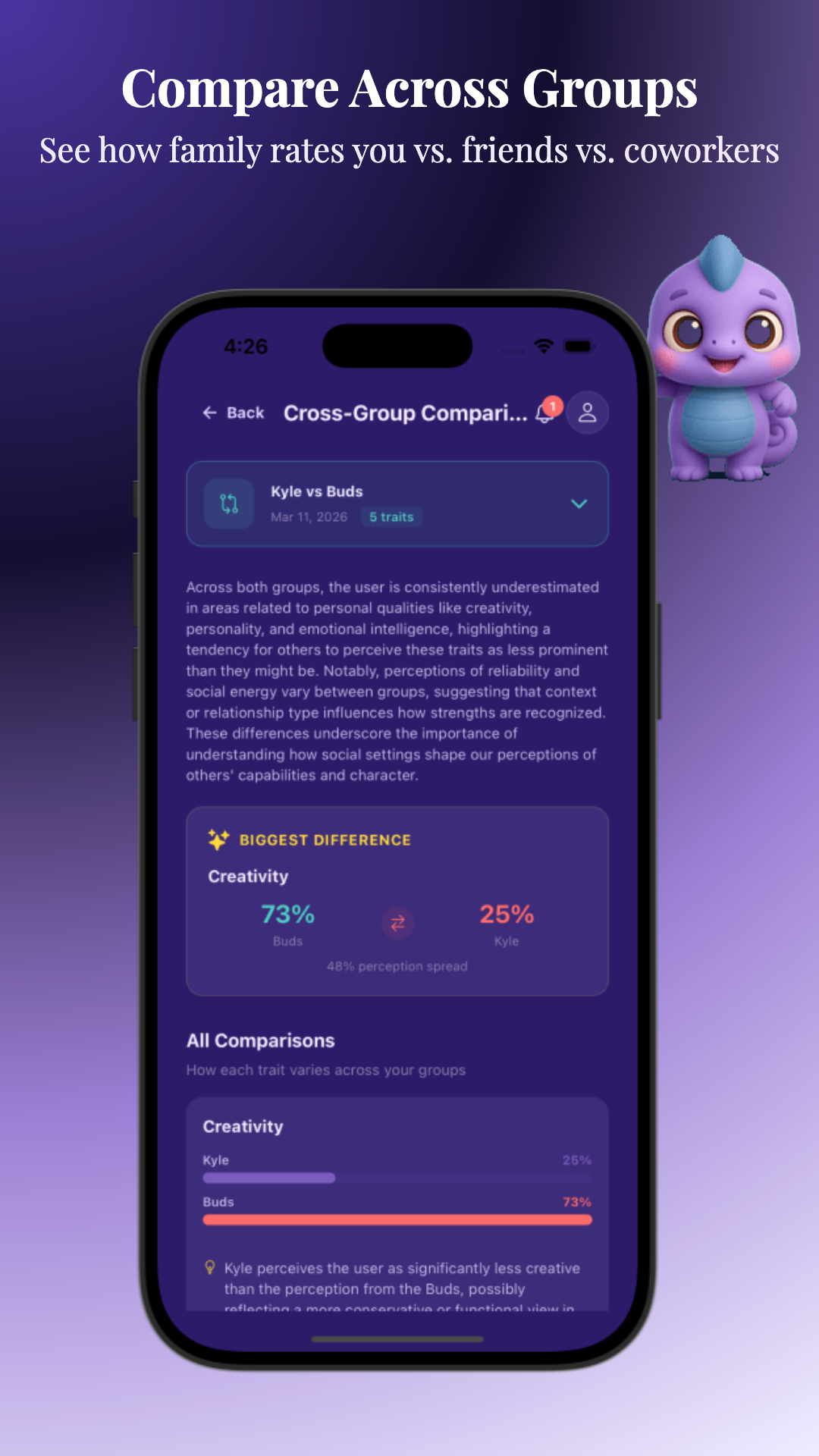
Tools like Blindspot break this cycle by allowing friends to anonymously rate your traits, offering a mirror to your self-view. You can compare your self-ratings to group averages, revealing both strengths and blind spots.
For more on uncovering these gaps, check out How to Uncover Your Social Blind Spots: Step-by-Step Guide.
Section 5: Recognizing Cognitive Biases in Daily Life
Signs You May Be Biased About Yourself
It’s easy to believe you’re objective, but signs of cognitive biases about yourself crop up in everyday life. Consider these scenarios:
- You dismiss critical feedback as "just their opinion" but take praise to heart.
- You recall successes vividly but gloss over failures.
- You assume your approach to problems is the "normal" or "best" way.
- You rarely ask for honest input about your weaknesses or blind spots.
Bias in Decision Making and Relationships
These biases influence daily decisions—choosing projects, navigating conflicts, or interpreting social cues. For example, self-serving bias might lead you to overlook your role in a failed team project, straining relationships.
How to Notice Bias as It Happens
Awareness is key. Try these strategies:
- Pause before judgment: Ask yourself, "Would I judge someone else this way?"
- Seek contrary evidence: Look for examples that disagree with your self-view.
- Solicit feedback: Use tools like Blindspot or the Johari Window Test to gather honest perspectives.
Personality Test Reflection
After taking a personality test, reflect on your answers. Were you tempted to exaggerate certain qualities? Did you skip over questions that felt uncomfortable? Honest self-reflection is the first defense against bias. For a comprehensive approach to understanding your own tendencies and personality, see our complete guide to MBTI, Big Five, and self-discovery.
Section 6: Practical Ways to Reduce Self-Bias and Improve Self-Awareness
Structured Feedback
The most effective way to reduce cognitive biases about yourself is structured feedback. Anonymous input from friends, colleagues, or mentors can reveal patterns you’ve missed. Apps like Blindspot are designed to facilitate this process by comparing your self-ratings to others’ perceptions. For more tips, review How to Get Honest Feedback from Friends: A Practical Guide.
Perspective-Taking
Deliberately putting yourself in others’ shoes helps counteract attribution errors. Before reacting defensively to criticism, ask yourself, "How might someone else interpret my actions?" This widens your understanding and challenges knee-jerk self-justifications.
Checklists and Decision Slowing
When making important decisions or evaluating your strengths, use checklists to ensure you’re considering all relevant factors—not just those that support your preferred self-view. Slow down your thinking, especially in emotionally charged situations.
- Example checklist: "Have I sought opposing viewpoints? Am I ignoring inconvenient facts?"
- Tip: Document feedback and review it regularly to track growth and recurring blind spots.
Journaling and Self-Reflection
Keep a journal of feedback and your reactions. Notice patterns in what you accept or reject, and challenge yourself to probe deeper. Over time, this builds metacognitive skill—the ability to think about your own thinking. For more on building this skill, explore our definitive guide to understanding yourself.
Use Multiple Tools
Combine personality frameworks, honest feedback, and self-reflection. The Johari Window Questionnaire is another powerful tool for mapping your knowns and unknowns.
Growth Mindset
Embrace the idea that self-perception is flexible. By accepting the reality of cognitive biases about yourself, you open the door to genuine growth—and more accurate self-knowledge.
Conclusion
Cognitive biases about yourself are both universal and deeply personal. From self-serving bias to the bias blind spot, these mental shortcuts shape how you see yourself and interpret personality test results. Understanding frameworks like the Big Five and MBTI can provide structure, but only honest feedback and self-reflection can close the gap between perception and reality.
With tools like Blindspot, you can discover how your friends see you, uncover hidden blind spots, and continually refine your self-awareness. For more resources on honest self-discovery, explore our 25 Insightful Questions to Ask Your Friends About Yourself or try our Free Question Generator.
FAQ
Q: What is the bias called when you think you are better than average?
A: This is known as "illusory superiority" or the "better-than-average effect." It describes the tendency to overestimate your abilities or qualities compared to others, even when it's statistically impossible for most people to be above average.
Q: What is the bias when you blame others for your mistakes but credit yourself for success?
A: That’s the "self-serving bias." It involves attributing your successes to your own abilities or effort, while blaming failures on outside factors. This can limit growth by preventing honest self-reflection.
Q: How do I know if I have a bias blind spot?
A: If you believe you’re less biased than others, or rarely question your own objectivity, you may have a bias blind spot. Seeking honest feedback from others and comparing it to your self-view can help reveal this bias.
Q: What is the difference between self-serving bias and confirmation bias?
A: Self-serving bias is about attributing outcomes (success or failure) to favor yourself. Confirmation bias is about seeking or interpreting information that supports what you already believe about yourself or the world. Both reinforce distorted self-perceptions, but in different ways.
Q: How can I identify my own cognitive biases?
A: Watch for patterns in how you interpret feedback, recall events, or judge your abilities. Use structured feedback tools, ask for honest input, and reflect on whether your self-view matches others’ perceptions. Resources like Blindspot and the Johari Window Test can help.
Q: What are examples of cognitive biases people have about themselves?
A: Examples include the better-than-average effect, self-serving bias, bias blind spot, false consensus effect, and confirmation bias. These influence everything from how you interpret personality test results to how you handle criticism.