10 Telling Signs of a Bad Friend (and How to Spot Good Ones Too)
Discover the key signs of a bad friend, how friend group dynamics impact you, and how to use feedback to grow. Learn to recognize healthy, supportive friendships.

Estimated reading time: 13 min
Key Takeaways
- Recognizing signs of a bad friend can protect your mental health and self-esteem.
- Healthy friendships show support, respect boundaries, and celebrate your growth.
- Friend group dynamics reveal a lot about your social strengths and blind spots.
- Anonymous feedback from friends can help you understand how others see you—and how to be a better friend yourself.
- Using tools like Blindspot can transform your approach to self-knowledge and relationships.
Table of Contents
- Section 1: The Essential Signs of a Bad Friend
- Section 2: Signs of a Good Friend—What Healthy Friendship Looks Like
- Section 3: Deeper Red Flags—Subtle and Overlooked Warning Signs
- Section 4: Friend Group Dynamics and Roles—Spotting Patterns
- Section 5: How Bad Friendships Affect Your Self-Esteem and Mental Health
- Section 6: What Your Friends Say About You—Harnessing Feedback for Growth
Section 1: The Essential Signs of a Bad Friend
One-Sided Effort and Lack of Reciprocity
If you’re always the one reaching out, making plans, or offering support, it’s a strong sign of a bad friend. Healthy relationships are reciprocal, with both people investing time and care. When the effort is consistently one-sided:
- You may feel drained or unappreciated.
- Your needs and milestones might be overlooked.
- The friendship may feel transactional, not genuine.
For example, if you’re the one remembering birthdays, organizing get-togethers, or following up after a tough day, but your friend never reciprocates, this imbalance can accumulate resentment. Over time, you may even notice your friend expects your support but rarely offers the same. Reflect on how often you initiate versus how often they do—if it’s overwhelmingly one-sided, this is a red flag.
It’s also common to see a pattern where your "friend" is only available when it’s convenient for them, or when they need something from you. If you test this by pulling back and notice they don’t reach out at all, it’s a clear sign the relationship is not as mutual as you hoped.
Boundary Violations and Disrespect for Personal Space
Good friends respect your boundaries—emotional, physical, and digital. Bad friends often ignore or trample these limits, whether that means showing up uninvited, demanding constant attention, or oversharing your secrets. Common boundary violations include:
- Pressuring you to do things you’re uncomfortable with.
- Mocking or dismissing your feelings or preferences.
- “Joking” at your expense without considering your comfort.
Repeatedly being pushed into situations you’ve said "no" to—like being pressured to go out when you need rest, or being guilted for not sharing private matters—can signal a lack of respect. Digital boundary violations might include your friend reading your messages without permission, tagging you in unflattering photos, or spreading inside jokes publicly, even after you’ve asked them to stop. If your boundaries are routinely tested or ignored, it chips away at your sense of safety and trust.
Insults, Criticism, and Putting You Down
Everyone teases their friends now and then, but consistent criticism, backhanded compliments, or outright insults are major red flags. A bad friend may:
- Minimize your achievements or compare you unfavorably to others.
- Use sarcasm or “honesty” as a cover for hurtful comments.
- Make you feel small or insecure in group settings.
Over time, these behaviors can erode your confidence and make you question your worth.
For instance, if your friend frequently says things like, “You’re so lucky you finally managed to pass that test,” or “At least you’re not as bad as so-and-so,” it’s not supportive—it’s diminishing. These comments often get brushed off as jokes, but repeated exposure leaves a mark. In group settings, the effect is amplified: you may feel embarrassed or alienated, especially if others laugh along. If you find yourself dreading their "teasing" or feeling less confident after hanging out, pay attention. A true friend should build you up, not break you down.
Section 2: Signs of a Good Friend—What Healthy Friendship Looks Like
Mutual Support and Empathy
Good friends are your cheerleaders and your safety net. They celebrate your wins, comfort you during losses, and check in even when nothing is “wrong.” Key signs of a good friend include:
- Asking about your well-being and genuinely listening.
- Offering help without expecting something in return.
- Providing honest, gentle feedback when needed.
Empathy is shown when friends remember the details of your life and ask follow-up questions later. For example, if you mention feeling anxious about a job interview, a good friend will check in afterward to see how it went. Their support is ongoing—not just when it’s convenient or when they want something. They validate your feelings and offer comfort, whether you’re celebrating, grieving, or simply having a bad day.
Respect for Boundaries and Autonomy
Trustworthy friends respect your decisions and honor your boundaries. They don’t guilt you into activities or judge your choices. Instead, they encourage your independence and growth, even if it means spending less time together. This helps you stay true to yourself in the relationship.
For example, if you need a quiet night in instead of going out, a good friend will understand and support your choice. They won’t pressure you or take it personally if you need space. This respect for autonomy is crucial as it allows both people to grow and evolve without fear of losing the friendship. It also creates a foundation of trust—knowing you can be honest and assertive without negative repercussions.
Reliability and Consistency
True friends show up—literally and figuratively. They keep promises, follow through on plans, and are present when you need them most. Consistency builds trust, making it easier to navigate challenges together.
- They don’t disappear when things get tough.
- They balance giving and receiving support.
- They make time for you, even with busy lives.
Reliability is proven over time. If a friend consistently cancels plans last minute or is only around for the good times, that’s not reliability. A good friend will check in during your tough days, help you problem-solve, or simply listen when you need to vent. If you’re moving apartments, struggling with a project, or going through a breakup, a reliable friend won’t make excuses—they’ll offer their time and attention. Even short, regular check-ins (“Just wanted to see how you’re doing!”) are a sign of someone who values your well-being. Over years, small acts of consistency add up to a deep, trusting connection.
Want more on healthy relationships? See How Friends Shape Our Self-Image: The Hidden Impact for deeper insight into positive friendship dynamics.
For a comprehensive look at what makes a friendship truly healthy, check out these 10 signs of a good friend that can guide you toward more supportive connections.
Section 3: Deeper Red Flags—Subtle and Overlooked Warning Signs
Gossip, Betrayal, and Sharing Secrets
A core sign of a bad friend is breaking your trust—especially by gossiping behind your back or sharing your secrets without consent. Even “small” betrayals can add up, leaving you feeling exposed and wary. Watch for:
- Repeating things you asked to keep private.
- Talking badly about others—if they gossip to you, they’ll likely gossip about you.
- Stirring up drama within your friend group.
Consider situations where you’ve confided in someone about a personal struggle, only to hear it repeated to another friend. Or, perhaps you notice your friend consistently brings up others’ secrets to you. This behavior may seem harmless in the moment, but it signals unreliability and a disregard for your privacy. Over time, it can make you hesitant to open up, stifling true emotional intimacy. The "drama-starter" friend thrives on creating tension—spreading rumors or exaggerating stories to cause conflict. If you often feel on edge, wondering what will be shared next, this is a subtle but significant warning sign.
Jealousy, Competition, and Minimizing Your Success
Healthy friends lift you up. Toxic ones downplay or ignore your accomplishments, sometimes even mocking or resenting your progress. Signs include:
- Making your achievements about themselves.
- Rarely celebrating your wins, but quick to highlight your failures.
- Subtle digs or left-handed compliments when you succeed.
These behaviors can be nuanced: a friend may say, "You got promoted? I heard that department isn’t doing well anyway," or "Congrats on your new apartment—must be nice to have parents who help out." Rather than expressing genuine happiness, they diminish your joy. Notice if you hesitate to share good news out of fear of their reaction. Over time, this dynamic discourages you from celebrating your own growth and can breed insecurity. True friends are genuinely happy for you—even if they are struggling themselves.
Controlling Behavior, Manipulation, and Guilt-Tripping
Instead of supporting your choices, a bad friend might try to control or manipulate you:
- Making you feel guilty for spending time with others.
- “Keeping score” and reminding you of favors or past support.
- Threatening to withdraw friendship or give you the silent treatment if you don’t comply.
These tactics erode trust and make you question your decisions.
Manipulation can be subtle—phrases like, "After all I’ve done for you…" or "I guess you’d rather be with them than me," are meant to induce guilt and make you question your choices. Bad friends may also try to isolate you from other relationships, subtly undermining your connections with family or other friends. The "scorekeeper" friend will tally every favor, making you feel indebted. Over time, these behaviors foster dependence and anxiety, making it harder to assert your needs. If you notice that you’re constantly adjusting your actions to avoid upsetting someone, it’s time to step back and assess the health of the friendship.
Section 4: Friend Group Dynamics and Roles—Spotting Patterns
The Influence of Friend Group Dynamics
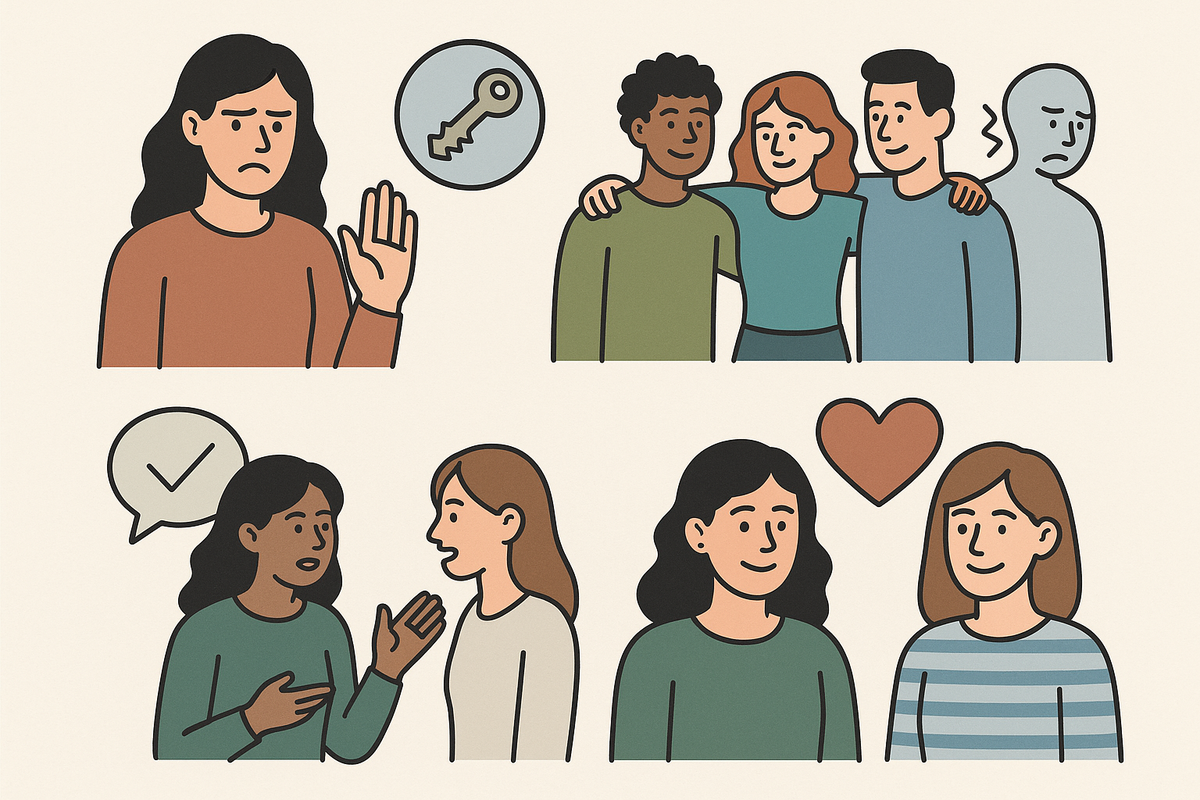
Your friend group is a complex social ecosystem. Each member plays distinct roles—leader, mediator, supporter, or sometimes, the “instigator.” Understanding group dynamics helps you spot not just individual bad friends, but unhealthy patterns that impact everyone.
- Are certain friends always at the center, while others fade into the background?
- Do some consistently dominate conversations or decision-making?
- Is there pressure to conform to group norms or inside jokes?
Group dynamics can influence how you behave and feel. For example, if there’s a dominant "leader" who dictates what the group does, others may feel pressured to follow along, even if they’re uncomfortable. Conversely, if you’re always the "mediator," you may feel responsible for smoothing over conflicts but get little recognition or support yourself. These roles can be empowering or draining, depending on the group’s balance. Take note if someone is often excluded or if smaller sub-groups form within the larger group—these are signs of cliques, which can encourage unhealthy competition or resentment.
How Group Roles Shape Your Social Experience
Some roles are positive—like the supportive listener or the motivator. Others, less so. Bad friends may:
- Play the “victim” or “drama-starter,” creating tension for attention.
- Encourage risky behavior to test loyalty or boundaries.
- Form cliques or exclude others, breeding insecurity.
These roles often repeat across different groups. The “drama-starter” may stir up conflict to feel important, while the "victim" may use guilt to manipulate group decisions. If you notice the same arguments or behaviors cropping up again and again, pay attention to who initiates or escalates problems. Sometimes, a group can enable negative behaviors—like ignoring boundary violations or brushing off cruel jokes as "just our sense of humor." Over time, these patterns shape your sense of what’s "normal" in friendships, even when it’s unhealthy.
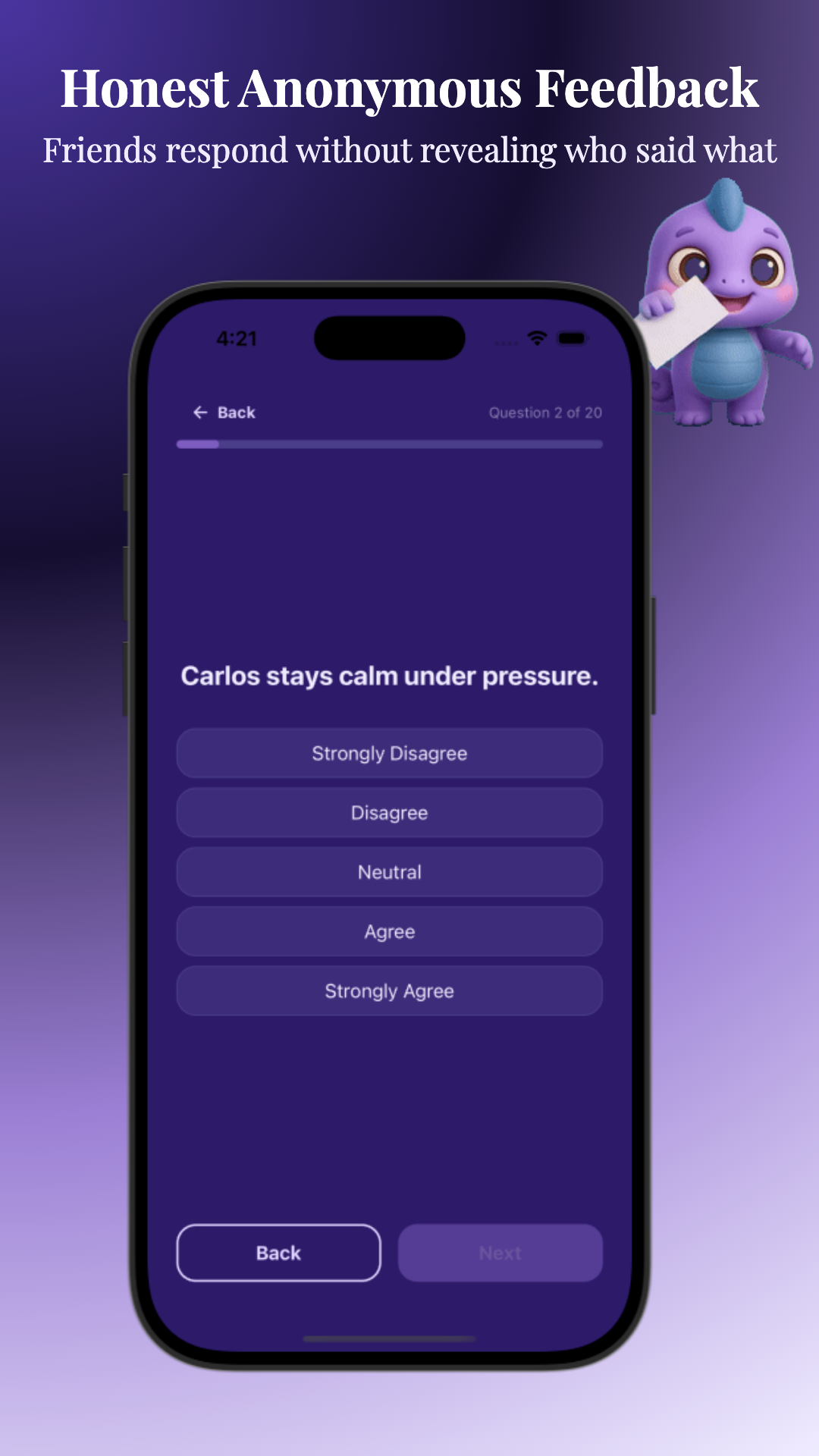
For a practical approach to spotting your group role, try social feedback tools or quizzes. Blindspot, for example, lets your group anonymously share what they think about your strengths and weaknesses, revealing hidden dynamics and blind spots.
What Group Patterns Reveal About You
If you keep asking “why do I have few friends?” or struggle to find your place, consider both your behavior and the group’s structure. Sometimes friend groups reinforce bad habits—or spotlight what you might want to work on for healthier connections. See the What My Friends Think of Me Quiz for a self-discovery deep dive.
For example, if you often end up mediating conflicts or feeling like the "outsider," it may be a reflection of both your tendencies and the group’s dynamics. Are you quieter in groups because others are more dominant, or do you withdraw because you don’t feel valued? Identifying these patterns can help you decide whether to address the group dynamic, seek new friends, or adjust your approach to group interactions. Sometimes, changing roles—like stepping back from being the "fixer" or "peacemaker"—can shift the group’s energy and reveal who truly values you for who you are.
Section 5: How Bad Friendships Affect Your Self-Esteem and Mental Health
Impact on Self-Esteem
Bad friendships can chip away at your self-worth, especially if you’re constantly criticized, excluded, or manipulated. Over time, you may:
- Doubt your abilities or question your decisions.
- Feel unworthy of real support or kindness.
- Absorb negative feedback as a reflection of your value.
When you’re surrounded by negativity or subtle put-downs, it’s easy to internalize those messages. For example, if a friend consistently downplays your successes or ignores your needs, you might start to believe you don’t deserve better. This erosion of self-esteem can spill into other areas of life, affecting your performance at work or school, your willingness to pursue new opportunities, and your comfort being yourself around others. If you catch yourself thinking, “Maybe I expect too much from people,” or “Maybe I’m just difficult,” it’s worth reflecting on whether your friends are reinforcing these doubts. For more on understanding yourself and your relationships, see Understanding Your Friendships: Signs, Dynamics, and Deeper Insight.
Stress, Anxiety, and Emotional Drain
Toxic friendships are mentally and physically exhausting. You might notice:
- Increased stress when interacting with certain friends or groups.
- Obsessing over what your friends say about you behind your back.
- Difficulty relaxing, being yourself, or trusting new people.
Bad friendships can cause you to "walk on eggshells," constantly monitoring your words and actions to avoid conflict or criticism. This hypervigilance drains your energy, making social interactions feel more like a test than a source of comfort. You may also experience physical symptoms: headaches, trouble sleeping, or changes in appetite before or after seeing certain friends. If you find yourself dreading group chats, feeling anxious at the thought of upcoming plans, or replaying negative conversations in your mind, your body is signaling that something in the relationship is unhealthy.
The Risk of Bad Influence
Unhealthy friends can pressure you into risky behavior—drinking, drugs, unhealthy relationships, or skipping responsibilities. This not only impacts your self-esteem, but can also have long-term consequences for your well-being. Healthy boundaries are crucial for protecting your mental and emotional health.
Peer pressure isn’t always obvious. Sometimes, it’s as simple as a friend encouraging you to stay out late before an important meeting, or egging you on to join in gossip or bullying. These moments may seem minor, but they add up—especially if you go along to keep the peace. Over time, you may lose sight of your own values or priorities in order to fit in. If you notice your behavior changing in ways you don’t like, or if you feel guilty after hanging out with certain friends, it’s a sign to reassess the relationship. Your future self will thank you for choosing friends who respect your boundaries and encourage healthy choices.
If you’re struggling with the fallout of bad friendships, consider using self-reflection tools like the Johari Window Test to clarify your values and needs.
For a deeper understanding of how your friendships shape your self-image and how you can bridge the gap between how you see yourself and how others see you, explore how others see you and learn to close the perception gap.
Section 6: What Your Friends Say About You—Harnessing Feedback for Growth
The Power of Honest Feedback
Understanding how others perceive you is key to becoming a better friend—and building healthier relationships. Sometimes, the gap between how you see yourself and how friends see you (your "blind spots") can lead to misunderstandings or missed opportunities for growth.
- Are you unintentionally coming across as distant or unreliable?
- Do friends see strengths you overlook?
- Is your communication style helping or hurting your connections?
Honest feedback can reveal both your strengths and your areas for improvement. For example, you may think you’re a great listener, but friends might wish you’d offer more advice or share more about yourself. Or, you may overlook your ability to stay calm during conflicts—a trait others deeply value. Recognizing these blind spots is not about feeling bad; it’s about seeing yourself more clearly and developing deeper connections as a result.
How to Get Constructive Feedback
Direct conversations can be awkward, which is why tools like Blindspot enable anonymous, honest feedback from your friend group. You can:
- Ask targeted questions (e.g., "What’s one thing I could improve as a friend?").
- Compare your self-perception with group insights.
- Identify patterns across different friendships or friend groups.
To get the most out of feedback, be specific in your requests. Instead of “Do you like having me as a friend?” try asking, “Is there something I do that bothers you but you’ve never mentioned?” or “Is there a time you felt especially supported by me?” Anonymous surveys or digital tools like Blindspot make it easier for friends to be honest without worrying about hurting your feelings. After you receive feedback, look for recurring themes—do several people mention the same strength or weakness? These patterns are often the most valuable insights for personal growth.
Feedback is most effective when it’s ongoing. Make it a habit to check in with friends, especially after conflicts or big changes. If you’re unsure how to interpret feedback, ask clarifying questions or seek examples. The goal isn’t to please everyone, but to understand how your actions affect those around you and to build healthier, more authentic relationships.
Using Feedback to Grow (and Avoid Being a Bad Friend)
If you recognize some signs of a bad friend in your own behavior, don’t panic. Self-awareness is the first step to change. Focus on:
- Listening without defensiveness.
- Apologizing for past mistakes and making amends.
- Setting (and respecting) healthy boundaries with others, too.
Growth is a process, not a one-time fix. If feedback reveals that you interrupt often, become defensive, or struggle to be consistent, commit to small, actionable changes. For example, if you tend to cancel plans last minute, try setting reminders or being more realistic about your availability. If you’ve crossed boundaries, acknowledge it directly: “I realized I shared your story without permission. I’m sorry, and I won’t do that again.” Friends appreciate honesty and genuine effort to improve.
Remember, nobody is perfect. The healthiest friendships are built on mutual effort, empathy, and honest communication. By making space for feedback—and acting on it—you not only become a better friend, but you also encourage those around you to do the same. Self-improvement is contagious; your willingness to grow can inspire others to reflect on their own behaviors. Don’t be afraid to revisit feedback regularly to track your progress and keep strengthening your relationships.
Want to dig deeper? Try the How to Get Honest Feedback from Friends: A Practical Guide for actionable steps on soliciting and using feedback constructively.
Conclusion
Recognizing the signs of a bad friend—and the traits of a good one—is essential for building stronger, more supportive relationships. Friend group dynamics, subtle red flags, and honest feedback all play a role in shaping your experience and self-image. By seeking out self-awareness tools and listening to what your friends say about you, you can uncover your own blind spots and grow into the friend you aspire to be.
Ready to transform your friendships and see yourself through your friends' eyes? Explore Blindspot and start your journey to deeper self-knowledge and better connections today.
FAQ
Q: What are the most common signs of a bad friend?
A: The most common signs include one-sided effort, disrespecting boundaries, frequent criticism or insults, unreliability, gossiping, jealousy, and manipulation. These behaviors make you feel unsupported, drained, or insecure in the friendship.
Q: How do you know if a friend is toxic or just going through a hard time?
A: Consider the consistency and intent behind their actions. Toxic behavior is a pattern—persistent boundary violations, manipulation, or criticism—while a friend going through a tough time may temporarily act differently but shows remorse and effort to improve once aware.
Q: What are subtle signs that someone is a bad friend?
A: Subtle signs include making backhanded compliments, excluding you from group plans, minimizing your success, or using guilt to control your actions. These can be harder to spot but are damaging over time.
Q: How can you tell if a friend is using you?
A: If a friend only reaches out when they need something, rarely supports you in return, or disappears when you need help, they may be using you. Notice if the relationship feels transactional rather than mutual.
Q: What should you do when a friend keeps crossing your boundaries?
A: Clearly communicate your boundaries and explain how their behavior affects you. If they continue to disregard your needs, it may be time to distance yourself or reconsider the friendship for your well-being.
Q: Can a bad friendship affect your mental health?
A: Yes, toxic friendships can increase stress, anxiety, and lower self-esteem. They may also make it harder to trust others or form healthy relationships in the future. Prioritizing supportive friendships is vital for mental health.