10 Signs of a Good Friend: Your Guide to Healthy Friendships
Discover the key signs of a good friend, spot bad friend traits, and learn to build stronger friendships with practical tips and insights.

Estimated reading time: 13 min
Key Takeaways
- Learn to recognize the top signs of a good friend—and the red flags of a bad friend.
- Understand how friend group dynamics shape your self-image and growth.
- Discover how anonymous feedback and honest conversations reveal what your friends say about you.
- Find actionable steps on how to be a better friend and improve your relationships.
- Explore why you might have few friends and how to cultivate healthier, more rewarding connections.
Table of Contents
- Section 1: The Core Signs of a Good Friend
- Section 2: Warning Signs of a Bad Friend
- Section 3: Friend Group Dynamics and Roles
- Section 4: What Your Friends Say About You—Why It Matters
- Section 5: How to Be a Better Friend
- Section 6: Why Do I Have Few Friends? Understanding the Gaps
- Conclusion
- FAQ
Section 1: The Core Signs of a Good Friend
1. Trust and Reliability
The foundation of any strong friendship is trust. A good friend keeps your confidences, respects your privacy, and follows through on promises. You can rely on them—not just when it’s easy, but especially when things get tough. Consistent reliability is one of the clearest signs of a good friend, as it shows commitment and care.
- Shows up when you need support, not just during good times.
- Doesn’t gossip about your secrets.
- Keeps their word and honors commitments.
2. Supportive in Difficult Times
Life throws curveballs, and the people who stick by your side when you’re struggling are the ones who matter most. Good friends offer emotional support, encouragement, and sometimes practical help. They don’t disappear when things get hard; instead, they ask how you’re doing, listen without judgment, and help you navigate stress or loss.
- Checks in when you’re having a rough week.
- Offers genuine empathy rather than empty platitudes.
- Helps problem-solve or simply sits with you in silence if that’s what you need.
3. Honest, Direct Communication
Honesty is another cornerstone. A good friend tells you the truth even when it’s uncomfortable—but always with kindness and your best interests at heart. They give you constructive feedback, not criticism. You can discuss misunderstandings openly, knowing it won’t end the friendship.
- Shares observations gently, not harshly.
- Isn’t afraid to disagree respectfully.
- Apologizes and forgives when mistakes happen.
4. Empathy and Emotional Understanding
Empathy is the ability to put themselves in your shoes. Good friends notice your moods, understand your struggles, and validate your feelings. They show compassion, whether you’re celebrating a win or picking up the pieces after a loss.
- Remembers important dates and milestones in your life.
- Offers comfort and reassurance.
- Celebrates your successes without jealousy.
5. Respect for Boundaries
Healthy friendships respect boundaries—both emotional and physical. A good friend recognizes when you need space, honors your time, and doesn’t pressure you into things you’re uncomfortable with. They listen when you say "no," and don’t take it personally.
- Lets you recharge alone when needed.
- Doesn’t demand constant attention.
- Respects your other relationships and commitments.
6. Mutual Care and Consistency
A real friendship is a two-way street. Both people invest effort, check in, and make plans. Good friends don’t leave you doing all the work to maintain the connection. There’s a natural balance of giving and receiving care.
- Reaches out, not just waits for you to do so.
- Remembers small details about your life.
- Makes time for you, even with a busy schedule.
7. Authenticity and Nonjudgment
You should feel comfortable being yourself around a good friend. There’s no need to perform or hide parts of your personality. They accept you as you are, flaws and all, and never belittle your quirks or vulnerabilities.
- Encourages you to be genuine.
- Doesn’t mock or shame you for your interests.
- Supports your self-improvement without demanding you change who you are.
8. Positive Energy and Fun
After spending time together, you feel uplifted, not drained. Good friends bring out your best, make you laugh, and help you see the bright side. They don’t feed negativity or drama. Instead, their energy is contagious in the best possible way.
- Plans activities you both enjoy.
- Finds humor in tough situations.
- Leaves you feeling better about yourself and life.
9. Celebrates Your Growth
Growth is a key part of life, and a good friend encourages your journey. They cheer for your goals, offer honest feedback, and never hold you back out of jealousy or insecurity. Your achievements are their victories, too.
- Celebrates your milestones, big and small.
- Encourages you to pursue dreams and passions.
- Offers guidance without controlling your choices.
10. Handles Conflict Respectfully
No friendship is conflict-free. What matters is how disagreements are handled. Good friends communicate issues, apologize when wrong, forgive quickly, and avoid keeping score. They value the relationship over being "right."
- Listens during arguments instead of just reacting.
- Can agree to disagree respectfully.
- Moves past conflict without lingering resentment.
Section 2: Warning Signs of a Bad Friend
Recognizing Red Flags
Spotting the signs of a bad friend is just as important as identifying positive traits. Some friendships can be toxic or one-sided, draining your energy and self-worth. Awareness is the first step to protecting yourself. For a deeper dive, see 10 telling signs of a bad friend (and how to spot good ones too).
- Consistently cancels plans or doesn’t show up when promised.
- Only reaches out when they need something, not to check on you.
- Gossips about you or shares your secrets without permission.
- Competes with you instead of supporting your achievements.
- Dismisses your feelings, minimizes your problems, or mocks your vulnerabilities.
Manipulation and Control
Some bad friends manipulate situations to their advantage. They might guilt-trip you, pressure you into things, or use emotional blackmail. If you often feel anxious, exhausted, or like you’re "walking on eggshells," these are strong warning signs.
- Uses your insecurities against you.
- Blames you for their problems or moods.
- Takes but rarely gives back.
Lack of Respect for Boundaries
A friend who ignores your boundaries—whether it’s your time, space, or feelings—can erode your confidence. They might constantly ask for favors, intrude on private matters, or get upset when you set limits.
- Ignores "no" or tries to persuade you to change your mind.
- Invades your privacy or pressures you to share more than you want.
- Mocks your choices or lifestyle.
Drama and Negativity
If every interaction leaves you feeling worse, pay attention. Bad friends often spread negativity, stir up drama, or involve you in conflicts that aren’t yours. Over time, this can affect your mental health and self-esteem.
- Thrives on gossip and rumors.
- Rarely celebrates your happiness.
- Pulls you into their problems but disappears when you need help.
What To Do Next
If you notice several of these signs, it may be time to rethink the friendship or set firmer boundaries. Self-awareness tools like Blindspot can help you reflect on your friendships and get honest, anonymous feedback about your social blind spots. For more strategies, check out our guide: How to Uncover Your Social Blind Spots.
Section 3: Friend Group Dynamics and Roles
Understanding Group Roles
Every friend group has its own dynamic—a web of personalities, roles, and unwritten rules. Understanding friend group dynamics can help you find your place and spot patterns that may influence your self-image, for better or worse. For more, see understanding your friendships: signs, dynamics, and deeper insight.
- The Leader: Organizes plans, sets the group’s tone, and mediates conflict.
- The Supporter: The empathetic listener, always there for advice or comfort.
- The Joker: Brings humor, lightens the mood, and eases tension in the group.
- The Challenger: Pushes the group to grow, questions assumptions, and sparks debate.
- The Connector: Bridges different subgroups, introduces new people, and keeps everyone included.
How Group Dynamics Impact You
Your role in a friend group can deeply affect how you see yourself and how others see you. For example, if you’re always the "listener," you might feel overlooked. If you’re the "organizer," you may feel burdened if others don’t contribute.
- Group pressure can shape your choices and opinions.
- Some roles (like peacemaker) can lead to burnout if not balanced.
- Healthy groups allow members to shift roles and support each other’s growth.
Signs of a Healthy Friend Group
- There’s space for everyone to speak and be heard.
- Group celebrates individual achievements, not just collective ones.
- Differences are accepted, not shamed.
- Conflict is addressed directly, not ignored or escalated.
Signs of Unhealthy Group Dynamics
- Cliques or subgroups cause exclusion.
- One person dominates or manipulates the group.
- Gossip and backstabbing are common.
- Members feel drained or anxious after group interactions.
Reflection and Self-Discovery
Not sure what role you play? Tools like the Johari Window Test and apps like Blindspot can help you see yourself through your friends’ eyes. Try inviting your group to answer anonymous questions and see if your self-perception matches what your group says about you. You might uncover hidden strengths—or blind spots you didn’t know existed.
Section 4: What Your Friends Say About You—Why It Matters
The Power of Honest Feedback
Ever wondered, what do my friends say about me when I’m not around? Their feedback—whether direct or indirect—offers valuable clues about your strengths, weaknesses, and social blind spots. While self-perception is important, it’s often incomplete. We all have traits we can’t see in ourselves.
- Friends can highlight qualities you take for granted, like humor or reliability.
- They may notice patterns—like interrupting or withdrawing during stress—that you miss.
- Positive feedback boosts confidence; constructive criticism sparks growth.
The Blindspot Effect
The gap between how you see yourself and how your friends see you is known as a "blind spot." Sometimes, your intentions don’t match how you come across. For example, you may believe you’re supportive, but friends might wish you’d reach out more often. Learn more about personality blind spots here.
How to Get Honest Input
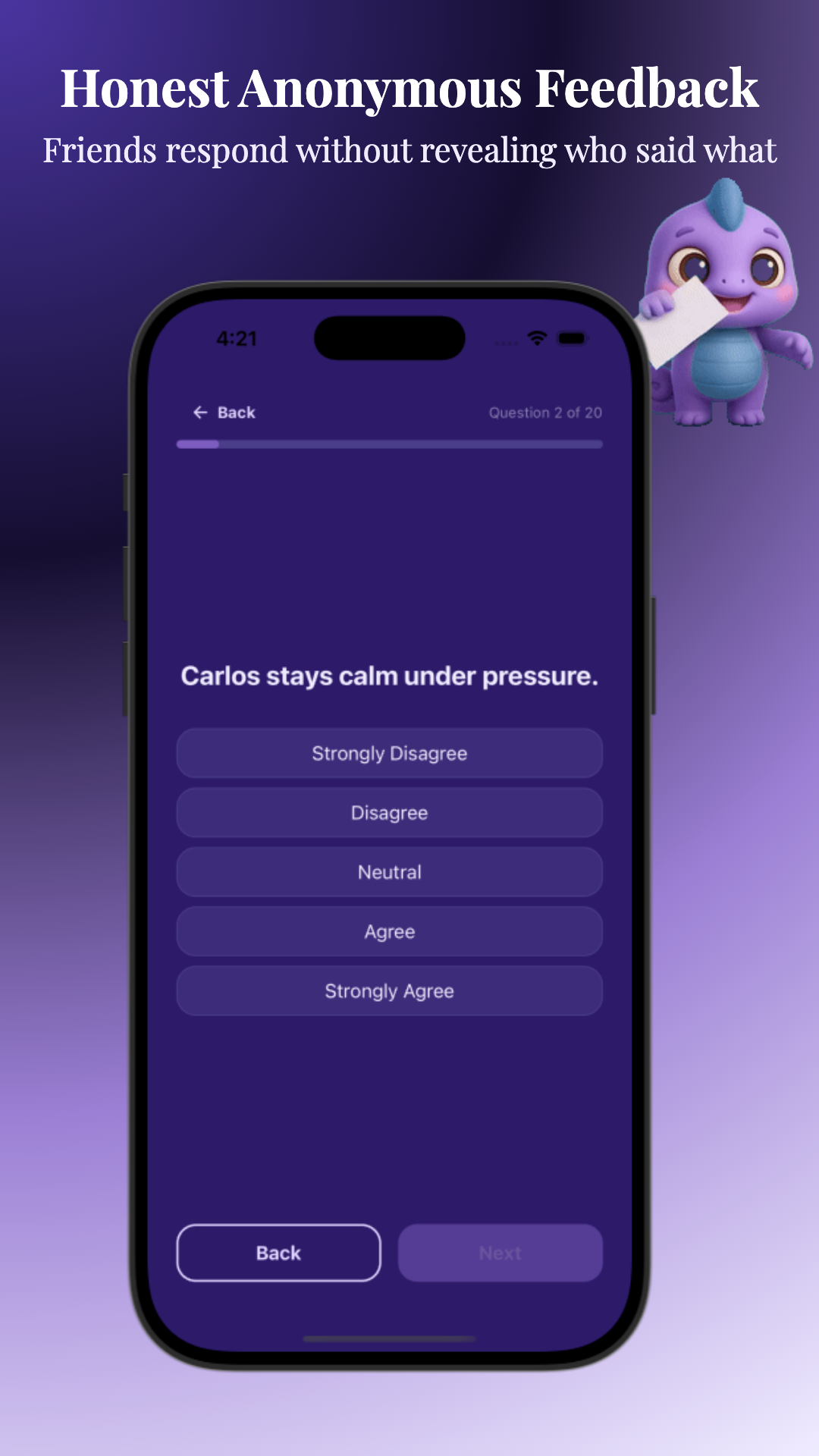
Getting real feedback isn’t always easy—friends may avoid tough truths to spare your feelings. That’s where tools like Blindspot shine. Friends answer questions about you anonymously, making it easier to surface what they actually think, without fear of awkwardness or fallout. For practical steps, see How to Get Honest Feedback from Friends.
Using Feedback for Growth
- Compare your self-perception with friends’ input to identify strengths and areas for development.
- Set goals based on recurring feedback themes.
- Ask follow-up questions to clarify misunderstandings or deepen the conversation.
Blindspot makes this easy, with built-in quizzes and AI-powered insights that help you grow into the friend you want to be. Try it at Blindspot.
Section 5: How to Be a Better Friend
Self-Reflection and Openness
Improving your friendships starts with self-awareness. Ask yourself: How do I show up for my friends? Where could I do better? Honest reflection, paired with feedback from others, creates real change. Take time to review your strengths and weaknesses—and don’t be afraid to ask friends for their perspective. For more, see our What My Friends Think of Me Quiz. For a broader understanding, explore self-awareness: the definitive guide to understanding yourself.
Actionable Steps to Improve
- Listen Actively: Focus on their words, ask follow-up questions, and avoid distractions.
- Show Appreciation: Express gratitude for their presence in your life, both in words and actions.
- Be Present: Put away your phone, make eye contact, and give your full attention.
- Offer Support: Check in regularly, celebrate their wins, and help during tough times.
- Respect Boundaries: Honor their need for space or alone time.
- Apologize and Forgive: Own your mistakes and move forward without holding grudges.
Building Consistency
Small gestures add up. Send a quick text, remember important dates, or suggest regular check-ins. Don’t leave all the effort to your friends—reciprocity is key. Over time, these actions build trust and deepen your bond.
Resource: Questions to Spark Better Friendships
If you’re not sure where to start, use these 25 insightful questions to ask your friends about yourself. They’re designed to open up honest conversations about strengths, growth areas, and shared memories.
Section 6: Why Do I Have Few Friends? Understanding the Gaps
Common Reasons for Having Few Friends
Many people wonder, why do I have few friends? It’s a universal question, especially in adulthood. The answer often lies in a combination of personal habits, life circumstances, and deeper social blind spots.
- Major life transitions (moving, changing jobs, having children) can disrupt existing friendships.
- Social anxiety or introversion might make it harder to initiate or maintain new connections.
- High standards or fear of vulnerability can keep potential friends at a distance.
- Past experiences with bad friends may lead to caution or withdrawal.
Blind Spots and Perceptions
Sometimes, the issue isn’t a lack of opportunity, but a disconnect between how we see ourselves and how others see us. You may not realize that you come across as distant, distracted, or uninterested. Feedback from trusted friends or tools like Blindspot can reveal these hidden patterns.
- If friends say you rarely initiate plans, try reaching out more often.
- If you’re told you interrupt, practice more mindful listening.
- If you seem withdrawn, explain if you’re overwhelmed so friends don’t take it personally.
Building New Connections
Making new friends as an adult takes effort and vulnerability. Start small:
- Join interest-based groups, clubs, or classes.
- Reconnect with old friends or acquaintances.
- Be proactive in reaching out, even if it feels awkward.
- Volunteer, attend local events, or use social apps to find like-minded people.
Quality Over Quantity
Having a few close, genuine friends is far better than having many superficial connections. Focus on cultivating depth and authenticity—the signs of a good friend matter more than the size of your circle.
For deeper self-reflection, explore the Johari Test or try the Free Question Generator to start honest conversations.
Conclusion
Healthy friendships are built on trust, empathy, honesty, and respect. The signs of a good friend are easy to spot when you know what to look for—and just as important, knowing the signs of a bad friend helps you protect your well-being. Group dynamics, honest feedback, and self-awareness all play key roles in shaping your relationships. If you’re ready to uncover your own blind spots and grow as a friend, try out Blindspot for anonymous insights and actionable feedback. Remember: friendship is a journey, not just a destination. Invest in it, reflect on it, and enjoy the rewards of genuine connection.
FAQ
Q: What are the signs of a genuinely good friend?
A: Signs include trustworthiness, showing up in tough times, honest but kind feedback, empathy, respect for boundaries, mutual effort, and making you feel valued and understood.
Q: How do you know if someone is a true friend?
A: A true friend supports you consistently, respects your boundaries, communicates openly, and sticks around during difficulties—not just when it’s convenient.
Q: What qualities make a good friend?
A: Key qualities are reliability, empathy, honesty, respect, positivity, reciprocity, and the ability to handle conflict constructively.
Q: What does a healthy friendship look like?
A: Healthy friendships have open communication, shared joy, respectful disagreements, support during hardships, and room for individual growth.
Q: How can you tell if a friend is trustworthy and loyal?
A: Trustworthy friends keep your confidences, honor their commitments, and support you even when it’s inconvenient for them.
Q: How do good friends act during hard times?
A: Good friends check in, offer nonjudgmental support, listen actively, and help you cope—without making it about themselves.