Social Media and Self Confidence: Impacts on Self-Image in the Digital Era
Explore how social media and self confidence shape self-image in the digital era. Discover positive influences and pitfalls, with research-based insights.

Estimated reading time: 9 minutes
Key Takeaways
- Social media can both boost and erode self-confidence through community support and constant comparison.
- Authentic role models and peer encouragement strengthen self-image and self-esteem.
- Unrealistic standards, cyberbullying, and external validation loops pose significant risks.
- Practical strategies—digital detox, mindful curation, and authentic engagement—help maintain healthy self-worth.
- Professional resources, such as therapy apps and expert campaigns, offer additional support.
Table of Contents
- Understanding the Concepts
- Defining Social Media
- Defining Self Confidence
- The Interplay Between Social Media and Self-Perception
- Positive Influences of Social Media on Self-Confidence
- Community Support and Positive Feedback
- Role Models and Curated Inspiration
- Negative Impacts of Social Media on Self-Confidence
- Social Comparison and Unrealistic Standards
- Cyberbullying and Harassment
- Research on Mental Health Impacts
- Strategies to Maintain and Boost Self-Confidence
- Digital Detox and Screen Time Management
- Mindful Consumption and Feed Curation
- Building Self-Esteem Through Authentic Engagement
- Professional Resources and Expert Advice
- Broader Impact on Personal Self-Image and Identity
- Conclusion
- FAQ
Understanding the Concepts
Defining Social Media
Social media refers to platforms like Instagram, TikTok, and Facebook that allow users to post photos, videos, and messages. While these networks connect people across the globe, they often showcase a “highlight-reel” of idealized moments. As one sociologist puts it, “Users share their best lives, and viewers measure theirs against those curated snapshots.”
Defining Self Confidence
Self confidence is built from three interlocking parts:
- Self-image: how you view your looks and abilities.
- Self-esteem: your emotional sense of self-worth.
- Personal identity: the story and values that define who you are.
Shifts in one dimension can ripple through the others—turning a small doubt into a full crisis of confidence. For a deeper understanding of these concepts, see our definitive guide to self-awareness.
The Interplay Between Social Media and Self-Perception
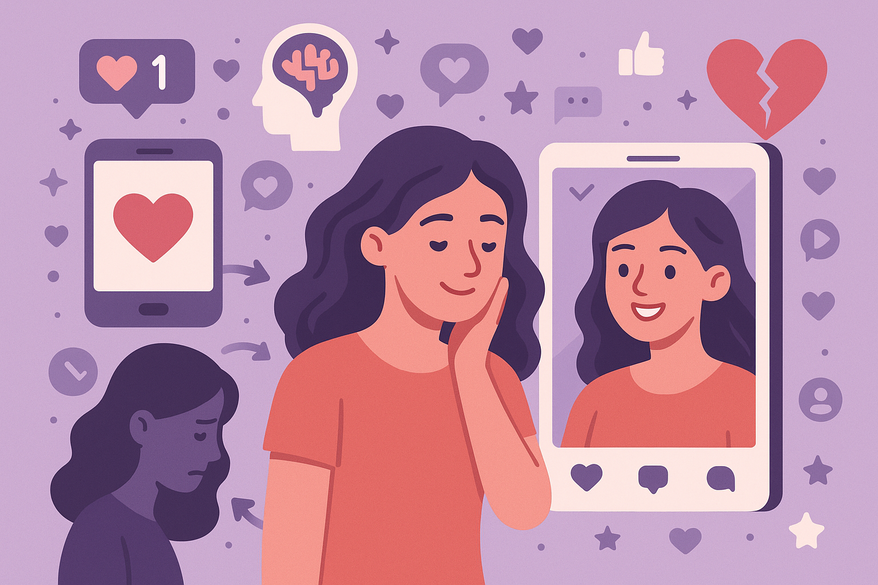
When we post, “like,” or comment, we engage in a cycle of self-promotion and peer feedback:
- Creators adjust their content to attract more praise.
- Viewers compare everyday life to polished feeds.
- Niche communities form around shared hobbies, looks, or goals.
A Florida Atlantic University study dubs this phenomenon “self-promotion through curated niches,” revealing how persistent comparison can warp self-image. For a deeper exploration, check out our analysis of Social Media Self-Perception and how others see you, which can help bridge the perception gap.
Positive Influences of Social Media on Self-Confidence
Community Support and Positive Feedback
In many online communities, genuine encouragement can lift self-esteem:
- Likes and comments reinforce a sense of belonging.
- Peer praise on personal milestones boosts confidence.
- Private groups offer safe spaces for questions and advice.
For example, body-positivity campaigns on Instagram celebrate real people of all shapes and sizes—helping viewers embrace their own bodies.
Role Models and Curated Inspiration
Authentic influencers often share both struggles and successes:
- Discussing setbacks and self-doubt.
- Documenting small, achievable goals.
- Highlighting the journey rather than a perfect outcome.
Professor R.J. Starr’s research shows that seeing real stories of perseverance sparks inspiration, turning social media into a tool for growth. To learn how to cultivate charisma and confidence, see our guide on how to be more likeable.
Negative Impacts of Social Media on Self-Confidence
Social Comparison and Unrealistic Standards
When feeds showcase only edited faces, flawless bodies, and uninterrupted achievements, viewers face impossible benchmarks. A Florida Atlantic University analysis links this to lower self-esteem and distorted self-image. Learn more about How Instagram Affects Self Image.
Cyberbullying and Harassment
Online harassment—through mean comments or threats—can shatter confidence:
- Lowered self-worth and increased anxiety.
- Fear of posting or engaging.
- Emotional distress even after a single hurtful remark.
Privacy settings and moderation tools help, but many users suffer in silence.
Research on Mental Health Impacts
Multiple studies highlight the risks:
- About half of 18–34-year-olds felt unattractive after browsing feeds; 60% felt inadequate (scope.org/report).
- Heavy social media use links to depression and loneliness (upenn.edu).
- Excessive scrolling correlates with low self-esteem and physical complaints like headaches (EBSCO Research Starters).
- A systematic review shows adolescent identity development suffers under high-quality and high-quantity use (PMC Systematic Review).
Strategies to Maintain and Boost Self-Confidence
Digital Detox and Screen Time Management
Reducing screen time can reset your mindset. Aim for no more than 30 minutes of social media per day:
- Less FOMO (fear of missing out).
- Lower loneliness and anxiety.
- Fewer signs of depression.
Use tools like Apple Screen Time or Android digital well-being trackers to monitor your habits.
Mindful Consumption and Feed Curation
You control your feed:
- Unfollow accounts that trigger negative feelings.
- Follow positive, authentic storytellers.
- Create “no-scroll” zones—during meals or before bed.
A supportive feed can elevate your mood and self-image. For more on how your online presence shapes your sense of self, see our guide to mastering your digital self image.
Building Self-Esteem Through Authentic Engagement
True confidence comes from sharing real moments:
- Journal offline wins every day.
- Post honest updates, even small victories.
- Follow diverse role models to broaden your perspective.
This approach shifts focus from external validation to your personal journey. If you want to understand the deeper dynamics of your social circles, our guide to understanding your friendships can offer valuable insights.
Professional Resources and Expert Advice
When social media feels overwhelming, seek help:
- Therapy apps like Moodpath offer guided self-checks and mood tracking.
- Dove’s Real Beauty campaign on dove.com provides articles and videos on body image.
These tools combine mental health support with digital well-being tips.
Broader Impact on Personal Self-Image and Identity
Social media shapes our life narratives. While Western beauty ideals often dominate, marginalized voices are also finding platforms to celebrate diverse experiences. By recognizing echo chambers and choosing healthy communities, you can reinforce a positive identity. To further explore how personality frameworks and self-discovery intersect with online identity, see our complete guide to personality types and self-discovery and learn about the online identity crisis and how social media shapes who we think we are.
Conclusion
Social media and self-confidence interact in complex ways. On one hand, communities, encouragement, and authentic role models can elevate self-esteem. On the other, comparison, harassment, and validation loops can undermine mental health.
To stay balanced:
- Limit screen time and try a digital detox.
- Curate a feed of real, uplifting stories.
- Share your genuine experiences to build true confidence.
- Use expert resources like Moodpath and Dove’s Real Beauty.
Mindful social media use empowers a healthier self-image and stronger personal identity.
FAQ
- How does social media affect self-confidence? It shapes self-image through comparison and community feedback—boosting some while harming others.
- What strategies help maintain healthy self-esteem online? Digital detoxes, mindful feed curation, and sharing authentic moments all contribute to stronger self-worth.
- When should I seek professional help? If social media use causes persistent anxiety, depression, or low self-esteem, consider apps like Moodpath or talking to a therapist.
- How often should I do a digital detox? Start with one day a week or short daily breaks; adjust based on how refreshed you feel.