Social Media Self-Perception: Understanding Its Impact on Identity
Explore how social media self-perception shapes identity, self-image, and self-worth, with strategies to navigate its effects for healthier online engagement.

Estimated reading time: 8 min
Key Takeaways
- Digital signals like likes, comments, and algorithmic feeds powerfully influence self-esteem and social comparison.
- Curated content often widens the gap between real and ideal selves, fueling insecurity.
- Social media can be both empowering (community, expression, exploration) and harmful (FOMO, distorted self-image).
- Dopamine loops from digital feedback drive posting behavior and shape perceived self-worth.
- Healthy habits—digital detox, mindful posting, positive curation, limiting comparison, real-world connections—can restore authentic self-perception.
Table of Contents
- Introduction
- The Psychological Impact of Social Media Self-Perception
- What Is Self-Esteem?
- What Is Social Comparison?
- How Curated Content Fuels the Self-Image Gap
- Mechanisms Through Which Social Media Self-Perception Influences Self-Worth
- Key Digital Signals Defined
- Dopamine, Validation, and Rejection
- The Role of Influencers and Mimicry
- The Dual Nature of Social Media Self-Perception’s Impact
- Positive Aspects
- Negative Consequences
- Research and Real-World Examples of Social Media Self-Perception
- Coping Strategies and Recommendations for Healthier Self-Perception
- Conclusion
- FAQ
Introduction
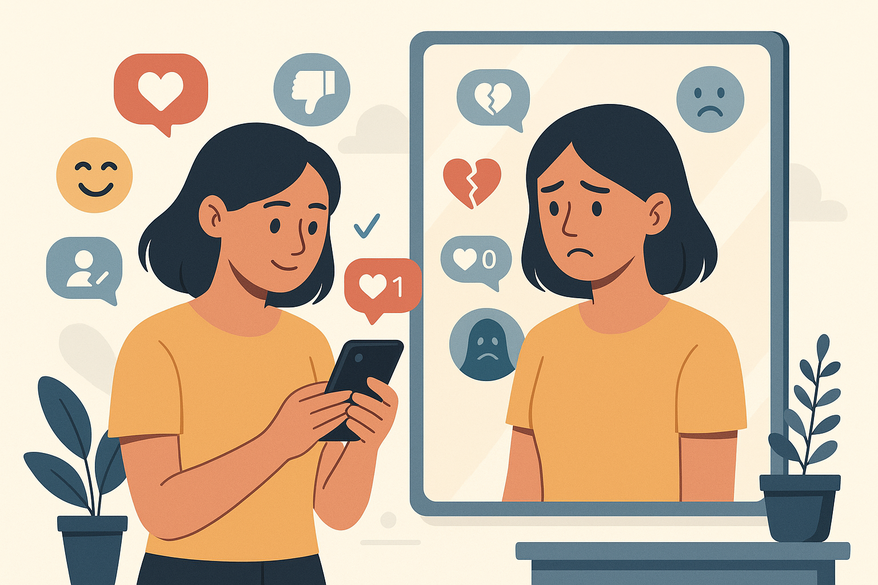
Social media self-perception refers to the way individuals view, evaluate, and construct their identity through interactions, curated images, and feedback on platforms like Instagram, TikTok, and Facebook. It covers how we absorb likes, comments, and follows, and how these digital signals influence our self-esteem, body image, and overall sense of worth. In today’s world, billions of people spend hours daily scrolling, posting, and engaging online, turning social media into a sort of virtual mirror that often distorts reality and amplifies insecurities.
This blog dives into the psychological drivers behind social media self-perception and uncovers the mechanisms—likes, comments, and algorithmic feeds—that shape how we see ourselves. We’ll examine both real-world evidence and expert insights, then offer actionable strategies to manage these effects. By understanding the double-edged nature of social media’s impact, you’ll gain tools to strengthen your authentic self-image and resist the pressure of digital validation. For a deeper dive into how social media shapes who we think we are, see Online Identity Crisis: How Social Media Shapes Who We Think We Are.
Section 1: The Psychological Impact of Social Media Self-Perception
Self-esteem and social comparison are at the core of how social media shapes self-image. For a comprehensive exploration of what it means to understand yourself and your self-perception, see our definitive guide to self-awareness.
What Is Self-Esteem?
- Self-esteem is an individual’s overall subjective evaluation of their own worth and abilities.
- High self-esteem means feeling competent and valuable; low self-esteem often goes hand in hand with doubt and insecurity.
What Is Social Comparison?
- Social comparison is the process of measuring oneself against others’ abilities, achievements, or lifestyles.
- On social media, this often involves comparing your real life to others’ highlight reels.
How Curated Content Fuels the Self-Image Gap
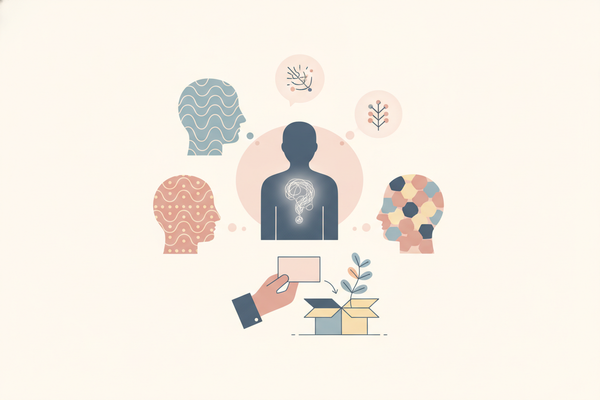
- Idealized posts create an “ideal self” in others’ minds—perfect bodies, flawless homes, picture-ready meals.
- Viewers compare their unfiltered realities to these polished images, widening the gap between their real self and aspirational self.
- Over time, this gap erodes self-esteem and distorts self-perception.
As explored in our guide on the Johari Window Test: A Modern Guide to Discovering Your Blind Spots, understanding these gaps is crucial to closing the self-image divide. For more on how others perceive you and how to bridge perception gaps, see How Others See You: Understanding and Bridging the Perception Gap.
Section 2: Mechanisms Through Which Social Media Self-Perception Influences Self-Worth
Social media isn’t just images and captions; it’s a complex system of rewards and cues that hijack our sense of value.
Key Digital Signals Defined
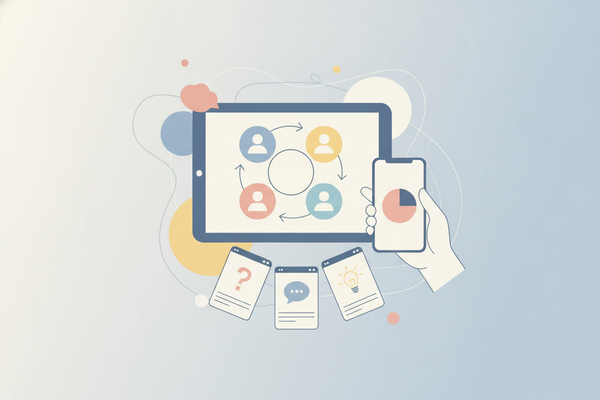
- “Likes”: Simple up-votes signaling social approval and popularity.
- “Comments”: Qualitative feedback—praise, critique, or conversation.
- “Algorithmic Feeds”: Curated content streams tailored to user behavior, showing more of what engages you.
Dopamine, Validation, and Rejection
- Each new like or comment triggers a dopamine hit, reinforcing the behavior that earned it.
- Conversely, low engagement can feel like public rejection, lowering perceived self-worth.
- Notifications become a feedback loop, shaping what we post next.
The Role of Influencers and Mimicry
- Influencer: An individual with a large, engaged following whose endorsements set beauty, lifestyle, and success norms.
- Influencer mimicry happens when users adapt their content style, fashion, or behavior to match influencers.
- This mimicry is driven by a desire for social validation, leading to cycles of comparison and imitation.
Section 3: The Dual Nature of Social Media Self-Perception’s Impact
Positive Aspects of Social Media Self-Perception
- Community Building: Forming supportive networks around shared interests or identities.
- Self-Expression: Conveying one’s thoughts, creativity, and identity through posts—photos, videos, stories.
- Identity Exploration: Experimenting with different facets of personality, interests, or cultural backgrounds. For more on how your digital self-image is shaped and navigated in the social media era, see Mastering Your Digital Self Image.
Negative Consequences of Social Media Self-Perception
- Fear of Missing Out (FOMO): Anxiety from believing others are having more rewarding experiences.
- Distorted Self-Image: An inaccurate, often idealized perception of one’s body or lifestyle.
Section 4: Research and Real-World Examples of Social Media Self-Perception
Examining studies and anecdotes brings theory into focus:
- Heavy posting correlates with lower self-worth due to increased social comparison (Aithor.com survey).
- Teens equate low likes to personal failure, leading to anxiety around posting times (Professor R.J. Starr).
- Post-pandemic, young adults intensified filter use to gain validation, deepening psychological strain (PMC study).
Section 5: Coping Strategies and Recommendations for Healthier Social Media Self-Perception
Practical tips can help you reclaim control over your self-image online.
- Digital Detox: Schedule regular breaks—hours or full days offline. For more on this, see How a Social Media Break Boosts Self-Awareness.
- Mindfulness Before Posting: Pause and reflect on whether you’re sharing authentically or chasing approval.
- Curate a Positive Environment: Follow uplifting accounts; mute or unfollow triggers.
- Limit Comparison: Use screen-time tools to cap usage and replace scrolling with offline hobbies.
- Seek Real Connections: Prioritize in-person interactions; use social media to plan meetups.
For daily strategies and habit-forming tips to boost resilience against social comparison, see Overcome Personal Growth Challenges with Daily Self Improvement Habits. And to explore top self-awareness tools that help reveal hidden biases and gaps, check out The Best Self Awareness App 2026: Your Ultimate Guide to Personal Growth.
Tools like Blindspot App offer AI-driven personality reports and anonymous friend feedback to reveal self-perception blind spots and guide authentic self-image growth. For a deeper understanding of personality and self-discovery, explore our Personality Types: The Complete Guide to MBTI, Big Five, and Self-Discovery.
Conclusion
Social media self-perception is a double-edged sword. On one side, these platforms empower connection, creativity, and identity exploration. On the other, they fuel social comparison, distorted self-images, and eroded self-esteem. Insights from Psych Central, Aithor.com, Professor R.J. Starr, and PMC studies reveal how likes, comments, algorithms, and influencer standards collectively reshape our identity—both for better and for worse.
To maintain a healthy self-image, critically assess your social media habits. Are your posts genuine expressions of who you are, or are they designed to chase likes and approval? By incorporating digital detoxes, mindful posting, positive curation, and real-world connections, you can transform social media from a source of insecurity into a tool for authentic self-perception. For more on navigating identity and self-esteem in the digital age, read our guide to Social Media and Self Confidence: Impacts on Self-Image in the Digital Era.
What’s one change you’ll make today to improve your social media self-perception?
FAQ
- How does social media affect self-esteem? Social media amplifies social comparison through curated content, which can erode self-esteem when users compare their unfiltered lives to others’ highlights.
- What role do algorithms play in shaping self-perception? Algorithms prioritize content that generates engagement—often idealized posts—creating feedback loops that influence what users post and how they evaluate themselves.
- Can I use social media without harming my self-image? Yes. By practicing digital detoxes, mindful sharing, curating positive feeds, and limiting screen time, you can enjoy social media’s benefits without falling into unhealthy comparison.
- When should I seek professional help? If you notice persistent anxiety, depression, or low self-worth tied to social media use, consider consulting a mental health professional for guidance and support.