Unlock Your Heritage with a Cultural Self Identity Quiz
Discover your cultural roots with our cultural self identity quiz, intersectional self perception test, and diverse identity self assessment guide.

Estimated reading time: 8 minutes
Key Takeaways
- Cultural self-identity evolves through shared values, traditions, language, history, and community rituals.
- A cultural self identity quiz uncovers heritage patterns and profiles identity types like Tradition-Centered or Hybrid/Blended.
- An intersectional self perception test examines how overlapping social identities and power structures shape privilege and bias.
- A diverse identity self assessment offers a holistic review of cultural, social, and personal dimensions across time.
- These tools foster self-reflection, empathy, social awareness, and practical applications in personal growth and education.
Table of Contents
- Section 1: Understanding Cultural Self Identity
- Section 2: The Cultural Self Identity Quiz
- Section 3: Exploring Intersectional Self Perception
- Section 4: Diverse Identity Self Assessment
- Section 5: Practical Applications and Benefits
- Conclusion
- FAQ
Section 1: Understanding Cultural Self Identity
Keywords in heading: cultural self identity quiz, diverse identity self assessment
Cultural self-identity blends personal and social factors. It isn’t fixed—it grows as we interact with others and face new experiences.
Key definition:
“A set of sociocultural elements—beliefs, traditions, symbols, customs, values, language, ethnicity, religion, history, class practices—that give people a sense of belonging.”
(Source: Wikipedia: Identidad cultural)
Identity evolves through individual–society interaction. As you learn, travel, or change communities, your self-definition shifts. (Source: edX: Identidad cultural)
Core components of cultural identity:
- Shared Values & Beliefs: Principles like respect, loyalty, hospitality.
- Traditions & Rituals: Festivals, ceremonies, family gatherings.
- Language & Communication: Native tongues, slang, storytelling.
- Community Membership: Ethnic groups, faith communities, local networks.
How quizzes surface these dimensions:
- They prompt reflection on the language that shaped you.
- They ask which rituals feel most meaningful.
- They encourage thinking about core community values.
- They reveal how history and symbolism resonate with you.
By spotlighting beliefs, rituals, words, and belonging, a cultural self-identity quiz and a diverse identity self-assessment bring hidden layers of identity into view. (Source: Identidad cultural)
Section 2: The Cultural Self Identity Quiz
Keyword in heading: cultural self identity quiz
A cultural self-identity quiz is a reflective questionnaire that helps you think about the cultural influences shaping your heritage, values, and sense of belonging.
Purpose: Uncover patterns in family background, language, rituals, and community ties—guiding personal growth through self-reflection.
Typical quiz structure: 4–6 thought-provoking questions. Sample questions include:
- Which cultural tradition do you most strongly identify with?
- How often do you participate in community rituals?
- Do you feel your identity is rooted more in family heritage or current community?
- Have you ever experienced a shift in cultural identity across different settings?
To learn how to design your own set of identity questions, check out our step-by-step guide.
Outcomes describe your cultural profile (identity types):
- Tradition-Centered Identity: Strong link to ancestral customs.
- Hybrid/Blended Identity: A mix of multiple cultural influences.
- Evolving Identity: Shaped by migration, social change, new communities.
- Locally Rooted, Globally Influenced Identity: Ties to home plus a global outlook.
For instance, a student of mixed ancestry used this quiz to narrate her journey from village folklore to urban life, mapping rituals from her grandparents’ village alongside new city traditions—fostering a blended self-concept.
By reflecting on these outcomes, you gain clarity on how culture shapes your choices and worldview. (Source: Identidad cultural)
Section 3: Exploring Intersectional Self Perception
Keyword in heading: intersectional self perception test
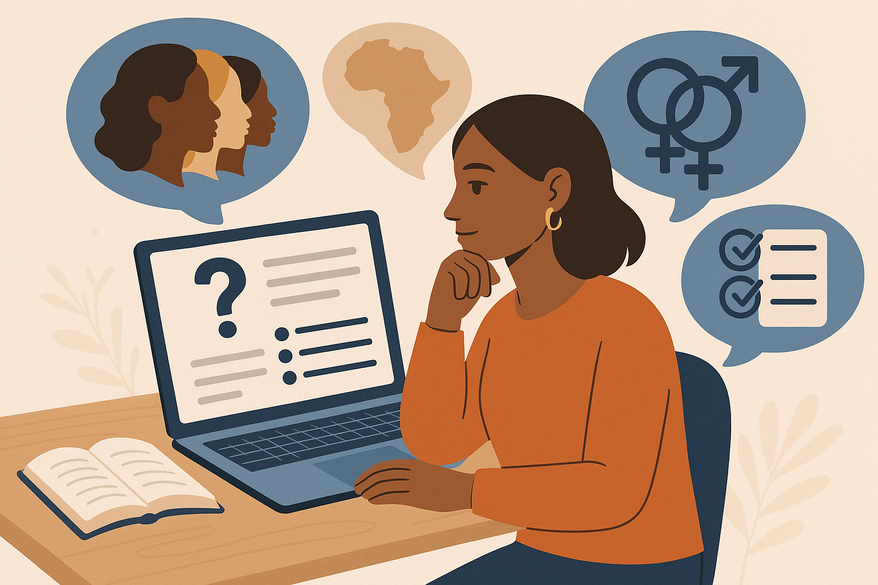
Intersectionality examines how different social identities overlap to shape lived experiences. The intersectional self perception test assesses how race, gender, class, religion, language, disability, and sexuality combine to influence your self-view.
Definition of intersectionality:
“*The way different social identities and structures of power overlap in shaping lived experience.*”
(Source: Wikipedia: Identidad cultural)
Purpose: Reveal how overlapping identities grant privilege or create barriers. This lens goes deeper than cultural quizzes by accounting for power structures.
Illustrative examples:
- Gender + Class: How socioeconomic status and gender roles shape confidence or access to resources.
- Ethnicity + Language: How speaking a minority dialect affects sense of belonging.
- Religion + Migration History: How faith and immigrant background influence identity pride or conflict.
Comparison to a cultural self-identity quiz:
- A cultural quiz focuses on traditions, heritage, and rituals.
- An intersectional test explores power structures, privileges, and multiple identity layers.
Expert tip: Use intersectional insights to spot where you face bias or enjoy advantages—fostering empathy and social awareness.
Section 4: Diverse Identity Self Assessment
Keywords in heading: diverse identity self assessment, intersectional self perception test, cultural self identity quiz
A diverse identity self assessment is a broader reflective tool capturing cultural, social, and personal dimensions of identity.
Definition:
“A broader reflective tool capturing cultural, social, and personal dimensions of identity.”
Key dimensions to assess:
- Cultural Background & Heritage: Traditions, symbols, language roots.
- Community Membership & Social Roles: Family ties, professions, peer groups.
- Personal Values & Lived Experiences: Beliefs, life events, achievements.
- Changes in Identity Over Time: How school, work, migration, or relationships shift your self-view.
Interpreting results:
- Blended/Complex Identity: Meaning drawn from multiple communities—adaptability.
- Tension Between Identity Layers: Areas where belonging, confidence, or recognition are weak—opportunities for growth.
Tips for integrating insights into daily life:
- Notice strongest identity dimensions in different settings (e.g., work vs. home).
- Reflect on contexts where you feel most authentic.
- Discuss cultural and social experiences with trusted peers or mentors.
- Use outcomes for journaling, setting learning objectives, and engaging with communities.
For more ideas on building daily self-improvement habits, see our blog post.
For example, a young professional used this assessment to spot tension between her academic role and her role in her faith community. She then created weekly routines to honor both—boosting her confidence and balance.
By combining cultural quizzes with intersectional tests and a diverse identity self-assessment, you get a full map of who you are. (Source: Identidad cultural)
Section 5: Practical Applications and Benefits
Keywords in heading: practical applications, cultural self identity quiz, intersectional self perception test, diverse identity self assessment
These self-assessment tools offer real benefits across personal, educational, and social domains:
- Personal Growth through Self-Reflection: Understand motivations, values, and blind spots. For a deeper dive into self-knowledge and reflection, explore our definitive guide to self-awareness.
- Educational Uses: Build culturally responsive teaching and learning. (Almanatura: Cultural identity in education)
- Fostering Social Awareness & Empathy: Recognize privilege, biases, and diverse perspectives.
Tool-Selection Tips:
- Heritage Focus → Choose a Cultural Self Identity Quiz.
- Layered Identity Insight → Choose an Intersectional Self Perception Test.
- Holistic Reflection → Choose a Diverse Identity Self Assessment.
How to use results:
- Initiate family or peer dialogues to spark understanding. If you want to learn more about how others perceive you and bridge the perception gap, read our guide to understanding how others see you.
- Identify sources of pride or tension—pinpoint strengths and growth areas.
- Guide journaling & self-reflection exercises—turn results into action steps.
- Encourage community involvement & mutual understanding—use insights to bridge divides.
For example, a teacher used the cultural quiz and intersectional test with students. They co-created a classroom charter that celebrated each student’s layered identity—boosting respect and engagement.
When you apply these tools, you build empathy, improve teamwork, and enrich your sense of belonging.
Conclusion
You can also leverage the Blindspot App to gather anonymous feedback and AI-driven insights on how friends perceive various aspects of your identity. Empower yourself through these self-assessment tools: gain deeper self-knowledge, spark meaningful conversations, and foster social engagement. Start your journey today by taking the cultural self-identity quiz, exploring the intersectional self-perception test, and completing a diverse identity self assessment for ongoing growth. If you want to better understand the dynamics and deeper insights of your relationships, explore our guide to understanding your friendships. For a comprehensive overview of personality frameworks and how they intersect with identity, check out our complete guide to MBTI, Big Five, and self-discovery.
FAQ
- What is the purpose of a cultural self-identity quiz?
It prompts reflection on heritage, rituals, and community ties to help you understand how culture shapes your worldview. - How does an intersectional self perception test differ from a cultural quiz?
The intersectional test explores how overlapping identities and power structures influence privilege, bias, and lived experience. - Can these assessments be used in educational settings?
Yes. Educators use them to foster culturally responsive teaching, build empathy, and create inclusive environments. - How do I integrate results into daily life?
Share outcomes with peers, journal insights, set learning goals, and engage with communities to turn reflections into action.