
Overcome Personal Growth Challenges with Daily Self Improvement Habits
Overcome personal growth challenges using daily self improvement habits, micro habits for growth, and self awareness exercises for lasting change.

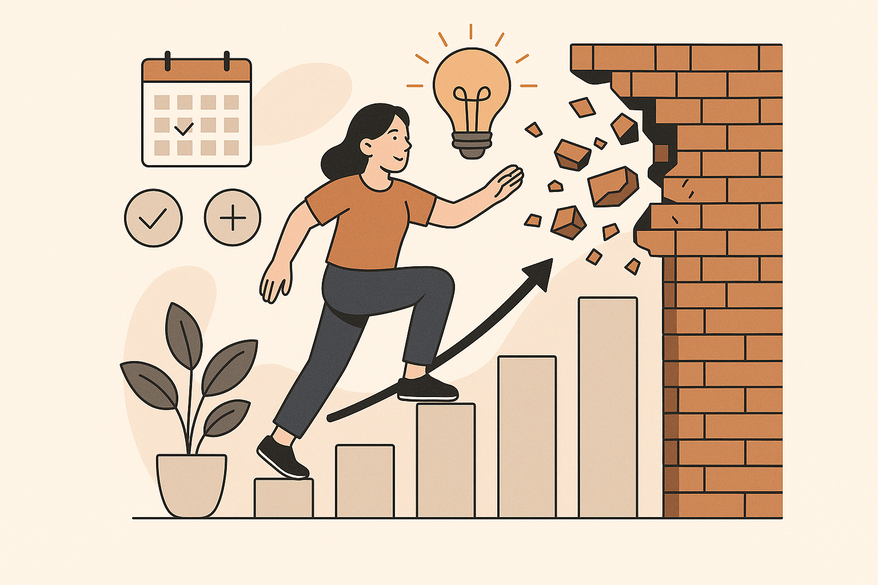
Estimated reading time: 8 minutes
Key Takeaways
- Small, consistent habits build momentum and compound into significant growth.
- Self awareness exercises reveal strengths, weaknesses, and emotional triggers.
- Micro habits use minimal effort to bypass resistance and reinforce routines.
- Weekly reflection keeps you accountable and adapts goals based on insights.
- Growth mindset activities turn setbacks into learning opportunities and fuel resilience.
Table of Contents
- 1. Exploring Daily Self Improvement Habits
- 2. Delving into Self Awareness Exercises
- 3. Implementing Micro Habits for Growth
- 4. Weekly Self Reflection Prompts
- 5. Engaging in Growth Mindset Activities
- 6. Conclusion and Action Plan
1. Exploring Daily Self Improvement Habits
Heading Keyword: daily self improvement habits
Daily self improvement habits are small, intentional practices you repeat to build positive momentum and overcome personal growth challenges (Source: PositivePsychology.com). By weaving these rituals into your routine, you create a robust system that supports continuous progress.
SMART Goal Setting
- Specific, Measurable, Achievable, Relevant, Time-bound goals sharpen focus.
- Spend 5–10 minutes each morning outlining one priority task, such as “Write 300 words for my blog.”
- Benefit: Forces clarity, reduces decision fatigue, and sets a daily success benchmark (Source: EastOhio.edu).
Continuous Learning
- Dedicate 15 minutes daily to reading an article, listening to a podcast, or taking an online lesson.
- Rotate topics: personal finance, emotional intelligence, leadership, or skill-building courses.
- Benefit: Expands knowledge, sparks creativity, and maintains curiosity (Source: WellmarkIT; GoalCentredDevelopment.co.uk).
Physical & Mental Practices
- Quick journaling: Write three bullet-points on today’s wins or challenges.
- Five minutes of meditation or deep breathing to center your mind.
- Brief exercise: One yoga pose, two push-ups, or a short walk to energize body and brain.
- Benefit: Boosts resilience, elevates mood, and sharpens focus (Source: Northwestern Medicine; MyBestSelf101.org).
By regularly practicing these daily self improvement habits, you lay a foundation for tackling bigger personal growth challenges and cultivating lasting positive change.
2. Delving into Self Awareness Exercises
Heading Keyword: self awareness exercises
Self awareness exercises are introspective tools that reveal your strengths, weaknesses, emotional triggers, and core motivations—vital intel for overcoming personal growth challenges (Source: TopPractices.com; EastOhio.edu). For a comprehensive framework, explore our guide to The Johari Window Test: A Modern Guide to Discovering Your Blind Spots.
Immediate Exercises to Try:
- Strengths Inventory
Each morning, list three strengths (e.g., “Good listener”) and one weakness (“Procrastination”). Plan one action: leverage a strength by mentoring someone, address a weakness by using a timer (Source: WellmarkIT). - 5-Minute Journaling Prompt
Write answers to: “What challenged me today, and what did I learn?” Encourages reflection on failures and insights (Source: PositivePsychology.com). - Midday Mindful Check-In
Pause 2–3 times daily to note current emotion and trigger (e.g., stress before a meeting). Label feelings (“anxiety,” “excitement”) to build emotional clarity (Source: PositivePsychology.com).
By routinely practicing self awareness exercises, you equip yourself to face personal growth challenges head-on with insight and purpose.
To uncover gaps between your self-view and how others perceive you, try the Blindspot App, a free tool that pairs self-assessment with anonymous friend feedback.
3. Implementing Micro Habits for Growth
Heading Keyword: micro habits for growth
Micro habits for growth are ultra-small, repeatable actions—like flossing one tooth or reading a single page—that bypass resistance and compound into significant gains over time (Source: GoalCentredDevelopment.co.uk). They are the perfect antidote to inertia and perfectionism.
Strategies for Seamless Integration:
- Habit Stacking
Attach a micro habit to an existing routine: after brewing coffee, take three deep breaths (Source: JamesClear.com). - Tracking Progress
Use a simple checklist or habit-tracker app to tick off each action. Visual feedback fuels motivation and accountability (Source: Thriveworks). - Gradual Scaling
Start with just 30 seconds of a new practice—one push-up, one paragraph of reading. Increase frequency or duration once consistency feels automatic (Source: GoalCentredDevelopment.co.uk).
Implement micro habits for growth today to accelerate your progress and reinforce long-term routines.
4. Weekly Self Reflection Prompts
Heading Keyword: weekly self reflection prompts
Weekly self reflection prompts are structured questions that help review progress, celebrate wins, and identify sticking points—critical for tackling personal growth challenges (Source: PositivePsychology.com; EastOhio.edu). A brief Sunday session ensures you learn from the past and plan for the week ahead.
Five Prompts to Use Every Sunday:
- What was my biggest win this week, and which daily habit contributed most?
- Which personal growth challenge persisted, and what new micro habit can I add?
- How did a self awareness exercise reveal an underused strength?
- In what situation did I demonstrate a growth mindset during a setback?
- What one change will amplify next week’s self-improvement?
Action Steps:
- Block out 10 minutes on Sunday to answer these prompts.
- Record answers in a journal or digital note for tracking.
- Use insights to adjust your habits and exercises for the coming week.
5. Engaging in Growth Mindset Activities
Heading Keyword: growth mindset activities
Growth mindset activities strengthen the belief that skills and intelligence expand through effort—an essential attitude for overcoming personal growth challenges (Source: PositivePsychology.com). When you view obstacles as opportunities, every practice deepens your capacity for change.
Three Activities to Cultivate a Growth Mindset:
- Reframing Failures
During journaling, change “I failed” statements to “I learned” or “I’m improving.” Example: “I missed my deadline” becomes “I learned time-blocking strategies” (Source: Thriveworks). - Challenge Embracing Exercise
Pick one weekly discomfort: a 5-minute public speaking drill, cold shower, or difficult conversation. Builds resilience and proves you can handle stress (Source: JamesClear.com). - Success Visualization
Spend two minutes daily imagining yourself overcoming a specific personal growth challenge. Visual rehearsal primes your brain for real-world execution (Source: MyBestSelf101.org).
These activities integrate seamlessly with daily habits and reflection prompts for a feedback-driven cycle of growth.
Conclusion and Action Plan
By weaving daily self improvement habits, self awareness exercises, micro habits for growth, weekly self reflection prompts, and growth mindset activities into a cohesive routine, you create a personal growth system that conquers challenges and drives lasting change. These pillars work together to:
- Break down big goals into manageable steps
- Reveal hidden patterns and strengths
- Build resilience through small wins
- Keep you accountable and adaptive
Your 4-Step Starter Plan:
- Choose 2–3 daily self improvement habits (morning priority task, brief journaling) and one micro habit (e.g., one push-up) to begin today.
- Complete a 5-minute self awareness exercise tonight.
- Block out 10 minutes this Sunday for weekly self reflection prompts.
- Inject one growth mindset activity into a challenge this week (reframe a failure or try a public speaking drill).
For deeper learning, explore:
- JamesClear.com for habit systems
- PositivePsychology.com for psychology-backed tools
- Thriveworks.com for mental health and coaching support
FAQ
Q: How long before I see results from these habits?
A: Most people notice small changes in mood and focus within a week, while more significant shifts appear after 30–60 days of consistent practice.
Q: What if I miss a day of my routine?
A: Missing one day isn’t a setback. Acknowledge it, reflect on the obstacle, and restart the next day—consistency over perfection is key.
Q: Can I combine multiple micro habits at once?
A: Yes, start with two or three micro habits stacked onto existing routines. Scale them gradually as they become automatic.
Q: How do I choose the best self awareness exercise?
A: Pick one that resonates—journaling if you like writing, mindful check-ins if you prefer quick pauses. The best exercise is the one you’ll actually do.