How to Build a Self Reflection Routine: A Step-by-Step Guide
Learn how to create a self reflection routine to boost self-awareness and personal growth. Follow this step-by-step guide to start today.


7 min read
Key Takeaways
- Self-awareness grows when you pause to review your thoughts and actions daily.
- Techniques like journaling, meditation, and mindfulness anchor your practice.
- Consistency through a habit loop—cue, routine, reward—makes reflection automatic.
- Timing reflections (morning, midday, evening) helps you integrate insights seamlessly.
- Small goals, simple prompts, and reminders keep you honest and motivated.
Table of Contents
- Understanding Self Reflection
- Core Techniques for Your Self Reflection Routine
- Why a Daily Self Reflection Routine Matters
- Timing Your Self Reflection Routine
- Step-by-Step Guide to Creating Your Self Reflection Routine
- Practical Tips and Best Practices
- Tools and Resources
- Conclusion
Understanding Self Reflection
Self reflection is the practice of thinking carefully about experiences and evaluating their meaning. It’s a form of self-examination that supports continuous learning and improvement. By pausing to look back on your day, you can spot what felt right and what felt off. This mindful review leads to clearer insight and better choices next time.
Contributions to growth
- Spot success: Notice actions that brought you joy or results.
- Find misalignment: Identify habits or choices that left you drained.
- Plan changes: Pinpoint one small step to try differently tomorrow.
A simple self reflection routine ties it all together, becoming your go-to moment for checking in and charting a path forward.
Core Techniques for Your Self Reflection Routine
To build a strong routine, mix and match these proven methods. Each technique offers a fresh way to tune into your inner world.
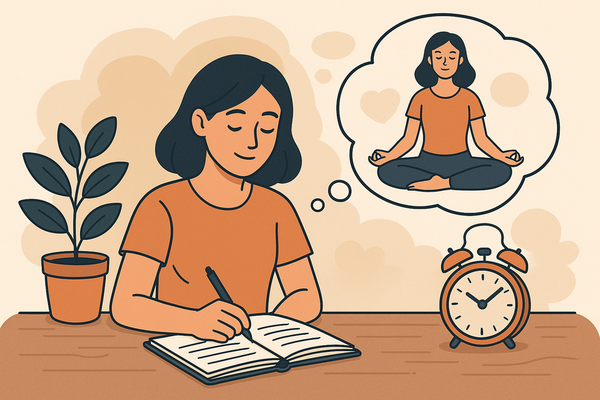
- Journaling
Definition: Writing answers to prompts like “What went well today?” or “What would I do differently next time?”
Benefit: Turns thoughts into clear words so you can track progress over days and weeks. - Meditation
Definition: Creating a quiet space to observe thoughts and emotions without reacting.
Benefit: Builds calm focus and helps you notice patterns in feeling and thought. See our deeper guide to guided meditation self-reflection guide. - Mindfulness
Definition: Bringing focused attention to ordinary activities (e.g., eating, walking) to notice your internal state.
Benefit: Trains your mind to catch thoughts and feelings in real time. Learn more about mindfulness self–discovery for growth. - Guided Prompts
Definition: Structured questions that make reflection easier and more consistent.
Benefit: Removes guesswork—just answer focused questions.
Why a Daily Self Reflection Routine Matters
Turning reflection into a daily habit leverages consistency and clear triggers. When you reflect every day, you build a habit loop: cue, routine, reward.
Builds habit strength
- Cue: Set a clear trigger (morning coffee, bedtime).
- Routine: Spend a few minutes on your chosen method.
- Reward: Feel calm, clear, and ready for what’s next.
Links to existing habits
- Morning coffee: Answer one prompt while you sip.
- Commute: Mentally note one win from yesterday.
- Bedtime wind-down: Jot down a lesson you learned.
Over time, these small checks compound into big insights.
Timing Your Self Reflection Routine
Your day offers natural slots for reflection. Pick one or more and see how they fit.
- Morning Intentions
Activity: Quick moment to set an intention or ask, “What matters most today?”
Impact: Starts your day with purpose and focus. - Midday Check-In
Activity: Brief pause to note energy level or stress.
Impact: Lets you reset and adjust pace before afternoon tasks. - Evening Review
Activity: Short recap of lessons learned and actions for tomorrow.
Impact: Clears your mind for rest and primes next day’s plan.
Simple reflection activities include one-sentence journal entries, five–ten minutes of quiet reflection with a prompt, or an energy audit noting what energized or drained you.
Step-by-Step Guide to Creating Your Self Reflection Routine
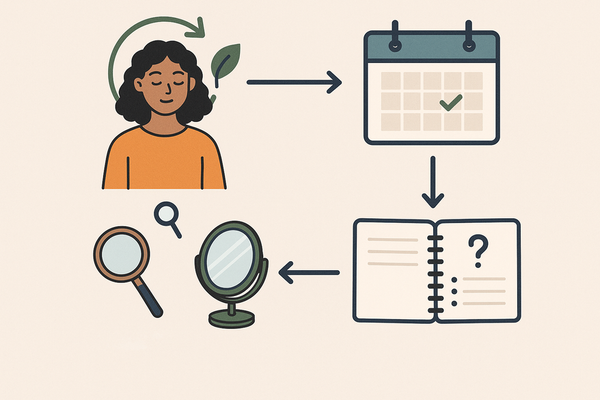
- Assess Your Current Habits
Identify daily rhythms (e.g., morning coffee, bedtime). Choose realistic slots and note distractions to avoid. - Choose a Method
Decide between journaling, meditation, guided prompts, or mindfulness during meals or walks. - Set Small, Realistic Goals
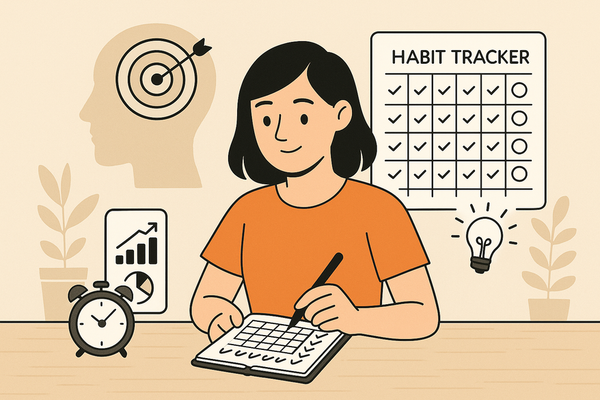
Aim for five minutes daily. Focus on one question or activity. Reward yourself by marking a check on a calendar. - Adapt Based on Feedback
Notice what feels useful vs. forced. Tweak timing, format, or prompts—keep what works, drop what doesn’t.
Practical Tips and Best Practices
Start right by following these tips:
- Start Small – Limit to one question or a three-minute check-in.
- Use Reminders – Set phone alarms or calendar alerts until it’s automatic.
- Keep Prompts Simple – Focus on a single prompt to maximize reflection time.
- Pair with Existing Habits – Tie reflection to a fixed cue like morning coffee.
- Emphasize Honesty Over Perfection – The value is in noticing patterns, not perfect answers.
Common obstacles include lack of time (shorten sessions), distractions (turn off notifications), inconsistency (link to daily rituals), and unclear starts (use structured prompts).
Tools and Resources
Equip yourself with helpful aids:
- Notebooks or Journals – Handwritten notes help lock in memory. Also check out our daily self-awareness habits guide.
- Notes Apps, Spreadsheets, Reminders – Digital tools track entries over time.
- Guided Journaling Prompt Collections – Pre-made question sets spark ideas.
- Meditation or Mindfulness Apps – Headspace, Calm, Insight Timer for audio guidance.
- Online Communities or Coaching Programs – Accountability groups and expert feedback.
Conclusion
A well-structured self reflection routine strengthens self-awareness by revealing patterns in your values, energy, and choices over time. Starting small and staying consistent helps the routine evolve with your changing needs. Keep your practice honest and simple.
Just a few quiet minutes a day can become one of the most valuable investments you make in yourself. Embrace your self reflection routine, and watch your personal growth soar.
For an interactive self-reflection experience, try the Blindspot App, where anonymous friend feedback and AI-powered insights help you uncover blind spots and grow with guided quizzes.
FAQ
- What is a self reflection routine?
A self reflection routine is a structured practice of reviewing your actions, feelings, and experiences to gain insight and guide personal growth. - How often should I practice self reflection?
Daily reflection is ideal—small, consistent pauses build a strong habit over time. - How long should each session last?
Start with five minutes and adjust based on your schedule and comfort level. - Which technique is best for beginners?
Journaling with simple prompts is a great way to begin and track your progress. - How can I maintain consistency?
Link reflection to an existing habit, use reminders, set small goals, and celebrate each check-in.