Online Identity Crisis: How Social Media Shapes Who We Think We Are
Explore how social media fuels the online identity crisis, its effects on self-image and mental health, and learn strategies to reclaim your authentic self.

Estimated reading time: 7 minutes
Key Takeaways
- Social media often blurs the line between our real and curated selves, triggering identity confusion.
- Algorithms and feedback loops reward perfection, driving stress and comparison.
- Recognizing digital validation traps is the first step toward authenticity.
- Strategies like digital detox, mindfulness, and healthy boundaries can restore balance.
- Professional support and offline activities strengthen a grounded sense of self.
Table of Contents
- Introduction
- Understanding Online Identity
- The Genesis of an Online Identity Crisis
- How Social Media Drives an Online Identity Crisis
- Consequences of an Online Identity Crisis
- Coping Strategies to Reclaim Your True Self
- Conclusion
- FAQ
Introduction
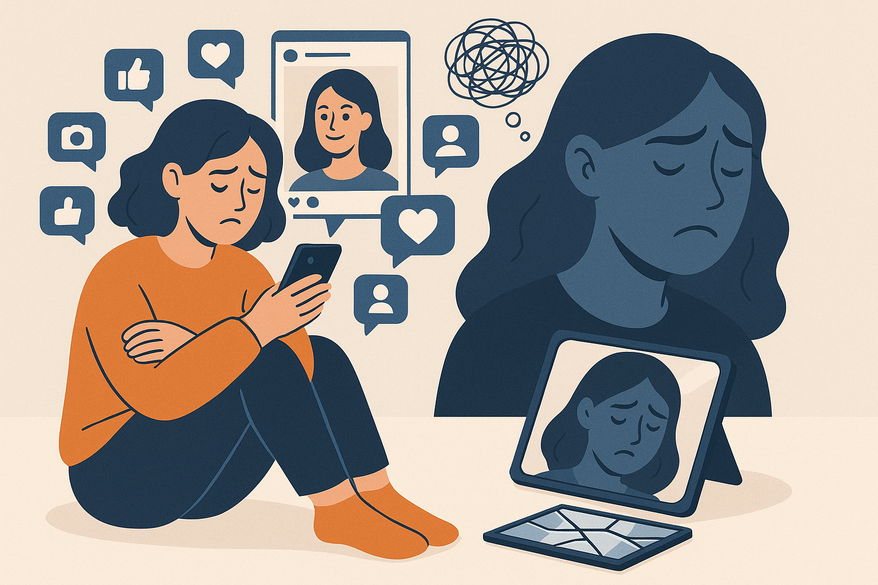
An online identity crisis erupts when the curated world of social media leaves us feeling unmoored from our true selves. With over 4 billion daily users, platforms invite us to showcase flawless highlight reels—encouraging us to measure our worth by likes, shares, and followers. For insights into how these forces shape our self-perception, explore the social media self-perception impact.
In this post, we’ll examine the roots of digital personas, uncover the pressures that spark identity crises, and share practical steps to reclaim authenticity.
Understanding Online Identity: The Roots of an Online Identity Crisis
What is an online identity?
- A digital persona formed by your profiles, posts, photos, and connections.
- A reflection of the digital self you present on Facebook, Instagram, X (formerly Twitter), TikTok, LinkedIn, and beyond.
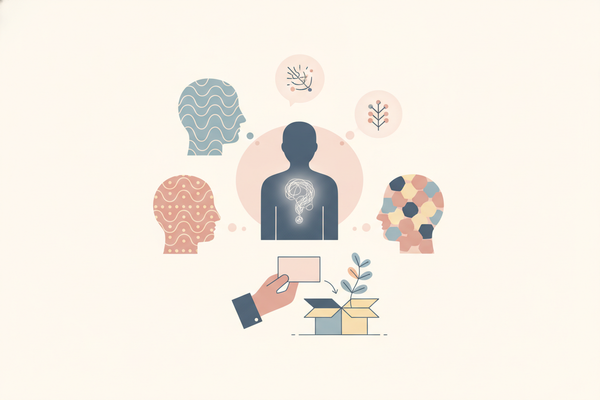
Real-life identity vs. online persona
- In person: unfiltered reactions, tone, and body language.
- Online: carefully selected images, filtered selfies, and crafted captions.
- The outcome: a highlight reel rather than the full backstage story.
Evolution of digital personas
- Early 2000s: MySpace’s backyard-style DIY profiles.
- Mid-2000s: Facebook’s social graph and status updates.
- 2010s: Instagram’s filters and curated aesthetics.
- Twitter (X): real-time text-based discourse.
- LinkedIn: professional branding in a public resume format.
Digital validation and echo chambers
“People seek to craft our own identities (online and in person) and then to have those identities validated by those around us, often leading to tribalism and polarization.”
This insight from An Online Identity Crisis highlights how digital approval can reinforce polarized groupthink.
The Genesis of an Online Identity Crisis
Several pressures converge to spark an identity crisis:
- Perfect Images and Experiences
• Filtered selfies in the “best light.”
• Dream vacation posts omitting the hiccups.
• Career wins showcased without mentioning late-night doubts. - Validation Metrics
• Likes, shares, and follower counts become self-worth scales.
• Low engagement feels like rejection; viral hits bring fleeting highs. - FOMO (Fear of Missing Out)
• Scrolling through flawless lives fuels anxiety about missing out. - Tribe Trap
• Echo chambers form as we align with polarized groups for belonging.
How Social Media Drives an Online Identity Crisis
Algorithmic Amplification
Algorithms reward engagement:
- Prioritize viral, trend-setting content.
- Boost influencers who set beauty and success benchmarks.
- Create a winner-takes-all environment.
A single outfit post from a top fashion influencer may reach millions, while a helpful tutorial from a newcomer remains unseen—reinforcing a narrow standard.
Psychological Feedback Loops
- Positive feedback: Dopamine hits from likes, comments, and new followers.
- Negative feedback: Anxiety from criticism, low engagement, or relentless comparison.
As the The Existential Crisis of Digital Identity article explains, digital selves are fragile—shattering with deleted posts or algorithm changes.
Research like the Social Media and Physicians’ Online Identity Crisis study and the Online Identity Crisis Study from University of Wollongong underscore how passive scrolling and overlapping personal/professional roles amplify stress and fragment our identity.
Consequences of an Online Identity Crisis
- Stress and anxiety from chasing digital approval.
- Depression when likes and shares feel out of reach.
- Burnout or dissociation from juggling multiple personas.
According to TalkToAngel, an identity crisis is “a period of uncertainty amplified when your online and offline selves clash.” Excessive conformity and superficial discourse erode genuine diversity and meaningful connections.
Coping Strategies to Reclaim Your True Self
Digital Detox
- Schedule app-free windows: weekends offline and daily one-hour breaks.
- Use screen-time trackers to enforce limits.
- Turn off notifications for non-essential apps.
Mindfulness Practices
- Journal prompts:
• “Who am I without my phone?”
• “What values matter most to me?” - Meditation apps (Headspace, Calm) for self-compassion and stress relief.
- Breathing exercises during comparison pangs.
Healthy Boundaries
- Limit each platform to 30 minutes per day.
- Curate your feed: follow uplifting creators; mute or unfollow toxic accounts.
- Prioritize private messaging and face-to-face chats over public posts.
Professional Support
- Cognitive-behavioral therapy (CBT) can help unpack identity confusion.
- Seek professional help if digital distress persists.
Building Offline Identity
- Explore new hobbies: painting, sports, cooking.
- Volunteer locally to reinforce real-world impact.
- Strengthen in-person relationships with family and friends.
- Reflect weekly on real-life wins versus online metrics.
Conclusion
Social media’s power to shape our digital personas can lead to an online identity crisis marked by stress, comparison, and diluted authenticity. By understanding algorithmic forces, feedback loops, and echo chambers, you can choose to break free. Embrace digital detoxes, practice mindfulness, set healthy boundaries, and cultivate a vibrant offline life. If confusion lingers, professional support can guide you toward alignment between your online image and genuine self. For tips on mastering this balance, visit mastering digital self-image. For a deeper understanding of how social media impacts self-esteem and identity, see Social Media Impact on Self Esteem: Navigating Identity.
FAQ
- What is an online identity crisis?
- An identity crisis occurs when the gap between your curated online persona and your authentic self leads to confusion, anxiety, or distress.
- How can I recognize if social media affects my self-image?
- Notice feelings of inadequacy after scrolling, obsession over engagement metrics, or stress about missing out on others’ highlight reels. If you’re curious about the specific effects of Instagram, check out How Instagram Affects Self Image: A Comprehensive Guide.
- What are quick strategies to reduce digital anxiety?
- Try a short digital detox, set strict screen-time limits, and practice daily mindfulness or breathing exercises. Taking a social media break can also boost self-awareness and help you reconnect with your authentic self.
- When should I seek professional help?
- If digital stress disrupts daily life, self-esteem drops significantly, or you experience persistent burnout, consider consulting a therapist or counselor.