Mastering Your Digital Self Image: Navigate Your Identity in the Social Media Era
Understand digital self image and how social media shapes identity for mental health, relationships, and career growth. Master your online presence today.

Estimated reading time: 10 minutes
Key Takeaways
- Your digital self image is shaped by profiles, posts, and interactions.
- Each social platform offers unique tools that influence how you present yourself.
- Effective management can boost community, confidence, and career opportunities.
- Risks like addiction and unhealthy comparison can harm self-esteem.
- Strategies such as authenticity, boundary setting, and privacy controls foster a healthier online identity.
Table of Contents
- Section 1: Defining Digital Self Image
- Section 2: Social Media’s Role in Shaping Identity
- Section 3: Psychological and Social Implications
- Section 4: Case Study on Digital Self Image
- Section 5: Strategies for a Healthy Digital Self
- Conclusion
- FAQ
Section 1: Defining Digital Self Image
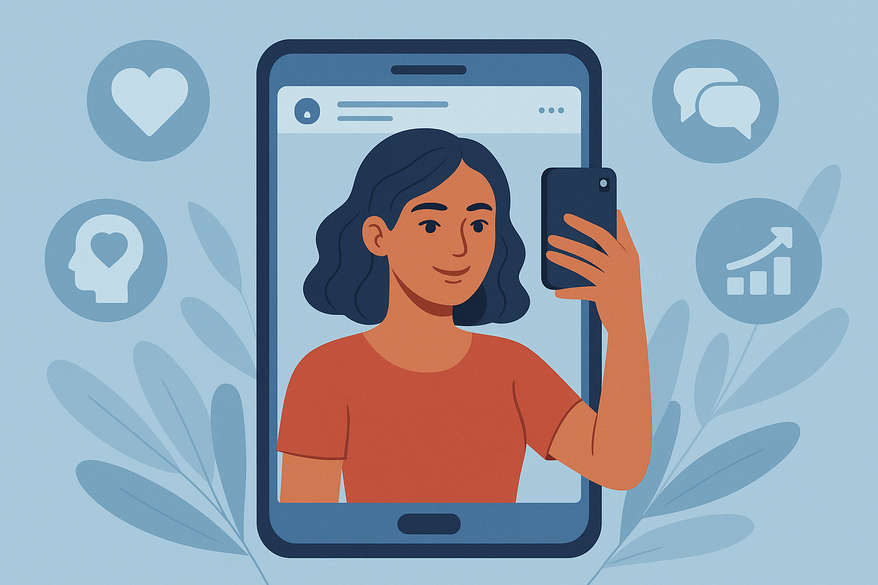
Digital self image refers to your online identity—the curated collection of profiles, content, and interactions that others see. Unlike offline self-perception, which changes with context and mood, your digital persona is selectively constructed and often polished for public view.
Key components of your digital self image:
- Profiles & Avatars
- Photos, bios, and usernames create instant impressions.
- Filters and editing tools turn reality into a curated visual narrative.
- These elements set the tone for your online identity.
- Posts & Content
- Stories, videos, and captions are tools of self-expression.
- Strategies like self-promotion or exemplification shape perceptions.
- Each upload reinforces or reshapes your digital persona.
- Interactions
- Likes, comments, and shares act as social feedback.
- Each reaction signals approval or disapproval, guiding adjustments.
Section 2: Social Media’s Role in Shaping Identity
Every platform offers distinct cultures and tools that influence your digital self image:
- Instagram:
- Visual curation fosters an aesthetic-focused digital self image.
- Photo grids and Stories highlight your creative side.
- Filters help craft an aspirational persona.
- TikTok:
- Short-form trends encourage rapid identity experimentation.
- Challenges let you role-play dancer, comedian, or activist.
- Viral sounds and effects amplify your reach.
- Twitter:
- Real-time conversations shape professional and personal personas.
- Threads and hashtags align you with causes or communities.
- Concise posts test your wit and clarity.
User interactions validate through Social Identity Theory, as every like or retweet signals acceptance by your community. Source: Tajfel & Turner’s Social Identity Theory
Influencers amplify norms—followers mimic curated habits to belong. In the Philippines, heavy usage raises cyberbullying and stalking risks under the Data Privacy Act. Source: Slideshare on Data Privacy Act Philippines
Section 3: Psychological and Social Implications
Your digital self image offers benefits and potential pitfalls:
- Benefits:
- Community Building: Join global groups based on shared interests and receive instant support.
- Identity Synthesis: Blend past experiences and future goals across platforms (e.g., LinkedIn for professional, Instagram for personal).
- Drawbacks & Risks:
- Addiction: Endless scrolling triggers dopamine loops linked to anxiety and sleep disruption.
- Upward Social Comparison: Idealized posts can lower self-esteem. Studies highlight social media impact on self-esteem.
Research Insights:
- PMC9615632: Digitalization shifts consumer self-concept, turning people into personal brands.
- PMC7556376: Digital self properties can conflict with professional identity theory, causing role stress.
- PMC11919843: Online narratives influence self-perception through embodied cognition.
Tools like the Blindspot App offer anonymous quizzes to reveal how friends truly perceive your online persona.
Section 4: Case Study on Digital Self Image
Real-world examples demonstrate the dynamics of digital identity:
- Filipino Youth Evolution:
- The Philippines leads global social media usage among young people.
- High posting rates increase cyberbullying risks under the Data Privacy Act.
- Schools teach digital literacy to foster safer online identities.
- Professional Identity Building:
- Twitter: Thought leaders build followings; recruiters scout profiles.
- LinkedIn & Facebook: LinkedIn highlights careers; Facebook groups offer informal networking.
Global Trends:
- Over 1 billion active Facebook users connect professionally.
- Networking benefits balance against anxiety over constant availability.
- Successful professionals mix personal and job-related content for a coherent online image.
Section 5: Strategies for a Healthy Digital Self
Adopt these tactics to cultivate a balanced and authentic online presence:
- Promote Authenticity
- Embrace the “virtue of fidelity”: stay true to your values and voice.
- Share occasional unfiltered moments to humanize your profile.
- Combat Negative Comparisons
- Focus on personal growth, not follower counts.
- Use app timers and schedule breaks to limit screen time.
- Curate your feed: follow supportive accounts and mute toxic sources.
- Leverage Platforms for Growth
- Learn digital citizenship principles: Slideshare on Digital Citizenship Principles
- Use Twitter chats for professional networking and sharing expertise.
- Schedule “digital detox” days to reconnect with your offline self.
- Set Boundaries & Protect Privacy
- Define clear online hours and adhere to them.
- Report cyberbullying or harassment promptly.
- Review privacy settings and comply with regulations like the Philippine Data Privacy Act.
Conclusion
Your digital self image is more than pixels on a screen—it’s an evolving extension of your identity. Platforms can foster community and career growth but also trigger anxiety and unhealthy comparisons. By defining your online identity, understanding the psychological impacts, and applying strategies for authenticity and balance, you can master your digital presence for better mental health and personal growth.
Now it’s your turn: audit your profiles, embrace genuine moments, and share your digital self image strategies in the comments. Let’s build a healthier online presence together!
FAQ
- What is a digital self image? It’s the curated online persona formed by your profiles, content, and interactions across social platforms.
- How does social media shape self-image? Each platform’s features and community norms influence how you present yourself and interpret feedback.
- What are the risks of mismanaging my digital self image? Potential downsides include addiction, anxiety, depression, and lowered self-esteem from unhealthy comparisons.
- How can I maintain a healthy digital self image? Promote authenticity, set boundaries, curate your feed, protect privacy, and take regular digital breaks.