Social Media Impact on Self Esteem: Navigating Identity
Explore how social media shapes self-esteem and identity. Learn strategies to improve your digital habits and safeguard your self-image.

Estimated reading time: 8 minutes
Key Takeaways
- Social media shapes self-esteem through comparison, curated personas, and feedback loops.
- Heavy usage is linked to anxiety, FOMO, cyberbullying, and lowered self-worth.
- Actionable strategies include curating your feed, digital detox, mindful posting, and real-life connections.
- Supportive online communities and professional help can buffer negative effects.
Table of Contents
- The Rise of Social Media in Everyday Life
- Defining Self Esteem and Its Formation Online
- Mechanisms of Influence: Comparison, Curation & Feedback
- Research-Backed Effects on Self-Esteem
- Actionable Tips for a Healthier Self-Image Online
- Conclusion
The Rise of Social Media in Everyday Life
Subheading: The Rise of Social Media in Everyday Life
- Timeline of major platforms:
- Facebook (2004) 6 over 2.9 billion users today
- Instagram (2010) 6 about 2 billion users
- TikTok (2016) 6 surpassing 1 billion users
- Daily engagement: Adolescents and emerging adults average 4 66 hours/day on social platforms.
- Identity shift: Traditional face-to-face bonding (Erik Erikson s identity vs. role confusion ) is now mixed with digital identity on these platforms.
These digital platforms have transformed how we shape and view our personal value, amplifying the social media impact on self esteem.
For a deeper dive into how social media self-perception shapes identity, see our previous post.
Defining Self Esteem and Its Formation Online
Subheading: Defining Self Esteem and Its Formation Online
Self-esteem is one s overall sense of personal value and worth, critical during adolescence (10 619) and emerging adulthood (20 629). James Marcia s identity status model shows how teens move from exploration to commitment in forming identity.
Psychological Mechanism:
- Notifications trigger dopamine hits.
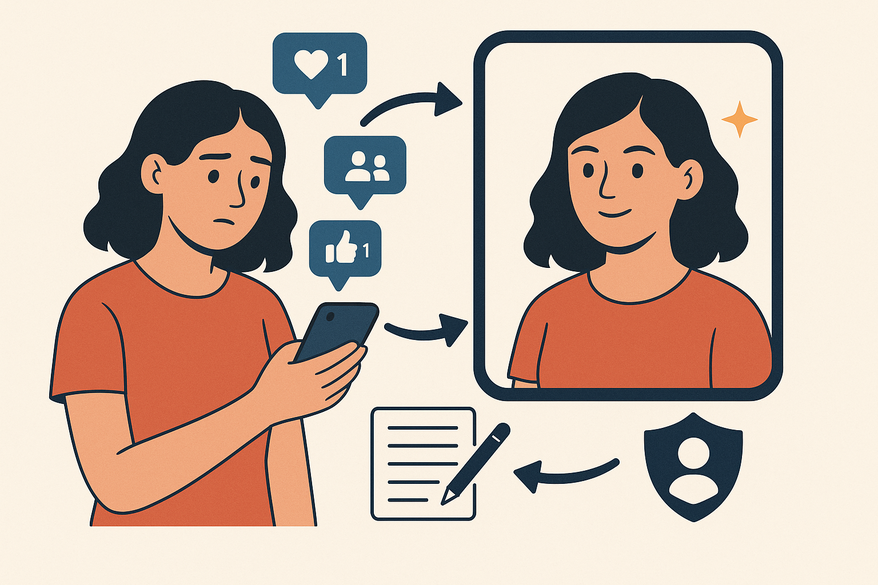
- Curated ideal selves on feeds create a self-discrepancy: the gap between the real self and the online persona.
On social media, the ideal self often takes center stage...creating a disconnect between the actual self and the ideal self. 6Professor RJ Starr (RJ Starr analysis)
This disconnect drives the social media impact on self esteem by eroding confidence when real life falls short of the polished feed.
Mechanisms of Influence: Comparison, Curation & Feedback
Subheading: Mechanisms of Influence: Comparison, Curation & Feedback
- Social Comparison & Curated Content
- The highlight reel effect: Users scroll through perfect posts and compare them to everyday life.
- Social media encourages users to craft an idealized version of themselves... 6Intelliwings s Social Selves report (Intelliwings report). - Feedback Loops: Likes, Comments & Shares
- Algorithms amplify popular content, creating a reinforcement cycle.
- Peer validation drives repeated checks for notifications (Studocu peer validation blog). - Positive vs. Negative Influences
Positive: Marginalized communities (e.g., LGBTQ+) find support and empowerment.
Negative: Comparison and competition spike anxiety, distorted self-perception, and body-image issues.
These mechanisms highlight how social media impact on self esteem plays out through comparison, algorithms, and crafted online persona.
Research-Backed Effects on Self-Esteem
Subheading: Research-Backed Effects on Self-Esteem
Heavy social media use correlates with anxiety and lowered self-worth. Key findings include:
- PMC study (PMC12165459): Cyberbullying and FOMO are linked to low self-esteem in frequent users (PMC12165459).
- A longitudinal study found teens spending 3+ hours/day on social media had a 27% steeper decline in self-esteem over two years (longitudinal study).
- Real-world Example: TikTok perfection challenges push users toward filtered aesthetics, increasing self-doubt (CliffsNotes essay, CliffsNotes).
Moderating Factors Table:
| Factor | Positive Impact | Negative Impact |
|---|---|---|
| Usage Time | Creative expression (art posts, DIY) | Doom-scrolling erodes self-esteem |
| Age Group | Emerging adults build career networks | Adolescents face peer validation traps |
| Platform | TikTok niche communities | Instagram aesthetics fuel body image issues |
These studies underscore the social media impact on self esteem, linking FOMO, cyberbullying, and distorted self-worth to heavy usage.
Actionable Tips for a Healthier Self-Image Online
Subheading: Actionable Tips for a Healthier Self-Image Online
- Curate Your Feed
Unfollow or mute accounts that trigger negative comparisons.
Ask, Does this content inspire me? 6Professor RJ Starr (RJ Starr analysis). - Digital Detox
Limit social media to 30 minutes/day.
Studies show self-esteem rebounds within 24 hours of a digital break (detox study). For more on how a break from social media can boost self-awareness, check out this guide on taking a social media break. - Mindful Posting
Journal before you post: Is this for validation or genuine joy? (Intelliwings).
Link back to Intelliwings report. - Foster Real Connections
Prioritize face-to-face interactions and join supportive online communities, which can help bridge the perception gap between how you see yourself and how others see you (understanding and bridging the perception gap). - Seek Professional Support
Use therapy apps like BetterHelp for guided help on self-image and digital stress.
For personalized, peer-backed insights into how you present yourself online versus how friends see you, try the free Blindspot App.
Conclusion
Social media plays a dual role: it can expand identity exploration while also risking fragile self-image. From the early days of Facebook to today s TikTok trends, the social media impact on self esteem has grown more complex. If you re interested in how social platforms shape who we think we are, read more about the online identity crisis and social media s role.
Reflect on your digital habits and ask: Does your feed uplift or undermine you? Embrace one strategy 6curate, detox, or connect 6to improve your self-image and digital habits. For a comprehensive approach to managing your online persona, consider mastering your digital self image in the social media era.
What has been your experience with social media impact on self esteem? Share your story in the comments below.
FAQ
- Q: How much social media use is considered unhealthy?
A: Studies suggest more than 3 hours/day of passive browsing can correlate with declines in self-esteem and increases in anxiety. - Q: What is the quickest way to boost my online self-image?
A: Curate your feed immediately: unfollow accounts that trigger negative comparison and follow inspiring, supportive communities. For tips on increasing your charisma and confidence, see how to be more likeable. - Q: When should I seek professional support?
A: If social media use consistently lowers your mood, leads to anxiety or depression, or interferes with daily life, professional help 6such as therapy apps 6can be valuable.