How Instagram Affects Self Image: A Comprehensive Guide
Explore how Instagram affects self image, influencing self-esteem and identity. Understand the platform's impact on mental health and discover balanced usage tips.

Estimated reading time: 8 minutes
Key Takeaways
- Instagram’s visual emphasis and social-validation features drive constant comparison and can undermine self-esteem.
- Upward social comparison, algorithmic echo chambers, and filtered perfection contribute to anxiety, depression, and body dissatisfaction.
- Strategies like setting time limits, curating diverse feeds, and practicing media literacy help mitigate negative effects.
- Instagram also offers creative inspiration, supportive communities, and empowerment movements (e.g., body positivity).
- Societal norms of beauty and success are shaped globally by influencer culture and commercialized authenticity.
Table of Contents
- Introduction
- Understanding Self-Image
- Instagram’s Core Features and Engagement
- How Instagram Affects Self Image
- Balancing Instagram’s Positive and Negative Impacts
- Broader Societal and Cultural Implications
- Conclusion
- Actionable Takeaways
- FAQ
Introduction
Did you know 81% of 16–19-year-olds use Instagram daily? These teens and millions of others scroll feeds, post Stories, and watch Reels—often comparing themselves to idealized images. In exploring how Instagram affects self image, we uncover the mental picture people form of their appearance, abilities, and identity. Self-image combines self-esteem (overall worth), body image (perceived physical appearance), and personal identity (social and cultural roles). Instagram’s visual emphasis—photo/video feeds, filters, likes, comments—and its algorithmic curation shape our self-perception every time we open the app.
Understanding how Instagram affects self image matters for mental health, identity formation, and digital literacy. In this guide, we will cover:
- Components of self-image
- Instagram’s core features and mechanics
- Psychological effects on self-perception
- Balancing benefits and risks
- Societal and cultural implications
- Actionable takeaways for healthier use
By the end, you’ll understand why Instagram’s polished world can boost creativity yet undermine self-worth, and how to foster a balanced digital life. For additional insights on how social media shapes identity, see our in-depth analysis.
Understanding Self-Image
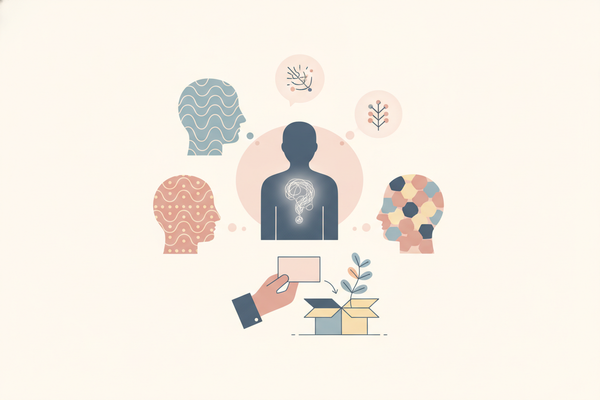
Self-image is the mental representation of who we are. It has three main parts:
- Self-esteem: Sense of personal worth and confidence.
- Body image: Beliefs about physical appearance, shape, size, and attractiveness.
- Identity: Social and cultural roles, traits, and personal characteristics.
A 2002 NIH/PMC study explains that self-image involves introspection—how we think about ourselves—and external feedback—what others say and do around us. Body image overlaps with self-image but focuses strictly on appearance, while self-esteem spans achievements, relationships, and overall value. Identity weaves these threads into social roles like friend, student, athlete, or artist.
Self-image forms through:
- Internal reflection: Comparing our “actual self” to our “ideal self.”
- Social feedback: Praise or criticism from peers, family, and media.
- Cultural expectations: Norms about beauty, success, and behavior.
Source: NIH/PMC study on self-image components
Instagram’s Core Features and Engagement
Instagram’s design centers on visuals and social validation. Key features include:
- Photo/Video Feed: Scrollable posts prioritized by an algorithm.
- Stories & Reels: Ephemeral or short-form videos, promoting immediacy and trends.
- IGTV: Longer videos for deeper engagement.
- Filters & Editing Tools: Instantly enhance or alter appearance.
- Hashtags & Geotags: Boost discoverability.
Engagement mechanisms turn attention into social currency:
- Likes: Quick approval ticks.
- Comments: Deeper feedback loops—praise, critiques, or conversation.
- Follower Counts: Numeric snapshot of popularity.
A Florida Atlantic University study on influencer culture shows that high-engagement content—especially perfect visuals—gets prioritized, reinforcing narrow beauty and lifestyle ideals. Algorithms recommend posts similar to what you already like, creating echo chambers that amplify “upward social comparison” and envy. Usage snapshot: 81% of 16–19-year-olds report daily Instagram use, often exceeding two hours per day.
Source: FAU influencer culture analysis
How Instagram Affects Self Image
1. Constant Social Comparison
- “Upward social comparison” theory explains that users measure themselves against curated influencer and peer profiles.
- FAU/Scope study: 50% of 18–34-year-olds felt unattractive after browsing feeds; 60% felt their achievements were inadequate.
- Comparisons focus on appearance, lifestyle, travel, relationships, and fitness, creating unrealistic benchmarks.
2. Psychological Consequences
- Validation Reliance: Low likes or few comments feel like personal rejection, eroding self-worth (Professor RJ Starr, Society for Psychotherapy).
- Anxiety & Depression: Loma Linda University Health experts report that unattainable beauty standards amplify anxiety and depressive symptoms.
- Body Dissatisfaction: NIH research on 124 adolescents found that seeing idealized images leads to negative body image, especially during puberty when identity and self-esteem are still forming.
- Girls were more susceptible to seeing flaws.
- Boys also faced pressure for muscularity and athletic prowess.
3. Research Findings Table
| Source | Key Finding | Impact on Self-Image |
|---|---|---|
| FAU/Scope Study | 50% felt unattractive; 60% felt inadequate | ↓ Self-esteem via comparison |
| NIH/PMC12654893 | Likes reinforce narrow beauty ideals | ↑ Body dissatisfaction in teens |
| LLU Health Insights | Unrealistic standards increase anxiety | Anxiety, validation dependence |
| Society for Psychotherapy | Effects vary by age and SES | Identity issues during youth |
Sources:
- PMC12654893
- Society for Psychotherapy study
- Influencer culture study
- LLU Health social media impact research
Balancing Instagram’s Positive and Negative Impacts
Instagram’s influence isn’t all downside. Knowing both sides helps users take control.
Positive Effects
- Inspiration & Creativity: DIY tutorials, art ideas, fitness routines spark self-expression and skill building.
- Connection & Support: Niche communities—parenting groups, mental health advocates, LGBTQ+ support—foster belonging.
- Empowerment Movements: Body-positivity and self-love hashtags amplify diverse representations and challenge narrow ideals.
Negative Effects
- Upward Comparison: Viewing glamorous lives heightens envy and lowers mood.
- Body Dissatisfaction: Filters and perfect images fuel unrealistic beauty standards.
- Mental Health Risks: Anxiety, depression, and feelings of low self-worth rise with heavy usage.
Mitigation Strategies
- Set Time Limits & App Reminders.
- Curate Your Feed: Follow realistic, diverse accounts.
- Practice Media Literacy: Ask, “Is this image edited or staged?”
- Engage Offline: Journaling, therapy, face-to-face interactions.
To explore tools that help uncover blind spots in self-perception and support personal growth, check out best self-awareness app of 2026.
Broader Societal and Cultural Implications
Instagram’s reach extends beyond individuals to global culture, shaping norms of beauty, success, and identity.
- Western Ideals Globalized: Slim bodies, flawless skin, luxury lifestyles proliferate worldwide, eroding local beauty standards.
- Commercialization via Influencers: Sponsored posts and brand deals monetize self-image, turning authenticity into ad space.
- Demographic Variations: Adolescents, gender differences, and socioeconomic factors influence how Instagram impacts self-perception.
Case Study: #BodyPositive vs. Filtered Diversity
Body-positivity campaigns (#EffYourBeautyStandards) have boosted acceptance, yet many posts still employ heavy editing under the guise of “diversity.” Critics argue that this faux-inclusivity masks the same narrow standards.
Conclusion
How Instagram affects self image is clear: its visual emphasis and social metrics drive comparison, anxiety, and fluctuating self-esteem. Studies confirm that perfect feeds can erode confidence, especially in adolescents. Yet with digital literacy and mindful strategies, users can mitigate harm and leverage Instagram for creativity, connection, and empowerment.
For an interactive way to reveal the gaps between your self-image and how others see you, try Blindspot App. It’s a free self-discovery tool that uses anonymous friend feedback and AI-driven insights to help you uncover and grow from your blind spots. For a deeper dive into understanding and bridging the perception gap between your self-image and how others see you, explore our comprehensive guide.
Actionable Takeaways
- Audit and unfollow triggering accounts weekly.
- Use screen-time controls (e.g., 30 min/day limit).
- Keep a gratitude journal to counter negative thoughts.
- Post authentically and support peers with positive comments.
FAQ
- How does Instagram’s algorithm influence what I see? Instagram’s algorithm promotes content based on your past interactions, which can reinforce certain beauty standards and lifestyles, creating echo chambers that fuel social comparison.
- What signs show Instagram is affecting my self-esteem? Feeling anxious or inadequate after scrolling, obsessing over likes or follower counts, and comparing your life to curated feeds are key indicators.
- How can I maintain a healthy relationship with Instagram? Set daily time limits, curate your feed with diverse accounts, and regularly assess how the platform makes you feel. Practicing media literacy helps you recognize edited or staged content. For a step-by-step approach to building self-awareness and understanding yourself, see our definitive guide.
- Are there any positive benefits of using Instagram? Yes—Instagram can inspire creativity, connect you with supportive communities, and amplify empowering movements like body positivity when used mindfully. For more on how social media shapes who we think we are, see our guide on online identity crisis. To further understand the broader impact of social platforms on self-esteem and identity, check out our analysis on social media's impact on self-esteem and how to navigate your identity in the digital age with our guide to mastering your digital self-image. You can also learn more about personality types and self-discovery to further understand the factors that shape your self-image.