How to Handle Feeling Replaced in a Friend Group: Step-by-Step Guide
Learn how to handle feeling replaced in a friend group. Discover practical steps, group dynamics, signs of good and bad friends, and ways to rebuild self-confidence.

Estimated reading time: 10 min
Key Takeaways
- Recognize your feelings and validate them without judgment.
- Distinguish between assumptions and real changes in your friend group dynamics.
- Communicate calmly and openly about feeling replaced or left out.
- Focus on self-soothing, self-awareness, and building self-confidence.
- Understand the signs of good and bad friends, and when to expand your social circle.
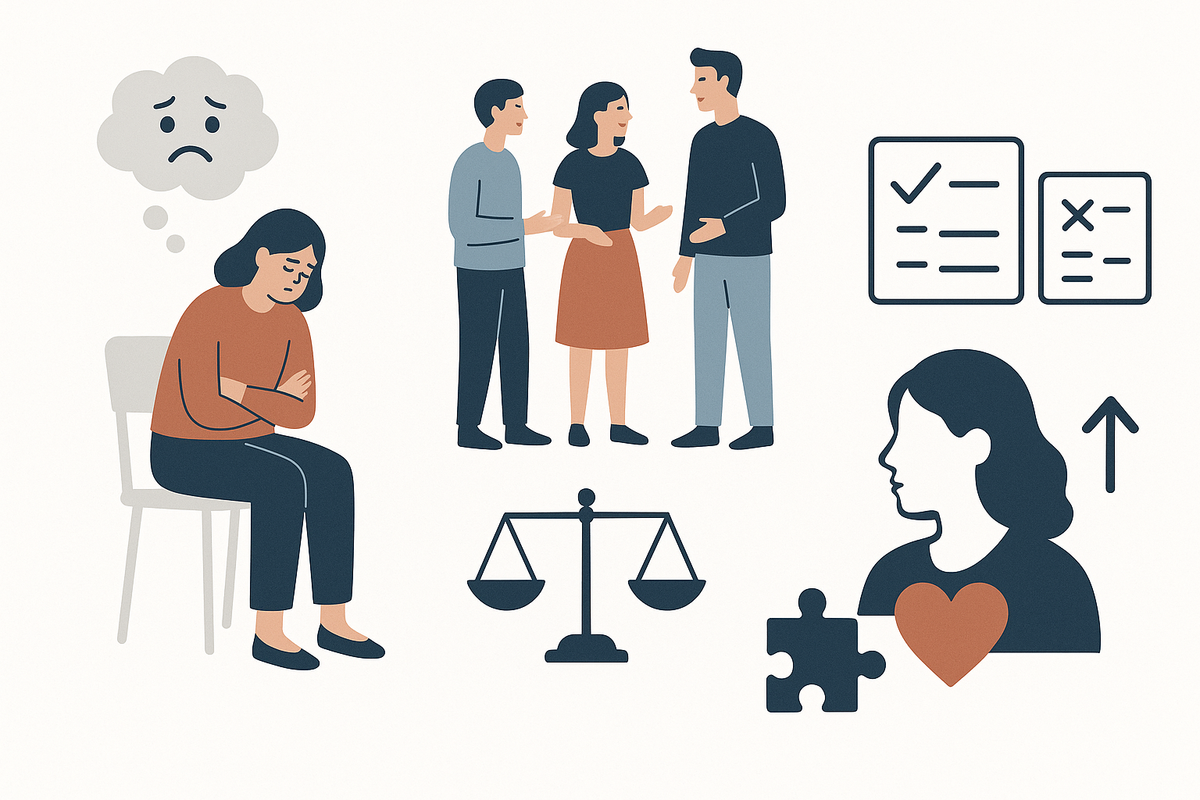
Feeling replaced in a friend group can be deeply painful and confusing. Whether it’s seeing your best friend bond with someone new or sensing shifts in group dynamics, the hurt is real. But with the right steps, you can process these emotions, communicate effectively, and use self-awareness tools like Blindspot to better understand your social role and grow from the experience. This guide will show you how to handle feeling replaced in a friend group, recognize healthy (and unhealthy) friendship signs, and rebuild your confidence.
Step 1: Recognize and Validate Your Feelings
The first step in learning how to handle feeling replaced in a friend group is to acknowledge your emotions without judgment. Feeling hurt, jealous, or anxious is a natural response when group dynamics shift. You might be asking yourself, "Why do I feel replaced by my friend group?"—and that question alone is valid.
Try these practices to process your feelings:
- Write down your thoughts or journal about what’s changed and how you feel.
- Allow yourself to cry or express sadness without suppressing it.
- Use mindful breathing or meditation to calm overwhelming emotions.
Remember, your feelings are signals, not flaws. Recognizing them is the first step to healing.
Step 2: Separate Assumptions from Actual Changes
It’s easy to jump to conclusions when you feel excluded or replaced, but not every change in group behavior is a sign of rejection. Step back and assess the situation objectively:
- Have your friends’ behaviors changed consistently, or was it just a few isolated incidents?
- Are you interpreting their actions through a lens of insecurity or past experiences?
- Did your friends offer invitations to events or reach out in other ways?
Using self-awareness tools like Blindspot or taking the What My Friends Think of Me Quiz can reveal if your perceptions match reality. Sometimes, our blind spots shape how we interpret social cues.
Step 3: Communicate Calmly and Openly
Once you’ve sorted out feelings from facts, it’s time to talk to your friends. Good friends value open, honest communication. Avoid accusations or comparisons—focus on sharing your feelings calmly and specifically.
- Use "I" statements: "I’ve felt a little left out lately and wanted to talk about it."
- Avoid blaming or shaming: Instead of "You always leave me out," try "I miss spending time with you."
- Choose a low-pressure time to talk, not during group gatherings.
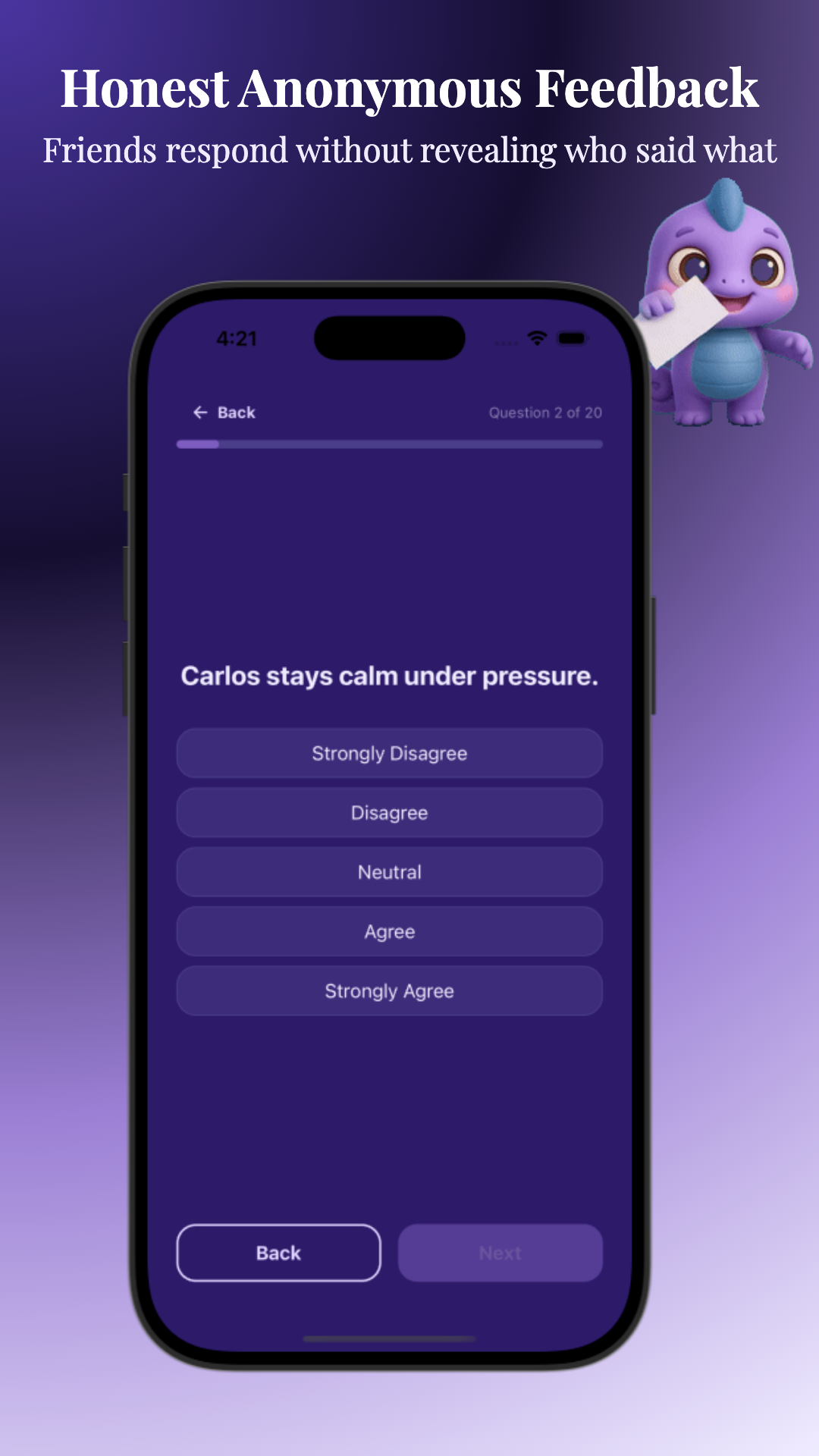
If you’re unsure how your friends might react, tools like Blindspot let you gather anonymous feedback about what your friends say about you, making it easier to understand group dynamics.
Step 4: Practice Self-Soothing and Emotional Regulation
Handling tough emotions is crucial when you feel replaced. Self-soothing helps you avoid overreacting or acting impulsively. Try these techniques:
- Take a few deep breaths before responding to group messages or invitations.
- Allow yourself to cry or vent in a private space, then reflect calmly.
- Engage in a short meditation or grounding exercise to reset your mood.
Taking time before reacting helps you communicate more effectively and avoid misunderstandings—key parts of healthy friend group dynamics.
Step 5: Reflect on Your Own Role and Apologize if Needed
It’s important to ask yourself honestly if your own actions may have contributed to the group’s changes. Sometimes, we unintentionally withdraw, act defensively, or miss out on group plans. Reflection and accountability are signs of a good friend.
- Think about recent interactions: Have you been distant or critical?
- Ask for honest feedback (anonymously, if it feels safer—Blindspot is great for this).
- If needed, apologize for misunderstandings or times you unintentionally hurt someone.
Learning how to get honest feedback from friends can help you understand your impact and repair relationships.
Step 6: Rebuild Your Self-Confidence and Avoid Self-Blame
Feeling replaced can easily spiral into self-doubt or the belief that you’re inherently unworthy of friendship. It’s important to challenge these thoughts:
- Remind yourself of your strengths and the value you bring to your friends.
- Reflect on the ways friends shape your self-image—sometimes, your perception of yourself is harsher than theirs.
- Celebrate small wins in social situations, even if it’s just showing up.
Don’t let "why do I have few friends?" become a measure of your worth. Friendships ebb and flow; your value remains.
Step 7: Set Realistic Expectations for Friendships
No friend or friend group can meet all your social needs all the time. It’s healthy—and necessary—for friends to have multiple close relationships. This doesn’t mean your place in the group is gone.
- Recognize that your friends forming new bonds isn’t a rejection of you.
- Allow space for shifting dynamics without catastrophizing.
- Remind yourself of the signs of a good friend: reliability, respect, and support—even if attention isn’t always focused on you.
For a deeper dive into how your friends see you versus how you see yourself, try the personality blind spot test or find out what your friends really think of you using Blindspot.
Step 8: Take Space or Step Back if Needed
If the group repeatedly dismisses your feelings or makes you feel unwelcome, it might be time to take a step back. Signs of a bad friend or unhealthy group dynamics include:
- Constantly feeling excluded or talked over.
- Friends using gossip or manipulation.
- Lack of respect or concern for your well-being.
It’s okay to pull back and prioritize your mental health. Distance can also help you gain perspective on the group’s role in your life.
Step 9: Expand Your Social Circle and Make New Connections
If you feel consistently replaced or left out, it’s time to explore new friendships. Having a wider social network can boost your self-esteem and sense of belonging.
- Join clubs, classes, or online communities aligned with your interests.
- Reach out to acquaintances you’d like to know better.
- Focus on being a better friend yourself—supportive, open, and reliable.
Remember, your worth isn’t defined by one group. For practical steps on uncovering your social blind spots and building self-awareness, check out the step-by-step guide.
Tips & Common Mistakes
- Don’t assume the worst: Not every shift means you’re being replaced.
- Avoid public confrontations: Discuss your feelings privately, not in a group chat or social media.
- Don’t bottle it up: Suppressed feelings can explode later—find healthy outlets.
- Watch for bad friendship signs: Consistent disrespect or exclusion is not normal.
- Don’t isolate yourself: Even if you need space, stay open to new connections.
Conclusion
Learning how to handle feeling replaced in a friend group is a journey of self-discovery, communication, and growth. Validate your emotions, seek clarity, and communicate openly. Pay attention to the signs of good and bad friends, and don’t be afraid to expand your social world if needed. Tools like Blindspot can help reveal what your friends actually think—bridging the gap between your self-perception and reality. Remember, friendships change, but your self-worth remains.
FAQ
- Why do I feel replaced by my friend group?
It’s natural to feel replaced when group dynamics shift. Sometimes it’s due to genuine changes in relationships; other times, it’s rooted in personal insecurities or misunderstandings. Reflecting and communicating can help clarify what’s really happening. - How do I tell my friends I feel left out without sounding jealous?
Use "I" statements, focus on your feelings, and avoid blame: "I’ve felt a bit left out and wanted to share how I’m feeling." Calm, honest communication is key. - What should I do if my best friend has a new best friend?
Give the new relationship space without taking it personally. Maintain your bond by reaching out, but also accept that friendships evolve. Focus on your own self-worth and other connections. - How do you stop feeling replaceable in a friend group?
Build self-confidence by recognizing your unique value, communicating your needs, and diversifying your social circle. Remember, each friendship is different and irreplaceable in its own way. - Should I distance myself from a friend group that makes me feel excluded?
If the group consistently disrespects or excludes you, it’s healthy to take space. Prioritize friendships that make you feel valued and respected. - How do I know if I’m overreacting or if my friends are actually pushing me out?
Reflect on patterns—are there consistent signs of exclusion, or just occasional missed invitations? Honest conversations and external feedback (even anonymous, via apps like Blindspot) can offer clarity.