How to Become More Self-Aware: The Definitive How-To Guide
Learn how to become more self-aware with practical steps, the Johari Window, blind spots, and proven exercises for greater insight and growth.

Estimated reading time: 13 min
Key Takeaways
- Self-awareness is understanding both how you see yourself and how others see you.
- Developing self-awareness improves relationships, decision-making, and personal growth.
- Blind spots are hidden aspects of your personality and behaviors you might not notice without feedback.
- Tools like journaling, mindfulness, and the Johari Window can dramatically boost self-awareness.
- Honest feedback from trusted friends is essential to uncovering social blind spots.
Learning how to become more self-aware is one of the most powerful steps you can take for personal growth. Self-awareness means understanding your thoughts, emotions, motives, and how your behavior impacts both yourself and others. In this comprehensive how-to guide, you'll discover what self-awareness really is, why it matters, the difference between internal and external self-awareness, how to recognize your blind spots, and practical steps to build greater self-insight—backed by psychology and actionable techniques. Whether you're starting out or seeking to go deeper, this guide will help you unlock your full potential.
Step 1: Understand What Self-Awareness Really Is
Before diving into exercises, it's crucial to answer: what is self-awareness? At its core, self-awareness is the conscious knowledge of your character, feelings, motives, and desires. But it's more than just introspection—it includes understanding how others perceive you. Psychologists distinguish between two types:
- Internal self-awareness: How well you know your own values, passions, reactions, and impact.
- External self-awareness: How accurately you understand how others see you.
Balancing both types helps minimize blind spots and improves your social and emotional intelligence. To dig deeper into these concepts, check out our detailed guide on what is a personality blind spot and why self-awareness matters for success and happiness.
Step 2: Explore the Johari Window and Identify Blind Spots
What is a blind spot in psychology? It's any aspect of yourself that you don't see but others do—often revealed through honest feedback. The Johari Window is a simple, research-backed framework for mapping self-awareness:
- Open Area: Known to you and others
- Blind Spot: Unknown to you, known to others
- Hidden Area: Known to you, unknown to others
- Unknown Area: Unknown to all
Blind spots often hide in the "Blind Spot" quadrant. Tools like the Johari Window Questionnaire and the Blindspot app help you uncover these discrepancies by collecting honest, anonymous input from friends, family, or coworkers.
Step 3: Practice Daily Journaling and Self-Check-Ins
Journaling is a proven way to develop internal self-awareness. Regularly writing about your thoughts, feelings, and reactions helps you spot patterns and triggers. You don't need fancy tools—just a notebook or notes app. Try these prompts:
- What emotion did I feel strongest today? Why?
- What situation challenged me the most, and how did I react?
- What am I proud of today? What do I wish I’d handled differently?
Self-check-ins—short pauses throughout your day to notice your mood and behavior—can also reveal subconscious habits or emotional triggers. Over time, you'll notice recurring themes and areas for growth.
Step 4: Cultivate Mindfulness and Meditation Practices
Mindfulness is the practice of paying attention to the present moment without judgment. Meditation strengthens this skill, helping you observe your thoughts and feelings as they arise. Research shows mindfulness increases both self-awareness and emotional regulation.
- Start with 5-10 minutes of guided meditation daily.
- Notice bodily sensations, thoughts, or emotional shifts throughout your day.
- Practice "STOP": Stop, Take a breath, Observe, and Proceed.
Even brief moments of mindfulness can help you catch knee-jerk reactions or cognitive distortions—moments when your perception is skewed by bias or habit.
Step 5: Identify Emotional Triggers and Patterns of Behavior
Becoming more self-aware means noticing your emotional triggers—situations or comments that spark strong reactions. These often point to unresolved issues or areas where your self-perception clashes with reality.
- Track moments when you feel defensive, angry, or embarrassed.
- Ask yourself: What story am I telling myself about this event?
- Review your reactions for recurring patterns or overreactions.
Recognizing these triggers allows you to pause and choose more intentional responses, rather than repeating automatic behaviors.
Step 6: Seek Honest Feedback from Trusted People
External self-awareness is impossible without feedback. But how do you get honest input without feeling attacked? Start by choosing people you trust—friends, family, or coworkers who want the best for you. Ask specific questions like:
- What’s one thing I do well that I might not realize?
- Is there a habit I have that sometimes annoys or confuses you?
- How do I come across in group settings?
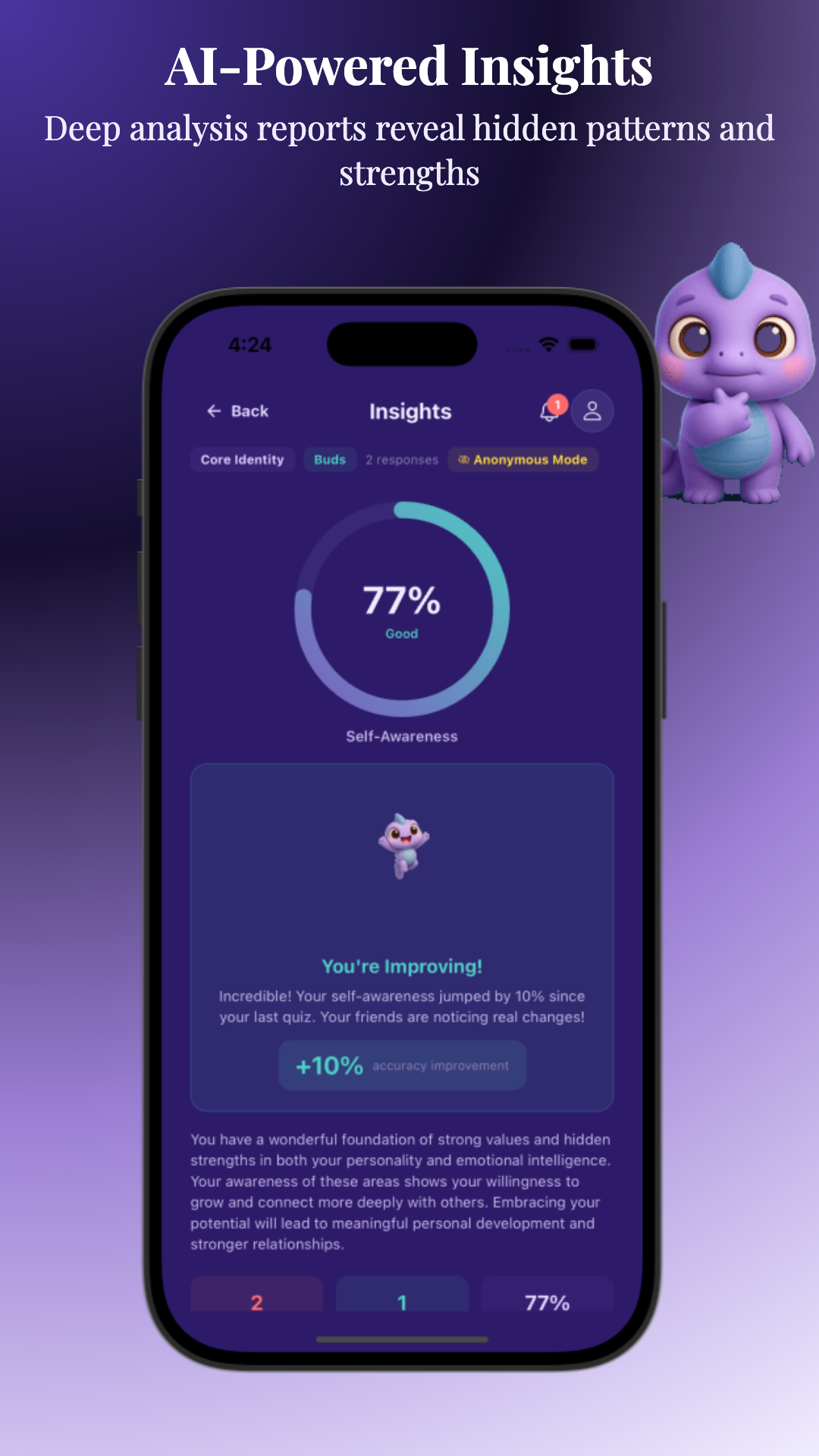
Apps like Blindspot make this process easier (and more honest), letting your friends answer questions anonymously. You can also explore our practical guide on how to get honest feedback from friends to approach this step with confidence and openness.
Step 7: Clarify Your Values, Strengths, and Weaknesses
Knowing what matters to you and where you excel (or struggle) grounds your self-awareness. Try listing your top 5 values—like honesty, curiosity, kindness—or taking strengths assessments. Ask yourself:
- What core principles guide my decisions?
- What activities energize me, and which drain me?
- Which weaknesses keep coming up in feedback?
Personality tests and self-reflection tools—like those found in Blindspot or through the What My Friends Think of Me Quiz—can provide valuable insight from personality types.
Step 8: Review Your Life Timeline to Spot Recurring Themes
Sometimes, the biggest patterns only emerge when you zoom out. Reviewing your life timeline—key events, transitions, and turning points—can help spot recurring themes, beliefs, or self-sabotaging cycles.
- Sketch out major milestones: successes, failures, relationships, and changes.
- Ask: What beliefs or habits repeated themselves?
- Notice where you felt most like yourself—and where you didn’t.
This bird’s-eye view can clarify both strengths and blind spots, guiding your next steps for growth.
Step 9: Apply Self-Awareness to Relationships, Work, and Decisions
Self-awareness isn’t just a personal practice—it transforms how you relate to others, make decisions, and thrive at work. For example:
- In relationships: Spotting your triggers and blind spots helps you communicate more openly and empathetically.
- At work: Understanding your strengths, weaknesses, and how others see you leads to better leadership and teamwork.
- For decision-making: Clarifying your values and patterns makes choices more aligned and confident.
For more on how your friends shape your self-image and the impact of external feedback, read How Friends Shape Our Self-Image: The Hidden Impact.
Tips & Common Mistakes
- Don’t confuse self-awareness with self-criticism: The goal is curiosity, not judgment.
- Avoid only internal reflection: External feedback is crucial to spot blind spots.
- Start small: Overhauling your self-image all at once can be overwhelming—focus on one area at a time.
- Be patient: Building self-awareness is a lifelong process, not a quick fix.
- Watch for defensiveness: It’s normal to feel exposed—pause, reflect, and thank those who offer feedback.
Conclusion
Knowing how to become more self-aware is a journey of continual curiosity and growth. By understanding internal and external self-awareness, exploring your blind spots, and using practical tools like journaling, mindfulness, and honest feedback, you can transform your relationships, work, and sense of self. Apps like Blindspot make the process easier, insightful, and even fun. Ready to take the first step? Dive into our Johari Test: Unlocking Self-Awareness Through Honest Feedback to begin uncovering your true self today or explore the definitive guide to understanding yourself.
FAQ
- How do I become more self-aware?
Practice regular self-reflection, seek honest feedback from others, and use tools like journaling, mindfulness, and personality assessments to uncover blind spots. - What are the best exercises to improve self-awareness?
Daily journaling, mindfulness meditation, reviewing your life timeline, and the Johari Window test are among the most effective exercises. - How can I tell if I lack self-awareness?
Common signs include frequent misunderstandings, defensiveness, difficulty accepting feedback, and being surprised by how others react to you. - Can journaling really help you become more self-aware?
Yes. Journaling helps you process thoughts and emotions, spot patterns, and track growth over time—making hidden habits or beliefs visible. - How do I get honest feedback without becoming defensive?
Ask for feedback from trusted people, focus on listening rather than responding, and reflect before reacting. Anonymous tools like Blindspot can help. - What is the difference between self-awareness and self-confidence?
Self-awareness is knowing your strengths, weaknesses, and impact. Self-confidence is believing in your ability to meet challenges—it's possible to have one without the other.