
What to Do When Friends Talk Behind Your Back: A Guide to Friendship Dynamics
Discover what to do when friends talk behind your back. Learn to recognize signs, handle gossip, set boundaries, and grow more self-aware with expert advice.

Estimated reading time: 13 min
Key Takeaways
- Understand why friends talk behind your back and how to spot the signs.
- Learn when and how to confront gossip calmly and effectively.
- Set boundaries and decide when to distance yourself from toxic friendships.
- Protect your reputation and cope emotionally after betrayal.
- Use self-discovery tools like Blindspot to improve self-awareness and friend group dynamics.
Table of Contents
- Section 1: Understanding Why Friends Talk Behind Your Back
- Section 2: How to Tell If the Gossip Is Real or Just Hearsay
- Section 3: When and How to Confront a Friend About Gossip
- Section 4: Setting Boundaries, Limiting Access, and Sharing Less
- Section 5: Protecting Your Reputation and Navigating Friend Group Dynamics
- Section 6: Coping Emotionally, Growing, and Moving On
Section 1: Understanding Why Friends Talk Behind Your Back
The Psychology Behind Gossip in Friendships
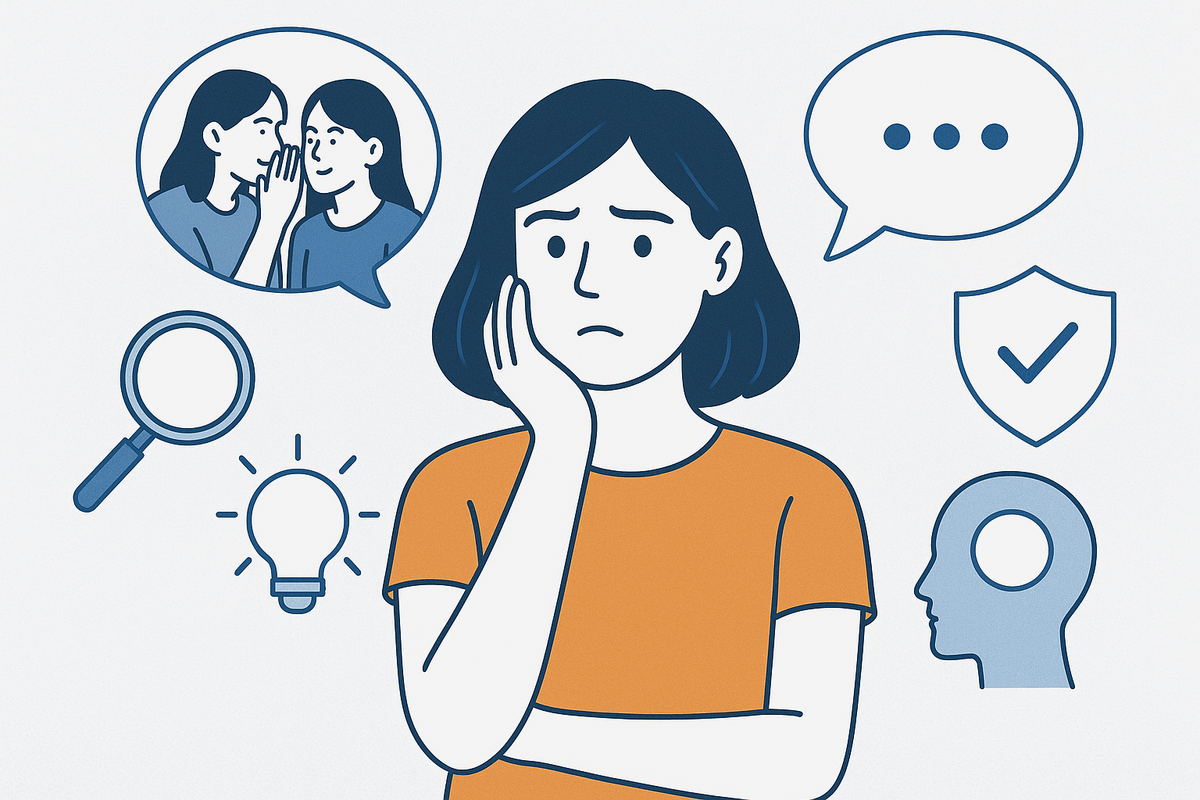
Gossip is an age-old social phenomenon, but when it happens among friends, it stings. The reasons friends talk behind your back often stem from insecurity, jealousy, or unresolved conflicts. Sometimes, it’s a misguided attempt to bond with others by sharing secrets. In other cases, it can be a sign of shifting friend group dynamics where alliances change, and trust is tested.
- Insecurity: Friends may gossip to feel better about themselves.
- Jealousy: Success, relationships, or change can trigger envy and negative talk.
- Miscommunication: Unspoken tension leads to venting or rumor-spreading.
- Exclusion: Gossip sometimes arises from cliques or shifting group roles.
Recognizing these motives can help you respond effectively, instead of reacting impulsively. It’s helpful to ask, “Why do I have few friends who truly support me?” Understanding the psychological blind spots in relationships reveals the deeper reasons behind betrayal and gossip.
Signs of a Good Friend vs. Signs of a Bad Friend
Knowing the signs of a good friend is just as important as spotting red flags. A good friend is supportive, honest, and talks to you—not about you. A bad friend, on the other hand, may undermine you, spread rumors, or share your secrets.
- Good friends celebrate your wins and stand up for you in your absence.
- Bad friends use your vulnerabilities for gossip or exclusion.
- Healthy friendships are built on trust, empathy, and open communication.
Understanding these contrasts helps you evaluate your circle and decide who deserves your trust.
Section 2: How to Tell If the Gossip Is Real or Just Hearsay
Recognizing the Signs
It’s easy to jump to conclusions, but not every rumor is true. Before reacting, look for consistent signs that friends are talking behind your back. These may include:
- Change in Behavior: Friends suddenly act distant, avoid eye contact, or exclude you from group plans.
- Awkward Silences: Conversations stop when you enter a room, or you notice whispered conversations.
- Indirect Comments: You hear about things you shared privately from others, or people repeat phrases you never told them directly.
Trust your gut, but also look for patterns. One-off incidents may be misunderstandings, but repeated signs warrant closer attention.
Gathering Evidence Without Paranoia
It’s important not to feed paranoia. Instead, calmly observe and, if possible, verify the information with a trusted mutual friend. Ask open-ended questions instead of making accusations. For example:
- “Hey, I’ve noticed things are tense lately. Has something happened?”
- “Someone mentioned something I only told you—did you talk to anyone about it?”
Check for consistency in stories. If multiple, independent friends mention the same thing, it’s likely there’s truth to it. If only one person is spreading rumors, consider their motives—are they reliable, or could they be stirring drama?
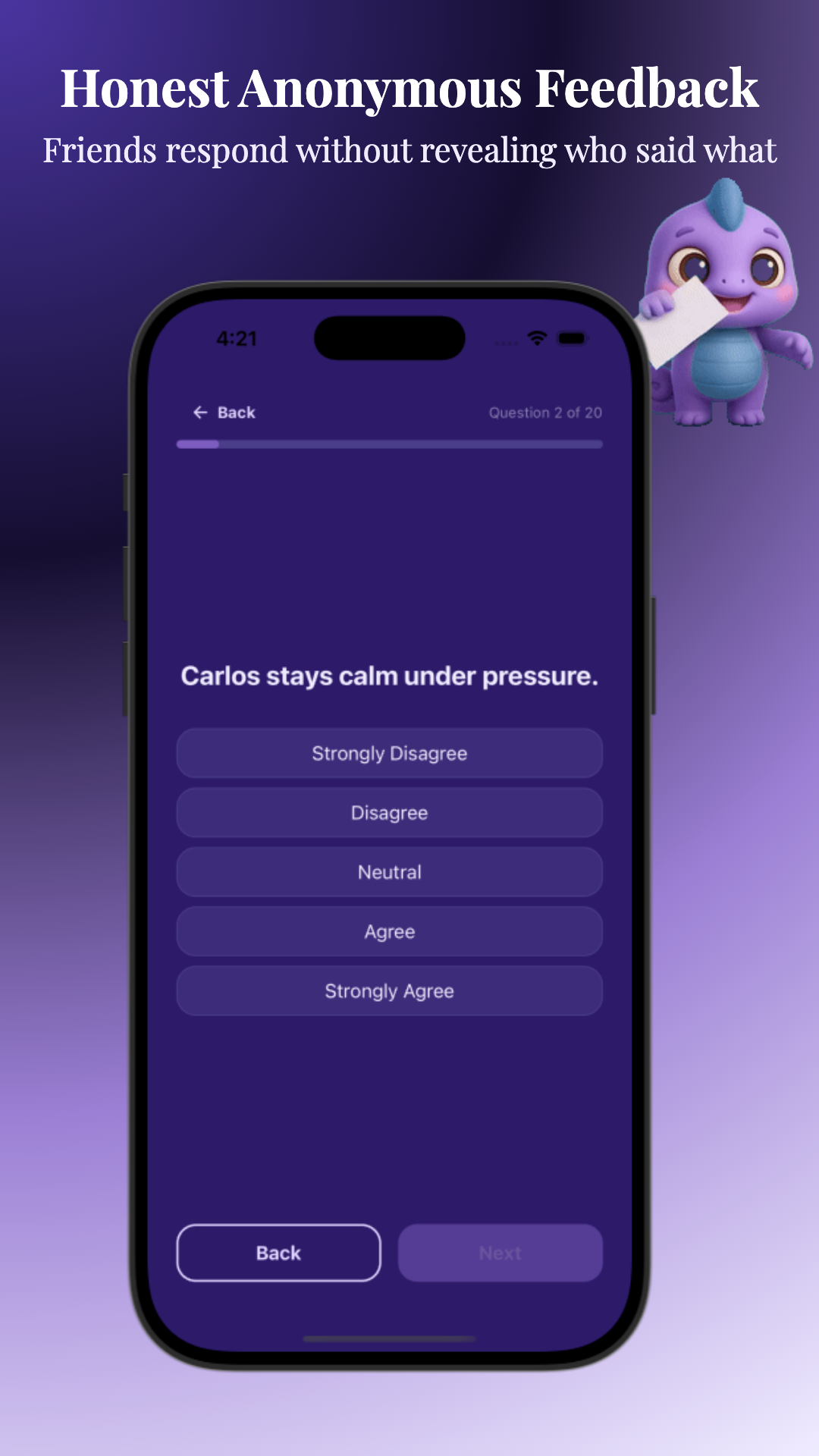
Apps like Blindspot can provide anonymous, honest feedback from your friend group, giving you a clearer perspective on what your friends say about you—sometimes the reality is different from the rumor mill. For more structured self-discovery, explore the What My Friends Think of Me Quiz to reveal blind spots.
Section 3: When and How to Confront a Friend About Gossip
Should You Confront or Let It Go?
Deciding whether to confront a friend who is gossiping about you depends on the situation and your relationship history. If the friendship is valuable and the issue seems like a one-time slip, a private conversation may resolve the misunderstanding. If the behavior is repeated or malicious, confronting them is essential for your own peace of mind and setting boundaries.
- Confront when the gossip is hurtful, persistent, or threatens your reputation.
- Let it go if it’s minor, a misunderstanding, or not worth the emotional investment.
How to Start a Calm, Private Conversation
Approach the conversation with empathy, not accusation. Choose a private setting where you both feel comfortable. Start by expressing your feelings rather than blaming:
- “I heard something that really upset me, and I wanted to talk to you about it directly.”
- “I value our friendship, so I wanted to clear the air.”
Avoid inflammatory language. Focus on your feelings and the impact of their actions. Use “I” statements to prevent defensive reactions: “I felt hurt when I heard…” instead of “You betrayed me.”
What to Say Without Sounding Accusatory
Stick to facts, avoid generalizations, and offer a path forward. For example:
- “I want to understand what happened from your perspective.”
- “How can we move past this?”
- “Is there something I did that upset you?”
By keeping the conversation open, you leave room for honest discussion, apology, or clarification. This approach models how to be a better friend even in difficult situations. For a deeper dive into honest feedback, explore the Johari Test for self-awareness.
Section 4: Setting Boundaries, Limiting Access, and Sharing Less
When to Stop Sharing Personal Information
If a friend has broken your trust, it’s wise to limit what you share in the future. Consider what details are truly private and which friends have earned the right to hear them. This is not about becoming closed off, but about protecting yourself from future harm.
- Reserve sensitive information for those who have consistently shown signs of a good friend.
- Be cautious with vulnerable topics around those who have spread gossip.
Remember, setting boundaries is a sign of self-respect, not weakness. If you feel pressured to share or worry about your words being twisted, step back and reassess the relationship.
How to Set Clear Boundaries
Communicate your boundaries directly but respectfully:
- “I’d prefer to keep this private.”
- “I’m not comfortable discussing this in a group.”
- “I need some space to process things.”
Consistent boundary-setting weeds out those who respect you from those who don’t. Over time, your friend group will reflect the energy and respect you give and expect in return.
When to Distance Yourself or End the Friendship
Repeated gossip, betrayal, and disrespect are strong signs of a bad friend. If the negative behavior continues despite open conversation and boundaries, it may be time to distance yourself or end the friendship. Surround yourself with people who value trust, empathy, and growth.
For more on recognizing and addressing personal blind spots in relationships, see this complete guide to blind spots.
Section 5: Protecting Your Reputation and Navigating Friend Group Dynamics
Managing Group Dynamics After Gossip
When gossip spreads through a friend group, it can fracture relationships and alter group roles. Some friends may take sides, while others remain neutral. Your approach to the situation will shape how the group perceives you and the person who gossiped.
- Stay calm and dignified—avoid retaliating with counter-gossip.
- Reach out privately to mutual friends if you need to clarify your side or dispel rumors.
- Focus on maintaining relationships with those who demonstrate loyalty and maturity.
Friend group dynamics are complex. Sometimes, a shift in alliances reveals who your true friends are. Observe who stands by you and who thrives on drama—this insight is invaluable for your social well-being.
How to Protect Your Reputation
Your reputation is built over time but can be undermined quickly by persistent rumors. To protect yourself:
- Address falsehoods directly with those involved, but avoid public confrontations.
- Model integrity and consistency—let your actions speak louder than words.
- Focus on your positive qualities and contributions to the group.
If you feel your reputation has been unfairly damaged, consider a reset. Sometimes, joining a new group or focusing on personal growth is the best remedy.
The How to Find Out What Your Friends Really Think of You guide offers practical advice on gaining honest insights and managing your social image.
Roles Within the Group: Who to Trust
Every group has distinct roles—leaders, mediators, supporters, and sometimes, instigators. Identify who is trustworthy and who tends to stir drama. Build stronger connections with positive influences, and spend less time with those who consistently exhibit toxic behaviors.
Section 6: Coping Emotionally, Growing, and Moving On
Dealing With the Emotional Fallout
Betrayal by a friend can lead to anger, sadness, and even self-doubt. Allow yourself to process these emotions. Journaling, talking to a trusted confidant, or professional counseling can be invaluable during this time.
- Self-care: Prioritize your mental and emotional health with rest, exercise, and activities that bring joy.
- Perspective: Remind yourself that your worth isn’t defined by others’ opinions.
- Reflection: Consider what you’ve learned about boundaries and friendship dynamics.
Learning and Growing From the Experience
Every difficult friendship offers an opportunity for growth. Use the experience to refine your understanding of how to be a better friend and what you need from others. Consider exploring self-discovery tools like Blindspot, which offers anonymous, honest insights from friends and AI-driven feedback to help you recognize your strengths and blind spots. This can be a powerful step toward growth and self-awareness. Find out more at Blindspot.
Moving Forward: Building Healthier Friendships
As you heal, focus on nurturing relationships that are mutual, respectful, and growth-oriented. Look for the signs of a good friend in new and existing connections. If you’re struggling with loneliness or wondering, “Why do I have few friends?” remember that quality matters more than quantity.
For further reading on self-awareness and relationship growth, explore how to become more self-aware and strengthen your social confidence.
Conclusion
Knowing what to do when friends talk behind your back requires a blend of self-awareness, healthy boundaries, and empathy. By understanding the motives behind gossip, recognizing the signs of good and bad friendships, and confidently addressing issues, you can protect your well-being and reputation. Use moments of betrayal as catalysts for growth—tools like Blindspot can provide the honest, constructive feedback needed to understand what your friends say about you and uncover new paths to self-improvement. Ultimately, remember: your value is not diminished by someone else’s words. Invest in friendships that uplift, support, and help you grow.
FAQ
Q: What do you do when a friend talks behind your back?
A: Start by confirming the gossip is true, then calmly address your friend in private. Express how the situation made you feel, set boundaries, and decide whether the friendship can be repaired. Limit sharing sensitive information and focus on relationships built on trust.
Q: Should you confront a friend who is gossiping about you?
A: If the friendship matters and the gossip is persistent or hurtful, a calm, private conversation is best. Use “I” statements, avoid accusations, and focus on understanding their perspective. If the behavior continues, consider distancing yourself.
Q: How do you tell if someone is really talking about you behind your back?
A: Look for consistent signs such as changes in behavior, awkward silences, and private information being shared by others. Verify with trusted mutual friends and check for patterns before reacting.
Q: What should you say when you confront someone about gossip?
A: Use non-accusatory language: “I heard something that upset me and wanted to talk to you directly.” Focus on your feelings, the impact of their actions, and ask for their perspective. Aim for honesty and resolution, not blame.
Q: How do you deal with fake friends who gossip?
A: Limit what you share, set clear boundaries, and distance yourself if the behavior continues. Invest your time in relationships that show loyalty and respect. Protect your reputation by modeling integrity.
Q: When should you cut off a friend who talks behind your back?
A: If the gossip is malicious, repeated, or your boundaries are ignored, it’s time to reconsider the friendship. Prioritize your well-being and surround yourself with supportive, trustworthy people.