
How to Identify Fake Friends in a Group: The Complete How-To Guide
Learn how to identify fake friends in a group, spot warning signs, and understand friendship dynamics. Boost self-awareness with these actionable steps.

Estimated reading time: 10 min
Key Takeaways
- Spot fake friends in a group by observing consistency, support, and boundaries.
- Understand the differences between good and bad friends through their actions, not just words.
- Recognize how friend group dynamics influence your well-being and self-image.
- Use tools like Blindspot to discover what your friends actually think about you.
- Act on clear signs to protect your emotional health and build better friendships.
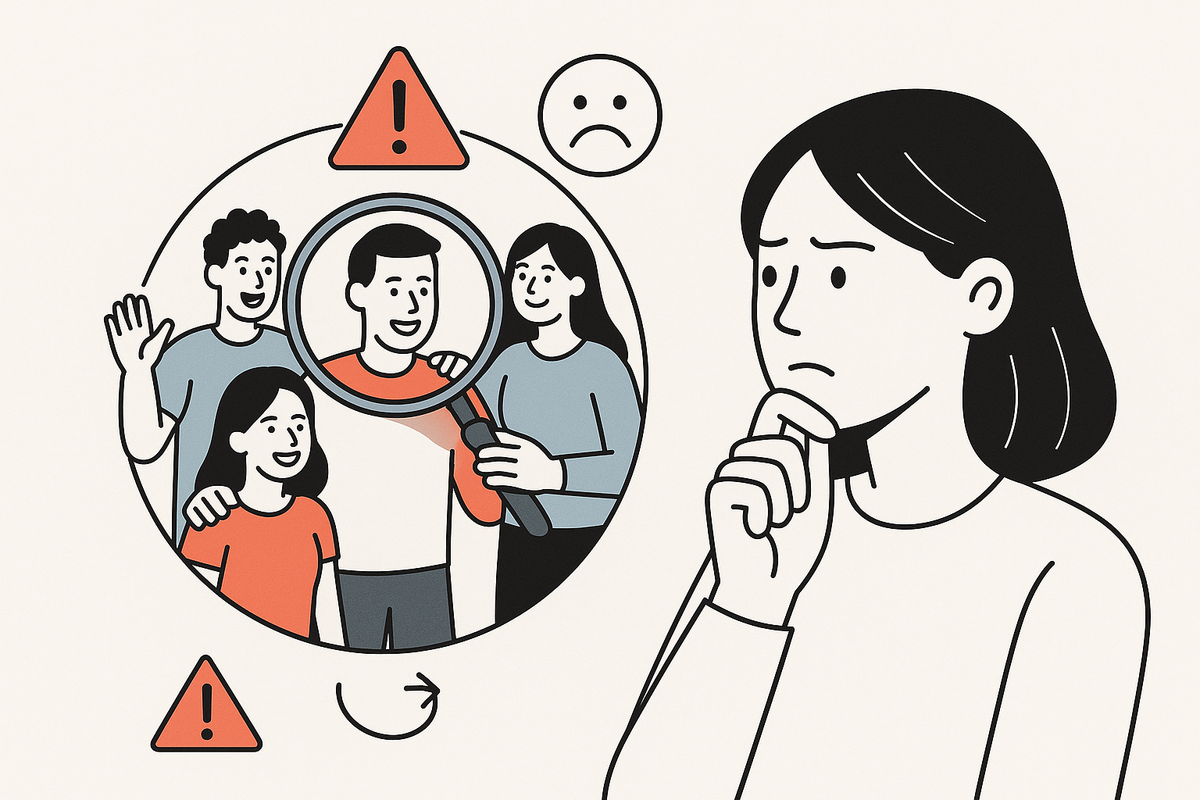
Learning how to identify fake friends in a group can transform your social life and personal growth. Whether you’re feeling confused after a group hangout or questioning what your friends say about you, recognizing the signs of a good friend versus a bad friend is crucial. This guide will help you decode group dynamics, understand your role, and use self-awareness tools like Blindspot to reveal the truth behind your friendships.
Step 1: Understand What Makes a Friend Fake or Genuine
Before you can spot a fake friend, you need to understand the core qualities that set good friends apart from bad ones. A fake friend is someone who acts supportive in public but undermines you in private, while a genuine friend is consistent, supportive, and values your boundaries.
- Signs of a good friend: Trustworthy, supportive, celebrates your wins, respects your boundaries, and is there in tough times.
- Signs of a bad friend: Only appears when it benefits them, gossips, jealous of your achievements, pressures you to conform, and leaves you feeling anxious or drained.
Reflect on recent interactions. Do your friends make you feel seen and valued, or do you sense a gap between their words and actions?
Step 2: Watch for Inconsistencies Between Words and Actions
One of the clearest ways to identify fake friends in a group is to notice when someone’s actions don’t match what they say. They might compliment you to your face but criticize or exclude you when you’re not around.
- They promise to help but never show up when you need them.
- They act friendly in public but ignore your messages in private.
- They support you only when others are watching.
Tracking these inconsistencies over time can clarify who truly values your friendship.
Step 3: Recognize Jealousy, Resentment, and Gossip
Jealousy and resentment are major red flags. Fake friends may downplay your accomplishments, spread rumors, or act distant when something good happens to you. They might also use sarcasm or subtle digs that leave you second-guessing yourself.
- Notice if they rarely celebrate your successes or seem annoyed when you achieve something.
- Pay attention to gossip or backstabbing, especially if you hear your own secrets repeated by others.
- Ask yourself if you feel supported or undermined after sharing good news with the group.
For a deeper look at how friends’ opinions shape your self-perception, try the What My Friends Think of Me Quiz.
Step 4: Evaluate Effort, Emotional Labor, and Reciprocity
Authentic friendships involve balanced effort. If you’re always initiating plans, offering help, or being the emotional anchor while others rarely reciprocate, this imbalance could signal fake friends or a toxic group dynamic.
- Are you expected to solve everyone’s problems but left alone with your own?
- Do you feel used for favors, resources, or connections?
- Does the group only reach out when they need something?
Healthy friend groups share the emotional labor, making support a two-way street.
Step 5: Observe Boundary Disrespect and Peer Pressure
Respecting boundaries is a fundamental aspect of friendship. Fake friends may push you to do things you’re uncomfortable with, ridicule your choices, or pressure you to conform to group norms at the expense of your values.
- Notice if your "no" is respected or challenged.
- Are your personal boundaries, beliefs, or preferences frequently dismissed?
- Is there subtle (or overt) pressure to act against your best interests?
Strong friendships are built on mutual respect, not conformity or manipulation. Learn more about personality differences and their effect on group roles in this detailed guide.
Step 6: Check How You Feel After Group Interactions
Your emotional state after group hangouts is a powerful indicator. Genuine friends leave you feeling energized, understood, and accepted. Fake friends leave you drained, anxious, excluded, or confused.
- Do you feel like you can be yourself, or are you constantly on guard?
- Are you replaying conversations, worried about what was said or left unsaid?
- Is there a sense of relief when group plans are canceled?
Trust your gut. Consistent discomfort is a sign to re-evaluate your friend group dynamics.
Step 7: Notice Group Behavior When You’re Struggling
When life gets tough, fake friends often disappear or become dismissive. Pay close attention to how your group responds when you need support, face setbacks, or express vulnerability.
- Do they check in, listen, or offer help—or do they change the subject or avoid you?
- Are your problems minimized, ignored, or gossiped about?
- Does anyone offer genuine care, or is it just surface-level concern?
Support during hard times is the ultimate test of friendship. If you feel isolated in moments of need, it’s time to reconsider who you confide in.
Step 8: Use Tools Like Blindspot for Honest Group Feedback
Sometimes, it’s hard to be objective about group dynamics. Apps like Blindspot let you invite friends to answer questions about you anonymously, revealing how your group truly perceives you compared to your self-view. This can uncover patterns, highlight blind spots, and help you distinguish between good and fake friends.
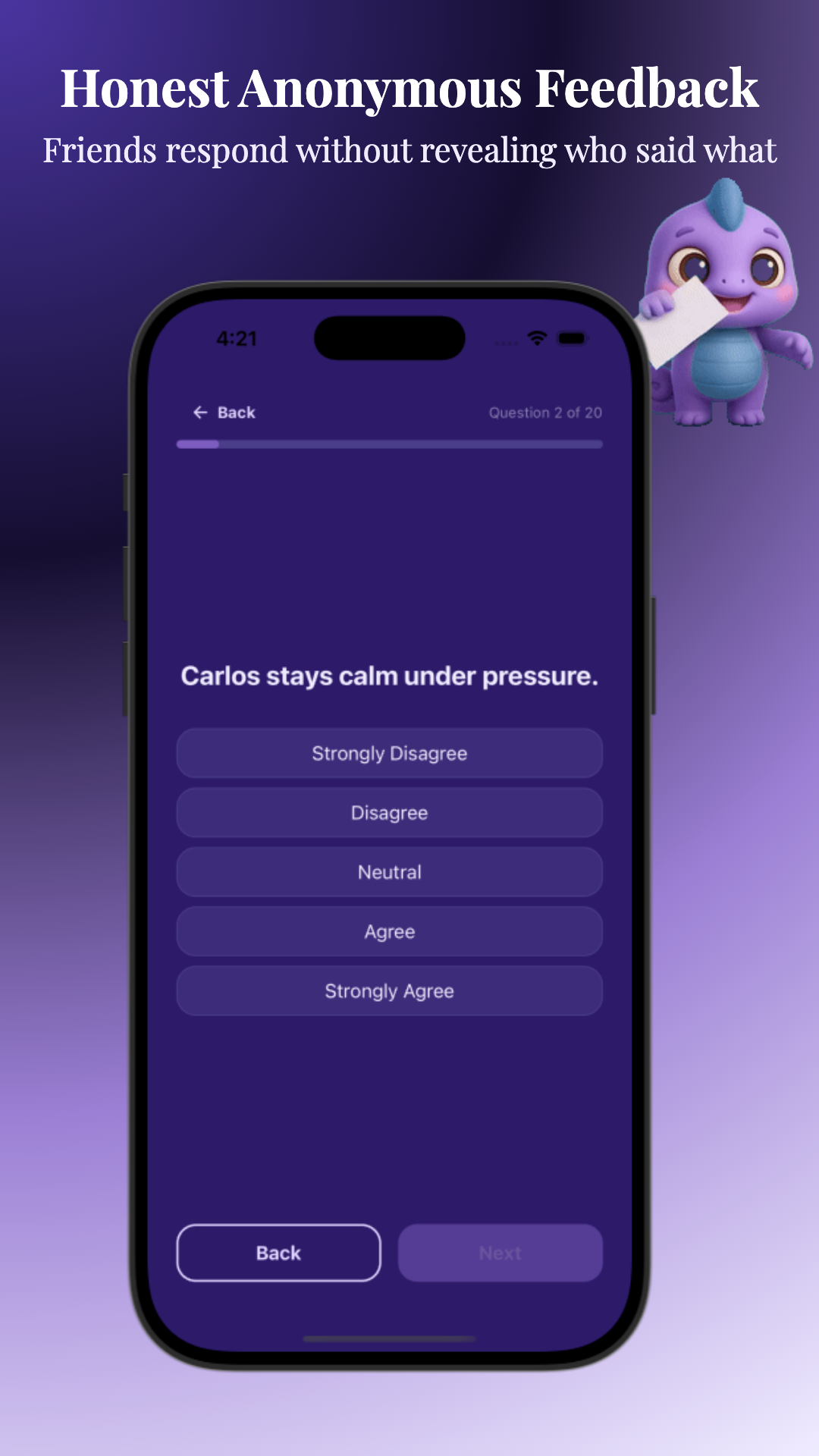
Seeing the discrepancies between how you see yourself and what your friends say about you can be eye-opening. To go even deeper with your self-awareness journey, explore the Johari Window Test and learn how to recognize your own blind spots.
Step 9: Take Action After Identifying Fake Friends
After identifying fake friends in your group, your next steps are crucial for your well-being and personal growth.
- Set clear boundaries with those who drain your energy or treat you unfairly.
- Gradually reduce contact or limit interactions with toxic individuals.
- Cultivate relationships with people who are genuine, supportive, and make you feel valued.
- Reflect on how to be a better friend yourself, so you attract and maintain healthy connections.
If you’re wondering "why do I have few friends," remember that quality trumps quantity. Focus on building meaningful, reciprocal relationships over maintaining appearances in a larger group.
Tips & Common Mistakes
- Don’t ignore your intuition: Consistent discomfort is a red flag.
- Avoid confronting the whole group at once: Address issues privately to prevent drama.
- Don’t confuse occasional mistakes with bad intentions: Everyone slips up; look for patterns.
- Be honest about your own role: Reflect on how your actions and expectations influence group dynamics.
- Use tools like Blindspot for objective feedback: Anonymity encourages honesty.
Conclusion
Learning how to identify fake friends in a group is vital for your emotional health and self-awareness. By understanding the signs of a good friend, evaluating group dynamics, and seeking honest feedback through tools like Blindspot, you can protect yourself from toxic relationships and foster genuine connections. Remember, self-discovery is ongoing—explore in-depth resources like How to Find Out What Your Friends Really Think of You and the Definitive Guide to Self-Awareness to keep growing.
FAQ
- How do you know if someone is a fake friend in a group?
A fake friend often acts friendly in public but is inconsistent, gossips, or disappears when you need support. Look for patterns of one-sided effort, jealousy, and boundary disrespect. - What are the signs of a fake friend in a friend group?
Common signs include talking behind your back, making you feel drained, failing to show up when you need them, and only being supportive when others are watching. - Why do fake friends act nice in front of others?
Fake friends often want to maintain a good image or benefit from the group dynamic. They act nice publicly to avoid confrontation or to use social status to their advantage. - How do you deal with fake friends in a group setting?
Set boundaries, limit contact, and focus on building genuine connections. Address specific issues privately if needed, and don't be afraid to step back from toxic dynamics. - What should you do when a friend group is toxic or fake?
Reduce your involvement, seek out healthier relationships, and prioritize your own well-being. It’s okay to leave a toxic group for your mental health. - Can fake friends be jealous of your success?
Yes, jealousy is a common trait of fake friends. They may downplay your achievements, withdraw support, or act resentful when you succeed.