Difference Between Introvert and Extrovert Personalities: In-Depth Comparison
Discover the real difference between introvert and extrovert personalities. Compare energy, social style, work, decision-making, and myths. Big Five & MBTI explained.

Estimated reading time: 12 min
Key Takeaways
- The primary difference between introvert and extrovert personalities is how they recharge energy and approach social situations.
- Introverts gain energy from solitude; extroverts thrive among people and stimulation.
- MBTI and the Big Five personality traits both explain introversion–extraversion as a spectrum, not a strict either/or.
- Self-perception is influenced by cognitive biases—apps like Blindspot help reveal blind spots in how you see yourself versus how others see you.
- Bottom line: Both personality types have unique strengths. Understanding your style helps you leverage it for work, relationships, and growth.
Wondering about the real difference between introvert and extrovert personalities? This guide compares their core traits, social energy, work preferences, and more—plus how frameworks like the Big Five and MBTI explain the spectrum. The quick answer: introverts and extroverts differ mainly in how they recharge and interact socially, but most people fall somewhere in-between. Let's dive deeper.
Quick Comparison
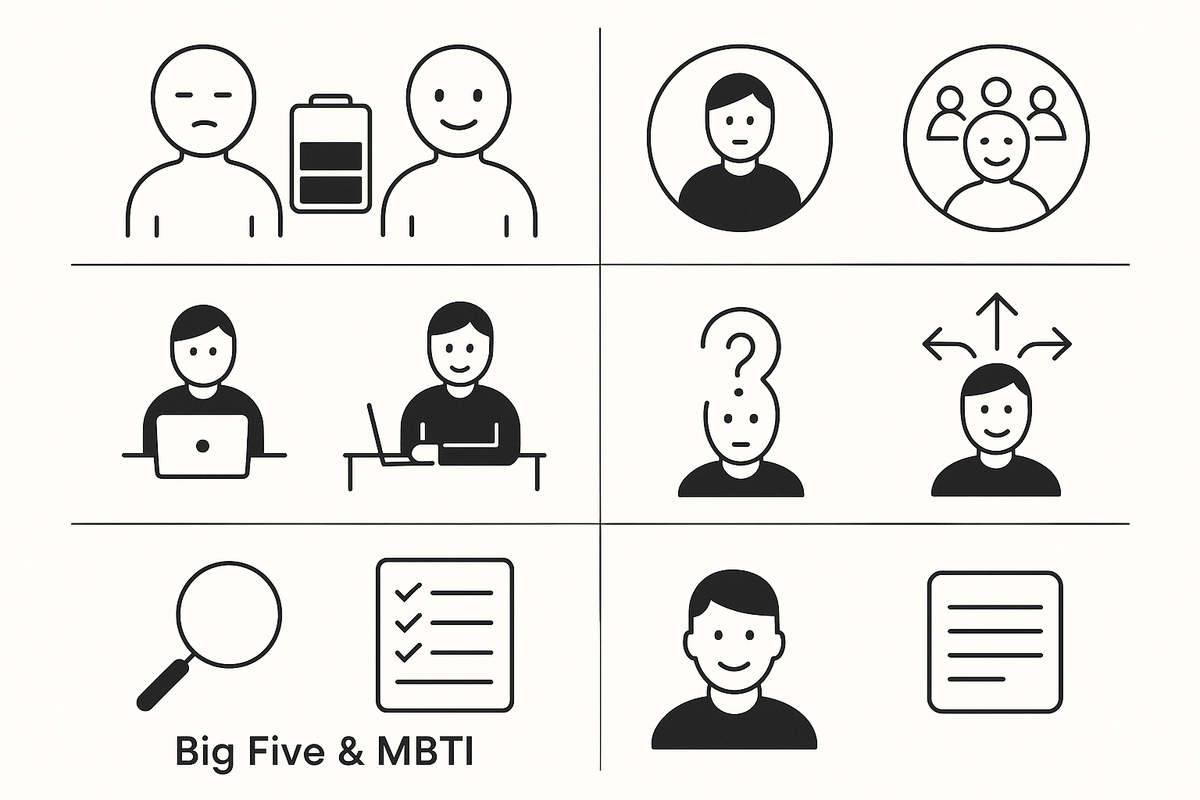
| Dimension | Introvert | Extrovert |
|---|---|---|
| Core Definition | Prefers solitude, reflects inward | Prefers groups, outward focus |
| Energy Recharge | Alone time, quiet environments | Social gatherings, active settings |
| Social Preferences | One-on-one or small groups | Large groups, frequent interaction |
| Communication & Processing | Thinks before speaking, written | Thinks aloud, verbal and spontaneous |
| Stimulation & Novelty | Prefers calm, less stimulation | Seeks excitement, new experiences |
| Work Style | Independent, focused tasks | Collaborative, group projects |
| Decision-Making | Deliberate, introspective | Quick, external feedback |
| Personality Spectrum | May be ambiverted | May be ambiverted |
Core Definition: How Introverts and Extroverts Are Defined
At the heart of the difference between introvert and extrovert personalities is how each type responds to social and environmental stimulation. The terms were first popularized by psychologist Carl Jung, but today are cornerstones of most personality frameworks.
- Introvert: Draws energy from within, finds extended socializing draining, and prefers reflective activities.
- Extrovert: Gains energy from external sources—people, activity, novelty—and seeks active engagement with the world.
While pop culture paints this as a strict dichotomy, modern psychology—especially the Big Five personality traits—shows it’s a spectrum. Most people show both tendencies to varying degrees (ambivert).
Energy Recharge, Social Preferences, and Stimulation
The most practical difference between introvert and extrovert personalities is how they recharge mental and emotional energy:
- Introverts need solitude or quiet time after socializing to "recharge." They gravitate toward deep, meaningful conversations, and enjoy activities like reading, writing, or solo hobbies.
- Extroverts feel energized by groups, parties, and lively environments. They often seek new experiences, enjoy variety, and feel recharged after social events.
This explains why introverts may avoid overstimulating settings, while extroverts might seek out excitement and change. It’s not about shyness or confidence—it’s about optimal energy levels.
For a deeper dive into how others perceive your social style, try a feedback-based tool like Blindspot, which anonymously collects friends’ perceptions and helps identify blind spots in your self-view.
Communication, Work Style, and Decision-Making
Communication and work style can reveal whether you lean introvert or extrovert:
- Introverts: Prefer written communication, process thoughts internally first, and may take time before speaking. In work, they excel at focused, independent tasks and value privacy.
- Extroverts: Enjoy spontaneous verbal communication, think aloud, and are comfortable expressing ideas in groups. They thrive in collaborative, high-energy workplaces.
When it comes to decision-making, introverts tend to be more deliberate, reflecting on all angles before acting. Extroverts are often quicker to decide, seeking input from others.
Curious about your own tendencies? Personality tests—when accurate—can provide clues, but beware of cognitive biases that distort self-assessment. Honest feedback from friends, as in the Blindspot app, is a valuable reality check.
Frameworks: Big Five, MBTI, and the Spectrum
Modern personality psychology places introversion–extraversion on a continuum:
- Big Five Personality Traits: Extraversion is one of five core traits (with Openness, Conscientiousness, Agreeableness, Neuroticism). High extraversion = outgoing; low extraversion = reserved (MBTI explained here as well).
- MBTI (Myers-Briggs Type Indicator): Uses Introversion (I) vs. Extraversion (E) as the first of four dichotomies. However, MBTI types are broad and sometimes critiqued for accuracy.
Scientific consensus? Most people are ambiverts—showing traits of both, depending on context. Your upbringing (nature vs nurture personality) and environment also shape your personality.
For more on how friends help clarify your true type, read How Friends Shape Our Self-Image: The Hidden Impact.
Myths, Misconceptions, and Assessing Your Type
- Myth: Introverts are shy, and extroverts are always outgoing.
Fact: Shyness is fear of judgment; introversion is about energy, not anxiety. - Myth: You are either 100% introvert or extrovert.
Fact: Personality is a spectrum; most people show both traits (ambiverts). - Myth: Extroverts are better leaders.
Fact: Both types can lead effectively—introverts by listening and reflecting, extroverts by energizing and motivating. - Myth: Personality tests are always accurate.
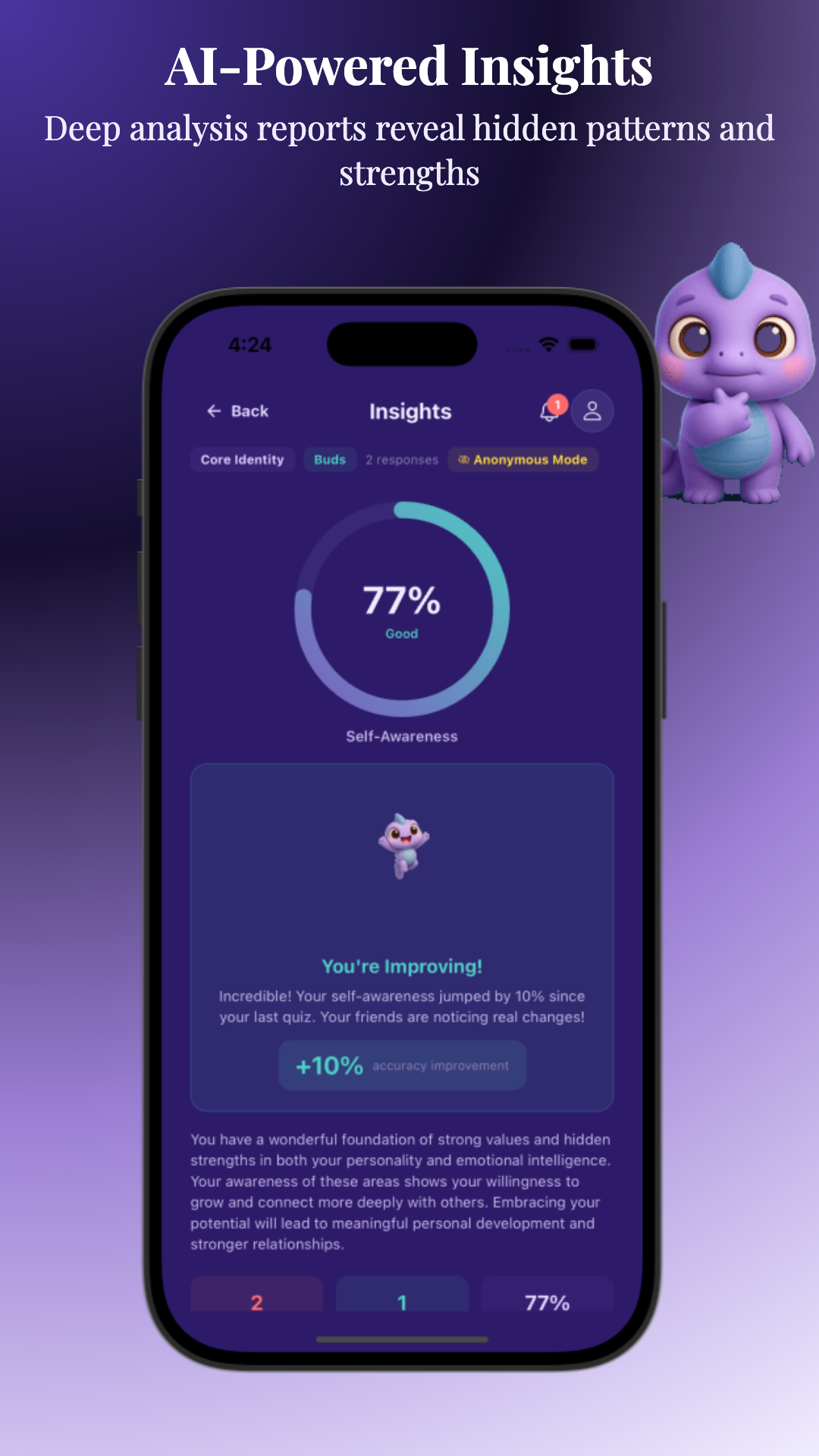
Fact: Tests can be skewed by cognitive biases about yourself. Honest feedback from others (as in Blindspot) provides a fuller picture. If you’re curious, try the What My Friends Think of Me Quiz.
To explore your real type, combine self-reflection with feedback tools and consider context. Your personality may shift over time or in different settings.
Which Should You Choose?
There's no "better" personality type—both introverts and extroverts have unique strengths. Here are some guidelines for leveraging your style:
- For self-growth: If you feel misunderstood, use feedback tools like Blindspot to uncover blind spots and adjust your self-view. See also: How to Uncover Your Social Blind Spots.
- For work: Introverts thrive in roles with deep focus or independent analysis; extroverts excel in team settings, sales, or leadership. Know your energy limits and advocate for your needs.
- For relationships: Recognize and communicate your style. If you’re an introvert dating an extrovert (or vice versa), balance alone time and socializing.
- For self-understanding: View personality as flexible. Try a personality test, but supplement results with honest social feedback and be mindful of cognitive biases.
FAQ
- What is the main difference between introvert and extrovert personalities?
Introverts recharge by being alone and prefer less stimulation, while extroverts gain energy from social interaction and busy environments. - Can someone be both introverted and extroverted?
Yes—most people are ambiverts and show traits of both, depending on context and mood. - How do introverts and extroverts recharge their energy differently?
Introverts feel restored after solo time or quiet activities; extroverts need group activities, excitement, or conversation to feel energized. - Are introverts shy and extroverts outgoing?
No. Shyness relates to social anxiety or fear of judgment, while introversion/extroversion is about energy and stimulation preferences. - How can you tell if you are an introvert or an extrovert?
Notice when you feel most energized—after solitude or after socializing. Also, try combining self-reflection with honest feedback from friends for a clearer picture. - Which personality type is better for work or social life?
Neither is objectively better—success comes from understanding your type, leveraging your strengths, and adapting to different situations.