
How to Navigate One Sided Friendships: A Complete How-To Guide
Learn how to navigate one sided friendships, spot the signs, assess, set boundaries, and grow your friend group for healthier connections.

Estimated reading time: 11 min
Key Takeaways
- Recognize the signs of a one-sided friendship and the difference between good and bad friends.
- Understand the root causes of unbalanced friendships and how group dynamics play a role.
- Assess your friendships with self-reflection and honest feedback from others.
- Learn specific steps to communicate, set boundaries, and decide whether to repair or end the friendship.
- Build a broader support network and grow your self-awareness using tools like Blindspot.
Are you always the one reaching out, planning meetups, or offering support in your friendships? If so, you may be stuck in a one-sided friendship—a relationship where the effort, care, and emotional investment aren't balanced. In this comprehensive guide, you'll learn how to navigate one sided friendships, spot warning signs, understand group dynamics, and use practical strategies to build healthier, more reciprocal connections. Along the way, you'll also discover how tools like Blindspot can help you uncover what your friends really think about you, boosting your self-awareness and growth.
Step 1: Spot the Signs of a One Sided Friendship
Understanding whether your friendship is one-sided starts with knowing what healthy, reciprocal friendships look like. Here are some clear indicators:
- You always initiate contact: If you stop texting or calling, the friendship might go dormant.
- Imbalanced emotional support: You listen to their problems, but they rarely ask about yours.
- Lack of effort or interest: They cancel plans, forget important dates, or seem indifferent to your life.
- You feel drained: Rather than feeling energized, interactions leave you exhausted or unappreciated.
- Unequal giving: You’re always the one offering help, gifts, or time, but they seldom reciprocate.
Contrast these with the signs of a good friend: mutual support, balanced effort, celebrating each other's wins, and consistent communication. For more insight, check out the What My Friends Think of Me Quiz to see how your friends perceive your role in the relationship.
Step 2: Understand Why One Sided Friendships Happen
Before reacting, it's helpful to understand the possible roots of a one-sided connection. Some common causes include:
- Life changes: New jobs, relationships, or family responsibilities can shift priorities.
- Mismatched expectations: Not everyone defines friendship or closeness the same way.
- Personality differences: Introverts may show care differently than extroverts. Learn more in our Introvert vs Extrovert Comparison.
- Group dynamics: Sometimes, friend groups foster cliques, hierarchies, or unbalanced attention. Consider the roles you and others play in your circle.
- Unspoken issues: Past misunderstandings or resentment can cause withdrawal.
Reflecting on "why do I have few friends" can also reveal patterns. Are you gravitating toward people who don't reciprocate, or are there barriers to building new connections?
Step 3: Assess the Friendship Before Reacting
It’s tempting to confront or withdraw right away, but a thoughtful assessment helps you respond wisely. Here’s how:
- Track your feelings: Over a few weeks, note how you feel after each interaction. Are you consistently frustrated, ignored, or undervalued?
- Observe reciprocity: Log who initiates contact, makes plans, and offers support.
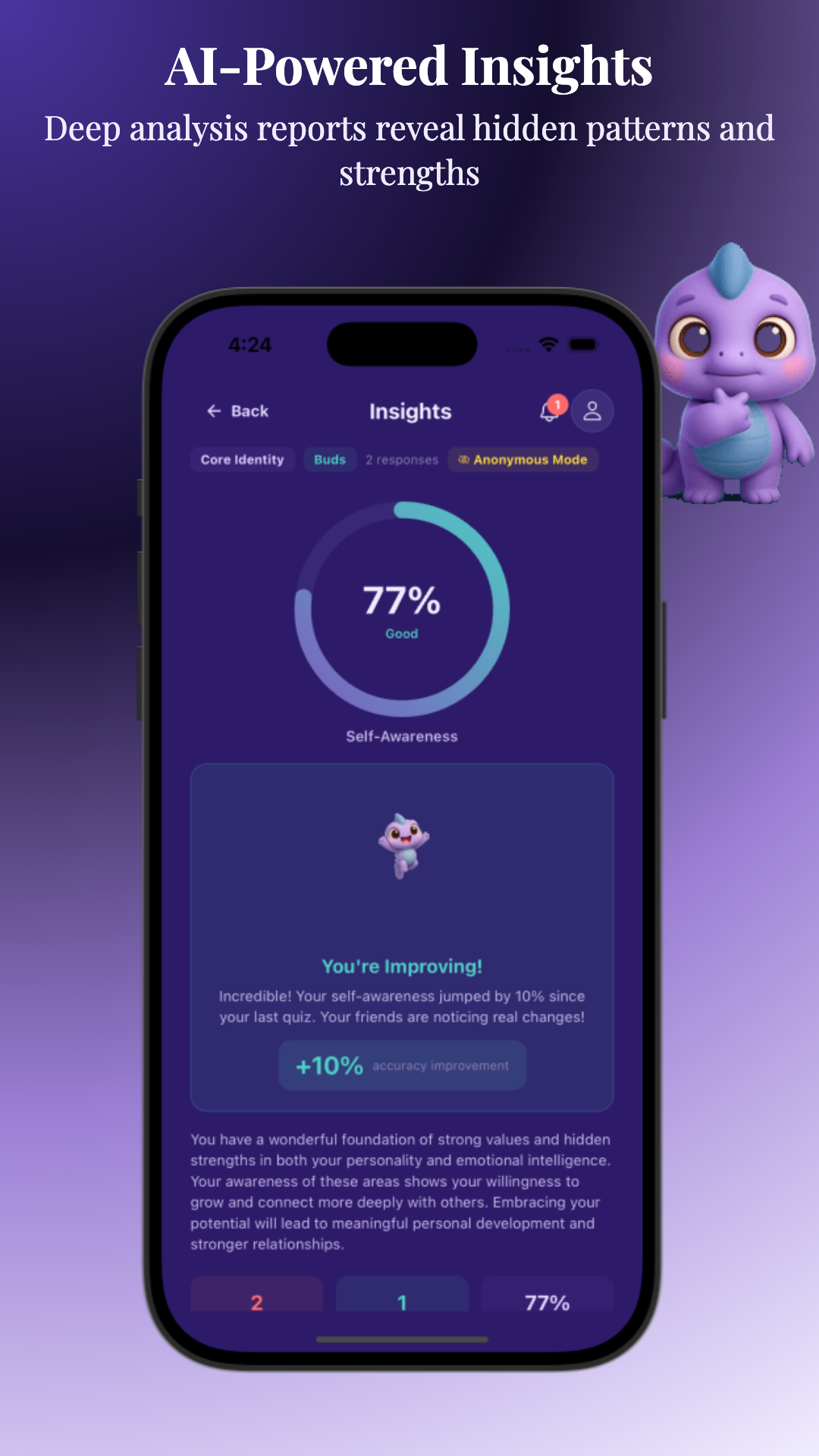
- Seek feedback: Ask trusted mutual friends for their perspective or use an anonymous feedback tool like Blindspot to understand "what your friends say about you." This can uncover blind spots in your perception.
For a deeper self-assessment, try the Johari Window Test or the Self-Awareness Guide to reflect on your own friendship patterns.
Step 4: Communicate Your Concerns Clearly
If the friendship matters to you, honest communication is the next step. Use a calm, non-accusatory approach:
- Use "I" statements: Focus on your feelings and experiences, e.g., "I feel disconnected when I’m always the one reaching out."
- Be specific, not judgmental: Point out patterns without blaming, e.g., "I’ve noticed I usually organize our hangouts."
- Invite their perspective: Ask open questions like "Is there something going on?" or "How do you feel about our friendship lately?"
This opens the door for honest dialogue and may reveal issues you weren't aware of—from stress to social anxiety or misunderstandings about your needs.
Step 5: Set Boundaries and Adjust Your Behavior
Sometimes, the healthiest next step is to pull back and protect your emotional energy. Here’s how to set boundaries:
- Match their effort: If they rarely initiate, try waiting to see if they reach out first.
- Limit availability: Politely decline invitations or requests that feel one-sided or draining.
- Focus on self-care: Invest energy in hobbies, family, or other friends who reciprocate.
Remember, boundary-setting isn't punitive—it's about respecting your needs and modeling healthy friendship behavior. Learning how to recognize your own blind spots can help you spot if you're overextending or missing signs of a bad friend.
Step 6: Decide Whether to Repair or Redefine the Friendship
After you’ve communicated and set boundaries, give the relationship time to adjust. Then, assess:
- Have things improved? Is there more balance, effort, or appreciation?
- Was the issue situational? Temporary life stress or miscommunication can often be resolved.
- Is it still one-sided? If nothing changes, consider downgrading the friendship to a more casual connection or acquaintance.
It’s healthy to accept that not all friendships are meant to be deep or lifelong. Letting go can open space for healthier relationships to grow.
Step 7: End a One Sided Friendship with Respect
If you decide to move on, aim to end things calmly and respectfully:
- Fade out gently: If the friendship is not close, gradually reduce contact.
- Direct but kind conversation: For deeper friendships, explain your feelings honestly: "I value what we had, but I need more from my friendships right now."
- Avoid drama: Don’t escalate conflict, assign blame, or involve mutual friends unnecessarily.
Ending a friendship can be painful, but it’s a key part of maintaining your well-being and making room for balanced, supportive connections.
Step 8: Build a Broader, Healthier Support Network
Over-relying on one friend can intensify feelings of loneliness or disappointment. Instead:
- Invest in other relationships: Reconnect with old friends, join clubs, or participate in group activities.
- Strengthen friend group dynamics: Observe the roles people play in your group—who leads, who listens, who supports—and aim for balance and inclusion.
- Be a better friend: Model the qualities you seek: reliability, empathy, and appreciation for others’ efforts.
Curious how others see you within your circles? Use Blindspot’s anonymous feedback and group insights to uncover both your strengths and potential blind spots, helping you answer "how to be a better friend." For more, see How to Find Out What Your Friends Really Think of You.
Tips & Common Mistakes
- Don’t ignore early warning signs: Address patterns sooner rather than later.
- Avoid assuming intent: Your friend may be unaware or facing issues of their own.
- Don’t make it all-or-nothing: Some friendships are naturally less intense, and that’s okay.
- Resist overcompensating: Giving more won’t always inspire reciprocity.
- Don’t let one bad friendship define your self-worth: Use it as a learning opportunity to grow and build new connections.
Conclusion
Navigating one sided friendships takes courage, self-awareness, and sometimes tough decisions. By recognizing the signs, communicating directly, and setting clear boundaries, you can protect your emotional health and foster more balanced, rewarding connections. Tools like Blindspot offer a unique way to see yourself through your friends’ eyes, highlight your strengths, and uncover areas for growth. Remember: every friendship teaches us something—about others, and about ourselves.
FAQ
- How do you know if a friendship is one-sided?
Common signs include always initiating contact, feeling drained, and noticing a lack of reciprocity or emotional support. Track these patterns over time to be sure. - What do you say to someone in a one-sided friendship?
Use "I" statements to express your feelings calmly: "I feel disconnected when I’m always the one reaching out. Is something going on?" Invite honest dialogue. - Can a one-sided friendship be fixed?
Sometimes. If both people are willing to communicate and adjust their behavior, the friendship can become more balanced. If not, it may be best to let it fade or redefine its role in your life. - How do you stop giving too much in a friendship?
Set boundaries, match your friend’s effort, and invest in other relationships. Focus on self-care and resist the urge to overcompensate. - When should you end a one-sided friendship?
When your concerns have been communicated and nothing changes, or the friendship consistently leaves you feeling unvalued or drained, it may be healthiest to move on. - How do you deal with a friend who never initiates contact?
Try pulling back and waiting to see if they reach out. If the pattern continues and bothers you, communicate your feelings honestly and decide if the friendship is worth maintaining.