How to Use an Inner Peace Self Quiz to Cultivate Self-Acceptance and Calm
Discover how an inner peace self quiz can guide you towards calm and self-acceptance by identifying stressors and strengths. Start your journey today.

Estimated reading time: 8 minutes
Key Takeaways
- Self-quizzes act like a mirror, revealing your inner strengths and growth edges.
- Combining inner peace with self-acceptance builds resilience and reduces stress.
- Actionable strategies—mindfulness, journaling, cognitive reframing—fuel lasting calm.
- Translating quiz results into a personal growth plan ensures continuous progress.
- Regular reflection and iteration keep you aligned with your values and purpose.
Table of Contents
- Introduction
- Understanding the Connection Between Inner Peace and Self-Acceptance
- The Role of Self-Quizzes in the Journey to Inner Peace
- How to Take an Inner Peace Self Quiz
- Strategies for Cultivating Inner Peace and Self-Acceptance
- Integrating Quiz Results into Personal Growth Plans
- Additional Resources and Tools
- Conclusion and Call-to-Action
- FAQ
Introduction
An inner peace self quiz is a simple self-assessment tool that helps you measure how calm, balanced, and self-accepting you feel in daily life. Inner peace is a state of emotional balance and harmony, and self-acceptance is the ability to embrace all parts of yourself without harsh judgment. Together, they lay a foundation for resilience, lower stress levels, and healthier relationships.
Research shows that higher levels of inner peace correlate with reduced anxiety and improved emotional regulation. Similarly, self-acceptance fosters realistic self-esteem and encourages compassionate responses to mistakes. An inner peace self quiz pinpoints where you stand today, making it a powerful first step toward lasting calm and authenticity.
For an even richer self-discovery experience, try using the Blindspot App to compare your self-assessment with anonymous feedback from friends.
Understanding the Connection Between Inner Peace and Self-Acceptance
Inner peace isn’t about avoiding life’s ups and downs—it’s about responding to challenges with clarity and calm rather than fear or self-criticism. Self-acceptance fuels this stance by allowing you to meet yourself where you are, without judgment.
- Less judgment of yourself and others
- Reduced worry and mental conflict
- More appreciation, gratitude, and connectedness
- Freedom to let go instead of over-controlling situations
This alignment with your core values—such as integrity, kindness, or curiosity—creates coherence between belief and action, deepening your sense of calm.
The Role of Self-Quizzes in the Journey to Inner Peace
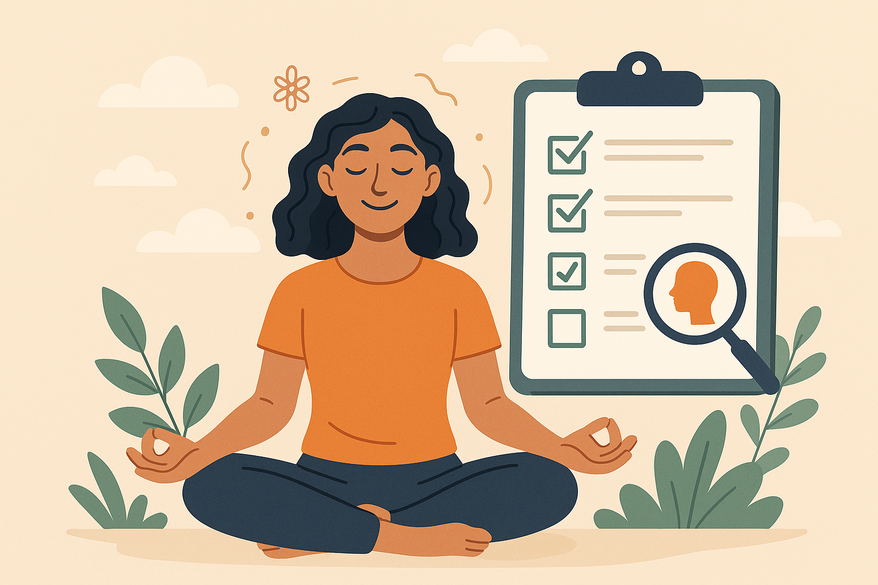
An inner peace self quiz acts like a mirror for your inner world, asking questions about stressors, thought patterns, and coping styles. Instead of labeling you, it highlights precise growth edges and strengths to guide your next steps.
How to Take an Inner Peace Self Quiz
Prepare Your Mindset
- Choose a quiet, undistracted time.
- Set an intention to answer honestly and with compassion.
- Optional: do a brief centering exercise (e.g., three slow breaths).
Answer Honestly and Completely
- Base responses on your typical feelings and behaviors.
- Select the option that truly matches your experience.
- For open prompts, note both frequency and intensity.
Review and Interpret Results
- Check your score range and read accompanying descriptions.
- Spot repeating patterns—maybe you judge yourself harshly or avoid conflict—and ask, “Which one area, if improved, would most enhance my peace?”
Translate Results into Insight
- Strengths: note areas where you already excel.
- Stressors: pinpoint specific triggers.
- Growth edges: areas to develop, like boundary-setting or patience.
Strategies for Cultivating Inner Peace and Self-Acceptance
Mindfulness and Meditation
These techniques calm the nervous system, reduce cortisol, and build a habit of responding with clarity. For a deeper dive, see our guide on Mindfulness Self Discovery for Personal Growth.
- Breath awareness: observe inhalation and exhalation for 5 minutes.
- Walking meditation: slow, deliberate steps focusing on sensations.
- Guided visualization: imagine peaceful scenes with a recorded guide.
- Breathing exercises: 4-4-6 breathing or slow belly breathing.
Journaling and Inner Mindset Work
Journaling increases self-awareness and uncovers patterns holding you back. Try these 10 Powerful Mindfulness Journal Prompts for Self-Awareness and Growth to enrich your practice.
- Self-discovery prompts: “What do I value most?”
- Trigger tracking: note situations that sparked worry or judgment.
- Gratitude journal: write three blessings each day.
Cognitive Reframing and Positive Self-Talk
Identify negative beliefs and challenge them, asking “Is this thought entirely true?” Replace harsh self-talk with compassionate statements.
Values, Strengths, and Life Alignment
Reflect on peak experiences to identify core values. Use the Ikigai framework to align daily activities with your authentic purpose.
Self-Care and Nervous System Regulation
- Healthy habits: sleep, nutrition, movement, digital detox.
- Nature and solitude: short walks in greenery.
- Vagus nerve stimulation: gentle humming or cold splashes.
- Daily micro-self-care: five minutes of stretching or herbal tea.
Integrating Quiz Results into Personal Growth Plans
- Select 1–3 key areas from your quiz (e.g., chronic worry, self-criticism).
- Set realistic goals like “Meditate for 5 minutes each morning.”
- Create a simple tracking method (peace journal, re-take your quiz every 4–6 weeks).
- Adjust and iterate—swap strategies if one doesn’t resonate.
Additional Resources and Tools
To extend your journey, consider:
- Further reading: deep-dive articles on mindfulness and self-compassion.
- Related quizzes and assessments:
- Self Acceptance Assessment: 7 Proven Strategies to Cultivate Inner Peace
- Mindfulness Self Discovery Quiz
- Empath Overwhelm to Peace Quiz
- Apps and practices: guided meditation apps, gratitude journaling tools.
Conclusion and Call-to-Action
An inner peace self quiz provides a structured gateway to greater calm and self-acceptance. By highlighting your stressors, thought patterns, and strengths, it guides you to tailored strategies—mindfulness, journaling, cognitive reframing, values alignment, and nervous-system support—that make inner calm achievable. Take or design your own inner peace self quiz today, answer honestly, and choose one small step toward peace. Share your results, experiences, or questions with the community to deepen your journey and strengthen collective support. Lasting inner peace and self-acceptance begin with understanding and action—start now and embrace the path ahead.
FAQ
Q: What is an inner peace self quiz?
A: It’s a reflective tool that assesses your current level of calm, balance, and self-acceptance by asking targeted questions about your thoughts, emotions, and behaviors.
Q: How often should I take the quiz?
A: We recommend retaking it every 4–6 weeks to track progress and identify new growth areas.
Q: How do I interpret my results?
A: Review your scores for strengths and stressors, then select one key area to focus on. Use the descriptions to understand your patterns and guide your next steps.
Q: Can this quiz replace professional therapy?
A: While it’s a powerful self-guided tool, it’s not a substitute for professional mental health support when needed.
Q: How can I maintain inner peace long-term?
A: Integrate regular mindfulness, journaling, and self-care practices into your routine, and revisit your quiz insights to stay aligned with your goals.