
How to Recognize Toxic Friend Patterns: A Complete How-To Guide
Learn how to recognize toxic friend patterns, spot signs of good vs. bad friends, and understand group dynamics for better self-awareness.

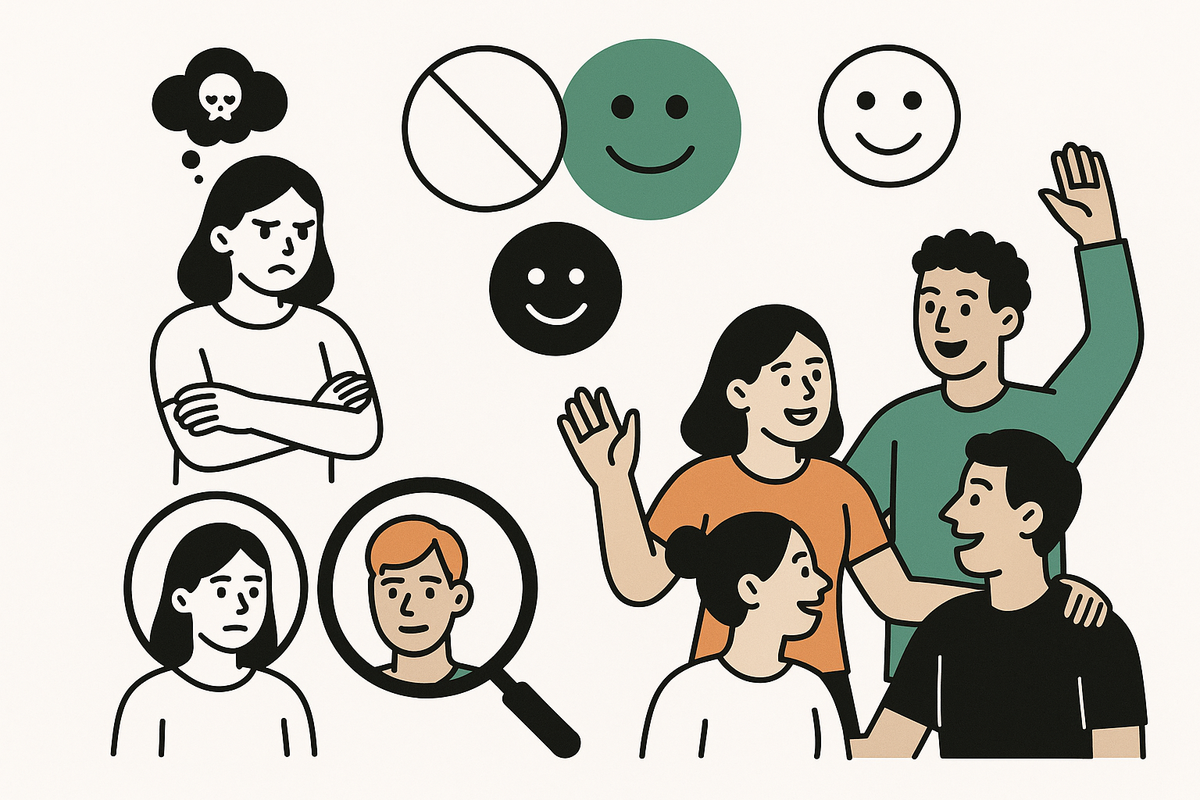
Estimated reading time: 12 min
Key Takeaways
- Learn the difference between normal conflict and toxic behavior in friendships
- Spot the key signs of a bad friend, including manipulation, negativity, and lack of support
- Understand how group dynamics and feedback reveal your friendship patterns
- Discover actionable steps to set boundaries and improve your social circle
- Use tools like Blindspot to gain honest insights about how others perceive you
Ever wondered how to recognize toxic friend patterns in your life? Spotting the difference between a healthy disagreement and a deeply unhealthy friendship is crucial for your well-being and self-awareness. This guide will help you identify toxic behaviors, understand good versus bad friendship dynamics, and give you actionable steps to build better connections. We'll also show you how tools like Blindspot can provide eye-opening feedback about what your friends truly think of you.
Step 1: Understand What Makes a Friendship Toxic
Not all conflicts or rough patches in friendship are signs of toxicity. A toxic friendship consistently drains your energy, undermines your confidence, and leaves you feeling worse about yourself. Here’s how a toxic friendship differs from a normal conflict:
- Normal conflict: Disagreements are handled with respect, and both sides listen and try to resolve issues.
- Toxic patterns: One person dominates, manipulates, or consistently ignores your feelings and needs.
Key questions to ask yourself:
- Do you feel anxious or drained after spending time with this person?
- Are your boundaries respected, or frequently violated?
- Is the friendship balanced, or one-sided?
For a deeper understanding of blind spots in how you see yourself and how others see you, check out What Is a Personality Blind Spot?
Step 2: Spot the Most Common Signs of a Bad Friend
Recognizing the red flags early can save you a lot of emotional pain. Here are the core signs of a toxic friend pattern:
- Boundary violations: They ignore your comfort zones, push you to do things you dislike, or disrespect your time and values.
- One-sided effort: You’re always the one reaching out, making plans, or offering support. The relationship feels imbalanced.
- Constant negativity: They criticize, tease, or put you down regularly, often under the guise of "joking." You rarely feel uplifted after seeing them.
- Manipulation and blame-shifting: They guilt-trip you, control conversations with emotional outbursts, or never take responsibility for their actions.
- Jealousy and competition: They downplay your achievements, compete with you, or seem threatened by your successes.
- Lack of empathy: They’re absent or unsupportive during important moments, or minimize your feelings when you’re struggling.
- Unreliability: They frequently break promises, cancel plans last minute, or are inconsistent in their support.
For a self-check, you can also explore the What My Friends Think of Me Quiz to reveal hidden patterns in your friendships.
Step 3: Compare with Signs of a Good Friend
While it’s important to spot the negatives, healthy friendships have clear positive traits. Ask yourself if your friends:
- Respect your boundaries and listen to your needs
- Make you feel valued, supported, and safe
- Celebrate your successes without jealousy
- Offer honest feedback with kindness
- Are reliable and consistent, especially when it counts
- Encourage you to grow and be your best self
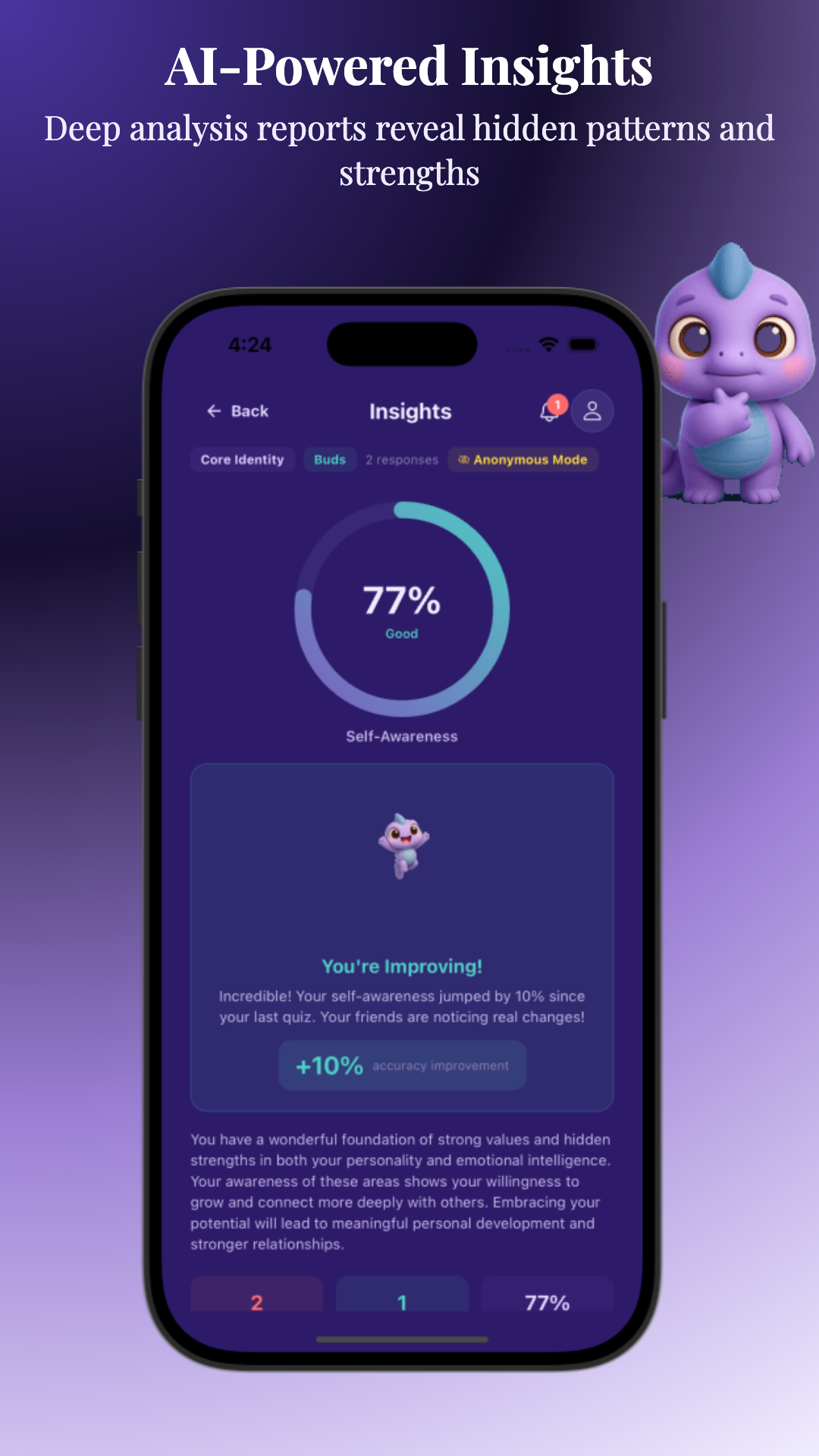
Sometimes, our own blind spots keep us from seeing both the best and worst in our friends. Using feedback tools like Blindspot can help you uncover what your friends say about you, so you can improve your own friendship skills too.
Step 4: Examine Friend Group Dynamics
Sometimes friend group dynamics create or reinforce toxic behavior. Watch for patterns such as:
- Cliques and exclusion: Do certain members get left out or targeted?
- Group gossip: Does the group bond over putting someone else down?
- Unspoken roles: Is there a "leader" who controls decisions, or a "scapegoat" who is blamed for problems?
Reflect on your own role in the group. Are you enabling someone’s toxic behavior, or feeling pressured to fit in? Honest group feedback, like the kind you can gather with the Blindspot quiz, can reveal hidden dynamics and help you make healthier choices. For more on self-awareness, see How to Become More Self-Aware: The Definitive How-To Guide.
Step 5: Tune Into How You Feel After Interactions
One of the clearest signals of a toxic friendship is how you feel after seeing or talking to that person. Ask yourself:
- Do you feel drained, anxious, or on edge after spending time together?
- Do you dread their messages or worry about upsetting them?
- Are you left doubting yourself or feeling guilty for standing up for your needs?
These emotional after-effects are warning signs that deserve serious attention. Your feelings are valid data points in your self-discovery journey.
Step 6: Take Action—Set Boundaries or Distance Yourself
Once you’ve recognized toxic friend patterns, it’s time to protect your well-being. Here’s how to move forward:
- Communicate your boundaries clearly and assertively. Use "I" statements and be specific about what you need.
- Limit contact if the person ignores your boundaries or responds with hostility.
- Seek support from other friends, mentors, or mental health professionals.
- Consider ending the friendship if there’s no change or if the relationship is harming your self-esteem. You can do this gently and without drama—see the FAQ below for tips.
Remember: It’s not selfish to prioritize your mental health. Ending a toxic friendship opens up space for healthier connections.
Step 7: Reflect on Your Own Patterns and Growth
Sometimes, examining your friend choices can raise tough questions: "Why do I have few friends?" or "Am I contributing to the problem?" Self-awareness is key. Try to:
- Notice if you gravitate toward certain roles (rescuer, people-pleaser, etc.) in your friendships
- Get honest feedback from people you trust—sometimes what your friends say about you can be eye-opening
- Work on being a better friend yourself: show empathy, keep promises, and celebrate others
For more structured self-reflection, the Johari Window Test is a great resource for uncovering your own blind spots.
Tips & Common Mistakes
- Don’t ignore your gut feelings—if something feels off, pay attention.
- Avoid confronting toxic friends in group settings; private, calm conversations work best.
- Don’t assume all friendships should last forever. It’s normal for relationships to change or end.
- Watch out for patterns repeating in multiple friendships; this may signal something you need to address in yourself.
- Use anonymous tools like Blindspot for honest, actionable feedback if direct conversations feel too hard.
Conclusion
Learning how to recognize toxic friend patterns is a powerful step toward healthier relationships and greater self-awareness. By understanding the difference between normal ups and downs and deeper toxicity, you can set boundaries, seek feedback, and build a support system that genuinely uplifts you. Apps like Blindspot offer a safe, insightful way to see yourself through your friends’ eyes and unlock your potential for growth. Remember—friendship should add value to your life, not drain it.
FAQ
- What are the signs of a toxic friend?
A toxic friend often ignores your boundaries, criticizes you often, manipulates situations to their advantage, and leaves you feeling drained or anxious after interactions. - How do you know if a friendship is toxic or just going through a rough patch?
If negative patterns (manipulation, disrespect, one-sided effort) are consistent over time—not just occasional—it's likely a toxic friendship rather than a temporary challenge. - Why do toxic friends make you feel drained or anxious?
Toxic friends trigger stress by undermining your confidence, violating your boundaries, and creating constant tension, which leaves you feeling emotionally exhausted. - What should you do when a friend ignores your boundaries?
Communicate your limits clearly, reinforce them if necessary, and distance yourself if the behavior continues. Your well-being should always come first. - How do you end a toxic friendship without drama?
Be direct, honest, and respectful. Let the person know you need space, avoid blaming language, and limit further contact if needed to protect your peace. - Can a toxic friendship be fixed?
Sometimes, if both people are willing to change and communicate openly. However, if the harmful patterns persist, it’s healthiest to move on and focus on positive relationships.