
How to Handle Feeling Left Out by Friends: A How-To Guide
Learn how to handle feeling left out by friends. Discover steps, tips, and insights for navigating friend group dynamics and building self-awareness.

Estimated reading time: 10 min
Key Takeaways
- Feeling left out by friends is a common but painful experience—and it can teach you a lot about yourself and your friendships.
- Understanding friend group dynamics and identifying signs of good and bad friends is crucial for your well-being.
- Self-awareness and honest conversations can help clarify misunderstandings and improve your relationships.
- Setting boundaries and practicing self-care are vital if exclusion becomes a recurring pattern.
- Tools like Blindspot can provide valuable insights into what your friends really think of you and help you grow.
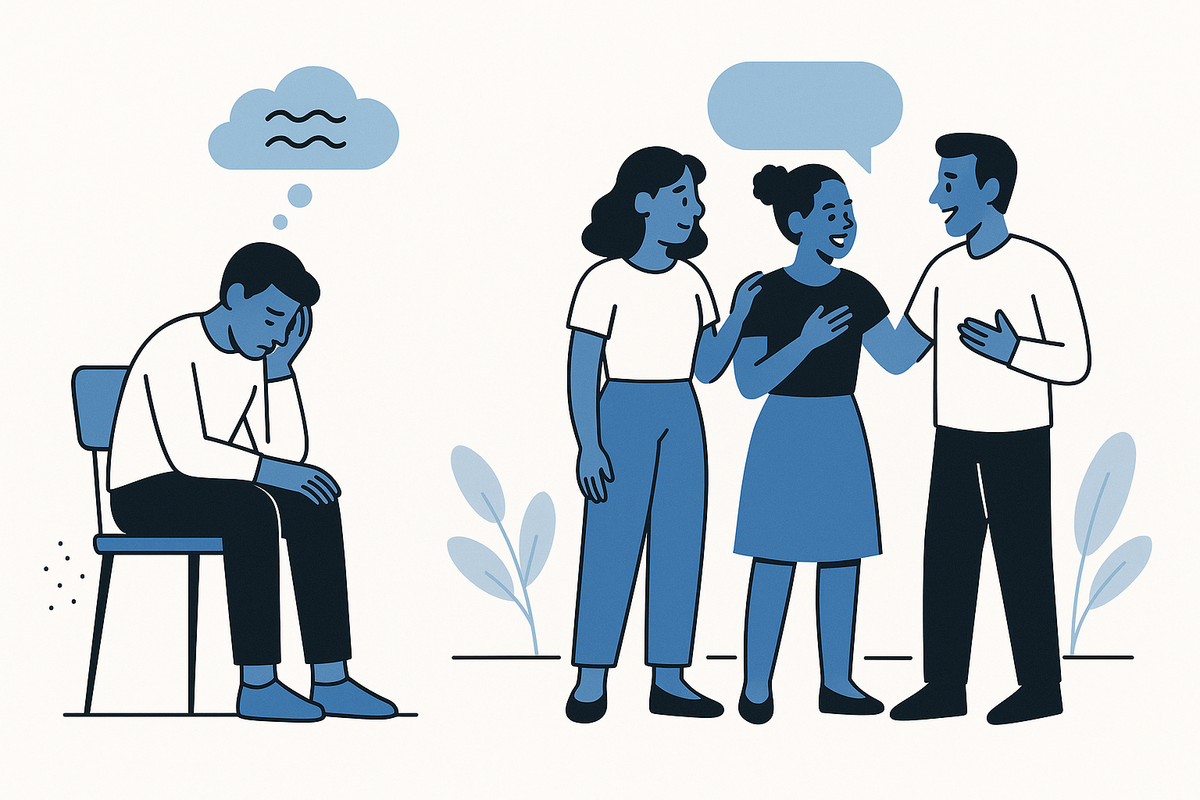
Feeling left out by friends can trigger loneliness, self-doubt, and a flood of questions about your place in your social circle. But this experience doesn’t just hurt—it’s also an opportunity for self-discovery, growth, and a deeper understanding of friend group dynamics. In this guide, we’ll show you step-by-step how to handle feeling left out by friends, recognize the signs of a good or bad friend, and use proven strategies (including the power of honest feedback and self-awareness tools) to move forward with confidence.
Step 1: Pause and Reflect Before Reacting
Your first instinct after feeling excluded may be to react emotionally—perhaps confronting friends, withdrawing, or spiraling into self-criticism. But it’s crucial to pause and separate facts from assumptions before taking action.
- Take a few deep breaths or give yourself some space before responding.
- Ask yourself: What exactly happened? What did I see, hear, or experience? Am I making assumptions about my friends’ intentions?
- Journaling your feelings can help you sort facts from feelings and clarify the situation.
This step sets the stage for a thoughtful response rather than a reflexive reaction.
Step 2: Assess if It’s a One-Off or a Pattern
It’s normal to feel left out occasionally—no one is included in everything. But if exclusion is frequent, it may reveal deeper friend group dynamics or issues within the relationship.
- Think about recent interactions: Has this happened more than once?
- Is it always the same group or individual doing the excluding?
- Are there clear reasons (e.g., you were busy, the event was limited in size), or does it feel intentional?
Identifying a pattern helps you decide whether to address the situation or let it go.
Step 3: Validate Your Feelings (But Don’t Blame Yourself)
Feeling left out hurts, and your emotions are valid. However, avoid jumping to self-blame or assuming the worst about yourself.
- Remind yourself that everyone feels excluded sometimes—even people with lots of friends.
- Reflect on your self-worth and positive qualities. What do you bring to your friendships?
- Consider trying self-awareness tools like the What My Friends Think of Me Quiz or Blindspot to gather honest feedback from your friends and gain perspective on what your friends say about you.
Validating your emotions without blaming yourself is key to moving forward with clarity and confidence.
Step 4: Understand the Dynamics of Your Friend Group
Healthy friend groups are inclusive, supportive, and make you feel valued. Toxic group dynamics, on the other hand, often involve cliques, exclusion, or subtle put-downs.
- Signs of a good friend: listens, makes you feel included, respects boundaries, and celebrates your successes.
- Signs of a bad friend: talks behind your back, competes with you, ignores your needs, or regularly leaves you out.
- If you’re unsure, tools like the Johari Test or Johari Window Questionnaire can offer deeper insights into your social strengths and blind spots.
Understanding group roles, such as who tends to organize events or mediate conflicts, can also provide context for why you may feel left out.
Step 5: Have a Calm Conversation with a Trusted Friend
If exclusion feels intentional or is causing distress, consider having a one-on-one conversation with a friend you trust. This is often the most direct way to resolve misunderstandings and strengthen connections.
- Choose a low-pressure setting and a time when you’re both relaxed.
- Use "I" statements (e.g., "I felt left out when I heard about the party. Can you help me understand what happened?").
- Avoid accusations—focus on sharing your feelings and seeking clarity.
- If it’s hard to start, try a gentle opener: "Can I talk to you about something that’s been on my mind?"
Be open to your friend’s perspective. Sometimes, exclusion is unintentional or due to miscommunication.
Step 6: Evaluate the Health of Your Friendships
After talking, reflect on whether your friendships are supportive and fulfilling. Are your needs being met? Is the group dynamic healthy?
- Ask yourself: Do I feel safe, respected, and valued in this group?
- Are there recurring signs of a bad friend, such as manipulation or consistent exclusion?
- Would I encourage someone I care about to stay in a similar friendship?
If you realize the relationship isn’t serving you, it may be time to set boundaries or gradually step back.
Step 7: Set Boundaries or Step Back If Needed
If exclusion continues or the friendship feels unhealthy, it’s okay to create distance. Boundaries protect your well-being and self-worth.
- Limit time spent with those who consistently leave you out.
- Politely decline invitations that don’t feel genuine or supportive.
- Consider focusing on friendships that uplift and energize you.
Remember, having a few close friends is more important than being part of a large group. For more on this topic, see our guide: How to Become More Self-Aware.
Step 8: Limit Social Media Exposure
Seeing friends’ gatherings online can intensify feelings of exclusion and comparison. Take charge of your digital environment.
- Mute or unfollow friends/groups temporarily if posts are triggering.
- Remember that social media rarely shows the full story—many people post highlights, not reality.
- Redirect time online toward positive or self-improvement activities instead.
Protecting your digital boundaries can help you process emotions more calmly.
Step 9: Reach Out and Build New Connections
Feeling left out can be a catalyst for expanding your social circle and deepening existing connections. Try to:
- Reconnect with old friends, classmates, or colleagues you’ve lost touch with.
- Join clubs, classes, or online groups that align with your interests.
- Initiate plans with acquaintances—you might be surprised who’s open to deeper friendship.
If you struggle with making new friends or wonder "why do I have few friends?", remember: quality matters more than quantity. Everyone’s social needs are different—learn more about this in our post on the difference between introvert and extrovert personalities.
Step 10: Practice Self-Care and Seek Professional Support if Needed
Self-care isn’t selfish—it’s essential, especially when you’re feeling vulnerable. Prioritize activities that nurture your well-being.
- Exercise, meditate, or engage in hobbies that make you feel good about yourself.
- Remind yourself of your strengths and what you offer as a friend.
- If exclusion leads to persistent sadness, anxiety, or low self-worth, consider seeking support from a therapist or counselor.
It’s okay to ask for help. You deserve relationships that make you feel seen and valued.
Tips & Common Mistakes
- Don’t overanalyze every interaction. Sometimes, people forget or make plans without ill intent.
- Don’t assume exclusion is always about you. Group dynamics can be complicated, and others may have their own reasons.
- Avoid venting publicly or on social media. Address issues privately to maintain respect and trust.
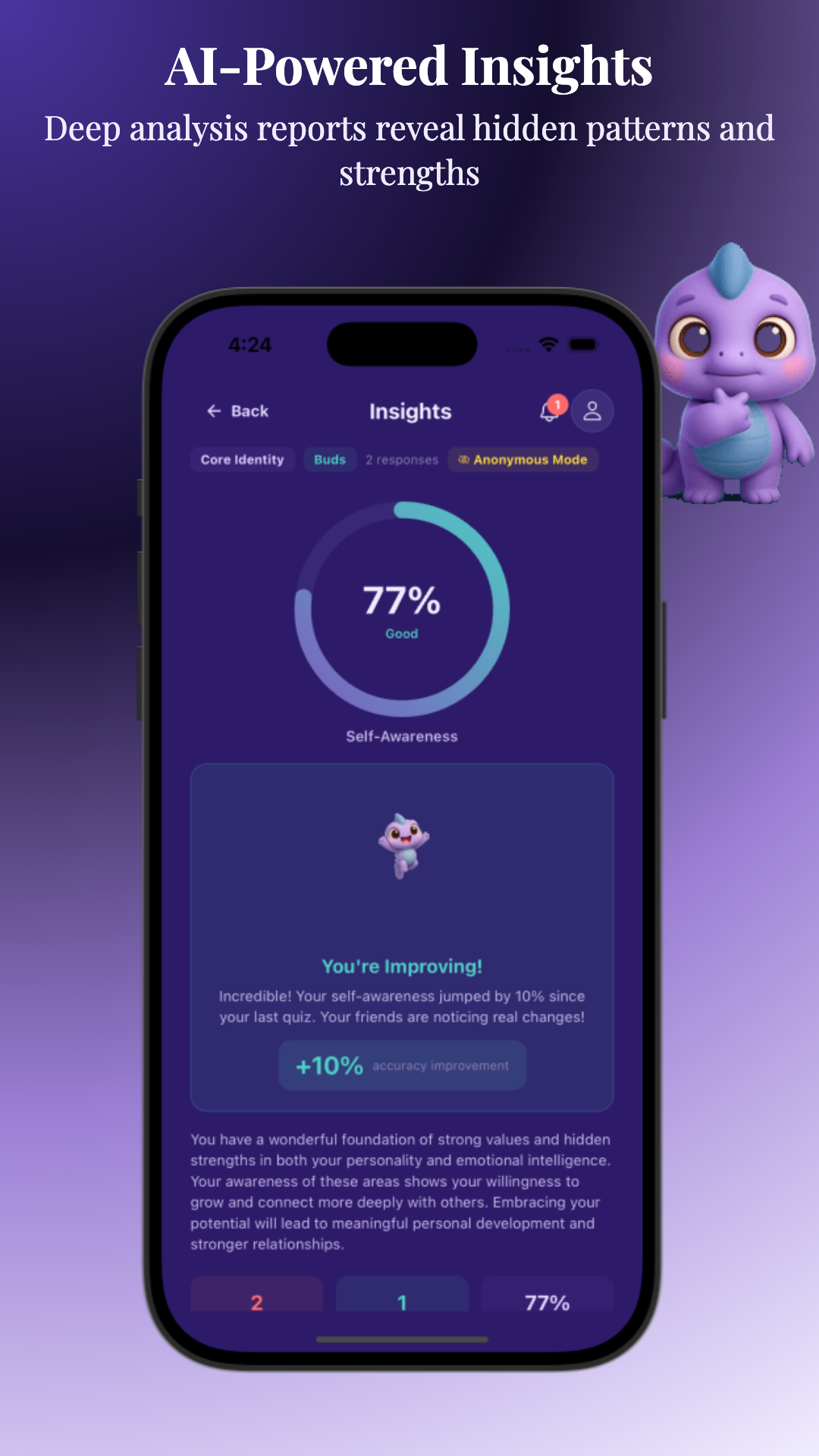
- Be open to honest feedback. Tools like Blindspot can help reveal how you’re perceived and where you can grow as a friend.
- Recognize your own blind spots. Self-awareness is a lifelong journey—learn more in our guide on blind spots in psychology.
Conclusion
Learning how to handle feeling left out by friends is an important step in building resilience, self-knowledge, and stronger relationships. By pausing to reflect, talking openly, and nurturing your self-worth, you can break free of negative cycles and create connections that truly support you. Tools like Blindspot can help you uncover what your friends really think, grow your self-awareness, and become a better friend to others as well as yourself. Remember: you deserve friendships where you feel seen, valued, and included.
FAQ
- Why do I feel left out by my friends?
There are many reasons you might feel left out, including shifts in group dynamics, misunderstandings, or differences in social needs. Sometimes it’s due to life changes or simply a one-off oversight. Reflecting on the situation and communicating your feelings can help clarify what’s really happening. - What should I say when I feel excluded from a friend group?
Use "I" statements to express your feelings without blaming others. For example: "I felt left out when I wasn’t invited to the get-together. Can we talk about it?" Choose a calm moment and approach the conversation with curiosity rather than accusation. - How do I know if my friends are leaving me out on purpose?
Look for patterns over time. If exclusion happens frequently and others in the group are consistently included, it may be intentional. Honest, one-on-one conversations can provide more clarity about their intentions. - Should I confront my friends if I feel left out?
It’s usually helpful to have a gentle, private conversation with a trusted friend. Focus on how you feel and what you’d like to understand—not just venting or blaming. This can strengthen understanding and friendship. - How do I stop overthinking when friends exclude me?
Pause and separate facts from assumptions. Engage in activities that boost your mood and self-worth. Limit social media use if it triggers anxiety. Practicing self-awareness and mindfulness can help break the cycle of rumination. - When is it time to move on from a friendship that makes me feel left out?
If you’ve addressed the issue, set boundaries, and still feel excluded or undervalued, it may be time to step back or seek new connections. Healthy friendships should leave you feeling respected, supported, and included.