
Why Do Friends Drift Apart Over Time? The Complete Guide
Discover why friends drift apart over time, the signs of fading friendships, group dynamics, and how to nurture lasting connections. Learn to grow with honest feedback.

Estimated reading time: 14 min
Key Takeaways
- Friendships naturally evolve or fade due to life changes, distance, shifting values, and communication patterns.
- Signs of a good friend include reciprocity, trust, and honest feedback; fading friendships show decreased effort and connection.
- Group dynamics, blind spots, and self-awareness play crucial roles in maintaining or losing friendships.
- Recognizing the difference between true drift and temporary busyness helps you respond wisely.
- Self-discovery tools like Blindspot can reveal how friends perceive you, opening the door to growth.
Table of Contents
- Section 1: Why Do Friends Drift Apart Over Time?
- Section 2: Life Stage Changes and Friendship Evolution
- Section 3: The Role of Distance, Priorities, and Interests
- Section 4: Communication Breakdown, Conflict, and Trust
- Section 5: Signs of a Good Friend vs. Signs of a Bad Friend
- Section 6: Group Dynamics, Blind Spots, and Self-Discovery
- Section 7: How to Tell If a Friendship Is Fading or Just Busy
- Section 8: How to Be a Better Friend and Prevent Drifting Apart
- Conclusion
- FAQ
Section 1: Why Do Friends Drift Apart Over Time?
Understanding Friendship Drift
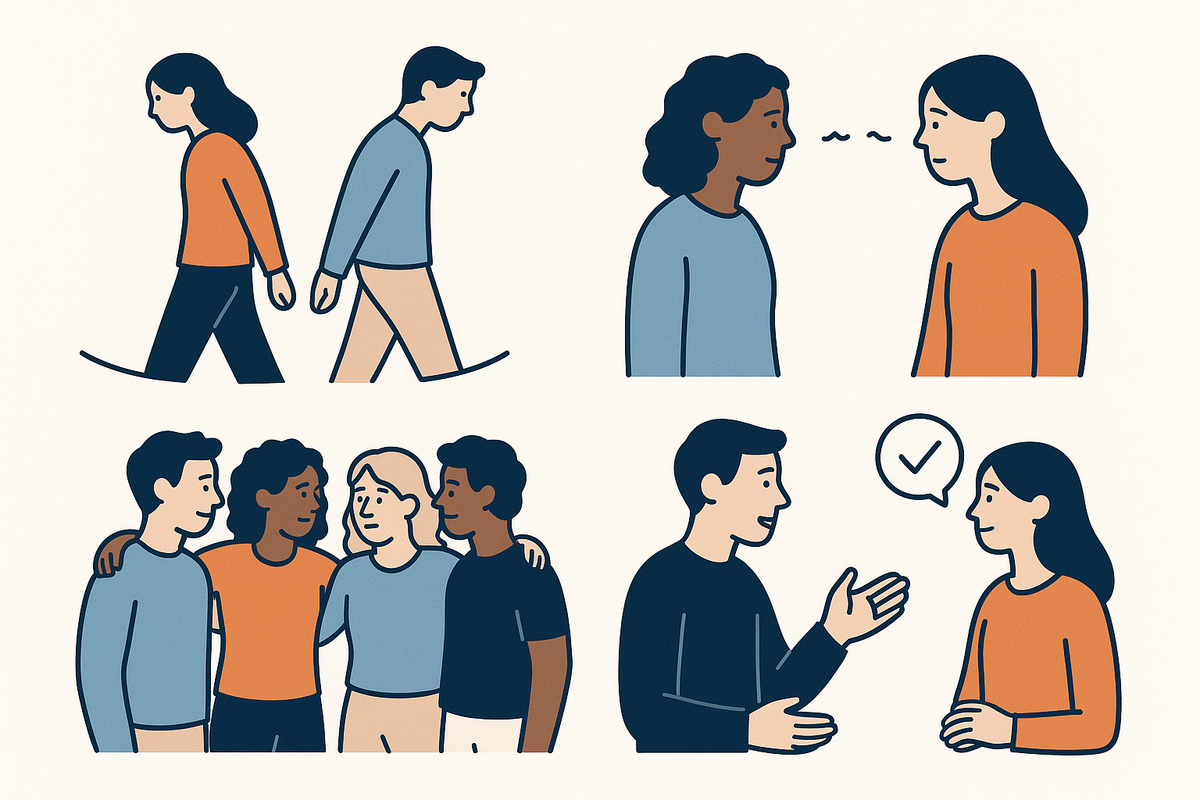
Why do friends drift apart over time? This question is at the heart of countless searches, conversations, and self-reflections. Friendships, like all relationships, are subject to the forces of change: time, circumstance, personal growth, and external pressures. While some connections endure, many fade quietly or end abruptly, leaving us wondering what went wrong.
Common Causes of Friendship Drift
- Life transitions: Major milestones—graduations, career changes, marriage, or having children—often bring new priorities and social circles.
- Geographic distance: Moving to a new city or country can make regular interaction difficult, leading to a slow but steady loss of connection.
- Shifting interests and values: As people evolve, their hobbies, beliefs, and lifestyles may no longer align with those of their friends.
- Lack of effort and reciprocity: When one or both friends stop investing in the relationship, it begins to fade.
- Communication breakdown: Misunderstandings, unresolved conflicts, or simply less frequent communication can erode closeness.
The Reality of Friendship Attrition
It’s normal for friendships to ebb and flow. According to research, most people experience significant turnover in their friend group every seven years. This attrition is part of the natural cycle of social life, not necessarily a sign of failure. Still, understanding why friendships drift apart can help you preserve meaningful connections—and let go of those that have run their course.
Section 2: Life Stage Changes and Friendship Evolution
Careers, Marriage, and Children
One of the main reasons friends drift apart is the onset of new life stages. Starting a demanding job, entering a serious relationship, or having children can dramatically shift how you spend your time and energy. Suddenly, late-night hangouts or spontaneous trips give way to professional obligations, family commitments, and different social circles.
- Career transitions: New jobs may require relocation or long hours, making it challenging to maintain old routines with friends.
- Marriage and partnerships: Prioritizing a spouse or significant other can unintentionally reduce the time spent with friends.
- Parenthood: Raising children introduces new responsibilities and often leads to friendships with other parents, shifting the focus away from former friends without kids.
Aging and Evolving Priorities
As we age, our priorities and values may change. The carefree bonds of youth are frequently replaced by deeper, more intentional relationships. Some friends grow together, adapting to each other’s new realities. Others may not, leading to a gradual separation.
- Personal growth: Self-reflection and maturity can make old friendships feel less relevant if they’re rooted in past versions of ourselves.
- Changing values: Political, religious, or lifestyle shifts can introduce friction or distance into previously harmonious friendships.
Adapting to Change
Not all friendships can—or should—survive every life transition. However, those that do often require conscious effort, empathy, and adaptation. Recognizing these shifts can help you set realistic expectations and avoid resentment when friendships naturally fade.
Section 3: The Role of Distance, Priorities, and Interests
Geographic Distance and Moving Away
Physical distance is one of the most common reasons friends drift apart over time. Even in the digital age, proximity matters. Shared experiences, spontaneous meetups, and regular face-to-face contact are hard to replicate over text or phone calls.
- Out of sight, out of mind: It’s easy for day-to-day life to fill the space once occupied by a close friend who’s moved away.
- Intentional contact: Maintaining long-distance friendships requires more planning and effort, which can be challenging amid busy schedules.
Changing Interests and Hobbies
People’s interests naturally evolve. Friends who once bonded over shared activities may find they have less in common as their passions shift. For example, a sports enthusiast may drift from an old friend who’s now deeply into art or travel.
- Loss of common ground: When shared activities or values disappear, the glue holding the friendship together weakens.
- Friend group dynamics: Sometimes, entire groups drift as individuals’ interests diverge, changing the overall dynamic.
Prioritizing Time and Energy
Modern life is busy. Work, family, personal goals, and self-care all compete for attention. If a friendship isn’t prioritized—by either party—it slowly fades into the background. If you find yourself asking, "Why do I have few friends now compared to before?" it may be less about you and more about shifting life circumstances and allocation of limited time.
Section 4: Communication Breakdown, Conflict, and Trust
Communication Patterns and Frequency
Consistent, honest communication is a hallmark of strong friendships. When friends stop sharing details of their lives, update each other less frequently, or only communicate out of obligation, the relationship weakens.
- Surface-level interactions: If conversations become shallow or infrequent, intimacy and understanding decline.
- Ghosting and avoidance: Sometimes, friends stop communicating without explanation, leaving confusion and hurt feelings in their wake.
Unresolved Conflict and Resentment
Arguments and disagreements are inevitable, but when left unresolved, they can fester into resentment. Broken trust—whether from betrayal, repeated letdowns, or perceived slights—makes it difficult to rekindle the original bond.
- Unspoken grievances: Avoiding difficult conversations allows misunderstandings and grudges to grow unchecked.
- Broken trust: Once trust is lost, repairing it takes time, transparency, and mutual willingness to heal.
One-Sided Effort and Reciprocity
Healthy friendships are reciprocal. When one friend consistently makes all the effort—reaching out, planning, listening—while the other withdraws, resentment builds. This imbalance is a major sign of a bad friend or a friendship at risk of drifting apart.
- Imbalanced investment: If you’re always the one reaching out, it may be time to reassess the relationship’s future.
- Signs of a good friend: Look for mutual effort, active listening, and shared vulnerability as signs of a relationship worth saving.
Section 5: Signs of a Good Friend vs. Signs of a Bad Friend
Recognizing Strong, Healthy Friendships
Understanding the signs of a good friend helps you nurture valuable relationships and identify which ones are worth investing in. Good friends:
- Show up consistently, both in good times and bad
- Listen actively and offer honest, compassionate feedback
- Celebrate your successes and support you through challenges
- Respect boundaries and communicate openly
- Encourage your growth, rather than resent it
Warning Signs of a Bad Friend
Not all friendships are healthy. Signs of a bad friend include:
- Consistent negativity, criticism, or jealousy
- One-sided effort or emotional manipulation
- Disregard for your feelings, boundaries, or values
- Frequent lying, gossip, or betrayal of trust
- Making you feel drained, anxious, or inferior after interactions
What Your Friends Say About You
Friends reflect aspects of your personality and values. Their honest feedback can reveal blind spots—traits or behaviors you don’t recognize in yourself. Tools like the Blindspot app allow your friends to anonymously answer questions about you, helping you see the gap between self-perception and how others see you. Want to dig deeper? Try the What My Friends Think of Me Quiz for direct insights.
Section 6: Group Dynamics, Blind Spots, and Self-Discovery
Friend Group Dynamics and Roles
Every friend group has its unique dynamic. Roles often emerge—leader, supporter, peacekeeper, comic relief, or challenger. Understanding your role in a group provides insight into what you bring to the table and what you may need to work on.
- Changing group composition: As individuals drift or new people join, the group’s energy and connection shift.
- Social glue: A few key individuals often keep a group together; if they move away or disengage, the group may dissolve.
Blind Spots in Friendship
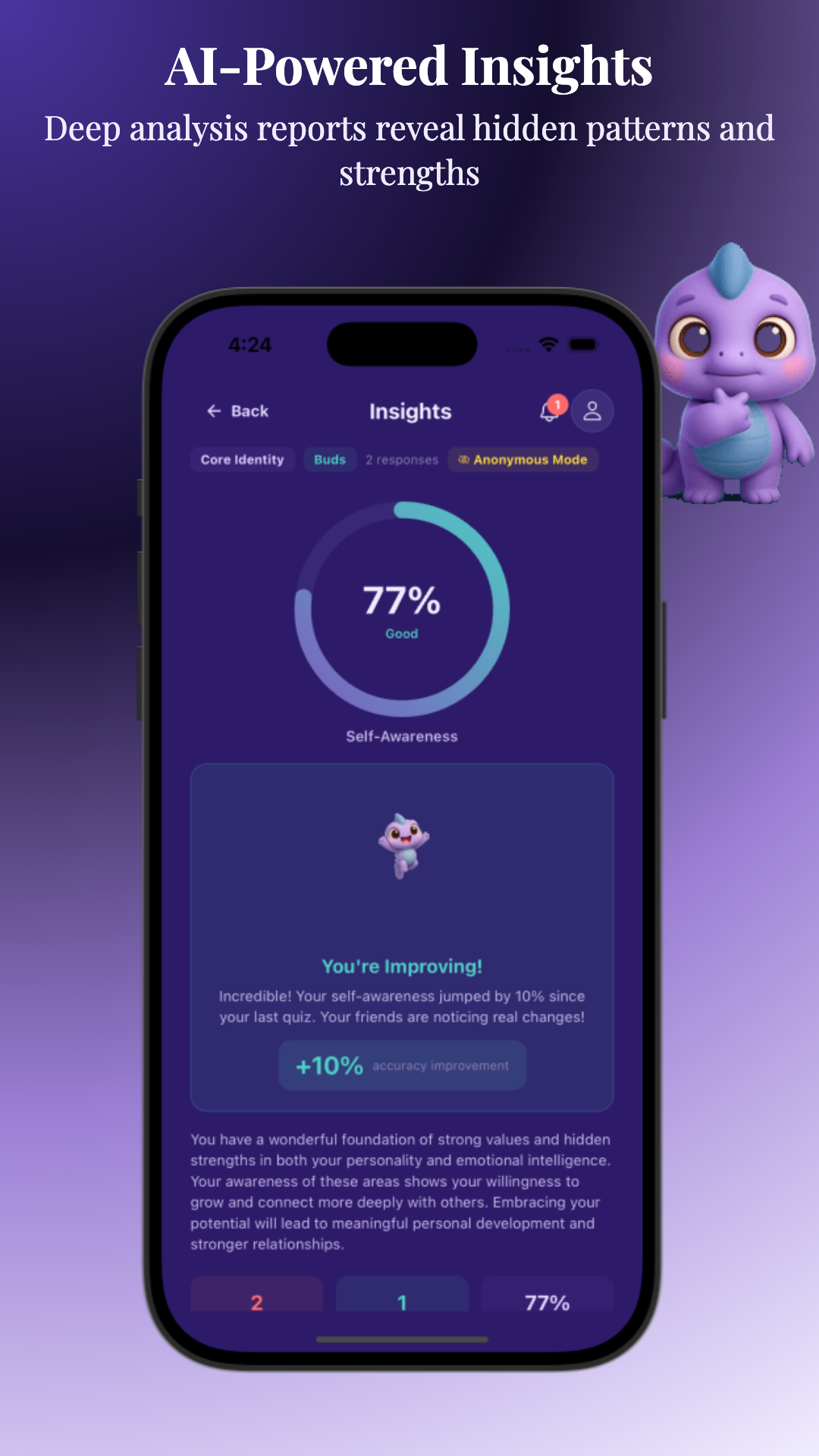
Blind spots are the aspects of our personality or behavior that we don’t see clearly—but others do. These can impact how we relate to friends and how they perceive us. Recognizing your blind spots can make you a better friend and improve group harmony. Learn more in What is a Blind Spot in Psychology? Definition, Self-Awareness & Examples.
Using Self-Discovery Tools
Apps like Blindspot empower you to gather anonymous feedback from friends and uncover these blind spots. You’ll see trends in how different people view your strengths and weaknesses, offering a path to genuine self-improvement. Pairing these insights with structured self-awareness exercises—like the Johari Window Test—deepens your understanding of both yourself and your friend group.
Section 7: How to Tell If a Friendship Is Fading or Just Busy
Temporary Distance vs. Real Drift
It’s easy to mistake busyness for a fading friendship. Life inevitably gets hectic, but not every lull means a relationship is doomed. Here’s how to tell the difference:
- Communication quality: If conversations pick up where they left off—even after months—it’s likely just a busy period.
- Effort when it matters: Good friends show up for major events or reach out during important moments, even if daily contact is rare.
- Mutual understanding: Both parties acknowledge the distance and express a desire to reconnect when possible.
Signs a Friendship Is Truly Fading
- Conversations feel forced, awkward, or superficial
- Plans fall through repeatedly, or one person stops initiating altogether
- Lack of curiosity about each other’s lives
- Unresolved conflicts linger, or trust has been broken without repair
Distinguishing Between the Two
Ask yourself: Is this a temporary phase, or have we lost the foundation of our connection? Reflecting on the signs above can clarify whether it’s time for a conversation, a renewed effort, or acceptance that the friendship has run its course.
Section 8: How to Be a Better Friend and Prevent Drifting Apart
Intentional Communication and Effort
Preventing friends from drifting apart requires conscious investment. Here’s how to strengthen your friendships and foster lasting connections:
- Regular check-ins: Send a message, make a call, or meet in person when possible—even brief interactions matter.
- Express appreciation: Let friends know they matter to you. Celebrate milestones and acknowledge their support.
- Be honest and vulnerable: Share your true thoughts and feelings. Honest conversations deepen trust and intimacy.
Addressing Conflict and Repairing Trust
- Don’t avoid tough conversations: Address misunderstandings directly and respectfully.
- Apologize and forgive: Admitting mistakes and offering forgiveness are essential for enduring friendships.
Self-Awareness and Growth
Understanding your own role in friendships is crucial. Use feedback from friends—and self-discovery tools like Blindspot—to identify areas for growth. Explore detailed techniques in How to Become More Self-Aware: The Definitive How-To Guide. The more self-aware you are, the easier it is to avoid blind spots, show up as a good friend, and adapt as life changes.
Conclusion
Friendships drift apart over time for countless reasons—life changes, distance, shifting interests, and communication breakdowns chief among them. Recognizing the signs of both healthy and fading friendships allows you to invest wisely in the relationships that matter most. By reflecting on your role in friend group dynamics and seeking honest feedback, you can grow as a person and as a friend. If you’re curious about what your friends say about you or want to uncover your own blind spots, explore Blindspot for actionable insights that deepen self-awareness and connection.
FAQ
Q: Why do friends drift apart over time?
A: Friends often drift apart due to life changes (like new careers, marriage, or parenthood), geographic distance, shifting interests and values, lack of effort, or communication breakdowns. These factors can gradually erode the closeness that once defined the relationship.
Q: What causes close friends to grow apart?
A: Close friends may grow apart because of unresolved conflicts, changes in priorities, mismatched effort, or evolving lifestyles. Sometimes, the friendship was rooted in circumstances that have since changed, making it harder to maintain the same level of connection.
Q: Is it normal for friendships to fade as you get older?
A: Yes, it's completely normal for friendships to fade with age. As people enter new life stages and take on new responsibilities, their social circles often shift. The key is to nurture the friendships you value and accept that not every relationship will endure forever.
Q: How do you know if a friendship is drifting apart?
A: Signs include less frequent and meaningful contact, one-sided effort, lack of curiosity about each other's lives, repeated canceled plans, and unresolved conflicts. If conversations feel strained or superficial, it may be a sign the friendship is fading rather than just experiencing a busy period.
Q: Can friendships survive big life changes like marriage or having kids?
A: Many friendships can survive major life changes if both parties are willing to adapt, communicate openly, and make intentional efforts to stay connected. However, some friendships may naturally fade if priorities and lifestyles diverge too much.
Q: How do you keep a friendship from drifting apart?
A: Prevent drift by prioritizing regular communication, showing appreciation, addressing conflicts directly, and seeking honest feedback (such as through tools like Blindspot). Self-awareness and mutual effort are crucial to maintaining strong, lasting friendships.