How to Manage Friendships After a Big Life Change: The Essential Guide
Learn how to manage friendships after a big life change. Adapt, communicate, and build stronger bonds with these actionable steps and expert tips.


Estimated reading time: 11 min
Key Takeaways
- Open communication is crucial for managing friendships during life changes.
- Recognize the signs of a good friend versus a bad friend to prioritize healthy relationships.
- Adjust expectations for contact, support, and shared activities as circumstances shift.
- Invest intentionally in reciprocal friendships and set boundaries where needed.
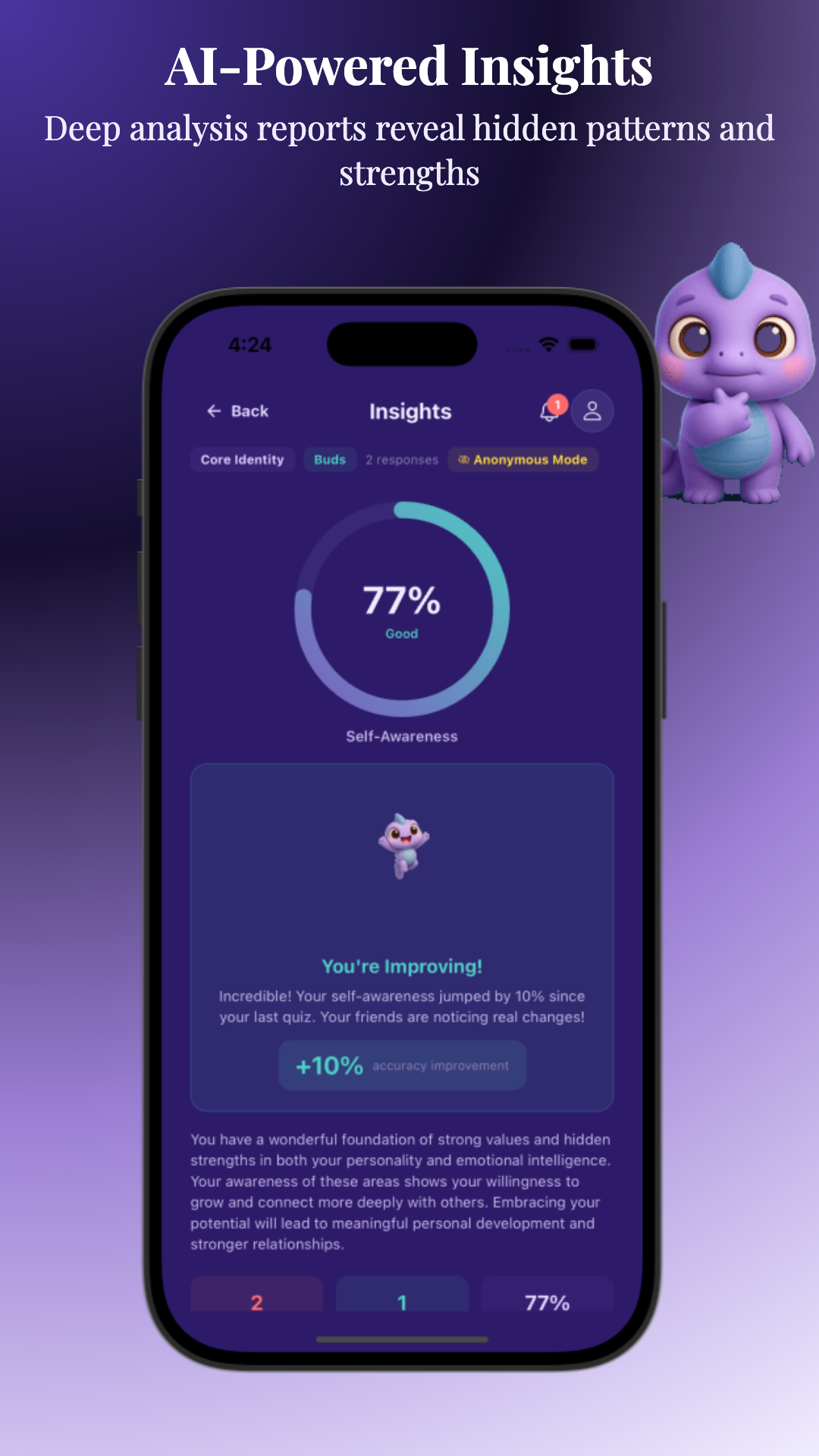
- Use self-discovery tools like Blindspot to understand your role in group dynamics and personal blind spots.
Learning how to manage friendships after a big life change can feel overwhelming. Whether you’ve moved, started a new job, gotten married, or entered parenthood, these transitions often reshape how you connect with others. Relationships may naturally evolve, and understanding the dynamics—both in yourself and your friend group—can help you nurture lasting, healthy bonds. Let’s walk through the actionable steps, emotional challenges, and practical strategies to adapt and grow your friendships in any new chapter.
Step 1: Communicate Openly About Your Life Change
Start by openly sharing the details of your transition. This helps friends understand how your availability, priorities, and energy have shifted, preventing misunderstandings and resentment. Don’t assume people know why you’re less present—clear communication builds empathy and trust.
- Let friends know what’s changed for you (work hours, family responsibilities, mental load).
- Share how you’re feeling—excited, nervous, overwhelmed, or hopeful.
- Encourage them to share their own updates as well, keeping the conversation two-sided.
If you feel awkward about what your friends say about you or fear judgment, tools like Blindspot offer anonymous insight into how you’re perceived, which can reduce anxiety and spark honest dialogue.
Step 2: Accept That Friendships May Naturally Evolve
Major life events often reveal which friendships are built for the long haul and which were dependent on past routines. Trying to force old dynamics can lead to frustration. Instead, embrace that relationships may deepen, shift, or sometimes fade, and that’s a normal part of growing up.
- Notice if you’re trying to recreate the past instead of accepting the present.
- Look for signs of a good friend: empathy, flexibility, and mutual respect.
- Watch for signs of a bad friend: guilt-tripping, lack of support, or dismissiveness.
Want to better understand your group dynamics or your unique friendship style? Try a self-awareness exercise like the Johari Window Test to uncover your strengths and blind spots.
Step 3: Adjust Expectations for Contact, Support, and Activities
Life changes often mean less time for spontaneous meetups, late-night calls, or daily texts. Instead of feeling guilty or disappointed, set new, realistic expectations—for yourself and your friends—about how you’ll stay in touch and show up for each other.
- Discuss preferred modes of contact (text, calls, video chats) and frequency.
- Be honest about what you can and can’t offer in terms of emotional support.
- Find shared activities that fit your new routine, like quick coffee breaks, walks, or group video calls.
Remember, quality often matters more than quantity. If you’re wondering how to be a better friend in this phase, focus on being present and attentive—even in small doses.
Step 4: Make Intentional Time for Friendships
Intentionality is key: friendships rarely thrive on autopilot, especially after a big shift. Scheduling calls, meetups, or even regular check-in texts can keep connections alive, even when life is hectic.
- Block out time in your calendar for friends, just like you would for work or family.
- Set reminders for check-ins, birthdays, or milestones.
- Follow through on plans; reliability is a strong sign of a good friend.
If distance is a factor, embrace digital tools. Shared playlists, online games, or co-watching shows can help maintain long-distance friendships. For more on understanding your friend group’s roles, consider the What My Friends Think of Me Quiz.
Step 5: Evaluate Which Friendships Are Reciprocal
Not every friendship is meant to last forever, and that’s okay. After a major change, it’s important to assess which relationships are truly reciprocal and fulfilling. Invest your limited energy in connections that nourish you, and gently create distance from those that don’t.
- Notice if effort, support, and vulnerability are mutual.
- Set boundaries with friends who consistently drain your energy or make you feel guilty.
- Allow yourself to grieve friendships that fade, but don’t force one-sided relationships.
Struggling with "why do I have few friends" or feel anxious about your social circle shrinking? You’re not alone—and sometimes fewer, deeper friendships are more meaningful. Learn how to recognize your own blind spots in friendships with this complete guide.
Step 6: Handle Grief, Sadness, or Anxiety When Friendships Fade
It’s natural to feel sadness, loss, or even resentment when relationships change or fade after a big transition. Acknowledge these feelings rather than ignoring them—they’re part of personal growth and self-discovery.
- Journal or talk to a trusted confidant about your emotions.
- Allow yourself to grieve, but try not to dwell on blame (yourself or others).
- Focus on gratitude for the role that friendship once played in your life.
If you’re struggling, self-awareness tools like Blindspot can help you understand how you’re perceived and identify growth areas, easing the process of letting go or repairing connections.
Step 7: Maintain Long-Distance and Stage-of-Life Friendships
When you relocate, change jobs, or enter a new life stage, sustaining old friendships may require creativity. Technology makes it easier than ever to bridge the gap, but consistency is key.
- Schedule regular video calls, even if brief.
- Send spontaneous texts, memes, or photos to keep the connection alive.
- Create shared routines—like syncing up on a favorite show or book club.
Consider building new connections that fit your current lifestyle or community, too. Every phase of life brings opportunities to expand your circle and grow.
Step 8: Build New Connections and Set Healthy Boundaries
Entering a new chapter doesn’t mean abandoning old friends, but it does mean making space for new ones who share your current interests and values. Equally important: protect your energy by setting gentle boundaries with those who no longer align.
- Join local groups, classes, or online communities relevant to your new interests or stage of life.
- Be open to different types of friendships—mentors, neighbors, casual acquaintances.
- Kindly but clearly say no to invitations or dynamics that feel draining or mismatched.
If you’re not sure how you come across or want to improve, try the definitive guide to self-awareness or use Blindspot’s feedback tools to get honest input from your circle.
Tips & Common Mistakes
- Mistake: Expecting all friendships to stay the same.
Tip: Embrace evolution and growth in your relationships. - Mistake: Avoiding tough conversations about change.
Tip: Prioritize honest, empathetic communication. - Mistake: Neglecting your own needs to please others.
Tip: Set boundaries and invest energy in reciprocal friendships. - Mistake: Isolating yourself when friendships fade.
Tip: Reach out, join new groups, and be open to new connections. - Mistake: Assuming your perception is the full picture.
Tip: Use feedback tools like Blindspot to reveal blind spots and improve self-awareness.
Conclusion
Learning how to manage friendships after a big life change isn’t just about preserving the past—it’s about adapting, communicating openly, and growing together. By accepting evolution, setting healthy expectations, and investing in mutual connections, you can build a support network that reflects who you are now. If you want to uncover what your friends really think of you or spot patterns in your relationships, explore Blindspot for insights and self-awareness tools. Friendships are dynamic—let them evolve, and so will you.
FAQ
- How do you maintain friendships after a major life change?
Communicate openly about your new circumstances, adjust expectations, make intentional plans (even if less frequent), and invest in friendships that are reciprocal. Use tools like Blindspot to understand group dynamics and your role. - Why do friendships change after big life events?
Life events shift priorities, schedules, and emotional needs, revealing which friendships are adaptable and which may have been circumstantial. Growth and change are natural parts of all relationships. - How do you talk to friends when your life has changed?
Be honest about what’s changed for you and how it affects your availability or energy. Invite your friends to share their own updates, and focus on empathy and two-way communication. - How do you keep friends when you move, get married, or have a baby?
Schedule regular check-ins, adapt activities to your new routine, use technology to stay close, and be proactive about nurturing the relationship—even from a distance. - When should you let go of a friendship after a life change?
If a friendship consistently feels one-sided, draining, or unsupportive despite your efforts, it may be time to step back and focus on connections that are mutually beneficial. - How do you deal with grief when friendships fade?
Acknowledge your feelings, process the loss, and focus on gratitude for the good memories. Seek support from others, and remember that making space allows for new connections to grow.