
How to Be a Better Friend: The Ultimate Guide to Friendship Dynamics
Discover how to be a better friend, signs of good and bad friendships, group dynamics, and how friends shape self-awareness. Step-by-step actions for lasting bonds.

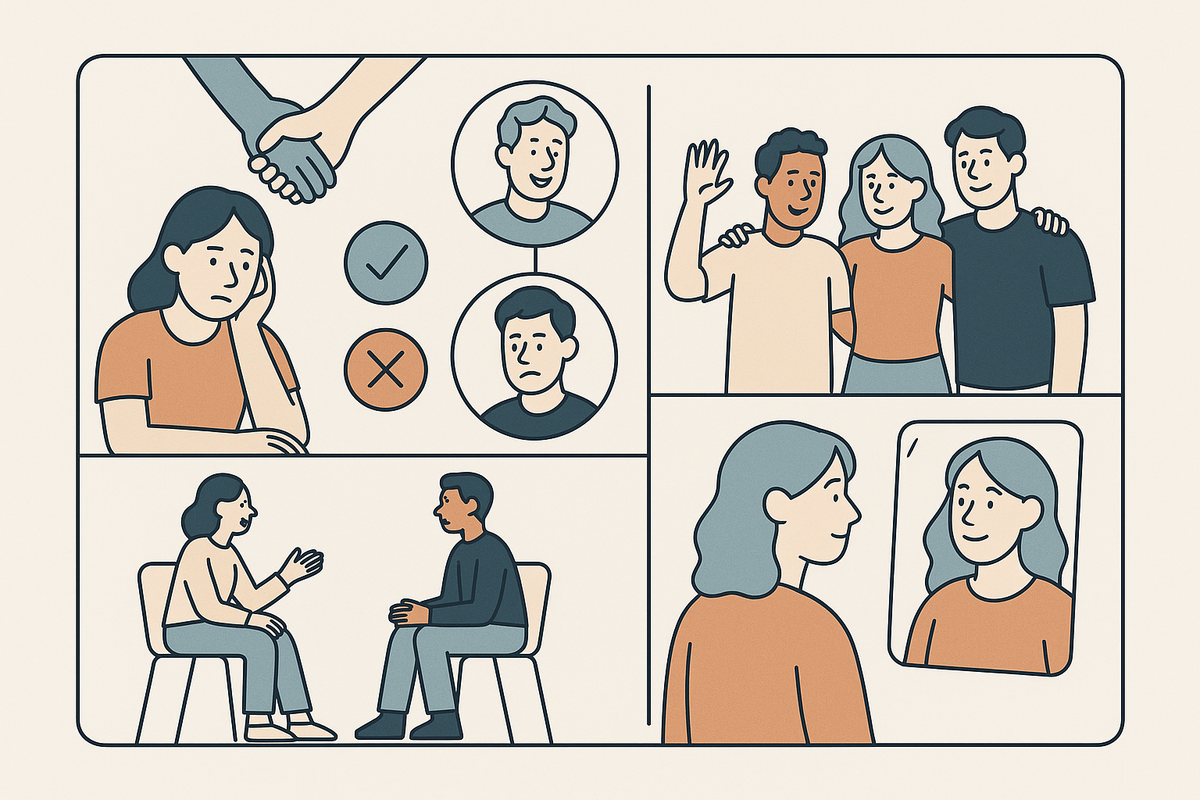
Estimated reading time: 11 min
Key Takeaways
- Understand the essential qualities and signs of a good friend.
- Learn actionable steps to deepen trust, support, and connection.
- Recognize unhealthy friendship behaviors and group dynamics.
- Use honest feedback and self-awareness tools to grow as a friend.
- Discover how Blindspot helps reveal what your friends truly think about you.
Learning how to be a better friend is one of the most rewarding investments you can make in your life. Strong, supportive friendships not only ease loneliness but also help us grow, understand ourselves, and navigate life’s ups and downs. In this guide, you’ll discover step-by-step strategies to improve your friendships, spot the signs of a good (or bad) friend, navigate friend group dynamics, and tap into the power of honest feedback to become someone your friends cherish. Tools like Blindspot can accelerate this journey by revealing how your friends see you—bridging the gap between your self-image and reality.
Step 1: Practice Active Listening and Give Your Full Attention
The foundation of being a better friend is making your friends feel truly heard. Active listening means more than just hearing words—it’s about being present, engaged, and responsive. This not only strengthens your bond but also shows respect and care.
- Put away your phone and direct your attention to your friend during conversations.
- Maintain eye contact and nod or use small verbal cues to show you’re engaged.
- Ask thoughtful follow-up questions instead of changing the subject to yourself.
- Practice reflective listening: paraphrase what they’ve said to confirm you understand.
Recognizing when you tend to get distracted or self-focused is a valuable first step. If you’re unsure, tools like Blindspot can help you gather honest feedback from friends about your listening skills.
Step 2: Check In Regularly and Reach Out First
Strong friendships thrive on mutual effort. Don’t wait for your friends to always make the first move. Proactive check-ins signal that you value the relationship and are thinking of them, even when life gets busy.
- Send a quick message or meme just to say "thinking of you."
- Set reminders to check in with friends who are going through tough times or big changes.
- Organize occasional get-togethers or suggest a call, even if it’s brief.
If you’re wondering "why do I have few friends?" or feel left out, consider whether you’re waiting for others to initiate. By reaching out first, you help maintain the connection and show you care.
Step 3: Offer Empathy, Validation, and Emotional Support
Good friends provide a safe space for vulnerability. Empathy and validation are about putting yourself in your friend’s shoes and acknowledging their feelings, even if you don’t fully understand or agree.
- Say, "That sounds really tough—I'm here for you," instead of rushing to offer solutions.
- Resist the urge to judge or minimize their feelings.
- Offer comfort with a listening ear or a supportive gesture (like a coffee drop-off or a handwritten note).
Emotional support helps build trust and intimacy. If you want to know how your friends experience your support, try a feedback tool like the What My Friends Think of Me Quiz for candid insights.
Step 4: Celebrate Your Friends’ Successes and Milestones
A key sign of a good friend is genuinely celebrating others’ wins—big or small. Enthusiasm for your friends’ happiness strengthens the bond and shows you’re invested in their joy, not just their struggles.
- Remember birthdays, promotions, anniversaries, and congratulate them enthusiastically.
- Share their achievements with your group (with permission) to amplify their joy.
- Mark milestones together, even if it’s just a congratulatory text or a virtual toast.
Beware of jealousy or competitive feelings—these are signs of a bad friend dynamic. If you notice these, reflect on your own reactions and consider discussing them openly if needed.
Step 5: Respect Boundaries, Space, and Privacy
Healthy friendships require respecting each other's boundaries. Everyone has different needs for space, privacy, and independence. A good friend recognizes and honors these limits without taking them personally.
- Ask what your friend is comfortable sharing or doing, rather than assuming.
- Don’t pressure friends to open up before they’re ready or to spend time together constantly.
- Refrain from gossiping about private matters—trust is easily broken.
Respecting boundaries isn’t about drifting apart; it’s about building trust. If you’re unsure what boundaries your friends need, open a gentle conversation or use a feedback tool to get clarity.
Step 6: Be Reliable, Trustworthy, and Keep Your Commitments
Reliability is one of the strongest signs of a good friend. Your friends should feel confident that you’ll follow through on your promises and show up when it matters.
- Arrive on time and stick to plans or communicate if you need to cancel.
- Be discreet with confidences—don’t share what isn’t yours to share.
- Apologize sincerely if you let someone down, and make amends quickly.
If you notice that friends hesitate to trust you or seem reluctant to confide in you, reflect on past patterns and ask for honest feedback. This is a crucial area for self-improvement.
Step 7: Be Present During Hard Times and Offer Practical Help
Being a better friend means showing up not just for the fun, but for the tough moments too. Your presence, both emotional and practical, can make a significant difference during a friend’s crisis or rough patch.
- Offer specific help ("Can I bring dinner?" or "Want to talk tonight?") rather than a vague "Let me know if you need anything."
- Respect their wishes if they need space, but check in periodically.
- Don’t disappear when things get difficult—consistency matters most in hard times.
These actions reveal your reliability and depth as a friend, helping to cement lasting bonds and trust.
Step 8: Foster Open Communication and Handle Conflict Well
Even the best friendships encounter misunderstandings or disagreements. Open, honest communication and healthy conflict resolution are what separate strong bonds from fragile ones.
- Express your feelings calmly and directly, using "I" statements.
- Listen to their perspective without interrupting or getting defensive.
- Work together to find solutions, and be willing to apologize and forgive.
If you struggle with conflict, consider using the How to Get Honest Feedback from Friends: A Practical Guide to open the conversation and resolve issues constructively.
Step 9: Express Gratitude, Appreciation, and Small Gestures
Consistent appreciation keeps friendships alive. Don’t underestimate the power of a heartfelt thank-you or a small, thoughtful gesture.
- Say "thank you" for the little things, not just the big favors.
- Send a note, a favorite treat, or a meme that made you think of them.
- Share what you value and admire about your friends openly and often.
These actions add up, creating a positive cycle of mutual care and affection—key ingredients in every strong friendship.
Tips & Common Mistakes
- Don’t let insecurity drive your actions: If you’re worried about "what your friends say about you," focus on your actions and intentions.
- Avoid being a "fixer": Sometimes your friends want empathy, not solutions.
- Watch for one-sided dynamics: Healthy friendships are balanced; if you’re always giving or always taking, address it openly.
- Don’t ignore group dynamics: Friend groups have roles and patterns—notice if someone feels left out or if negative behaviors are being normalized.
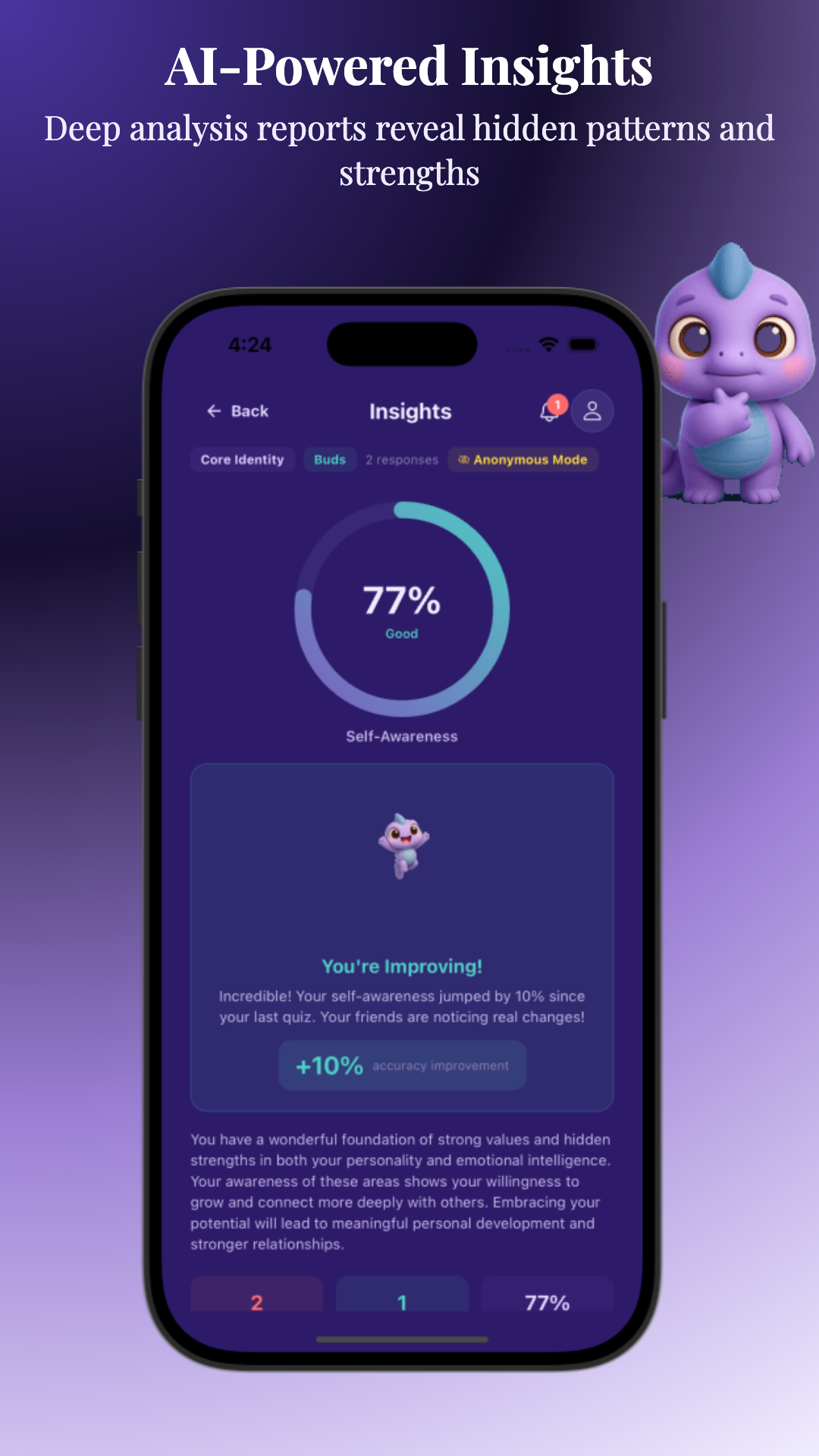
- Use feedback to grow: Anonymous feedback apps like Blindspot can help you spot your blind spots and understand how you’re perceived.
Conclusion
Becoming a better friend isn’t about perfection—it’s about growth, intention, and self-awareness. By practicing empathy, celebrating others, keeping commitments, and seeking honest feedback, you’ll build deeper, more rewarding connections. Friendships are dynamic; they evolve and require nurturing from both sides. Use tools like Blindspot to gain insight into your role within your friend group and see where you can improve. Take the first step today, and watch your relationships—and your self-understanding—transform for the better.
FAQ
- How do I become a better friend?
Start by actively listening, checking in regularly, offering empathy, keeping your commitments, and being open to feedback. Reflect on your friendship patterns and use tools like Blindspot to understand how others see you. - What are the qualities of a good friend?
Good friends are reliable, supportive, trustworthy, empathetic, respectful of boundaries, and celebrate your successes. They communicate openly and are present in both good and hard times. - How can I be more supportive of my friends?
Offer emotional support by listening and validating feelings, provide practical help, cheer their achievements, and show up during tough moments. Ask what kind of support they need instead of assuming. - How often should I check in on my friends?
There’s no one-size-fits-all answer, but regular check-ins (weekly or monthly, depending on the friendship) show you care. Reach out more often during significant life events or if a friend seems withdrawn. - How do I respect a friend’s boundaries without drifting apart?
Have open conversations about each other’s needs for space and privacy. Respect their boundaries, but maintain the connection through occasional check-ins and thoughtful gestures. - What should I do when a friendship is struggling?
Initiate an honest, empathetic conversation. Listen to their perspective, express your feelings calmly, and work together to resolve issues. Use feedback tools or group discussions to uncover underlying dynamics, as outlined in the How to Uncover Your Social Blind Spots guide.