Why Do I Feel Misunderstood by My Friends? The Ultimate Guide
Explore why you feel misunderstood by your friends, friendship dynamics, signs of good and bad friends, and how to improve your relationships.

Estimated reading time: 17 min
Key Takeaways
- Feeling misunderstood by friends often stems from communication gaps, differing perspectives, and unspoken expectations.
- Friend group dynamics, social roles, and personality differences deeply influence how you are perceived and how you perceive others.
- Recognizing signs of healthy versus unhealthy friendships helps improve your social circle and enhances your self-awareness.
- Effective communication, including expressing emotions clearly and inviting honest feedback, bridges the gap between your feelings and your friends’ perceptions.
- Tools like Blindspot provide valuable anonymous feedback to reveal social blind spots, fostering personal growth and stronger relationships.
Table of Contents
- Section 1: Understanding Why You Feel Misunderstood by Friends
- Section 2: The Impact of Friend Group Dynamics and Personality Differences
- Section 3: Signs of a Good Friend vs. Signs of a Bad Friend
- Section 4: How Your Friends’ Views Reflect on You and Your Self-Perception
- Section 5: Communication Strategies to Be Better Understood
- Section 6: When to Seek Support and Grow Your Friendships
- Conclusion
- FAQ
Section 1: Understanding Why You Feel Misunderstood by Friends
The Gap Between Inner Experience and External Perception
Feeling misunderstood by your friends often results from a significant gap between your inner experience—your thoughts, feelings, and intentions—and how others perceive your actions or words. This discrepancy can be subtle or pronounced, but the emotional impact is often the same: isolation and frustration. For example, you might express concern about a situation, but your friends interpret it as criticism or negativity, leading to confusion on both sides.
Psychologically, this gap can cause cognitive dissonance, where your self-concept conflicts with external feedback. This tension may result in self-doubt, lowered self-esteem, or withdrawing from social interactions. Studies in social psychology highlight that people naturally seek validation and understanding, and when these are absent, feelings of loneliness intensify, even in close-knit groups.
Common Communication Breakdowns
Communication breakdowns are central to feelings of being misunderstood. They often occur due to:
- Unclear Expression: When you are unclear, vague, or indirect in expressing your thoughts, friends might misinterpret your intent. For instance, saying “I’m fine” when you’re upset may lead friends to assume all is well.
- Assumptions and Mindreading: Both parties may assume they know what the other means without confirming. This leap often causes misinterpretations.
- Lack of Follow-Up: People often don’t ask clarifying questions, leading to unresolved misunderstandings.
- Emotional Filters: Stress, mood, or past experiences can color how messages are sent and received.
For example, if a friend is distracted when you speak, they might miss nonverbal cues or emotional nuances, resulting in an inaccurate understanding.
Personality Differences and Cognitive Styles
Different personality traits and cognitive styles influence how emotions and information are processed. Consider the following nuances:
- Introversion vs. Extroversion: Introverts often process internally and may appear reserved, while extroverts tend to externalize emotions and seek social feedback. This can cause mismatches where extroverted friends expect expressive sharing, but introverted individuals prefer reflection.
- Thinking vs. Feeling Preferences: Some friends prioritize logic and facts (Thinking), while others focus on emotional harmony and empathy (Feeling). This difference affects how feedback is given and received.
- Communication Styles: Direct communicators value straightforward language, whereas indirect communicators may rely on context and subtlety, which can lead to misunderstandings.
- Emotional Intelligence Levels: Friends with higher emotional intelligence may better interpret subtle cues, while others might miss underlying feelings.
Understanding these differences is crucial for bridging gaps in perception and fostering empathy.
Section 2: The Impact of Friend Group Dynamics and Personality Differences
How Friend Group Dynamics Shape Perceptions
Friend group dynamics greatly influence individual perceptions and interactions. Groups often develop implicit roles and hierarchies, such as the leader, the mediator, the joker, or the outsider. These roles can shape how each person is seen and treated, sometimes overshadowing individual nuances.
For example, if you have the role of the "quiet thinker," friends may assume you’re disinterested or aloof, even if you are deeply engaged internally. Conversely, the "class clown" might be perceived as less serious, regardless of their true feelings.
Group norms also dictate acceptable behaviors, topics, and emotional expressions. If your way of expressing yourself deviates from these norms, misunderstandings or social exclusion may arise. A study in group psychology shows that conformity pressures can cause individuals to mask authentic thoughts, which further widens the understanding gap.
The Role of Emotional Sensitivity and Social Anxiety
Emotional sensitivity refers to how intensely one experiences emotions and perceives others’ emotions. Individuals with high emotional sensitivity often pick up on subtle social cues but may also overinterpret negative signals, leading to feelings of being misunderstood.
Social anxiety compounds this by creating fear of judgment or rejection in social contexts. This can cause hypervigilance to potential misunderstandings or perceived slights. For instance, if a friend answers a text briefly, someone with social anxiety might interpret that as disinterest or anger, even if it’s unrelated.
Recognizing these tendencies is important. Techniques such as grounding, mindfulness, and cognitive restructuring can help manage emotional reactivity and reduce the impact of misperceptions.
Masking and People-Pleasing Behaviors
Masking involves hiding or altering one’s authentic thoughts and feelings to fit in or avoid conflict. People-pleasing behaviors—such as agreeing to plans you dislike or suppressing disagreement—stem from a desire for acceptance.
While masking can provide short-term social ease, it creates a long-term disconnect where your friends don’t see your true self, and you feel unseen or misunderstood. For example, consistently suppressing your opinion about group decisions to avoid confrontation may lead friends to believe you are indifferent or disengaged.
This feedback loop deepens misunderstandings and may cause emotional exhaustion. Building awareness of these behaviors and gradually expressing your authentic self helps break this cycle.
Section 3: Signs of a Good Friend vs. Signs of a Bad Friend
Signs of a Good Friend
- Active Listening: Good friends listen attentively, ask clarifying questions, and remember details. For example, they might recall your favorite hobby or how you felt about a recent event, demonstrating genuine care.
- Supportive Behavior: They encourage your personal growth, respect boundaries, and celebrate your successes without jealousy. This includes being present during difficult times and offering help without expecting something in return.
- Honest Feedback: A good friend offers constructive criticism with kindness and tact, helping you see blind spots without judgment. They balance honesty and empathy.
- Reliability: Consistency in actions and words builds trust. Good friends show up when they say they will and follow through on commitments, creating a dependable bond.
- Acceptance: They accept your flaws and differences without trying to change you, fostering a safe environment for authenticity.
Signs of a Bad Friend
- Dismissiveness: Bad friends minimize or ignore your feelings, often changing the subject or invalidating your experiences. For example, responding with "You're overreacting" or "It’s not a big deal" when you share concerns.
- Manipulation: They use guilt, pressure, or emotional blackmail to control your decisions or actions. This may include passive-aggressive comments or withholding affection to get their way.
- Lack of Empathy: Such friends rarely consider your perspective or emotional needs and may prioritize their own interests.
- Inconsistency: Unreliable friends might frequently cancel plans, fail to return messages, or only engage when convenient, signaling low investment in the relationship.
- Competitive or Jealous Behavior: Instead of celebrating your achievements, they may belittle or compete with you, undermining trust.
Evaluating Your Friend Group
Regularly reflecting on your friendships is essential. Ask yourself:
- Do my friends make me feel valued and understood?
- Are there recurring patterns of dismissal or conflict?
- Do I feel safe expressing my true thoughts and feelings?
- Do I also invest effort and support in these friendships?
By honestly assessing these questions, you can identify which relationships nurture your authentic self and which may contribute to misunderstanding or emotional strain.
Section 4: How Your Friends’ Views Reflect on You and Your Self-Perception
The Concept of Blind Spots in Friendships
Blind spots are aspects of your personality, behavior, or communication that you are unaware of but that others notice. These can be positive traits that you underestimate or behaviors that unintentionally cause friction.
For example, you might believe you are a good listener, but friends might perceive you as distracted or dismissive. Conversely, you may underestimate your sense of humor, which friends appreciate greatly.
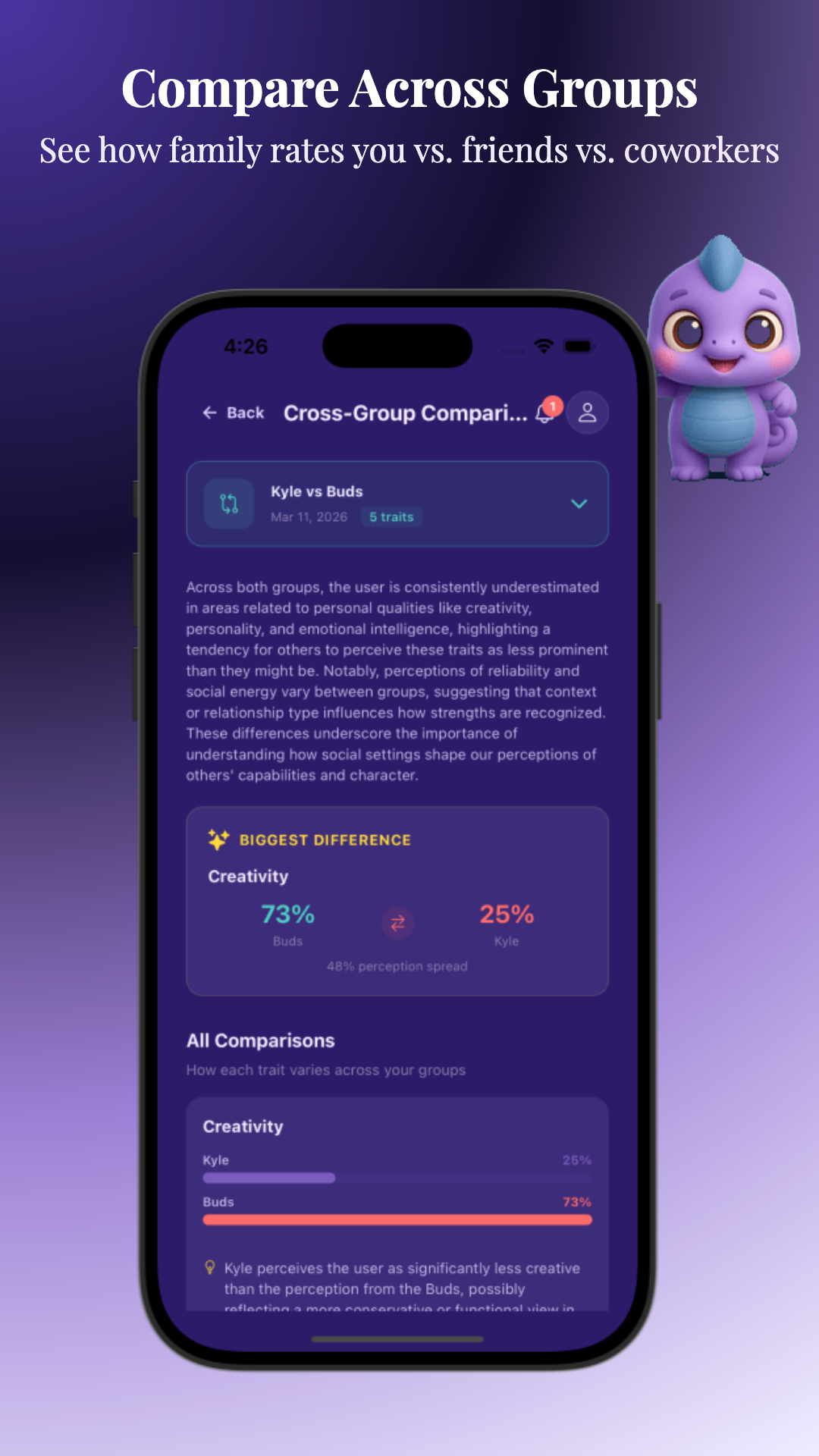
The Blindspot app is designed to uncover these social blind spots by collecting anonymous, candid feedback from your friends. This feedback often reveals surprising insights and helps align your self-perception with how you’re seen externally.
Understanding your blind spots is a powerful step toward self-awareness and improving interpersonal relationships.
How What Your Friends Say About You Shapes Self-Awareness
Your friends’ perspectives act as mirrors reflecting parts of yourself you might overlook. When you receive feedback, consider:
- Which comments resonate or surprise you?
- Are there recurring themes across different friends’ feedback?
- Do the insights connect to specific situations or behaviors?
For example, if multiple friends mention that you come across as impatient, this may prompt reflection about your communication style and lead to intentional change.
Conversely, positive feedback reinforces strengths and boosts confidence.
Integrating external feedback with self-reflection facilitates growth and deeper connections.
Why Do I Have Few Friends? Understanding Social Circles
Having a small number of friends is not inherently negative and often reflects a preference for quality over quantity. Deep, meaningful friendships require time, trust, and emotional investment, which may limit the size of your social circle.
However, if you feel misunderstood even within your small circle, it may indicate mismatches in communication styles or values. For instance, if your friends prefer light, casual conversations and you seek deeper emotional sharing, you might feel isolated.
In such cases, consider expanding your social networks by joining interest groups, clubs, or online communities aligned with your values. This can increase opportunities to find like-minded friends who better understand your authentic self.
Section 5: Communication Strategies to Be Better Understood
Lead with Feelings and Use Specific Language
Effective communication begins with clearly expressing your feelings using "I" statements to own your experience and reduce blame. For example, instead of saying, "You don’t care about me," try "I feel hurt when plans change last minute because I look forward to our time together." This approach invites empathy rather than defensiveness.
Additionally, specificity helps avoid vague or ambiguous messages. Instead of "You never listen," specify the moment or behavior: "Yesterday, when I was sharing my day, I felt unheard because you were looking at your phone." This clarity provides concrete points for discussion.
Nonverbal cues such as tone, facial expressions, and body language also convey emotions. Being mindful of these can enhance message clarity.
Practice Repair-Focused Communication
When misunderstandings arise, focus on repairing the relationship rather than assigning blame. Steps include:
- Pause and Reflect: Take a moment to calm down and consider your feelings before responding.
- Use Open-Ended Questions: Ask friends to share their perspective, e.g., "Can you tell me what you heard me say?" or "How do you feel about this?"
- Validate Emotions: Acknowledge their feelings even if you disagree, e.g., "I understand that upset you."
- Express Your Intentions: Clarify your original intent to reduce misinterpretations.
- Collaborate on Solutions: Discuss ways to avoid similar issues in the future.
Such repair-focused communication fosters trust and resilience in friendships.
Encourage Honest Feedback and Avoid Defensiveness
Creating a safe space for honest dialogue involves:
- Inviting Feedback: Regularly ask friends how they perceive your actions or communication.
- Listening Actively: Show openness by maintaining eye contact, nodding, and refraining from interrupting.
- Managing Defensiveness: When receiving critical feedback, pause before responding to avoid reactive defensiveness. Remind yourself that feedback is an opportunity to grow.
- Expressing Gratitude: Thank your friends for their honesty, reinforcing trust and openness.
Over time, this approach deepens understanding and strengthens bonds.
For a deeper dive into improving communication and self-awareness, explore our Definitive How-To Guide on Becoming More Self-Aware.
Section 6: When to Seek Support and Grow Your Friendships
Recognizing Relationship Dynamics versus Temporary Misunderstandings
It’s normal for friendships to experience occasional misunderstandings, but persistent feelings of being unseen or dismissed warrant deeper evaluation. Consider these signs indicating problematic dynamics:
- Repeated patterns of invalidation or neglect.
- Consistent one-sided effort or emotional labor.
- Feelings of anxiety or dread about interacting with friends.
- Lack of safe spaces for authentic expression.
If these patterns exist, it may be time to reassess the relationship’s role in your life or seek external support to navigate challenges.
Using Journaling and Therapy for Self-Understanding
Journaling is a practical tool to track your thoughts, feelings, and experiences in friendships. By writing regularly, you can identify recurring themes, triggers, and insights that might not emerge in day-to-day life.
Therapy offers professional guidance to explore complex emotions, improve communication skills, and develop healthier boundaries. Modalities like cognitive-behavioral therapy (CBT) or interpersonal therapy (IPT) are effective in addressing social anxiety, self-esteem, and relationship issues.
Engaging in therapy or coaching can empower you with strategies to express yourself authentically, manage conflict, and cultivate supportive friendships.
Choosing More Supportive Friendships
As you evolve, your social needs and values may shift. It’s healthy to seek friendships that reflect and nurture your authentic self. Steps to build a supportive social circle include:
- Joining Interest-Based Groups: This increases exposure to people with shared hobbies or values.
- Volunteering: Engaging in community service connects you with compassionate individuals.
- Networking Through Existing Friends: Expanding your circle by meeting friends-of-friends.
- Setting Boundaries: Learning to say no to draining interactions preserves emotional energy.
Tools like Blindspot facilitate this journey by providing anonymous friend feedback highlighting both strengths and areas to grow. Such insights enable you to nurture meaningful connections and foster authentic belonging. Visit Blindspot to start uncovering your social blind spots today.
Conclusion
Feeling misunderstood by your friends is a multifaceted experience rooted in communication gaps, personality differences, and friend group dynamics. By understanding the signs of healthy and unhealthy friendships, embracing honest feedback, and refining your communication skills, you can bridge the divide between your inner world and how others perceive you. Leveraging tools like Blindspot to uncover social blind spots, combined with intentional self-awareness practices, empowers you to transform misunderstandings into opportunities for deeper connection and personal growth. Remember, authentic relationships thrive on empathy, clarity, and mutual respect — qualities you can cultivate within yourself and your social circle.
FAQ
Q: Why do I feel misunderstood by my friends?
A: You may feel misunderstood due to communication breakdowns such as unclear expression or assumptions, differences in personality or cognitive styles, and emotional factors like anxiety or insecurity. Often, your true feelings aren’t fully expressed or received as intended, creating a gap between your inner experience and others’ perceptions.
Q: Why do I feel misunderstood by everyone?
A: Feeling misunderstood broadly can stem from social anxiety, heightened emotional sensitivity, or a mismatch between your inner experience and how others perceive you. It may also reflect limited opportunities to express yourself authentically or challenges in finding social groups aligned with your communication style.
Q: How do I explain myself without sounding defensive?
A: Use "I feel" statements that focus on your emotions rather than blaming others. Be specific about situations and invite dialogue by asking open-ended questions like "Can you share how you interpreted what I said?" Avoid accusatory language and aim for repair-focused communication to foster understanding without triggering defensiveness.
Q: Why do my friends not understand my feelings?
A: Differences in communication styles, assumptions, or lack of emotional awareness can cause friends to miss the full picture of your feelings. Encouraging honest feedback, clarifying your emotions with specific language, and practicing active listening can help close this gap.
Q: Is it normal to feel misunderstood by close friends?
A: Yes, occasional feelings of being misunderstood are normal even in close friendships due to inherent differences in perception and communication. However, persistent misunderstanding or feeling unseen may indicate underlying issues that require attention and open dialogue.
Q: What should I do if I always feel unseen in my friend group?
A: Reflect on your communication patterns and consider seeking feedback through tools like Blindspot to gain insights. Evaluate whether your current friends meet your emotional needs and consider expanding your social circle or seeking support through therapy to develop healthier relationships and enhance your sense of belonging.