Unlock Your Hidden Traits with Our Shadow Self Quiz
Discover hidden traits and enhance personal growth with our shadow self quiz. Gain insights, reduce projection, and move towards authenticity today.

Estimated reading time: 8 minutes
Key Takeaways
- Understand the shadow self: The hidden aspects of personality that influence behavior.
- Quiz benefits: Gain insights, improve relationships, and enhance authenticity.
- Quiz structure: Typical Likert-scale items, scoring themes, and reflection prompts.
- Integration strategies: Journaling, boundary-setting, and self-compassion exercises.
- Next steps: Use tools like the Blindspot App for further feedback.
Table of Contents
- Introduction
- What Is the Shadow Self?
- Purpose and Benefits of Taking a Shadow Self Quiz
- How the Shadow Self Quiz Works
- Integrating Quiz Results into Personal Development
- Case Studies / User Testimonials
- Next Steps
- Conclusion
- FAQ
In Jung’s depth-psychology model, the shadow is the unconscious side of our personality—traits and impulses we disown. Carl Jung coined the term “shadow self” to describe the hidden, often rejected parts of our psyche. These might include anger, envy, or even untapped creativity that clash with our conscious self-image.
A shadow self quiz is a modern self-exploration tool, not a clinical test. By answering targeted questions about your reactions, judgments, and emotional triggers, you gain insights into those parts of you that usually remain in the dark. This simple assessment acts as a mirror to reveal patterns you might otherwise miss. For another perspective on uncovering hidden blind spots, see our comprehensive Johari Window Test guide.
Uncovering your shadow can bring tangible benefits:
- Greater self-acceptance and emotional balance
- Healthier relationships with less projection and blame
- More authentic choices aligned with your whole self
In this post, we will define the shadow self, explain the purpose and benefits of a shadow self quiz, show how it works, offer strategies to integrate your results, share real-world case studies, and outline next steps for deeper exploration.
What Is the Shadow Self?
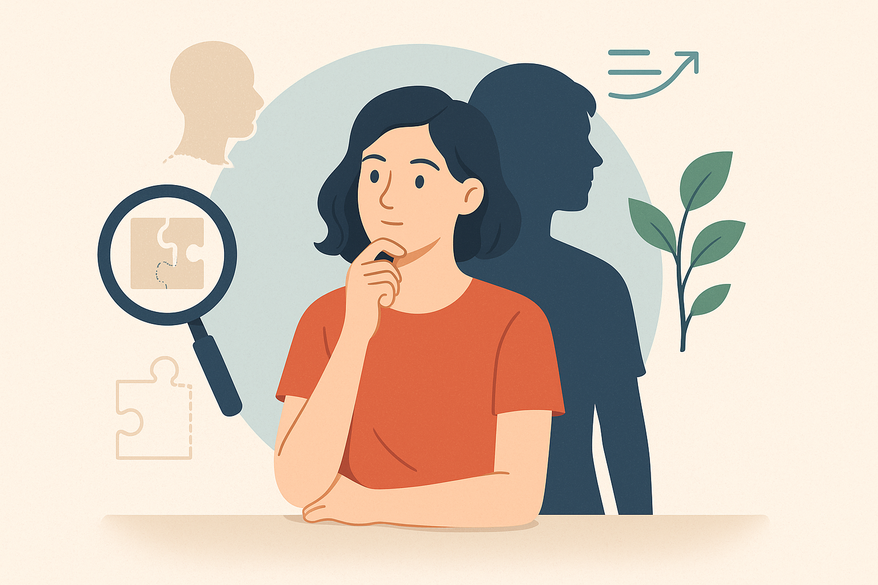
The shadow self is “the collection of traits, impulses, emotions, and potentials you reject or overlook because they clash with your conscious self-image.” It lives in the unconscious, influencing your life from behind the scenes. Learning about your shadow lays the groundwork for using a shadow self quiz to expose hidden patterns.
Common Characteristics
- Negative traits: jealousy, anger, greed, selfishness
- Repressed emotions: fear, shame, sadness, vulnerability
- Socially “unacceptable” impulses: rivalry, aggression, taboo fantasies
- Disowned strengths: creativity, leadership, assertiveness
Paradoxically, your shadow also holds positive potentials you’ve suppressed—like healthy risk-taking or confident boundary-setting.
How the Shadow Influences You
- Behavior: sudden outbursts or passive-aggressive remarks when stress triggers your shadow.
- Decision-making: unseen fears (fear of failure or rejection) may steer your choices.
- Relationships: projection—seeing in others the flaws you refuse to see in yourself—fuels conflict.
- Self-image: denying parts of you makes your ego rigid; minor criticism feels like a personal attack.
Illustrative Examples
- The always-nice person who erupts in passive-aggression when pushed too far.
- The harsh critic who secretly craves rest and play but berates others for slacking.
- The rational skeptic who discounts emotions yet secretly longs for deep connection.
A shadow self quiz helps expose these patterns by spotlighting your triggers, judgments, and hidden strengths.
Purpose and Benefits of Taking a Shadow Self Quiz
A shadow self quiz is for self-exploration, not diagnosis. It’s a practical tool to shine a light on unconscious material and bring hidden traits into awareness. For practical methods on how to gather and interpret honest feedback from friends, check out our what friends really think of you guide.
How the Quiz Uncovers Hidden Material
- Emotional triggers: questions about what makes you disproportionately angry or upset.
- Judgments of others: noticing where you label people “lazy,” “stupid,” or “selfish.”
- Inner conflicts: tension between what you want and what you think you “should” want.
- Impulsive behaviors: spur-of-the-moment actions you later regret.
- Secret thoughts: acknowledging the ideas you hope nobody else discovers.
Through projection, you spot disliked traits in others that mirror your own disowned parts.
Key Benefits
- Increase self-awareness and emotional balance.
- Reduce self-sabotage by recognizing hidden motives.
- Improve relationships through less projection and more authentic communication.
- Enhance authenticity by embracing your whole self.
- Deepen emotional resilience by accepting all parts of you.
Taking a shadow self quiz kick-starts your journey toward these benefits by making the unconscious conscious.
How the Shadow Self Quiz Works
Most shadow self quizzes share a similar structure designed to reveal your unconscious patterns.
Typical Quiz Structure
- 20–60 items rated on a 1–5 Likert scale (strongly disagree to strongly agree).
- Optional open-ended prompts for reflection.
- Content areas: emotional regulation, interpersonal dynamics, self-image, impulsivity, attitudes toward power and vulnerability.
Scoring and Themes
- Questions are grouped into themes such as repressed anger, people-pleasing, or fear of failure.
- Higher scores indicate stronger shadow patterns in each category.
- Category labels (e.g., “The Pleaser Shadow,” “The Critic Shadow”) help you focus your reflection.
Step-by-Step Guide
- Set your intention for honest self-exploration with the shadow self quiz.
- Choose a quiet, uninterrupted space.
- Read each item carefully; note your first, authentic reaction.
- Answer candidly, not ideally; observe feelings of defensiveness or shame.
- Complete the quiz in one sitting for coherent results.
- Review results calmly, reminding yourself the aim is understanding, not judgment.
Tips for Interpreting Results
- Focus on patterns across themes rather than single high scores.
- Notice resistance to specific labels—this often signals proximity to your shadow.
- Use curiosity: “Interesting—how might this manifest in my life?”
- Journal reflections to deepen insight and track changes over time.
(Hint: If you want to explore emotional triggers in depth, see our self-awareness guide.)
Integrating Quiz Results into Personal Development
Taking a shadow self quiz is only the first step. Transformation comes from integrating insights into daily life.
Actionable Steps
- Acknowledge: “This is part of me too.”
- Map patterns: note when, where, and with whom each shadow theme appears.
- Identify underlying needs: e.g., safety, recognition, autonomy.
- Practice conscious shifts: set boundaries, say no, or channel envy into motivation.
- Cultivate self-compassion: view shadow traits as protective adaptations.
- Establish a routine: weekly journaling, daily check-ins, and mindfulness.
Working with a Therapist
If quiz results stir intense shame, trauma memories, or self-harm thoughts, seek professional help. A depth-psychology or psychodynamic therapist can:
- Provide a safe space to explore difficult material.
- Differentiate between self-reflection and harsh self-criticism.
- Offer tools to manage strong emotions.
- Guide deeper shadow work at your own pace.
Share your shadow self quiz results as conversation starters.
Further Reading & Exercises
- Books:
- Carl Jung – Man and His Symbols
- Marie-Louise von Franz – The Shadow and Evil in Fairy Tales
- Worksheets: shadow-work journals, projection mapping templates.
- Exercises:
- Mirror People: weekly list of three people who irritated you and what they reflect about you.
- Opposite Self: explore the opposite of a trait you’re proud of to uncover hidden qualities.
(For more tools, see our personality assessment post.)
Case Studies / User Testimonials
Case 1 – Laura, the Over-Giver
After taking a shadow self quiz, Laura scored high on resentment and people-pleasing. She realized she always said “yes” out of fear of rejection, then resented others for “using” her.
Insight: Her shadow held unowned anger and a belief that asking for her needs was selfish.
Outcome: She practiced small “no’s” and boundary setting. Her relationships became more balanced and fulfilling.
Case 2 – Daniel, the Perfectionist Critic
Daniel’s quiz results showed harsh self-criticism and judgment of others. He recognized a deep fear of inadequacy stemming from a critical upbringing.
Insight: His shadow masked a sense of “not enough.”
Outcome: He used self-compassion exercises and made low-stakes mistakes intentionally. His teamwork and collaboration improved.
Case 3 – Sara, the Emotional Avoider
Sara discovered strong avoidance of vulnerability and discomfort with emotions in her quiz. She prided herself on being independent but felt lonely.
Insight: Her shadow contained longing for support and unprocessed sadness.
Outcome: Through journaling and sharing with friends, she built deeper emotional connections and felt less alone.
In each story, the shadow self quiz sparked initial awareness that led to real growth.
Next Steps
To further illuminate your shadow patterns through perception gaps, try the Blindspot App. It offers anonymous friend feedback and AI-generated reports to help you see yourself more clearly. For a different approach to honest self-reflection, you might also consider taking our Self Perception Bias Quiz to discover your blind spots.
Conclusion
A shadow self quiz is an invitation to meet the parts of yourself you’ve kept hidden. Jung’s theory shows these disowned aspects influence your choices, behavior, and relationships from the unconscious.
By taking a shadow self quiz and reflecting on the results, you can:
- Gain deeper insight into your hidden traits and motives
- Reduce projection and break repetitive patterns
- Integrate your shadow through actionable steps, leading to authenticity and empowerment
Take the shadow self quiz today, reflect on your results, and begin your journey toward wholeness. Embrace curiosity over judgment, and consider pairing your quiz insights with journaling, mindfulness, or professional support for lasting change.
Ready to dive deeper? Access the full Shadow Self Quiz now and explore additional resources to guide your growth, or uncover hidden personality traits for greater self-awareness and growth. If you’re interested in using journaling as a tool for self-discovery and personal expression, try our Expressive Journaling Quiz to unlock new insights. If you want to learn more about the major frameworks for understanding yourself, including MBTI and the Big Five, check out our complete guide to personality types.
FAQ
- Is a shadow self quiz a clinical assessment?
No. It’s a self-exploration tool designed to increase self-awareness, not to diagnose mental health conditions. - How long does the quiz typically take?
Most quizzes take 10–20 minutes, depending on the number of items and depth of reflection. - Can I retake the quiz?
Yes. Retaking the quiz over time can track changes and deepen your understanding. - What if my results make me uncomfortable?
Discomfort often signals you’re near important insights. Approach these feelings with self-compassion or consider seeking professional support. - How do I share my results?
Use them as conversation starters with a therapist, coach, or trusted friend to explore your shadow safely.