
How to Tell if a Friend Is Jealous: The Complete Friendship Guide
Learn how to tell if a friend is jealous, spot the warning signs, and navigate friendship dynamics for better self-awareness and stronger relationships.

Estimated reading time: 12 min
Key Takeaways
- Learn the subtle and obvious signs of jealousy in friends.
- Understand how good and bad friendships impact your self-perception.
- Recognize the difference between jealousy, insecurity, and fake friendships.
- Discover what to do if you suspect a friend is jealous of you.
- Use tools like Blindspot to uncover your friendship blind spots and grow.
Understanding how to tell if a friend is jealous is a crucial skill for maintaining healthy relationships and deepening your self-awareness. Jealousy can quietly erode trust, affect group dynamics, and even shape how we see ourselves. This guide reveals the key warning signs, explores the difference between jealousy, envy, and insecurity, and helps you navigate complex friendship dynamics. By recognizing both the signs of a good friend and a bad friend, you'll learn how to strengthen your friend group, identify your own blind spots, and foster genuine connections. Let's dive in.
Step 1: Recognize the Classic Signs of Jealousy in Friends
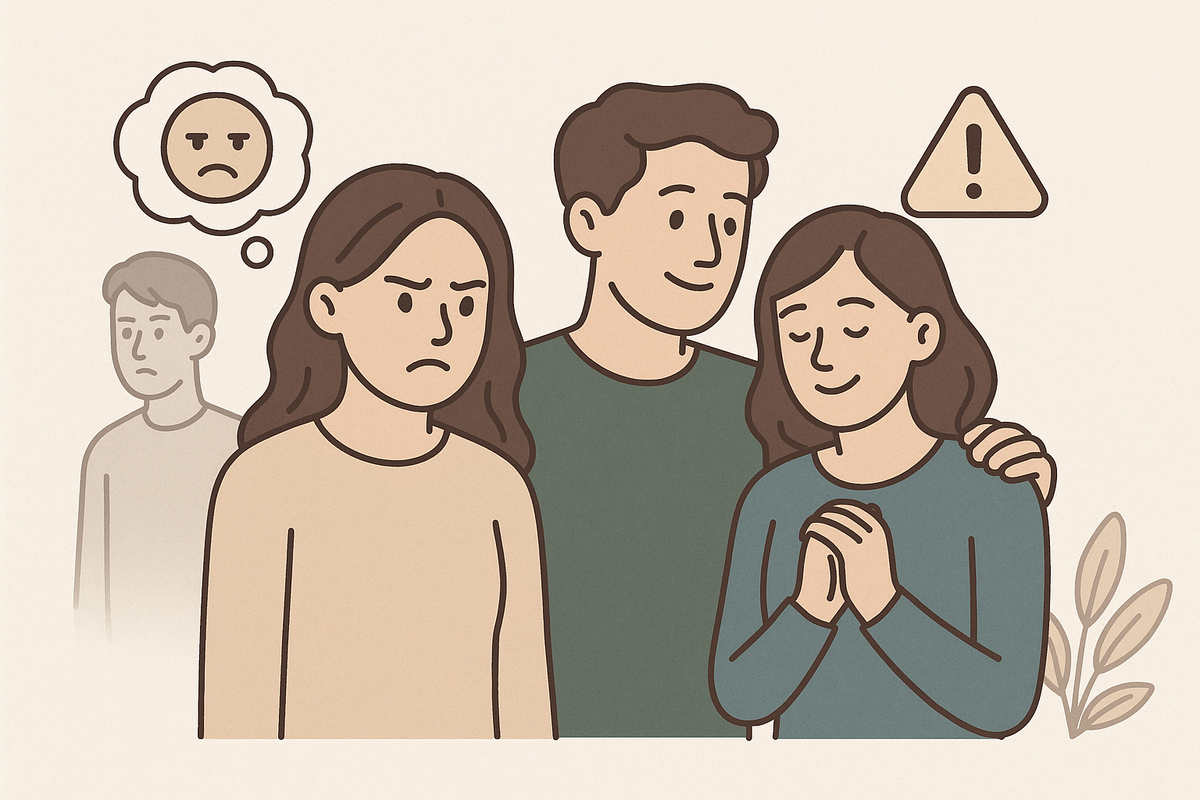
Jealousy in friendship often hides behind subtle behaviors, but there are clear red flags you can look for. Knowing these helps you spot unhealthy dynamics before they escalate.
- Backhanded compliments: Praise that feels more like a dig, e.g., “You actually look good for once.”
- Minimizing your achievements: Downplaying your good news or acting unimpressed.
- One-upping: Every time you share a win, they quickly mention their own (real or exaggerated) success.
- Copying: Imitating your style, interests, habits, or even social media posts.
- Passive-aggressive comments: Subtle jabs or sarcasm about your successes or personality.
- Gossiping or talking behind your back: Spreading rumors or negative stories about you within your friend group.
- Withdrawing or excluding you: Pulling away from plans, giving you the silent treatment, or leaving you out of group activities.
- Erratic communication: Hot-and-cold patterns—sometimes supportive, sometimes distant or critical.
Not all of these mean jealousy for sure, but a pattern of several may point to deeper issues.
Step 2: Observe How They React to Your Good News and Success
A true friend celebrates your victories. A jealous friend, on the other hand, may reveal their feelings through:
- Forced smiles or a lack of genuine excitement.
- Quickly changing the subject when you share success.
- Making negative comments like, “Must be nice,” or “You got lucky.”
- Comparing your achievement to their own or someone else’s (“Well, I did X last year…”).
If you consistently notice these reactions, reflect on the overall friendship dynamic. Are they supportive when it matters or only present when things aren’t going well for you?
Step 3: Spot Backhanded Compliments, Minimizing, and Criticism
Backhanded compliments and subtle put-downs are classic ways jealousy creeps into conversation. Listen for phrases like:
- “You’re so lucky to get that job. I could never handle all that pressure.”
- “Wow, you finally got a boyfriend. About time!”
- “I guess anyone could’ve done that if they tried.”
Chronic criticism—especially about things you’re proud of—can indicate underlying jealousy. Be aware of repeated nitpicking or dismissive feedback, especially when it targets your growth or happiness.
Step 4: Notice One-Upping, Competitiveness, and Comparisons
Jealous friends often turn every conversation into a competition. They may:
- Steer conversations to their own accomplishments right after you share yours.
- Constantly compare grades, salaries, or achievements.
- Turn group activities into a contest rather than a shared experience.
This behavior can undermine the group’s cohesion and make you feel undervalued. Healthy friend group dynamics depend on mutual support, not rivalry. For more on understanding group roles and your place within them, see Johari Window Test: A Powerful Tool for Self-Discovery.
Step 5: Watch for Copying, Gossip, and Exclusion
Sometimes jealousy shows up as imitation or behind-the-scenes negativity. Warning signs include:
- Mirroring your fashion, hobbies, or online presence.
- Repeating your jokes or stories as their own.
- Spreading rumors or negative stories about you, especially if you hear it from others.
- Leaving you out of group chats or activities without explanation.
These behaviors erode trust and signal a lack of respect within the friendship. If you’re experiencing exclusion or gossip, it’s a sign to evaluate the relationship’s health.
Step 6: Distinguish Jealousy from Insecurity, Envy, and Fake Friendship
Not every negative behavior stems from jealousy. Sometimes, insecurity or envy is at play. How do you tell the difference?
- Jealousy: Fear of losing what they have to you (e.g., attention, status, mutual friends).
- Envy: Wanting something you possess, but not necessarily wishing you ill.
- Insecurity: Low self-esteem that may cause them to act out or withdraw, but not always with ill intent.
- Fake friendship: Consistently negative, unsupportive, or manipulative behavior—regardless of your success.
Pay attention to their intentions and patterns. Occasional insecurity is normal, but chronic jealousy and negativity point to a deeper issue. To better understand your own blind spots and what your friends say about you, check out What My Friends Think of Me Quiz: Reveal Your Blind Spots.
Step 7: What To Do If You Think a Friend Is Jealous
If you suspect jealousy is affecting your friendship, take these steps:
- Reflect honestly: Review the signs and consider if there’s a pattern.
- Address it gently: Have a calm conversation about your observations. Use “I” statements (“I’ve noticed...”) rather than accusations.
- Set boundaries: Protect your emotional well-being. It’s okay to limit contact with consistently negative people.
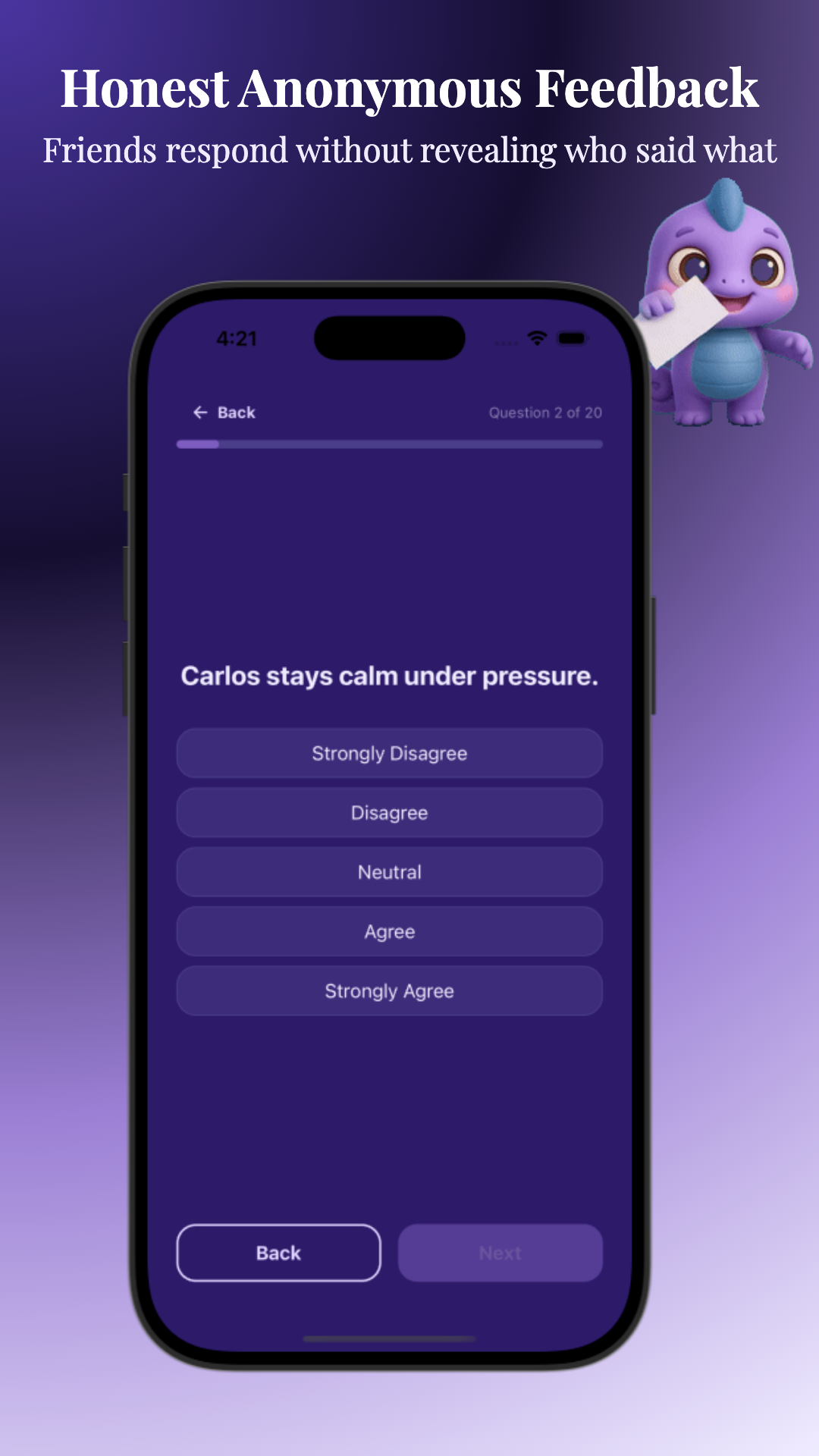
- Seek feedback: Use tools like Blindspot to gather anonymous insights from your friend group. This can help you see the broader picture and understand if others notice similar patterns.
- Focus on self-awareness: Learn how your actions impact others and strive to be a better friend yourself. For actionable steps, see How to Become More Self-Aware: The Definitive How-To Guide.
- Adjust or end the friendship: If the relationship remains toxic despite efforts, it may be time to move on.
Remember, everyone deserves friends who celebrate their success and support their growth. If you find yourself asking, “Why do I have few friends?”—it can be a signal to re-examine your friendship patterns and group dynamics.
Tips & Common Mistakes
- Don’t ignore your gut: If something feels off, trust your instincts and look for consistent patterns.
- Avoid confrontation when emotions are high: Wait for a calm moment to talk about concerns.
- Don’t label someone as jealous based on one incident: Look for repeated behaviors over time.
- Remember the signs of a good friend: Supportive, trustworthy, honest, and genuinely happy for you.
- Use tools for self-discovery: Apps like Blindspot can help you uncover how others see you and reveal hidden group dynamics.
Conclusion
Learning how to tell if a friend is jealous isn’t just about protecting yourself—it’s a pathway to deeper self-awareness and healthier connections. By understanding the subtle warning signs, distinguishing jealousy from other issues, and using tools for honest feedback, you can strengthen your friend group and grow as a person. Remember, strong friendships are built on trust, mutual support, and open communication. If you want to find out what your friends really think of you, try Blindspot or check out How to Find Out What Your Friends Really Think of You for more insights.
FAQ
- What are the signs that a friend is jealous of you?
Common signs include backhanded compliments, one-upping, minimizing your achievements, passive-aggressive comments, gossip, withdrawal, and erratic support. Look for patterns, not one-off incidents. - How do jealous friends act when something good happens to you?
They may act indifferent, change the subject, make negative or dismissive remarks, or quickly bring up their own achievements in response to your good news. - Is backhanded complimenting a sign of jealousy?
Yes, backhanded compliments often signal jealousy, especially if they’re frequent and tied to your successes. They mask criticism as praise. - How can you tell the difference between jealousy and insecurity in a friend?
Jealousy usually involves competitiveness and undermining behaviors, while insecurity is more about their own self-doubt and may show up as withdrawal or self-deprecation rather than criticism of you. - What should you do if you think a friend is jealous of you?
Reflect on the signs, address the issue calmly, set boundaries, and use anonymous feedback tools like Blindspot for more insight. If the behavior continues, consider distancing yourself.