
How to Rebuild Trust After Friend Conflict: Step-by-Step Guide
Learn how to rebuild trust after friend conflict. Discover proven steps, group dynamics, signs of good and bad friends, and self-awareness tools for better friendships.

Estimated reading time: 12 min
Key Takeaways
- Rebuilding trust after a friend conflict requires honesty, responsibility, and patience.
- Recognizing signs of good and bad friends helps you evaluate your relationships.
- Understanding friend group dynamics can prevent future misunderstandings.
- Self-awareness, including learning what your friends say about you, is essential for growth.
- Tools like Blindspot can reveal blind spots and foster healthier friendships.
When trust is broken between friends, it can shake the foundation of your relationship. Fortunately, learning how to rebuild trust after friend conflict isn’t just possible—it’s a powerful opportunity for self-discovery and growth. This comprehensive guide will walk you through the steps, reveal the signs of good and bad friends, explain friend group dynamics, and show you how tools like Blindspot can help you understand what your friends really think of you.
Step 1: Acknowledge What Broke the Trust
The first step in how to rebuild trust after friend conflict is to honestly acknowledge what happened. Avoid glossing over the issue or pretending nothing went wrong. Whether it was a misunderstanding, betrayal, gossip, or neglect, naming the problem is essential.
- Reflect on the specific incident or pattern that caused the rift.
- Be honest with yourself about your part and your friend’s perspective.
- Consider how group dynamics may have influenced the conflict—sometimes friend group tensions amplify issues.
If you’re unsure, ask yourself: “What would my friends say about me in this situation?” Using an anonymous feedback tool like Blindspot can help you uncover your blind spots and see how others viewed the event.
Step 2: Take Responsibility and Apologize Sincerely
Accepting responsibility is a hallmark of a good friend. A genuine apology acknowledges the hurt, avoids excuses, and expresses remorse.
- Use “I” statements, such as “I’m sorry for what I did and how it affected you.”
- Don’t deflect blame or minimize your actions.
- If you were both at fault, own your part without expecting immediate reciprocation.
A sincere apology lays the foundation for moving forward. If you’re unsure how to phrase it, consider the advice in the What My Friends Think of Me Quiz guide for reflecting on your communication style.
Step 3: Reflect on Your Role Before Reaching Out
Before reopening contact, take time to reflect on your own behavior and the underlying causes of the conflict. This step is crucial for personal growth and prevents repeating the same mistakes.
- Ask yourself: Were there signs of a bad friend, such as gossip, unreliability, or lack of empathy?
- Consider if you were meeting the signs of a good friend: honesty, support, and respect.
- Use self-discovery tools to understand your blind spots. For a deep dive, try the Johari Window Test or explore how to be more self-aware.
This reflection will prepare you to communicate with empathy and clarity.
Step 4: Choose the Right Time and Medium to Reopen Contact
Timing and context matter. Don’t rush your friend or yourself. Reach out when emotions have cooled, and choose the most respectful method—sometimes a message is less confrontational; other times, a face-to-face conversation is best.
- Gauge if your friend is ready to talk. If not, give them space.
- Pick a private, neutral location for sensitive discussions.
- Be clear about your intention: to listen, understand, and heal—not to argue or justify.
If your friend needs more time, respect their boundaries. Pushing too soon can backfire.
Step 5: Have an Honest Conversation and Listen Actively
When you do reconnect, focus on open, honest dialogue. Allow your friend to share their feelings without interruption.
- Practice active listening: paraphrase what they say, ask clarifying questions, and validate their emotions.
- Share your perspective calmly, without blaming or attacking.
- Discuss what you both need moving forward—trust is rebuilt through mutual understanding.
This step is vital for addressing misunderstandings and rebuilding the emotional connection.
Step 6: Set New Boundaries and Expectations
Healthy friendships thrive on clear boundaries and realistic expectations. After a conflict, talk openly about what you both need to feel safe and respected.
- Agree on what behaviors need to change.
- Clarify communication preferences and personal limits.
- Recognize how friend group dynamics might influence your boundaries—group settings can sometimes blur individual needs.
Setting boundaries is not a sign of a bad friend; it’s a sign of maturity and respect.
Step 7: Rebuild Trust Gradually Through Consistent Actions
Trust is rebuilt through small, consistent actions over time. Follow through on promises, show up when you say you will, and be transparent in your communication.
- Be patient—don’t expect instant forgiveness or trust.
- Celebrate progress, even if it’s slow.
- Use tools like Blindspot to monitor growth and get anonymous feedback from your friend group. Seeing progress can motivate both parties.
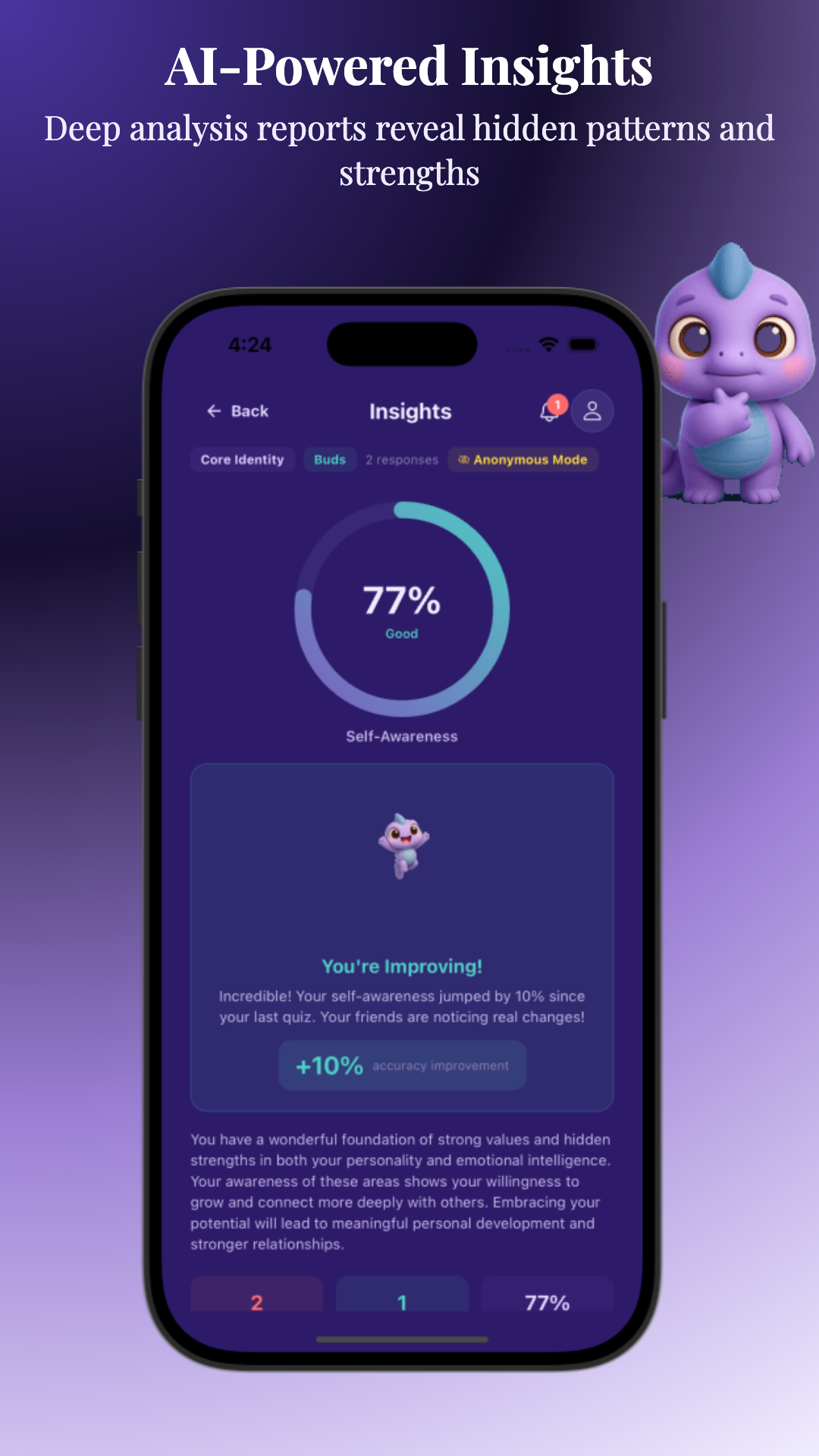
Self-awareness insights and improvement feedback from Blindspot can help you track your friendship growth.
Step 8: Give Space and Allow Time for Healing
Sometimes the most loving action is to give your friend (and yourself) room to process and heal. Don’t pressure them for instant results or reconciliation.
- Check in occasionally, but don’t hover.
- Remember: healing is not linear. There may be setbacks or mixed emotions.
- Focus on your own growth, and use this time to reflect on how to be a better friend.
Respect for each other’s space is a key sign of a good friend.
Step 9: Decide Whether Forgiveness and Reconciliation Are Realistic
Not every friendship can or should be restored. After time and reflection, honestly assess whether the relationship is healthy for both of you.
- Look for mutual effort—if only one person is trying, it may not be sustainable.
- Consider the overall friendship dynamic: do you see more signs of a bad friend than good?
- Ask, "Why do I have few friends?" Sometimes letting go of toxic dynamics opens space for better relationships.
If reconciliation isn’t possible, parting respectfully is an act of self-care. You can still use the experience to grow—start by exploring what is a personality blind spot and how to recognize your own through feedback.
Step 10: Seek Outside Help or Mediation if Needed
For deeper wounds or ongoing conflicts, consider reaching out to a neutral third party. This could be a trusted mutual friend, counselor, or mediator.
- Outside perspectives can diffuse tension and clarify misunderstandings.
- Professional help is especially important if the conflict involves betrayal, repeated patterns, or impacts your mental health.
- Exploring structured feedback tools, like the Johari Window Questionnaire, can also guide the conversation.
Don’t hesitate to seek help—sometimes, an outside perspective is the key to resolution.
Tips & Common Mistakes
- Don’t rush the process: Trust takes time to rebuild.
- Avoid blame games: Focus on solutions, not fault-finding.
- Stay consistent: One-off gestures won’t repair trust—be reliable over time.
- Listen more than you speak: Validation is healing.
- Beware group dynamics: Sometimes, issues stem from the wider friend group. Address these openly.
Conclusion
Learning how to rebuild trust after friend conflict is a journey of honesty, empathy, and self-discovery. By acknowledging what went wrong, taking responsibility, listening deeply, and giving both time and consistent effort, you can mend and even strengthen your friendships. Understanding signs of a good friend, recognizing unhealthy patterns, and using feedback tools like Blindspot empower you to become a better friend—and to choose healthier relationships moving forward. Start exploring your own blind spots today at Blindspot.
FAQ
- How do you rebuild trust with a friend after a fight?
Start by acknowledging the issue, sincerely apologizing, listening actively, setting new boundaries, and rebuilding trust through consistent actions over time. - How long does it take to rebuild trust after a friendship conflict?
There’s no set timeline. It can take weeks, months, or even longer, depending on the depth of the conflict and the effort both sides invest. - What should I say to a friend after a falling out?
Be honest and specific: “I’m sorry for what happened. I value our friendship and want to understand how you feel. Can we talk about it?” - Can a broken friendship be repaired after betrayal?
It’s possible if both people are willing to communicate openly, take responsibility, and rebuild trust step by step. Deep betrayals may need professional mediation. - Should I give my friend space after trust is broken?
Yes. Giving space allows both of you to process and heal. Don’t rush reconciliation if your friend isn’t ready. - How do you know if a friendship is worth saving after conflict?
Look for mutual effort, healthy communication, and more signs of a good friend than a bad one. If the relationship brings growth and support, it’s worth working on.