How to Know If a Friend Truly Understands You: A Complete How-To
Discover actionable steps to know if a friend truly understands you. Learn the signs of good & bad friends, group dynamics, and boost your self-awareness.


Estimated reading time: 11 min
Key Takeaways
- Spot the key signs that show if your friend deeply understands you.
- Learn the differences between healthy and unhealthy friendship dynamics.
- Discover how your friends’ feedback shapes your self-image and awareness.
- Find ways to improve your friendships and become a better friend yourself.
- Explore how tools like Blindspot help reveal your ‘blind spots’ in relationships.
Knowing how to know if a friend truly understands you is at the heart of healthy, rewarding relationships. True understanding goes beyond casual conversation—it means your friend sees, accepts, and supports who you really are. This guide will help you recognize the signs of genuine understanding, spot the difference between good and bad friendship dynamics, and use feedback to grow as a person. We'll also share how apps like Blindspot can help you uncover how you’re really seen by those who matter most.
Step 1: Recognize the Signs of a Good Friend
Good friends make us feel valued and understood. But what are the real signs that a friend truly ‘gets’ you? Look for these markers:
- Open-ended check-ins: They ask how you’re doing and listen to your full answer, not just a quick ‘fine.’
- Active listening: They give you their attention, don’t interrupt, and respond thoughtfully (not just waiting for their turn to talk).
- Emotional attunement: They notice when something’s off, offer support, or know when you need space, humor, or advice.
- Remembering details: They recall your milestones, triggers, and the little things that matter to you.
- Validation: They acknowledge your feelings, even when they don’t agree, and don’t rush to ‘fix’ you.
- Shared humor and inside jokes: A sign of deep familiarity and shared experience.
- Support for your identity: They encourage your interests, values, and goals—and celebrate your wins.
- Trust and confidentiality: You feel safe confiding in them, knowing your secrets are respected.
- Balanced effort: They show up for you, and the relationship feels reciprocal—not one-sided.
- Acceptance: You feel truly seen and valued for your authentic self.
For a deeper look at what your friends’ feedback says about you, explore the What My Friends Think of Me Quiz.
Step 2: Spot the Signs of a Bad Friend
Just as important as recognizing good friends is noticing the red flags. A friend who doesn’t understand you may show signs like:
- Interrupts or dismisses your feelings.
- Forgets important details about your life.
- Shares your secrets or betrays your trust.
- Rarely checks in or offers support.
- Mocks, criticizes, or invalidates your emotions.
- Only contacts you when they need something.
- Doesn’t respect your boundaries or identity.
If you feel unseen, unheard, or undervalued, it’s a sign the friendship may be out of balance. Learn more about recognizing unhealthy dynamics in our guide What Is a Personality Blind Spot?.
Step 3: Observe Friend Group Dynamics
Sometimes, understanding (or misunderstanding) comes down to the group, not just one person. Friend group dynamics play a huge role in how you feel seen, accepted, or excluded.
- Roles and reciprocity: Is everyone’s voice valued, or do certain people dominate?
- Support and inclusion: Do you feel welcomed, or like an outsider?
- Shared values: Are your interests and values respected, or do you feel pressured to conform?
- Gossip and trust: Is the group a safe space, or do secrets leak?
Evaluating group dynamics can help explain why you may feel understood—or misunderstood—within your circle. If you’ve ever wondered, "Why do I have few friends?" group culture and roles are often at the root.
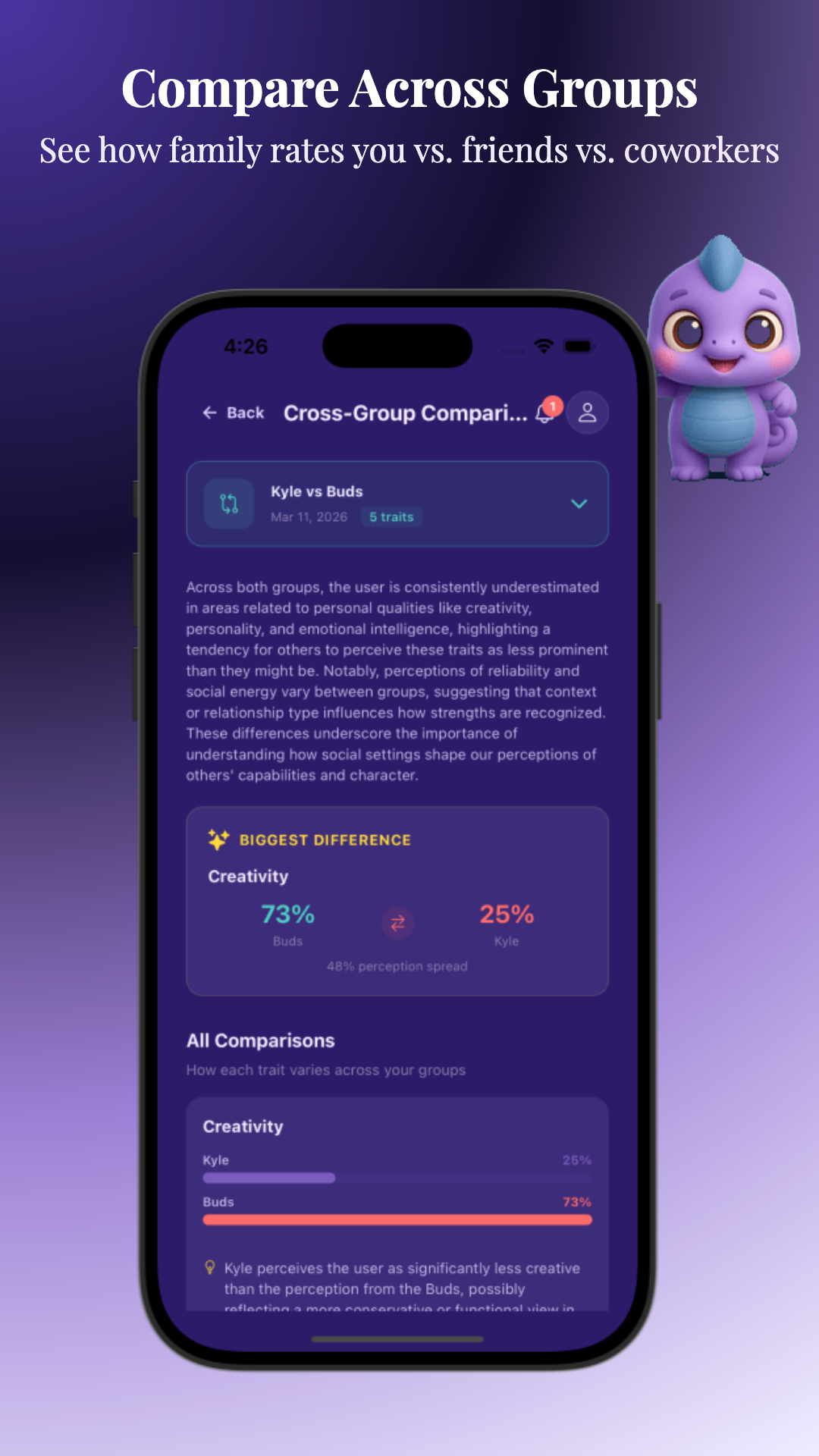
Want to compare how different friends perceive your personality? Try the group feature in Blindspot for anonymous, honest insights.
Step 4: Analyze What Your Friends Say About You
The things friends say—directly or anonymously—reveal how well they really know you. Honest feedback can highlight blind spots in your personality, communication style, or habits.
- Do friends describe you in ways that match how you see yourself?
- Are there recurring themes (e.g., "great listener," "funny," or "hard to read")?
- Do their compliments and concerns feel specific or generic?
- Are you surprised by their observations? If so, it may reveal a gap in self-awareness.
Blindspot’s anonymous question feature lets your friends share their honest impressions, helping you spot the gap between self-perception and how others see you. This can be eye-opening—and a catalyst for growth.
For structured methods to explore this, check out the Johari Window Test or learn how to become more self-aware.
Step 5: Practice Active Listening and Emotional Validation
Mutual understanding flourishes when both sides listen and validate each other’s feelings. To foster this:
- Let your friend finish speaking before responding.
- Reflect back what you’ve heard (e.g., "It sounds like you’re really stressed about work").
- Resist the urge to offer solutions unless asked.
- Use phrases like "That makes sense" or "I can see why you’d feel that way."
- Share your own feelings honestly and openly.
Active listening and validation are not just signs of a good friend—they’re skills you can practice to strengthen any relationship.
Step 6: Notice the Balance—Is Your Friendship Reciprocal?
Healthy friendships have give-and-take. If you’re always the one reaching out, supporting, or making plans, the relationship may be one-sided. To assess reciprocity:
- Track who initiates hangouts or conversations.
- Notice if support and effort feel balanced over time.
- Ask yourself if you feel energized or drained after spending time together.
One-sided friendships can leave you feeling misunderstood or underappreciated. Awareness is the first step to addressing the imbalance, whether that means a candid conversation or shifting your focus to more supportive connections.
Step 7: Use Tools to Reveal Blind Spots and Grow
It can be hard to see ourselves as others do. Tools like Blindspot make it easier by collecting anonymous feedback from friends, letting you compare their impressions with your own self-image.
- Try a self-discovery quiz and invite friends to answer about you anonymously.
- Review the results to spot themes and surprises.
- Reflect on gaps between how you see yourself and what your friends notice.
- Use insights to set personal growth goals and improve self-awareness.
Apps like Blindspot help you close the gap between perception and reality, fostering connections where you’re truly understood. For a deeper dive, learn how to find out what your friends really think of you.
Tips & Common Mistakes
- Don’t assume your friends know how you feel—communicate openly.
- Avoid confusing frequent contact with genuine understanding. Some friends are always around, but may not listen deeply.
- Recognize that some friendships change over time. Growth can mean outgrowing old dynamics or redefining what you need.
- Don’t ignore your own role. Being a better friend yourself can inspire more understanding and reciprocity.
- Don’t fear honest feedback. Anonymous input can be uncomfortable, but it’s usually the fastest path to personal growth.
Conclusion
Learning how to know if a friend truly understands you is a journey of self-discovery and connection. By spotting the signs of good and bad friends, tuning into your group’s dynamics, and seeking honest feedback, you can cultivate deeper, more meaningful relationships. Tools like Blindspot put self-awareness and authentic friendship within reach—so you can feel truly seen, heard, and valued for who you are.
FAQ
- How can you tell if a friend really understands you?
Look for signs like active listening, emotional validation, remembering your details, balanced effort, and feeling accepted for your true self. If you feel safe being open and your friend tunes into your needs, it's a strong indicator. - What are the signs that someone truly gets you as a friend?
They notice your mood shifts, support your interests, celebrate your milestones, and share inside jokes. Most importantly, they validate your feelings and respect your boundaries. - Does a true friend listen without judgment?
Yes, real friends hear you out, don't interrupt, and offer empathy instead of criticism. Non-judgmental listening builds trust and helps you feel understood. - How do I know if my friendship is one-sided?
If you’re always the one reaching out or supporting, and your effort isn’t returned, the friendship may be one-sided. Healthy friendships are reciprocal and make both people feel valued. - What does it mean when a friend remembers small details about you?
It shows they care and pay attention—recalling your preferences, triggers, or important events is a powerful sign of genuine understanding and affection. - Why do I feel like my friend doesn’t understand me?
This may stem from poor communication, mismatched values, or lack of deep listening. Honest conversations and tools like Blindspot can help bridge the gap.