
How to Handle Competition Between Friends: A Complete How-To Guide
Learn how to handle competition between friends, set boundaries, and turn rivalry into growth. Recognize signs of healthy vs toxic friendship dynamics.


Estimated reading time: 10 min
Key Takeaways
- Learn to spot the difference between healthy competition and toxic rivalry in friendships.
- Understand the reasons friends compete—like insecurity, self-esteem, and comparison culture.
- Master honest, non-blaming communication to address issues without damaging your bond.
- Set healthy boundaries and disengage from the one-upmanship game.
- Discover how self-awareness tools like Blindspot can reveal what your friends really think of you.
Competition between friends is more common than you might think. Whether it’s about grades, jobs, social media likes, or achievements, rivalry can sneak into even the closest friendships. But knowing how to handle competition between friends is essential for keeping relationships supportive, not stressful. This step-by-step guide will help you recognize the signs, understand what drives competition, set boundaries, and use self-awareness tools like Blindspot to grow as a friend.
Step 1: Recognize Healthy Competition vs. Toxic One-Upmanship
The first step in learning how to handle competition between friends is figuring out whether your dynamic is friendly and motivating—or draining and damaging. Not all competition is bad! Healthy rivalry can push you both to grow, while toxic competition leaves you feeling less-than.
- Signs of a good friend: Cheers your wins, offers support, motivates you to improve, doesn’t keep score.
- Signs of a bad friend: Regularly one-ups your stories, belittles your achievements, gossips, or seems jealous when you succeed.
Ask yourself: Do you feel inspired or diminished after spending time together? If you’re unsure, try the What My Friends Think of Me Quiz to get anonymous, honest feedback from your circle.
Step 2: Understand Why Friends Compete
Competition between friends often stems from deeper issues. Recognizing these causes helps you respond with empathy instead of frustration. Consider:
- Insecurity or low self-esteem: They may measure their worth against yours.
- Envy or jealousy: Your achievements trigger their own self-doubts.
- Comparison culture: Social media makes it easy to compare lives, successes, and appearances.
- Friend group dynamics: Sometimes, subtle rivalries play out in groups, with shifting roles and alliances.
Reflect on your own feelings, too. Do you ever feel the urge to compete, or worry "why do I have few friends"? Self-awareness is key—explore how your behavior influences group dynamics by reading How to Become More Self-Aware.
Step 3: Start an Honest Conversation Using 'I' Statements
Addressing competition head-on can feel awkward, but open communication is the healthiest way forward. Here’s how to talk to a friend who is always trying to one-up you:
- Choose a calm moment, in private—never mid-argument or in front of others.
- Use "I" statements to share your feelings, not accusations. For example: "I feel discouraged when our conversations turn into comparisons."
- Be specific about what behaviors affect you, but avoid blaming language.
- Ask open-ended questions: "Is there a reason we seem to be competing?" or "How do you feel when we talk about these topics?"
Remember, the goal is to strengthen your bond and build understanding, not to "win" the conversation.
Step 4: Set Boundaries Around Triggering Topics
If certain subjects (grades, money, achievements, followers) always spark rivalry, it’s okay to set boundaries for your own well-being:
- Let your friend know which topics you’d prefer to avoid.
- Redirect conversations if they become competitive—change the subject or suggest talking about shared interests instead.
- If you’re in a group, notice if others are uncomfortable too. Friend group dynamics can amplify competition, so be mindful of your role.
Setting boundaries isn’t selfish—it’s a sign of a good friend who values healthy, respectful interaction.
Step 5: Refuse to Play the One-Upmanship Game
Sometimes, the best way to handle competition between friends is simply not to compete. Here’s how to disengage without drama:
- Don’t rush to share your own achievement right after theirs—let them have their moment.
- Respond with genuine praise: "That’s awesome for you!" instead of "Oh, I did something similar but even better…"
- If you feel the urge to compare, pause and ask yourself: "What am I trying to prove?"
Focusing on support instead of rivalry can slowly shift your friendship dynamic for the better.
Step 6: Celebrate Their Wins and Support Their Goals
Reducing competition doesn’t mean pretending you’re not ambitious. Instead, celebrate your friend’s achievements, big or small. This attitude helps build trust and reduces rivalry.
- Congratulate your friend publicly and privately.
- Ask how you can support their next step, rather than competing with your own story.
- Express gratitude for their support when you succeed, too.
This approach is a key sign of a good friend and helps you both feel valued for who you are—not just what you achieve.
Step 7: Focus on Your Own Growth & Self-Confidence
Instead of comparing yourself to others, redirect your energy into personal growth and self-awareness. Use tools that help you see your strengths and blind spots, like Blindspot, where friends can anonymously answer questions about you. This feedback can reveal what your friends say about you and help you become a better friend.
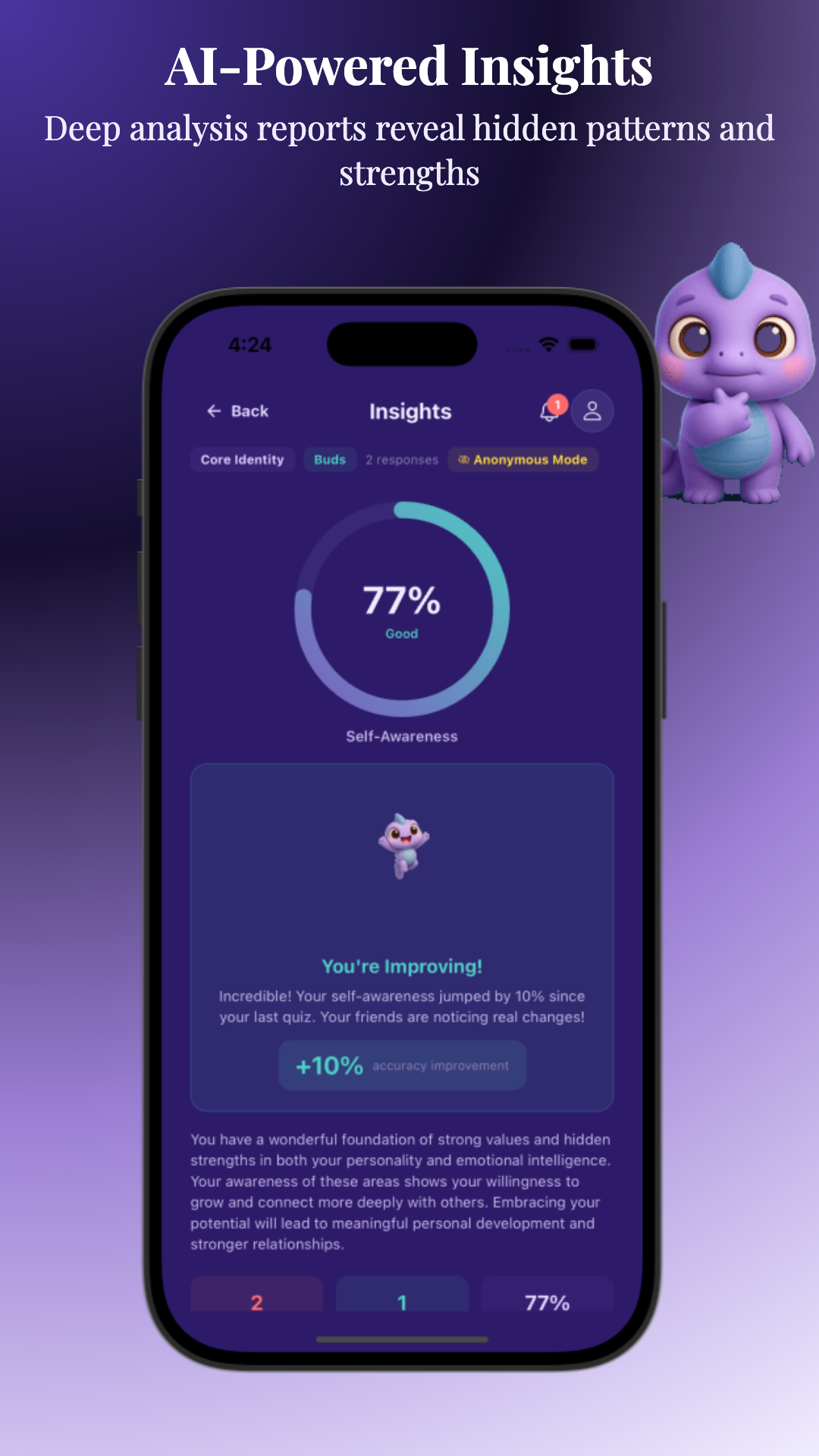
Dive deeper into understanding your own blind spots with the Johari Window Test and related self-discovery resources.
Step 8: Turn Rivalry into Collaboration
Sometimes, competition can be channeled productively. If you and your friend share ambitions, consider collaborating instead of competing:
- Set shared goals—study together, train for a race, or launch a project as a team.
- Use your different strengths to help each other.
- Celebrate both individual and joint successes.
Collaboration builds a sense of teamwork and belonging, which can be especially helpful if you’re wondering "why do I have few friends" or want to strengthen group connections.
Step 9: Know When to Take Space or Re-Evaluate the Friendship
If rivalry persists despite your best efforts, it may be time for some distance. Signs you should take a step back include:
- Feeling anxious, drained, or resentful after interactions.
- Noticing the friendship brings out your worst qualities.
- Repeated conversations or attempts at setting boundaries aren’t respected.
It’s okay to take a break or even move on from friendships that consistently undermine your confidence or happiness. Focus on building connections that bring out the best in you—use feedback and self-awareness to guide your choices.
Tips & Common Mistakes
- Don’t ignore your feelings: If something feels off, trust your instincts and explore the cause.
- Avoid public confrontations: Address issues privately, not in group chats or social media.
- Don’t try to "fix" your friend: Focus on your own growth and boundaries.
- Be honest with yourself: Sometimes, you’re the competitive one—use self-awareness tools for a reality check.
- Don’t overshare if it fuels rivalry: Limit personal details if you notice they’re often used against you.
Conclusion
Learning how to handle competition between friends is an ongoing process. By recognizing the difference between healthy and unhealthy rivalry, communicating openly, setting boundaries, and focusing on your own self-awareness, you can transform competition into growth. Self-discovery apps like Blindspot offer a unique window into what your friends say about you, helping you close the gap between self-perception and reality. Remember: great friendships are built on trust, support, and a genuine desire to see each other thrive.
FAQ
- How do you deal with a competitive friend without ruining the friendship?
Start with honest, non-blaming communication using "I" statements. Set boundaries and focus on support rather than rivalry. If competition persists, consider taking space. - What do you say to a friend who is always trying to one-up you?
Calmly express how you feel using specific examples: "I feel discouraged when our conversations become a contest." Ask if they’ve noticed it too and discuss how to support each other. - How do you tell if a friendship is healthy competition or toxic?
Healthy competition motivates and inspires, while toxic rivalry leaves you feeling drained or inadequate. Notice if your friend celebrates your wins (good sign) or belittles them (bad sign). - How do you stop feeling jealous of a friend’s success?
Focus on your own goals and self-worth. Practice gratitude and use self-awareness tools to understand your triggers. Celebrate your friend’s wins to build positive momentum. - Should you set boundaries with a competitive friend?
Yes. Boundaries around triggering topics or competitive behavior protect your mental well-being and help maintain a healthier dynamic. - How can you handle competition between friends at school or work?
Use collaboration, praise each other’s strengths, and avoid comparison traps. If group dynamics are tense, address issues privately and set clear boundaries.