How to Deal with Friendship Jealousy: A Practical Guide
Learn how to deal with friendship jealousy, spot the signs, improve group dynamics, set boundaries, and grow your self-awareness with Blindspot.

Estimated reading time: 9 min
Key Takeaways
- Identify the signs of friendship jealousy in yourself and others
- Uncover root causes like insecurity, comparison, and group dynamics
- Practice self-awareness and open communication to resolve tension
- Set healthy boundaries and focus on personal growth
- Use tools like Blindspot for honest self-reflection
Wondering how to deal with friendship jealousy? Whether you're feeling envious of a friend or suspect a friend is jealous of you, jealousy can sneak into the best relationships and threaten trust, connection, and your sense of self. This guide will help you spot the signs, understand the triggers, and take actionable steps to foster healthier, more supportive friendships—and develop greater self-awareness along the way.
Step 1: Recognize the Signs of Friendship Jealousy
The first step in learning how to deal with friendship jealousy is honest recognition. Jealousy may not always look like obvious resentment or anger—instead, it often shows up as subtle changes in behavior or mood.
- Frequent comparisons about achievements, looks, or popularity
- Withholding support or enthusiasm when something good happens to you
- Passive-aggressive comments or backhanded compliments
- Excluding you from plans or seeking to "one-up" your experiences
- Feeling left out or threatened by your other friendships
It’s equally important to reflect on your own actions. Are you minimizing friends’ successes, feeling resentful, or competing for attention? Recognizing these patterns is the groundwork for change.
Step 2: Identify Triggers and Root Causes
Jealousy rarely appears out of nowhere. Understanding what triggers jealous feelings can help you address the deeper issues. Common root causes include:
- Insecurity: Doubting your worth or value in the friendship
- Comparison: Measuring yourself against friends’ achievements, status, or personality
- Fear of exclusion: Worrying about being left out in friend group dynamics
- Low self-esteem: Believing you have little to offer or are easily replaced
Ask yourself: "Why do I react this way?" Try journaling about moments you felt jealous or left out. Using self-discovery tools like the Johari Window Test can also help uncover blind spots in your self-perception.
Step 3: Practice Self-Awareness Before Reacting
Self-awareness is your best defense against jealousy-fueled conflict. Before you act on jealous feelings or confront a friend, pause and reflect:
- Name the feeling: "I’m feeling jealous because ___"
- Notice physical cues: Are you tense, anxious, or withdrawn?
- Ask yourself: Is this about my friend, or something I’m struggling with internally?
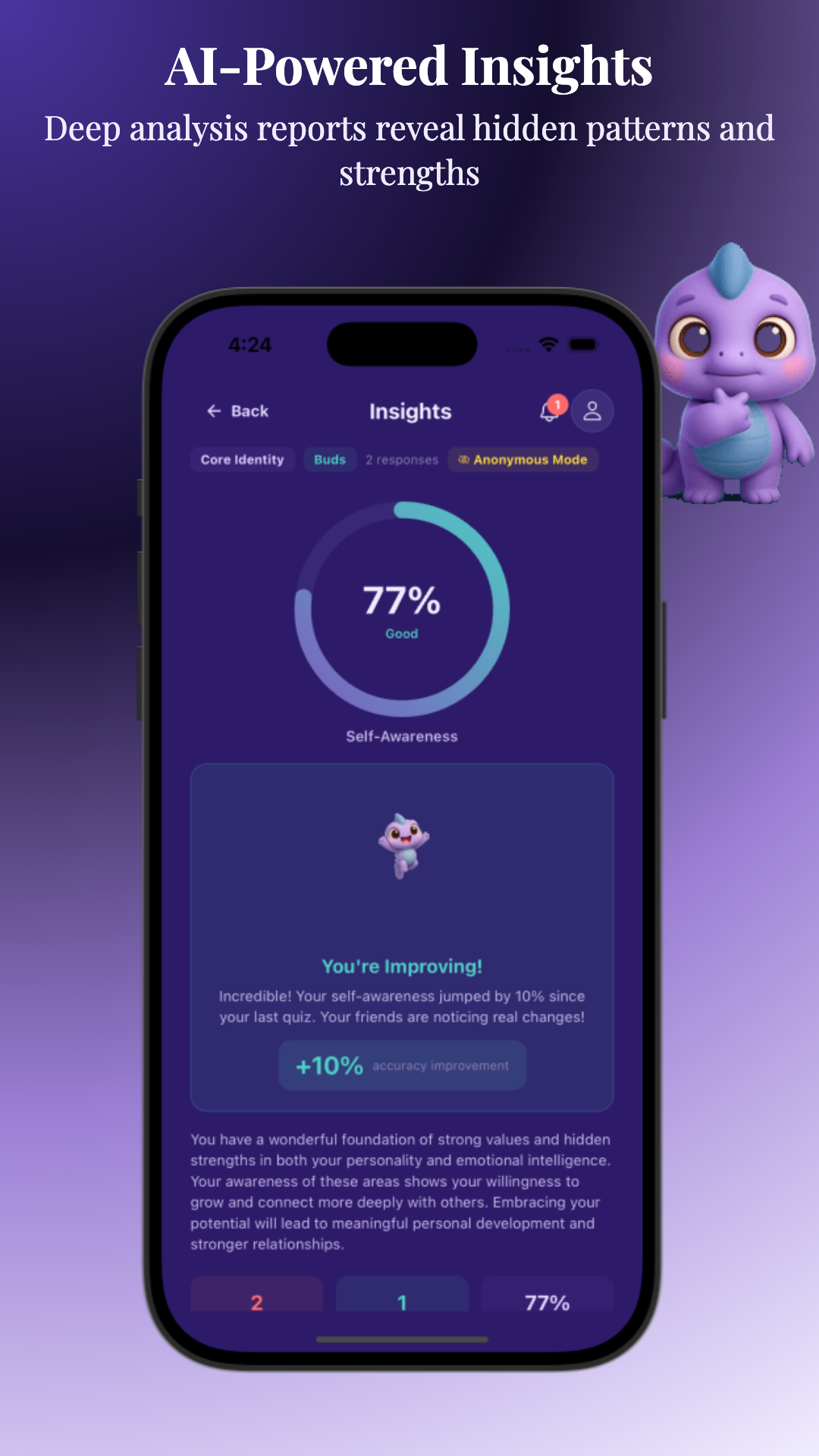
Apps like Blindspot let you see how your friends view you, helping you discover strengths, weaknesses, and the gap between self-image and reality. This insight makes it easier to address jealousy with empathy and honesty.
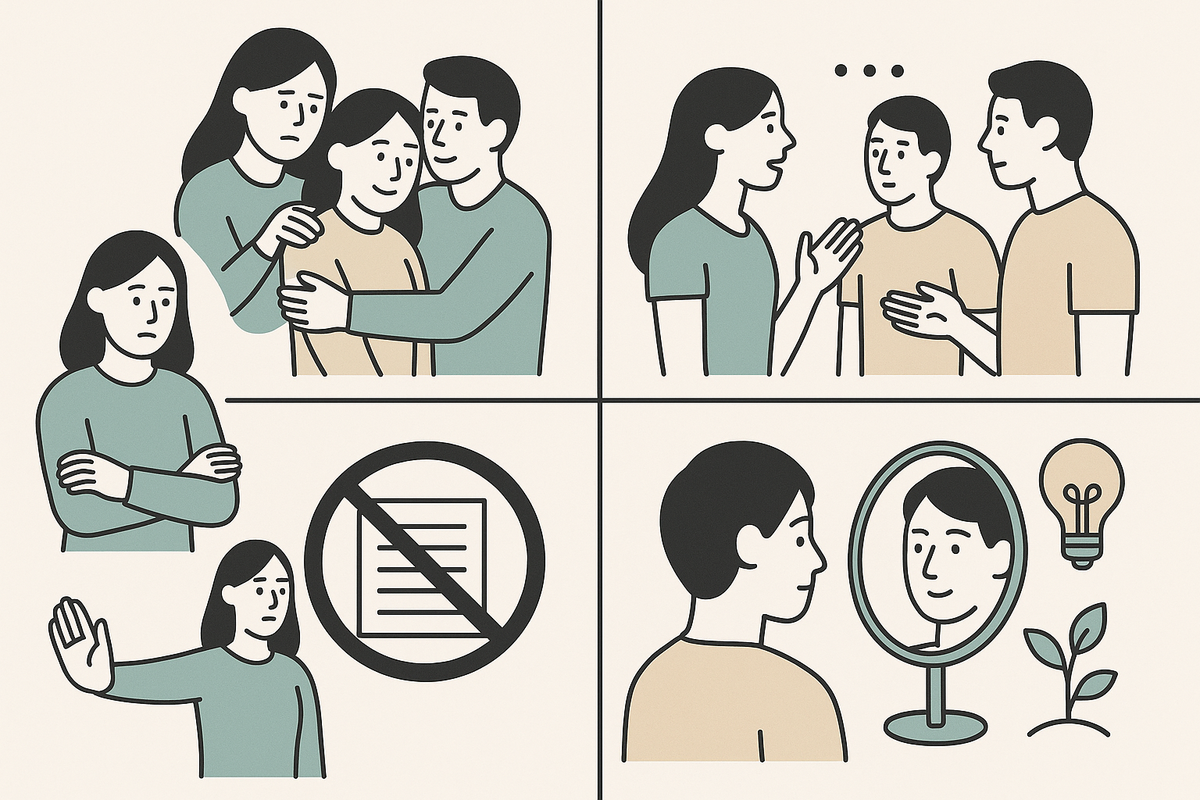
Step 4: Communicate Openly and Honestly
Address jealousy head-on with calm, honest communication. Avoid accusations or blaming. Instead, use "I" statements and ask for an open conversation:
- "I’ve noticed I feel left out sometimes when you make plans without me. Can we talk about it?"
- "I’ve been struggling with feeling overlooked, and I want to understand if I’m misreading things."
- "I value our friendship and want to make sure we’re both feeling supported."
If you suspect a friend is jealous of you, invite them to share their feelings without judgment. Sometimes, simply being heard can diffuse tension and strengthen your bond.
For more on effective self-reflection and feedback, explore how honest feedback builds self-awareness.
Step 5: Respond with Empathy and Reassurance
When jealousy surfaces, resist the urge to defend, compete, or dismiss your friend’s emotions. Instead:
- Validate their experience: "I can see why you’d feel that way."
- Reassure them of your appreciation and commitment to the friendship
- Avoid gloating or minimizing their feelings
- Celebrate each other’s wins, even if you feel envious
Empathy builds trust and helps both parties feel valued—key signs of a good friend. If competition or negativity persists, reassess the friendship’s health.
Learn more about personality blind spots and how they impact relationships.
Step 6: Set Healthy Boundaries
Healthy boundaries protect your energy and prevent jealousy from escalating. Boundaries to consider:
- Limit how much you share about achievements if it triggers comparison
- Balance your time between different friends or friend groups
- Say no to competitive or toxic behaviors
- Communicate limits clearly and kindly
If jealousy turns to persistent negativity, gossip, or undermining (clear signs of a bad friend), distance may be necessary. Your well-being comes first.
Step 7: Rebuild Self-Esteem and Focus on Personal Growth
Jealousy often points to areas where self-esteem needs a boost. Instead of dwelling on comparison, focus on your own journey:
- Set personal goals unrelated to your friend’s achievements
- Practice gratitude for your strengths and progress
- Seek feedback that helps you grow—try the What My Friends Think of Me Quiz for honest insights
- Invest in hobbies, skills, and connections outside your friend group
If you wonder "why do I have few friends?" or feel stuck in negative patterns, growing your self-awareness can open doors to new, healthier relationships. Discover how to become more self-aware and confident.
Step 8: Strengthen the Friendship (If It's Healthy)
Not all jealousy is destructive—sometimes it’s a sign you care. To turn jealousy into growth:
- Check-in regularly: "How are we doing as friends?"
- Celebrate each other’s successes (big and small)
- Plan quality time together, focusing on shared interests
- Express appreciation for each other's unique qualities—what your friends say about you matters
Healthy group dynamics rely on trust, support, and honest feedback. If your friend group feels competitive or exclusive, discuss ways to foster a more inclusive, positive environment.
Step 9: Know When to Move On or Seek Support
If jealousy is constant, toxic, or damaging your well-being, it may be time to reconsider the friendship. Signs it’s time to move on include:
- Persistent negativity, competition, or sabotage
- Feeling drained, anxious, or unsupported after interactions
- No willingness to communicate or change
In some cases, professional support or therapy can help if jealousy is overwhelming or affecting multiple relationships. Remember, a good friend supports your growth—don’t settle for less.
Tips & Common Mistakes
- Avoid bottling up jealousy—it will only grow and fester
- Don’t assume your perception is always accurate; seek honest feedback with tools like Blindspot
- Watch for signs of a bad friend (gossip, undermining, chronic negativity)
- Don’t try to "fix" your friend; focus on your response and boundaries
- Remember: jealousy is human, but it doesn’t have to define your friendships
Conclusion
Learning how to deal with friendship jealousy is a journey in self-awareness, empathy, and healthy communication. By recognizing the signs, understanding what triggers jealousy, and responding with compassion, you can strengthen your relationships and grow as a person. Tools like Blindspot make it easier to see yourself as others do—bridging the gap between perception and reality. Remember, the strongest friendships are built on trust, celebration, and honest feedback. If you’re ready to discover your own blind spots, give Blindspot a try today.
FAQ
- How do you deal with jealousy in a friendship?
Start by recognizing your feelings, reflect on the root causes, communicate openly with your friend, and set healthy boundaries. Focus on self-awareness, empathy, and personal growth. If jealousy persists or turns toxic, consider distancing yourself. - How do you talk to a jealous friend without making things worse?
Use "I" statements, avoid blaming, and invite honest conversation: “I’ve noticed some tension—can we talk about it?” Listen without judgment, validate their feelings, and reassure them of your appreciation and commitment to the friendship. - What causes jealousy between friends?
Common causes include insecurity, comparison, fear of exclusion, low self-esteem, and competitive friend group dynamics. Sometimes, personal issues or unresolved past experiences can also play a role. - How do I stop being jealous of my friend?
Build your self-esteem by focusing on your own goals, practice gratitude, and seek honest feedback to address blind spots. Use journaling and self-discovery tools to better understand your triggers and celebrate your unique strengths. - When should you set boundaries with a jealous friend?
Set boundaries if jealousy leads to negativity, competition, undermining, or if it affects your well-being. Communicate your limits kindly and clearly, and distance yourself if the behavior doesn't change. - Can jealousy ruin a friendship, and how do you know when it is time to move on?
Yes, persistent jealousy can damage or end a friendship, especially if it turns toxic or is left unaddressed. If attempts at open communication and empathy don’t help, and you feel drained or unsupported, it may be time to move on or seek support.