
How to Deal with Friends Who Never Listen: A How-To Guide
Learn how to deal with friends who never listen. Spot signs of bad friends, improve group dynamics, set boundaries, and grow self-awareness with Blindspot.


Estimated reading time: 10 min
Key Takeaways
- Spot the signs of a one-sided friendship where you don’t feel heard.
- Use calm, clear communication to address listening issues.
- Set healthy boundaries to protect your time and energy.
- Model good listening and ask for your friend’s perspective.
- Know when it’s time to step back or seek support.
Wondering how to deal with friends who never listen? You’re not alone. Many people struggle with friends who dominate conversations, change the subject, or seem distracted when you speak. Learning to navigate these situations can help you spot signs of a bad friend, set boundaries, and improve your overall friend group dynamics. In this guide, you’ll discover practical steps to address this issue, plus how apps like Blindspot can help you uncover what your friends say about you and grow in self-awareness.
Step 1: Recognize the Signs of a Friend Who Never Listens
The first step is to identify the behaviors that make you feel unheard. Sometimes, these are obvious, but other times, they’re subtle and can be confused with normal conversation patterns. Here’s what to watch for:
- Your friend talks over you or interrupts often.
- They frequently change the topic back to themselves.
- Your feelings or stories are dismissed, minimized, or ignored.
- They seem distracted—checking their phone or scanning the room.
- After conversations, you feel drained or invisible.
While everyone zones out occasionally, a consistent pattern of these behaviors is a classic sign of a bad friend. On the flip side, signs of a good friend include active listening, asking you thoughtful questions, and remembering details you’ve shared.
Step 2: Reflect on Your Own Role and Friendship Dynamics
Before confronting your friend, pause and consider the bigger picture. Could group dynamics be shaping your interactions? Are you both equally invested in the friendship? Tools like the Johari Window Test can help you reflect on your communication style and blind spots (learn more here).
- Ask yourself: Do I give my friend space to talk?
- Have I ever brought up these concerns before?
- Is my friend going through something that could impact their attention?
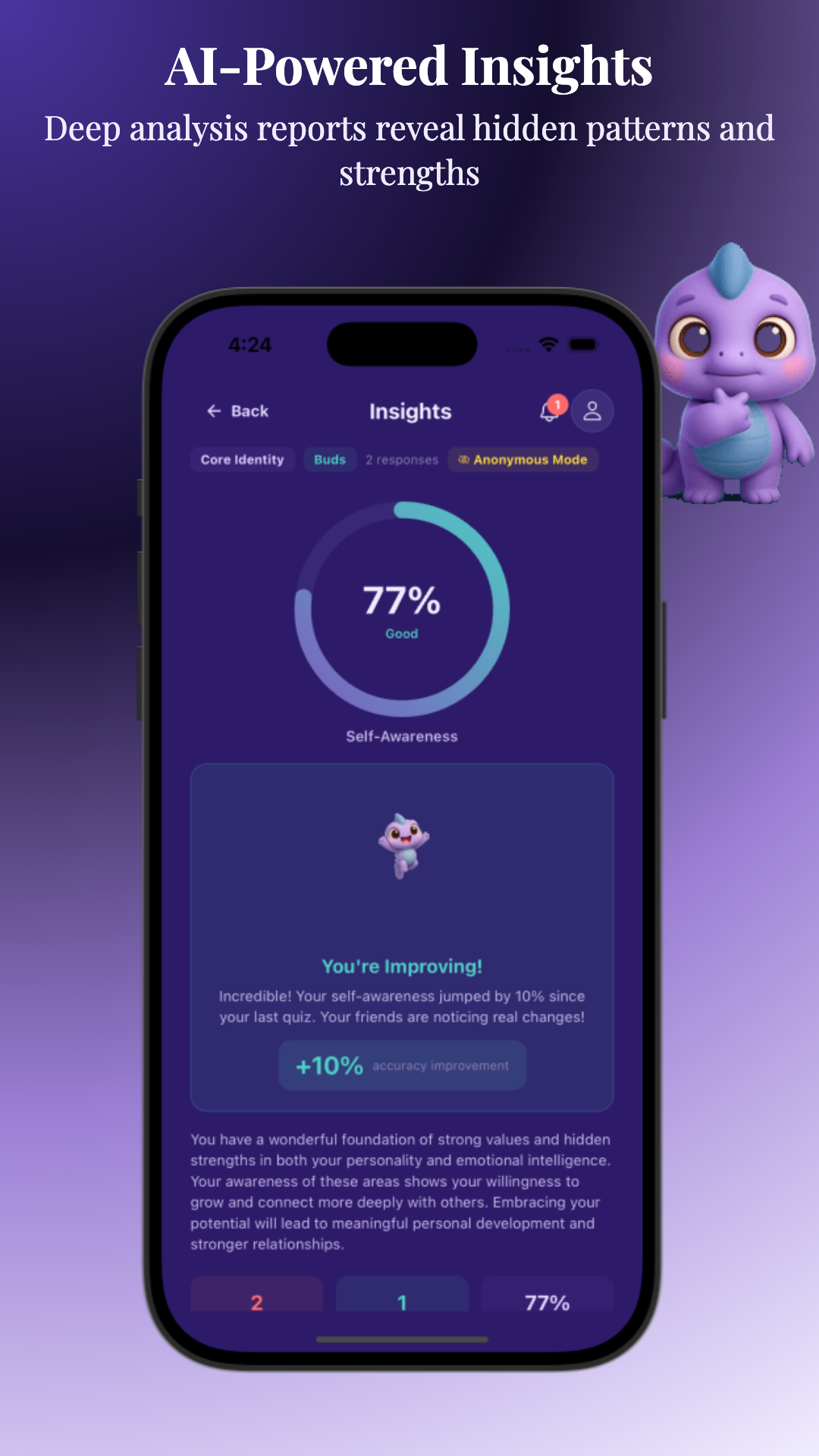
Sometimes, what your friends say about you can reveal patterns you haven’t noticed, especially in group settings. Apps like Blindspot let you anonymously gather friend feedback, making it easier to spot these blind spots and improve how you show up in your group.
Step 3: Choose the Right Moment for a Private Conversation
Addressing the issue directly is often the healthiest approach—but timing matters. Don’t bring it up in the heat of frustration, in front of others, or when your friend is distracted. Instead:
- Pick a quiet, private time to chat—maybe during a walk or over coffee.
- Make sure you both have time and aren’t rushing elsewhere.
- Start with a positive comment to set a collaborative tone.
Avoid texting or messaging about sensitive issues. Tone can be misunderstood, and it’s much harder to resolve conflict without face-to-face cues.
Step 4: Use “I” Statements to Share How You Feel
To prevent defensiveness, use “I” statements instead of accusations. This focuses on your feelings and experiences, not their flaws.
- Try: “I feel ignored when I’m sharing something important and you check your phone.”
- Or: “I sometimes feel like I’m not being heard when our conversations always shift back to your stories.”
- Explain why it matters: “It makes me feel like my thoughts aren’t valued.”
Avoid blaming language, sarcasm, or generalizations like “You never listen.” The goal is to invite understanding, not to escalate the conflict.
Step 5: Ask for Their Perspective and Clarify Intentions
Good communication is a two-way street. After sharing your feelings, invite your friend to share theirs. Sometimes, people don’t realize their habits or might be dealing with stress, anxiety, or distractions.
- Ask: “Have you noticed this too?”
- Or: “Is there something on your mind that’s making it hard to focus?”
- Listen actively to their response without interrupting.
This step can reveal whether your friend is just temporarily distracted or if there’s a deeper issue in the friendship dynamic. For more insight on self-awareness and feedback, check out this guide.
Step 6: Set Boundaries Around Your Time and Attention
If you’ve shared your concerns and the behavior continues, it’s important to set boundaries. This not only protects your well-being, but it also models healthy friendship habits.
- Let your friend know you need conversations to be more balanced.
- Politely redirect the conversation if interrupted: “I’d like to finish my thought first.”
- Limit time spent with friends who drain your energy or ignore your needs.
You can also set boundaries around phone use—such as agreeing to put phones away during important conversations.
Step 7: Model Better Listening and Group Dynamics
Sometimes, demonstrating good listening skills can encourage your friend to reciprocate. This is especially powerful in group dynamics, where roles can become entrenched.
- Show genuine curiosity by asking follow-up questions.
- Paraphrase what your friend says to show you’re engaged.
- Give your full attention and avoid distractions yourself.
Being a better friend yourself can shift the dynamic over time. If you’re wondering, “Why do I have few friends?” or want to improve your skills, explore these self-awareness strategies.
Step 8: Decide When to Limit Contact or Walk Away
If your friend continually ignores your boundaries and doesn’t change their behavior, it may be time to reconsider the friendship. Not every friendship is meant to last forever, and it’s okay to step back for your own mental health.
- Limit contact or downgrade the friend’s role in your life if interactions are consistently negative.
- Invest more energy in friends who listen, support, and value you.
- If the situation is affecting your self-esteem or mood, reach out to a counselor or another supportive person.
Your time and attention are valuable. Surround yourself with people who respect and reciprocate your efforts.
Tips & Common Mistakes
- Don’t bottle up frustration. Address issues early before resentment builds.
- Avoid public confrontations. Always talk privately to prevent embarrassment.
- Don’t criticize or mock. Sarcasm or harsh words can escalate the situation.
- Be patient, but watch for patterns. Occasional distraction is normal; persistent ignoring isn’t.
- Use tools for honest feedback. Try the What My Friends Think of Me Quiz to understand your friendship style.
Conclusion
Learning how to deal with friends who never listen can be challenging, but it’s an important step in building healthier, more balanced relationships. Recognizing the signs, communicating calmly, setting boundaries, and modeling good listening are all key skills. If you’re curious about how your friends see you—or want to improve your self-awareness—consider trying Blindspot for anonymous feedback and insights. Remember: you deserve friends who value, respect, and truly listen to you.
FAQ
- Why does my friend never listen to me?
Some friends aren’t self-aware or may be absorbed in their own problems. Group dynamics, stress, or personality differences can also play a role. Sometimes, it’s a pattern of disrespect or a sign of a bad friend. Honest feedback and self-reflection can help clarify the cause. - How do I tell a friend they are not listening without starting a fight?
Use "I" statements (e.g., "I feel unheard when...") and approach the topic privately and calmly. Avoid blaming, sarcasm, or generalizations. Invite them to share their perspective and focus on solutions, not accusations. - What do you do when a friend always changes the subject to themselves?
Gently point it out using specific examples ("I noticed our conversations often shift to your experiences"). Set boundaries by asking for space to finish your thoughts. Redirect politely if they interrupt. - Should I stop being friends with someone who never listens?
If you’ve communicated your needs and there’s no change, it’s okay to limit contact or step back. Healthy friendships are built on mutual respect and support. Prioritize relationships that make you feel heard and valued. - How do I set boundaries with a friend who interrupts me all the time?
Politely say, "I'd like to finish my thought," or agree to ground rules for conversations (like no interruptions). Limit time spent with people who consistently ignore your boundaries. - How do I know if my friend is just distracted or actually disrespectful?
Occasional distraction is normal, but if your friend never listens even after you raise the issue, it may be a sign of disrespect. Consider patterns over time and trust your feelings. Feedback from others or anonymous tools like Blindspot can provide clarity.