
Halo Effect: How First Impressions Shape Perception and Success
Discover the halo effect in psychology, marketing, and SEO. Learn how first impressions shape perception, conversion, and brand reputation—with real examples.


Estimated reading time: 15 min
Key Takeaways
- The halo effect is a cognitive bias where a positive first impression influences later judgments.
- It impacts SEO, conversion rates, branding, and even product rankings on platforms like Amazon.
- Understanding first impression bias can help you improve marketing, web UX, and personal relationships.
- Negative halo effect (horns effect) can harm brands and reputations if not managed.
- Measuring and leveraging the halo effect can increase trust, loyalty, and conversions.
Table of Contents
- Section 1: What Is the Halo Effect?
- Section 2: The Psychology of First Impressions and Bias
- Section 3: Halo Effect in SEO and Topical Authority
- Section 4: Conversion Rate Optimization, Web UX, and the Halo Effect
- Section 5: Halo Effect in Amazon SEO, Product Rankings, and Paid Media
- Section 6: Brand Loyalty, Market Perception, and the Horns Effect
- Section 7: Real-World Examples and Measurement Strategies
- Section 8: Halo Effect vs. Umbrella and Keyword Association Effects
- Conclusion
- FAQ
Section 1: What Is the Halo Effect?
Defining the Halo Effect
The halo effect is a well-documented cognitive bias where our overall impression of a person, brand, or product influences how we perceive their individual traits. First described by psychologist Edward Thorndike in 1920, the halo effect explains why we often judge people and things based on first impressions—sometimes unconsciously. In essence, if we see one positive attribute (like attractiveness, authority, or high ratings), we tend to assume other positive qualities are present, even without evidence.
- First impression bias is a core part of the halo effect.
- This bias impacts everyday decisions, from hiring to dating and purchasing products.
- It's a shortcut our brains use to make sense of limited information quickly.
Why Do People Judge on Looks?
Our brains are wired for efficiency. When meeting someone new or browsing products, we rely on visible cues—like appearance, design, or ratings—to form an initial opinion. This is why questions like "why do people judge on looks?" have a scientific basis: attractive or well-presented things trigger positive associations that spill over onto unrelated traits (intelligence, trustworthiness, etc.).
Halo Effect Examples in Life and Business
- A well-dressed job candidate is assumed to be more competent.
- A website with a sleek design is judged as more credible and trustworthy.
- Celebrity endorsements lead us to believe the product is superior.
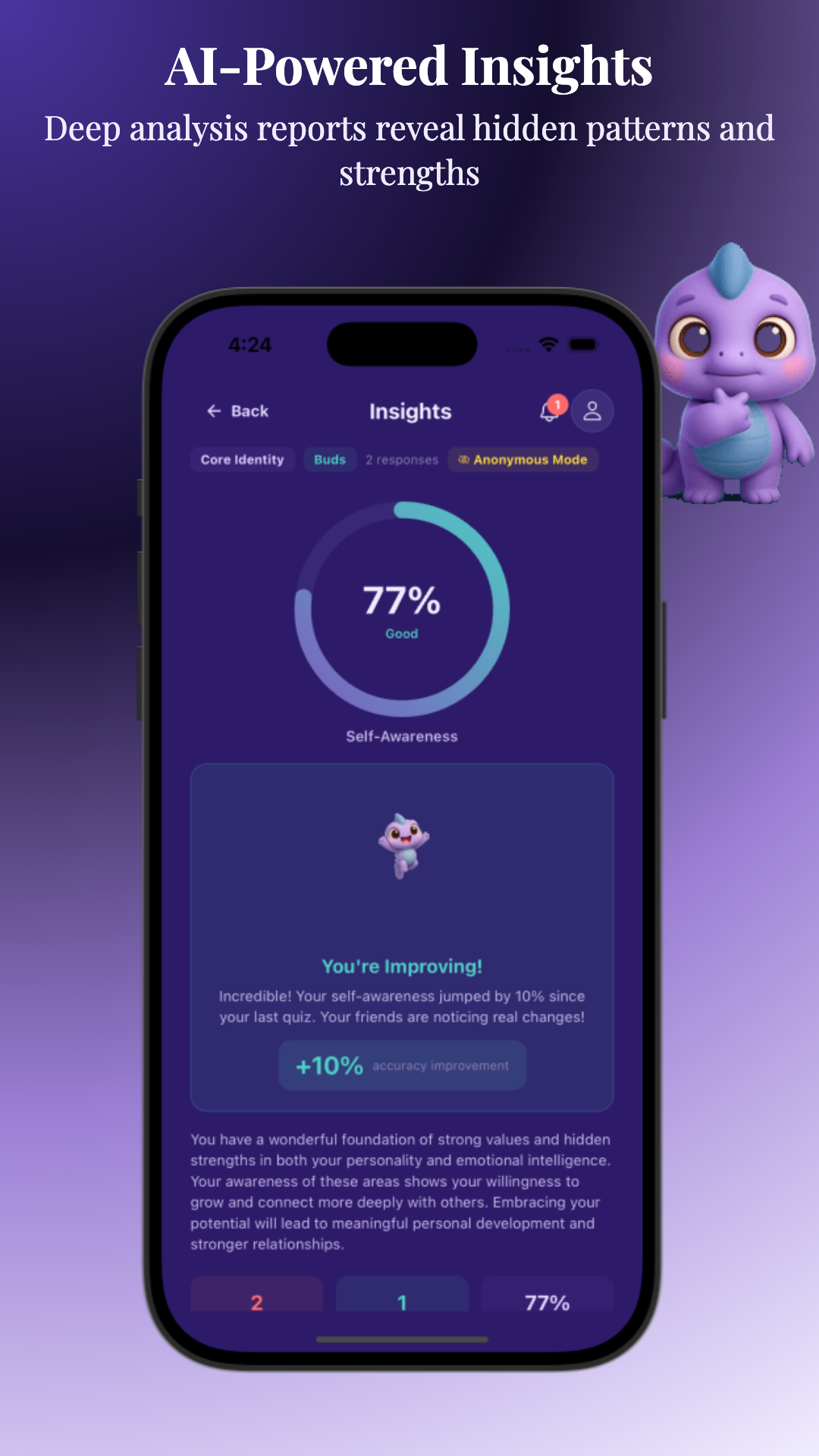
Apps like Blindspot help reveal how the halo effect operates in our relationships, showing the gap between self-perception and others’ impressions—a crucial step toward self-awareness.
Section 2: The Psychology of First Impressions and Bias
How First Impressions Form
First impressions are shaped within seconds—some studies suggest as little as 1/10th of a second. The initial details we notice (facial expressions, clothing, website layout) create a lasting impact that colors all future interactions. This is the essence of first impression bias.
- Visual and behavioral cues trigger assumptions.
- Positive first impressions can override later negative information.
- The effect is powerful in social settings, hiring, and even online reviews.
The Cognitive Mechanics Behind the Halo Effect
The halo effect is an example of a heuristic—a mental shortcut. It saves cognitive energy but can lead to inaccurate or unfair judgments. For instance, if someone is physically attractive, we may also believe they're more intelligent or kind, even without evidence (a classic halo effect example).
Why the Halo Effect Persists
Once a first impression is formed, confirmation bias kicks in. We look for evidence that supports our initial view and ignore conflicting data. This is why it can be so hard to change someone's mind after a single encounter or a website visit.
- Blind spots in self-perception arise when others see us differently due to these biases.
- Anonymous feedback tools, like those explored in the What My Friends Think of Me Quiz, can help uncover these perception gaps.
Section 3: Halo Effect in SEO and Topical Authority
Halo Effect and Website Rankings
In the digital world, the halo effect goes beyond psychology—it's a strategic tool for SEO (search engine optimization). When a website is perceived as authoritative or high-quality (through design, content, or backlinks), search engines and users are more likely to trust and rank its pages higher. This is why a single piece of exceptional content can improve the rankings of other, related pages—a classic halo effect in SEO.
- High-quality "pillar" content boosts the perceived value of the entire site.
- Strong internal linking creates topical authority, further leveraging the halo effect.
- Positive user engagement metrics (low bounce rate, high time-on-site) reinforce trust signals to search engines.
Topical Authority and the Halo Effect
When Google recognizes a site as an expert in a particular field, it often ranks even new content higher. This "authority halo" is built over time through consistent, in-depth coverage of subjects. For example, a site with authoritative guides on self-awareness—like those exploring the Johari Window Test—can see rising rankings for related terms.
First Impressions in Search Results
- Meta titles, descriptions, and featured images set user expectations.
- Positive reviews and ratings trigger the halo effect for click-through rates (CTR).
Combining these elements ensures a positive first impression—amplifying both user trust and SEO performance.
Section 4: Conversion Rate Optimization, Web UX, and the Halo Effect
How the Halo Effect Drives Conversions
Conversion rate optimization (CRO) relies heavily on first impressions. A visitor's initial reaction to your landing page, product photo, or testimonial can determine whether they convert or bounce. The halo effect amplifies the impact of positive cues—one excellent review or a professional design can boost perceived trustworthiness across your site.
- Eye-catching, trustworthy elements (badges, testimonials) trigger positive associations.
- Consistency in design and messaging reinforces the halo effect.
- Minor improvements in first impressions can lead to significant conversion lifts.
Web UX Best Practices That Leverage the Halo Effect
Web user experience (UX) is shaped by small but powerful signals:
- Fast load times and mobile optimization create a "quality halo."
- Clear, attractive calls-to-action (CTAs) increase user confidence.
- Professional imagery and consistent branding influence how users perceive your entire business.
Reducing Negative Halo (Horns Effect) in UX
The "horns effect"—where one negative trait influences all judgments—can sink conversions. A single broken link or outdated design element may taint the whole user experience. Routinely testing your site with tools like Blindspot or anonymous feedback features can help you spot and fix these issues before they hurt your reputation.
Section 5: Halo Effect in Amazon SEO, Product Rankings, and Paid Media
Amazon and Product Review Bias
On platforms like Amazon, the halo effect can make or break a product. Shoppers often judge items based on the number of positive reviews or a high star rating. Once a product has a strong reputation, it enjoys higher click-through rates and sales—even if some aspects are untested by the buyer.
- Products with 4.5+ stars attract more attention and sales.
- Review quantity and quality can create a "review halo," benefiting new variations or related products in a brand's catalog.
- Early negative reviews can trigger the horns effect, making recovery difficult.
Paid Media and Organic Growth
Running paid ads (Google Ads, sponsored posts) can create a halo effect that boosts organic search rankings. Increased visibility and clicks from ads can lead to more branded searches, links, and reviews—all of which reinforce SEO and market trust.
- Integrated campaigns amplify both paid and organic results.
- Brand awareness from paid media spills over into organic performance.
Optimizing Product Listings for the Halo Effect
- Invest in premium images and compelling copy to create a strong first impression.
- Encourage early reviews from verified buyers to set a positive tone.
Understanding these dynamics helps sellers and marketers harness the halo effect for sustainable growth.
Section 6: Brand Loyalty, Market Perception, and the Horns Effect
How the Halo Effect Builds Brand Loyalty
When customers perceive a brand positively, they're more likely to forgive mistakes, try new products, and remain loyal. The halo effect is a major driver of brand equity and market share. For example, Apple's reputation for innovation and quality extends to every new device they launch—regardless of the actual specs or reviews.
- Loyalty programs and consistent messaging reinforce the positive halo.
- Word-of-mouth and influencer advocacy magnify the effect.
Negative Halo: The Horns Effect in Branding
Just as the halo effect can boost a brand, the "horns effect" (negative halo effect) can have the opposite impact. One high-profile failure or scandal can damage perceptions across all products and services. This is why crisis management and reputation monitoring are critical for brands in the digital age.
- Negative reviews or PR incidents can taint otherwise strong brands.
- Active listening and rapid response help mitigate the horns effect.
Market Perception and Competitive Advantage
Companies that manage first impressions and ongoing customer experiences well enjoy a lasting competitive edge. Regularly gathering honest feedback, as discussed in How Friends Shape Our Self-Image: The Hidden Impact, can help organizations spot blind spots in their brand perception and improve proactively.
Section 7: Real-World Examples and Measurement Strategies
Classic Halo Effect Examples in Marketing and Business
- Influencer Marketing: Brands leverage the trust and appeal of influencers to transfer positive associations to their products.
- UX Design: Websites with premium design are perceived as more reliable, even before users interact with the content.
- Corporate Reputation: Companies with a history of social responsibility enjoy a positive halo even during minor setbacks.
Measuring the Halo Effect
While the halo effect is psychological, it can be tracked using both qualitative and quantitative methods:
- Analyze conversion rates before and after changes to design or content.
- Monitor customer reviews and sentiment trends across platforms.
- Use feedback tools and surveys to spot shifts in perception.
Leveraging the Halo Effect for Growth
- Highlight flagship products or testimonials to create a positive association for the whole brand.
- Invest in quality "touchpoints"—from packaging to customer support.
- Actively address and resolve negative experiences to prevent the horns effect.
Section 8: Halo Effect vs. Umbrella and Keyword Association Effects
Understanding the Differences
The halo effect is often confused with other, related phenomena in psychology and marketing. Let's clarify the distinctions:
- Halo Effect: One positive trait drives overall favorable impressions (e.g., attractive design suggests high quality).
- Umbrella Effect: The reputation or success of a "parent" brand protects or elevates sub-brands and products (e.g., Disney movies benefit from the Disney brand).
- Keyword Association Effect: In SEO, high performance for a key term can lift rankings for closely related terms, due to perceived topical authority.
How Each Affects Perception and Rankings
While these effects are interconnected, the halo effect is uniquely about the power of first impressions and cognitive bias. The umbrella effect is more about brand architecture and strategic brand management. Keyword association is an algorithmic effect in search optimization, often amplified by the halo effect of authoritative content.
Practical Applications
- Use the halo effect to boost new product launches with strong branding and early positive reviews.
- Leverage umbrella branding to introduce new categories confidently.
- Optimize content for related keywords to benefit from association effects in SEO.
Conclusion
The halo effect shapes how we see people, brands, and products—often before we realize it. In an age where first impressions are made in seconds (and often online), understanding and leveraging this bias is critical for personal growth, business success, and digital strategy. Whether you're optimizing your website, launching a product on Amazon, or improving self-awareness, recognizing the power of the halo effect—and guarding against its negative twin, the horns effect—can give you a tangible advantage.
Want to see how others perceive you versus how you see yourself? Try Blindspot to uncover your social blind spots and start your journey to deeper self-awareness.
FAQ
Q: What is the halo effect in SEO and how does it improve rankings?
A: The halo effect in SEO refers to how positive signals—like authoritative content, strong backlinks, or high engagement—can lift the perceived quality of an entire website. This often leads to improved rankings for related pages, as search engines associate the site's overall authority with its new or less-established content.
Q: How does the halo effect work as a cognitive bias in psychology?
A: As a cognitive bias, the halo effect means that a favorable impression in one area (such as appearance or demeanor) unconsciously influences our judgment of other traits (like intelligence or trustworthiness). This bias shapes first impressions and can persist even when later evidence contradicts the initial perception.
Q: Can the halo effect have a negative impact on brand perception?
A: Yes. If a brand makes a poor first impression or experiences a high-profile failure, the negative halo (horns effect) can color perceptions of all its products or services, even unrelated ones. This can damage reputation, trust, and sales.
Q: What is the difference between halo effect and horns effect?
A: The halo effect involves positive bias—where one good trait leads people to assume others are good. The horns effect is the opposite: one negative trait or incident causes people to make broad negative judgments, often unfairly.
Q: How can businesses use the halo effect to boost conversions?
A: Businesses can leverage the halo effect by focusing on premium design, collecting and showcasing positive reviews, and highlighting standout products or testimonials. These positive signals can increase trust and encourage conversions across the entire site or brand.
Q: Does the halo effect apply to Amazon product rankings?
A: Absolutely. On Amazon, products with high ratings and positive reviews benefit from the halo effect, attracting more clicks and purchases. This improved performance can even help related products in a brand's portfolio rise in rankings.