
Psychological Projection: Definition, Examples & How to Recognize It
Discover what psychological projection is, real-life examples, types, and how to recognize and address projection in yourself and others.


Estimated reading time: 15 min
Key Takeaways
- Psychological projection is a defense mechanism where we attribute our own feelings or traits to others.
- Understanding projection helps us recognize blind spots in our self-perception and improve relationships.
- Projection can appear in many forms: jealousy, anger, manipulation, and more.
- Recognizing projection requires self-reflection, feedback, and sometimes therapeutic support.
- Tools like Blindspot and self-awareness quizzes can reveal discrepancies between how we see ourselves and how others see us.
Table of Contents
- Section 1: What Is Psychological Projection?
- Section 2: Freudian Origins and Theoretical Foundations
- Section 3: Real-Life Projection Examples in Relationships
- Section 4: Types of Psychological Projection
- Section 5: Projection in Personality Disorders and Social Contexts
- Section 6: Recognizing & Addressing Projection in Yourself
- Section 7: Therapeutic Approaches and Projective Tests
- Section 8: Health, Relationships, and the Value of Self-Awareness
- Conclusion
- FAQ
Section 1: What Is Psychological Projection?
Definition and Core Mechanism
Psychological projection, sometimes simply called projection in psychology, is a defense mechanism where individuals unconsciously attribute their own unacceptable feelings, thoughts, or motives to another person. Instead of acknowledging what’s happening inside, we “project” these parts onto others—often without realizing it.
- If you’re wondering, what is projection in psychology?—it’s essentially a way our minds protect us from things we find hard to accept about ourselves.
- For example, someone who is angry may accuse others of being hostile; a dishonest person might suspect others of lying.
Why Does Projection Happen?
Projection is rooted in our need to defend our self-image. When a thought or emotion is uncomfortable or threatens our sense of self, we push it outward. This is often unconscious and automatic, making it difficult to recognize without deliberate self-reflection.
Projection and How We Perceive Others
Projection powerfully shapes how we perceive others. It can distort reality, making us see things in people that are actually reflections of ourselves. This mechanism is foundational in understanding perception biases—and is a key reason why there can be a gap between our self-perception and how others see us.
To start uncovering your own blind spots, tools like Blindspot let friends share anonymous feedback, revealing patterns of projection and self-perception.
Section 2: Freudian Origins and Theoretical Foundations
Freud’s Theory of Projection
The concept of psychological projection was first formalized by Sigmund Freud in the late 19th century. In Freudian psychoanalytic theory, projection is a defense mechanism that allows the ego to avoid anxiety by attributing unacceptable impulses or feelings to someone else.
- Freud observed that patients often accused others of what they themselves struggled to accept.
- For example, someone with aggressive impulses might be convinced that others are hostile toward them.
Development in Later Theories
Post-Freudian psychologists expanded on the idea, identifying projection as one of several mechanisms (along with denial, repression, and displacement) the mind uses to handle internal conflict. Today, projection is recognized in both psychodynamic and cognitive-behavioral frameworks.
- Modern psychology also distinguishes psychological projection from related phenomena like transference and projective identification.
- Projection is now seen as both a defense and a way of organizing social perception.
Projection and the Johari Window
Tools like the Johari Window model help visualize the gap between how we see ourselves and how others see us, which often includes elements of projection. If you want a practical introduction, check out the Johari Window Test: A Powerful Tool for Self-Discovery.
Section 3: Real-Life Projection Examples in Relationships
Everyday Projection Examples
Understanding projection examples in daily life is crucial for recognizing when you or others might be projecting. Here are several common scenarios:
- Jealousy: A partner accuses the other of flirting, when in reality they struggle with their own feelings of attraction outside the relationship.
- Workplace Tension: An employee insists a colleague is competitive, not realizing they’re the ones feeling rivalry.
- Parental Projection: A parent pushes a child to succeed in areas where they themselves felt inadequate.
- Friendship: Someone accuses a friend of being judgmental, when they are struggling with their own critical thoughts.
Projection in Romantic Relationships
Projection often leads to misunderstandings and conflict in intimate relationships. One partner might say, “You never listen to me,” when in fact, they have difficulty listening themselves. Over time, these patterns can erode trust and intimacy.
Recognizing Patterns
When you find yourself repeatedly frustrated by a specific trait in others, it’s worth considering: Am I projecting? Honest feedback from friends—such as through blind spot quizzes—can illuminate patterns you might not see on your own.
Section 4: Types of Psychological Projection
Common Forms of Projection
Projection isn’t one-size-fits-all. It appears in various forms, depending on the emotion or trait involved. Here are the most common types:
- Jealousy Projection: Attributing your own envy to others, assuming they’re envious of you.
- Anger Projection: Denying your own anger while perceiving others as angry or hostile.
- Manipulation Projection: Suggesting that others are manipulative when you might be engaging in manipulative behavior yourself.
- Parental Projection: Imposing your own dreams or fears onto your children or loved ones.
Positive vs. Negative Projection
Projection can be negative (attributing unwanted traits) or positive (seeing our own strengths in others). For example, someone who is kind might assume everyone else is equally compassionate—which can lead to disappointment or naivety.
Social Projection vs. Psychological Projection
Social projection is related but distinct: it refers to the tendency to assume others share our beliefs, attitudes, or values. Unlike psychological projection, which is defensive, social projection helps us feel connected but can lead to groupthink or misunderstandings.
Section 5: Projection in Personality Disorders and Social Contexts
Projection in Personality Disorders
Certain personality disorders involve projection as a prominent feature. For example:
- Narcissistic Personality Disorder (NPD): Individuals may project feelings of inadequacy by accusing others of being inferior or critical.
- Borderline Personality Disorder (BPD): Projection can lead to misinterpreting others’ actions as hostile or rejecting.
- Paranoid Personality Disorder: Persistent suspicion and belief that others have malicious motives often stem from projecting one’s own hostile feelings.
Am I Projecting? Signs to Watch For
Wondering "am I projecting"? Ask yourself:
- Do I often accuse others of traits I dislike in myself?
- Do people’s feedback about me surprise or upset me?
- Are there recurring conflicts with similar themes?
Self-awareness tools and honest conversations can help clarify.
Projection in Group and Social Settings
Projection can also influence how we perceive others in social groups. For example, people may project their own insecurities onto an outsider, reinforcing group cohesion but also contributing to exclusion or bullying.
Section 6: Recognizing & Addressing Projection in Yourself
How to Tell If You’re Projecting
Recognizing projection is challenging because it’s unconscious by nature. Signs include:
- Frequent blame or criticism of others for traits you secretly worry about in yourself.
- Emotional reactions that feel disproportionate to the situation.
- Difficulty accepting feedback that doesn’t match your self-view.
Feedback and Self-Discovery Tools
One of the most effective ways to uncover projection is through honest feedback from others. Apps like Blindspot allow you to gather anonymous insights from friends, so you can compare your self-image with how others actually see you. This can reveal blind spots created by projection.
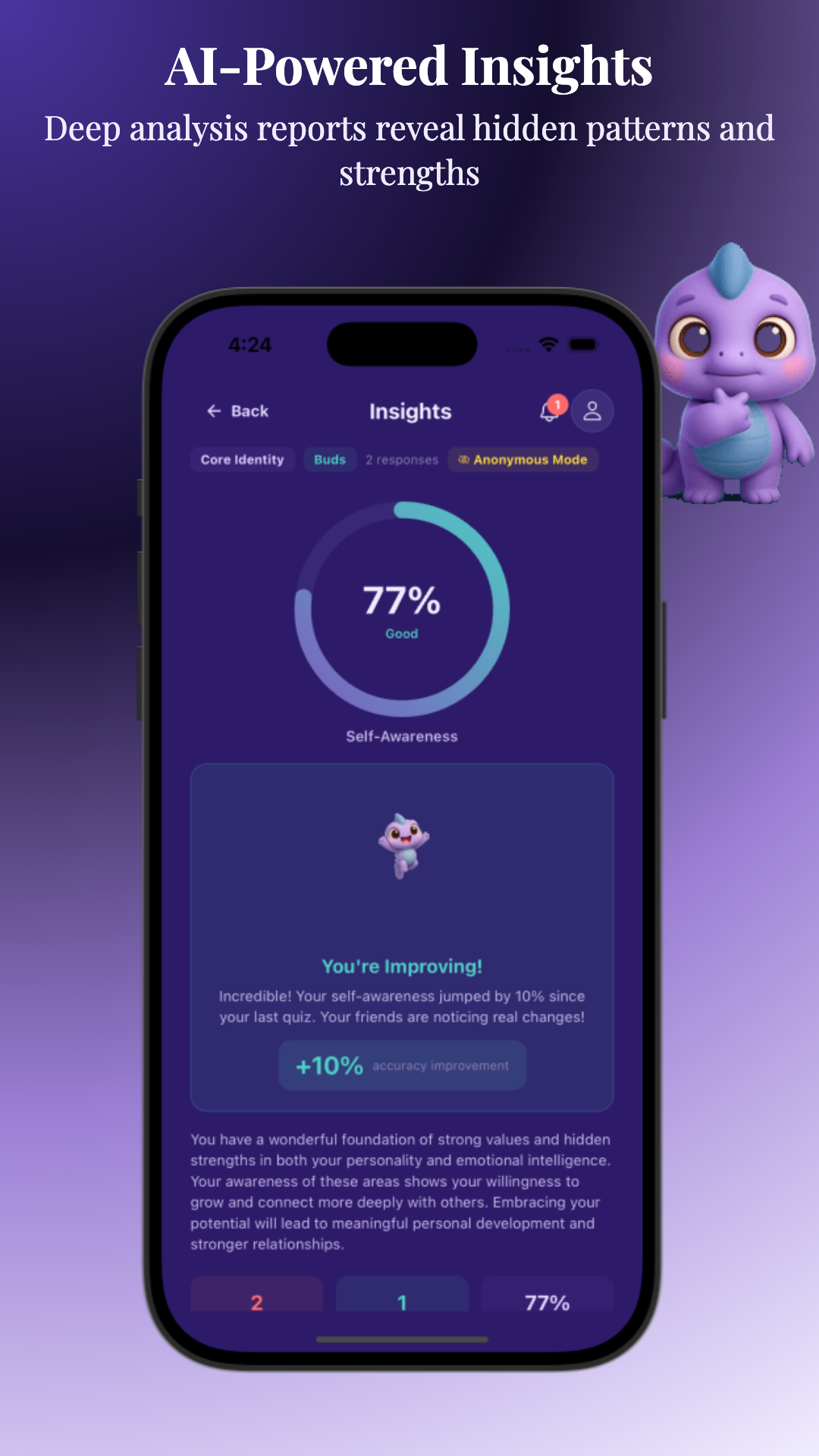
You might also try structured feedback experiences, such as those described in How to Get Honest Feedback from Friends: A Practical Guide or using the Free Question Generator to spark revealing conversations.
Self-Reflection Practices
Journaling, mindfulness, and regular self-check-ins can help you spot when you’re projecting. Ask yourself: "Is there a chance that what I'm seeing in others is actually something within me?" Over time, increased self-awareness reduces the power of projection.
Section 7: Therapeutic Approaches and Projective Tests
Therapies for Addressing Projection
Several therapeutic approaches are effective in reducing projection:
- Cognitive Behavioral Therapy (CBT): Helps identify distorted thinking patterns and replace them with realistic appraisals.
- Psychodynamic Therapy: Explores unconscious processes and early life experiences that fuel projection.
- Dialectical Behavior Therapy (DBT): Useful for those with intense emotions or personality disorders, teaching mindfulness and emotional regulation.
Therapy often involves learning to tolerate uncomfortable feelings, reducing the need for projection as a defense. As self-insight grows, so does empathy for others.
Projective Tests in Psychology
Projective tests like the Rorschach Inkblot Test and Thematic Apperception Test (TAT) are psychological tools designed to uncover unconscious processes—including projection. These tests ask individuals to interpret ambiguous images or stories, revealing underlying thoughts and emotions.
- While controversial and less common today, projective tests highlight the principle that we often see in the world what is inside ourselves.
Combining Feedback and Professional Help
Combining structured feedback (from friends or apps) with professional therapy can accelerate self-awareness and reduce projection. For more on uncovering social blind spots, see How to Uncover Your Social Blind Spots: Step-by-Step Guide.
Section 8: Health, Relationships, and the Value of Self-Awareness
Consequences of Unchecked Projection
Unchecked psychological projection can cause significant harm to both mental health and relationships:
- Interpersonal Conflict: Misunderstandings and blame cycles can strain friendships, work relationships, and romantic partnerships.
- Self-Deception: Avoiding uncomfortable truths about yourself can stall personal growth and lead to anxiety or depression.
- Loneliness: Projecting negative feelings onto others may push people away, reinforcing isolation.
Projection vs. Gaslighting
It’s important to distinguish projection from gaslighting. While projection is usually unconscious and self-protective, gaslighting is a deliberate attempt to manipulate someone’s perception of reality. Both can damage trust, but their motivations and mechanisms are different.
Unlocking Growth Through Feedback
Becoming aware of your projections is a vital step in self-improvement. When you know how we perceive others can be colored by our own issues, you can check your biases, take responsibility, and build healthier relationships. Apps like Blindspot, and exercises like the Why We See Ourselves Differently Than Others See Us guide, help illuminate these hidden dynamics.
By seeking feedback and reflecting on your reactions, you can bridge the gap between self-image and outside perception—leading to more authentic connections and personal growth.
Conclusion
Psychological projection is a universal human defense—a way our minds try to protect us from painful truths. But when left unchecked, projection can distort how we see others, damage relationships, and block self-growth. By learning what projection in psychology really means, recognizing projection examples in daily life, and seeking honest feedback, you can begin to see yourself (and others) more clearly.
Whether through self-reflection, therapy, or tools like Blindspot, uncovering these blind spots is the first step toward genuine self-awareness and healthier, more empathetic relationships.
FAQ
Q: What is psychological projection and how does it work?
A: Psychological projection is a defense mechanism where a person unconsciously attributes their own feelings, motives, or flaws to someone else. This helps protect their self-image from uncomfortable truths by 'projecting' inner experiences onto others.
Q: How can I tell if I am projecting my feelings onto someone else?
A: If you frequently blame others for traits or emotions you dislike in yourself, or if you react strongly to qualities in others you secretly worry about, you may be projecting. Honest feedback and self-reflection can help you recognize these patterns.
Q: What are common examples of psychological projection in relationships?
A: Common examples include accusing a partner of being unfaithful due to your own insecurities, blaming friends for being judgmental when you feel self-critical, or suspecting colleagues of rivalry when you feel competitive.
Q: Is projection a sign of a mental disorder or personality issue?
A: Projection is a normal defense mechanism, but it can be more frequent or severe in certain personality disorders, such as narcissistic, borderline, or paranoid personality disorder. Persistent projection may signal underlying issues worth exploring.
Q: What therapy helps stop psychological projection?
A: Therapies like cognitive behavioral therapy (CBT), psychodynamic therapy, and dialectical behavior therapy (DBT) can help you recognize and address projection by increasing self-awareness and emotional regulation.
Q: How does projection differ from gaslighting?
A: Projection is usually unconscious and self-protective, while gaslighting is a deliberate attempt to manipulate someone else's perception of reality. Both harm relationships, but gaslighting is intentional, whereas projection is often unintentional.