
How to Communicate Honestly with Friends: A Complete Howto Guide
Learn how to communicate honestly with friends while building trust, setting boundaries, and improving friendships with clear and kind conversations.


Estimated reading time: 12 min
Key Takeaways
- Honest communication is vital for strong, trusting friendships.
- Use clear, direct language and “I” statements to express yourself kindly.
- Choose the right time and tone for difficult conversations.
- Listening and validating your friend’s feelings strengthens bonds.
- Address tension early and set boundaries clearly to avoid misunderstandings.
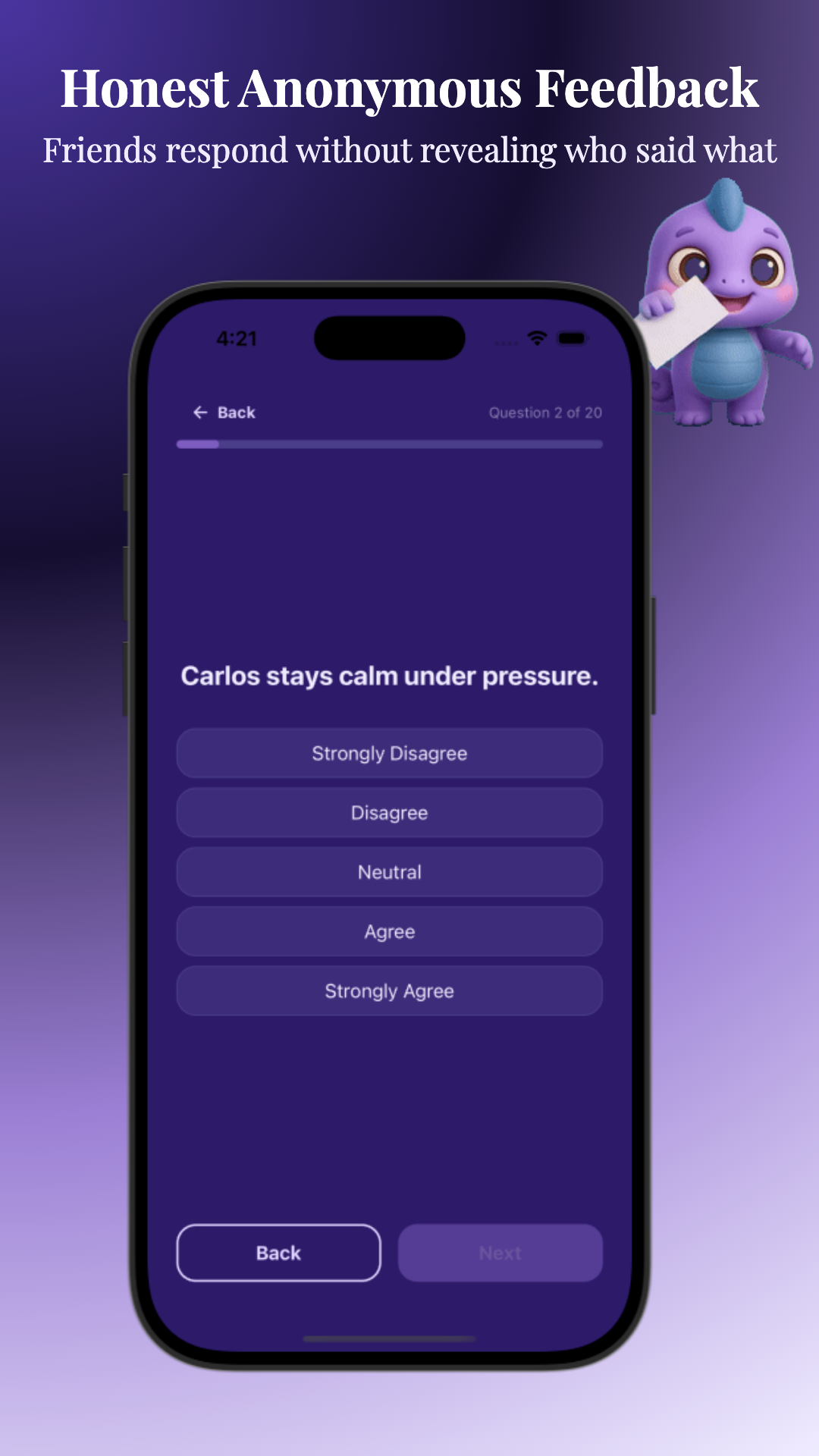
How to communicate honestly with friends is a foundational skill for nurturing meaningful, long-lasting friendships. Whether you want to understand what your friends really think of you or improve your friend group dynamics, honest conversations build trust and emotional safety. This guide will walk you through practical steps to be truthful without hurting feelings, recognize signs of good and bad friendships, and grow your self-awareness with tools like the Blindspot app — where friends anonymously reveal your blind spots and help you become a better friend and person.
Step 1: Understand the Importance of Honest Communication in Friendships
Honesty forms the backbone of any healthy friendship. Without it, misunderstandings and resentment can fester, leading to tension or even the loss of the relationship. Good friends value transparency and create a safe space where both can share thoughts openly.
Recognizing the signs of a good friend—like reliability, empathy, and respect—helps you appreciate the value of honest exchanges.
- Honest communication fosters trust and emotional safety.
- It helps identify and resolve conflicts early.
- It encourages mutual understanding and growth.
Step 2: Use Clear, Direct Language Instead of Hints
Many friendships suffer because people expect others to read between the lines. To communicate honestly, avoid ambiguous hints or passive-aggressive comments. Instead, be straightforward but kind.
For example, instead of saying, "You never text me back," try, "I feel hurt when my messages go unanswered for days." This clarity prevents misinterpretations and opens a dialogue.
- Avoid vague statements or sarcasm.
- Be specific about your feelings and needs.
- Use "I" statements to express personal perspectives.
Step 3: Talk from Your Own Perspective with “I” Statements
Speaking from your own experience reduces defensiveness. "You always cancel plans" sounds accusatory, but "I feel disappointed when plans change last minute" focuses on your feelings.
This approach invites empathy rather than conflict, encouraging your friend to listen and respond thoughtfully.
- Frame concerns as your feelings, not their faults.
- Share your thoughts without blaming or judging.
- Encourage your friend to share their perspective too.
Step 4: Listen and Validate Your Friend’s Feelings
Honest communication is two-way. After expressing yourself, give your friend space to respond. Listen actively without interrupting or immediately defending yourself.
Validating their feelings—even if you disagree—shows respect and strengthens your connection. Phrases like, "I understand why you feel that way" or "That sounds really tough" can be very effective.
- Practice active listening and maintain eye contact.
- Acknowledge emotions without dismissing them.
- Ask clarifying questions to fully understand their viewpoint.
Step 5: Choose the Right Time, Place, and Tone for Hard Conversations
Timing and environment significantly affect how honest talks unfold. Avoid bringing up sensitive topics during stressful moments or public settings.
Pick a calm, private space and a time when both are relaxed. Use a gentle tone to convey your message thoughtfully and prevent defensiveness.
- Schedule conversations rather than surprising your friend.
- Stay calm and composed, even if topics feel emotional.
- Ensure privacy to foster openness.
Step 6: Set Boundaries and Say What You Need Clearly
Boundaries are vital for maintaining respect and balance in friendships. Communicating your limits honestly helps prevent resentment and burnout.
Be clear about your availability, comfort levels, and expectations. For example, if you need alone time, say so kindly but firmly.
- Express your needs without guilt or apology.
- Be consistent in enforcing your boundaries.
- Respect your friend’s boundaries in return.
Step 7: Address Tension Early Instead of Avoiding It
Ignoring problems often makes them worse. When you sense tension or feel bothered, address it promptly with honesty.
Approach the conversation with curiosity rather than accusation to explore what’s really going on.
- Notice signs of discomfort or withdrawal.
- Bring up the issue gently and invite dialogue.
- Focus on solutions instead of blame.
Step 8: Be Honest About Availability, Plans, and Life Updates
Keeping friends informed about your life and availability builds trust and reduces misunderstandings. If plans change or you’re busy, communicate openly rather than ghosting or making excuses.
Sharing life updates also deepens your connection and shows you value the friendship.
- Let friends know when you’re busy or need space.
- Update them honestly about changes in your life.
- Invite sharing to maintain mutual transparency.
Step 9: Handle Conflict, Disagreement, and Repair in Friendships
Conflicts are natural but can strengthen friendships when managed well. Stay calm, avoid personal attacks, and focus on the issue, not the person.
Apologize when needed and seek compromises. Repairing trust through honest dialogue restores emotional safety and deepens bonds.
- Avoid escalating arguments or holding grudges.
- Use empathy and keep communication respectful.
- Work together for solutions and forgiveness.
Tips & Common Mistakes
- Tip: Use apps like Blindspot to anonymously learn what your friends really think and uncover hidden blind spots.
- Mistake: Avoiding difficult conversations can damage friendships over time.
- Tip: Practice active listening and mirror your friend’s feelings to show understanding.
- Mistake: Blaming or using accusatory language often shuts down honest dialogue.
- Tip: Regularly check in with friends and express appreciation to build positive dynamics.
Conclusion
Mastering how to communicate honestly with friends enhances your emotional connections, builds trust, and helps navigate the complexities of friend group dynamics. By being clear, kind, and timely in your conversations, you can identify signs of good and bad friends, set healthy boundaries, and grow as a better friend yourself.
For deeper self-awareness and to discover what your friends truly think of you, try the Blindspot app. It offers anonymous feedback and personalized insights to guide your friendship growth journey. Learn more at Blindspot.
FAQ
How do I be honest with a friend without hurting their feelings?
Use "I" statements to express your feelings without blaming, choose a calm setting, and focus on being clear but kind. Listening and validating their feelings also help prevent hurt.
What should I say when I need to set a boundary with a friend?
Be direct and respectful, for example, "I need some alone time this weekend, but I’d love to catch up next week." Clear communication helps your friend understand your needs without confusion.
How do I tell a friend something bothering me?
Pick a good time, use "I" statements like "I’ve been feeling...", and invite their perspective. Being honest early prevents resentment and builds trust.
How do I have a difficult conversation with a friend?
Choose a private, calm environment, speak from your own perspective, listen actively, and avoid accusatory language. Aim for mutual understanding and problem-solving.
What are good ways to be honest with friends without starting a fight?
Be clear but gentle, focus on your feelings not their faults, validate their emotions, and approach conversations when both are relaxed. Avoid blame and sarcasm.
How do I talk to a friend about a problem in our friendship?
Address the issue early, express how it affects you using "I" statements, listen to their side, and work together on solutions. Honest dialogue is key to repairing and strengthening friendships.